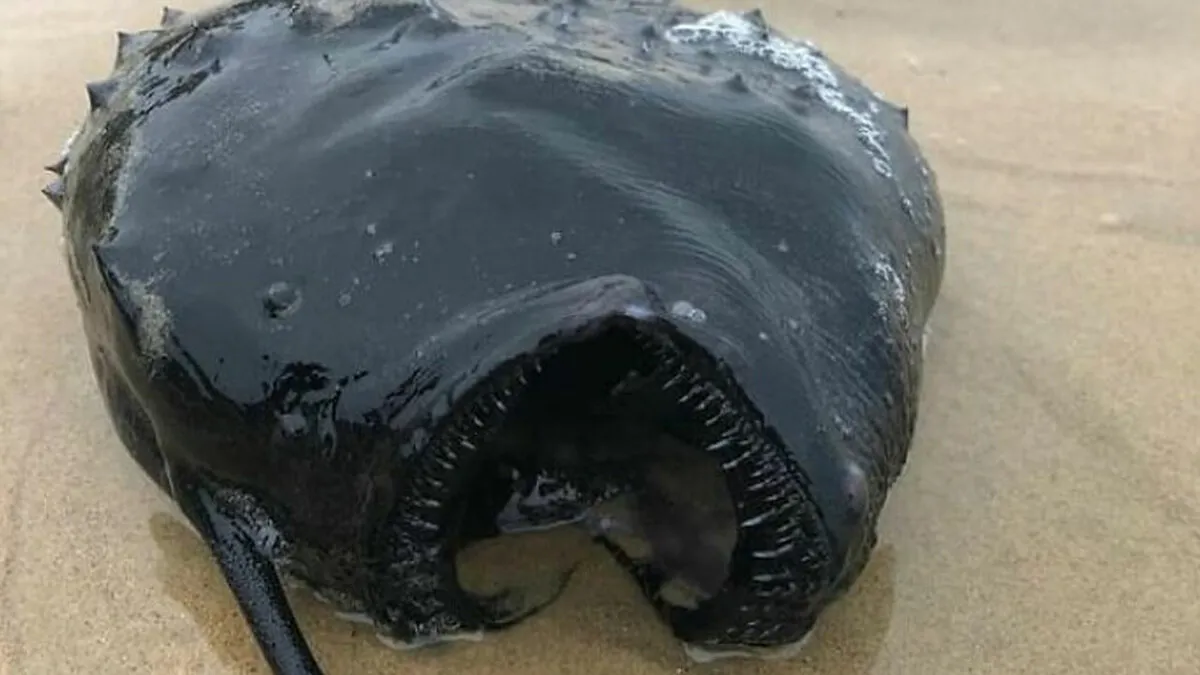


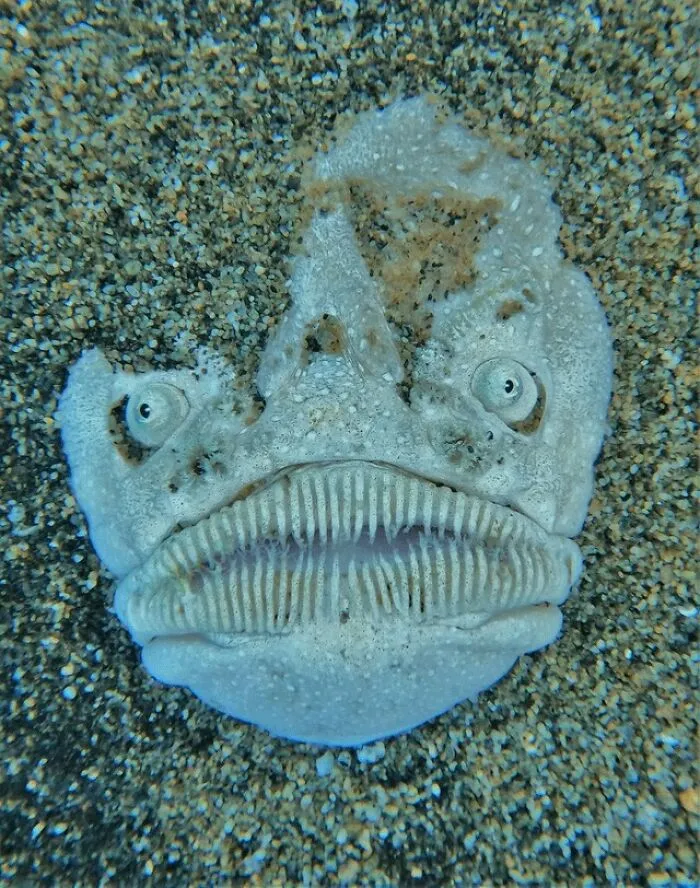
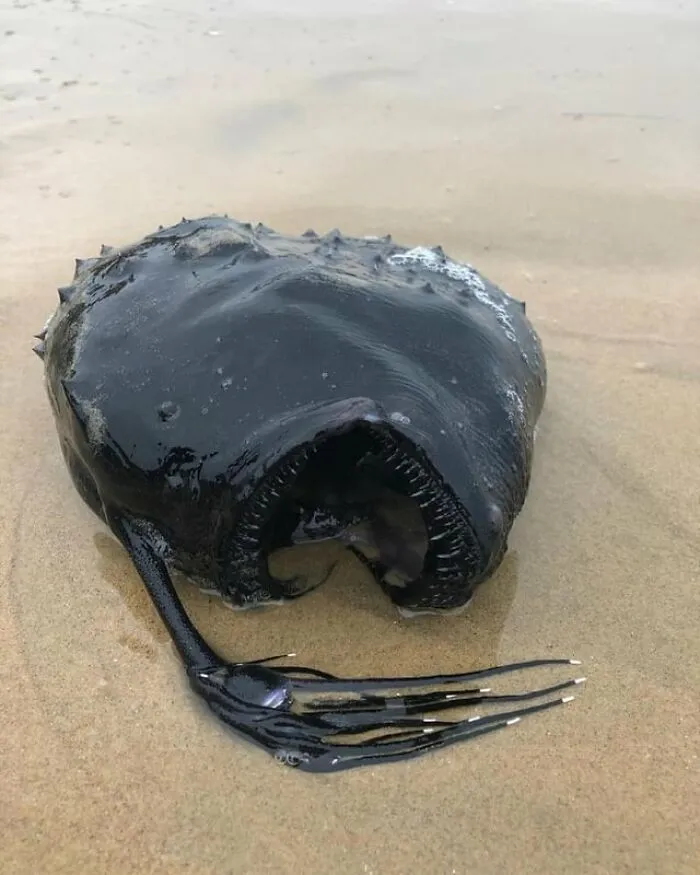
#2 A Pacific Stargazer Fish Buried In The Indo-Pacific Seabed, Lying In Wait With Only Its Eyes And Mouth Exposed To Ambush Prey
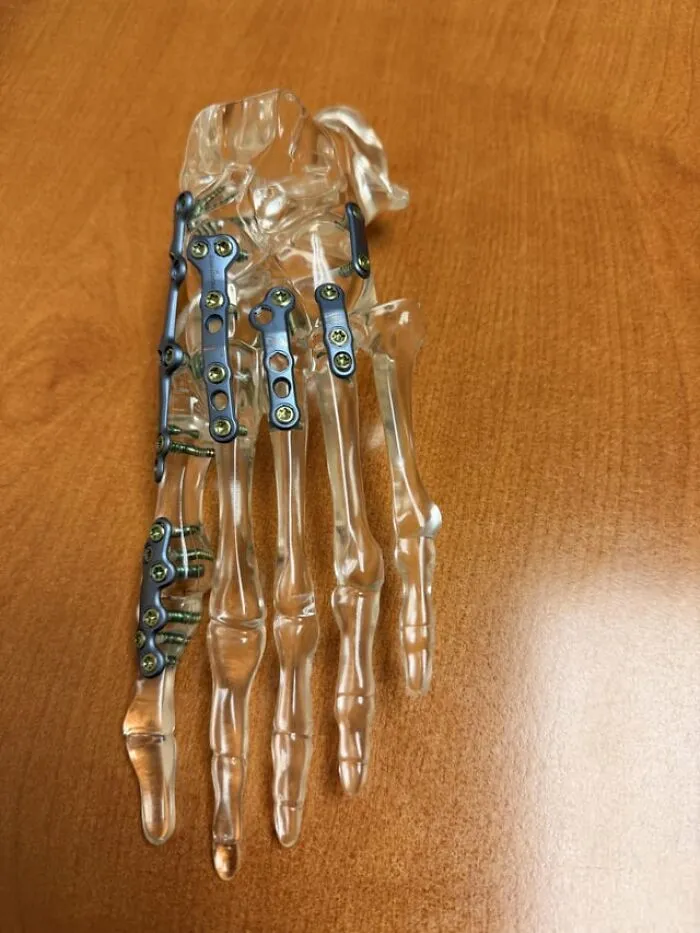
#3 Here Is A Model Of The Hardware They Are Putting In My Foot Next Week
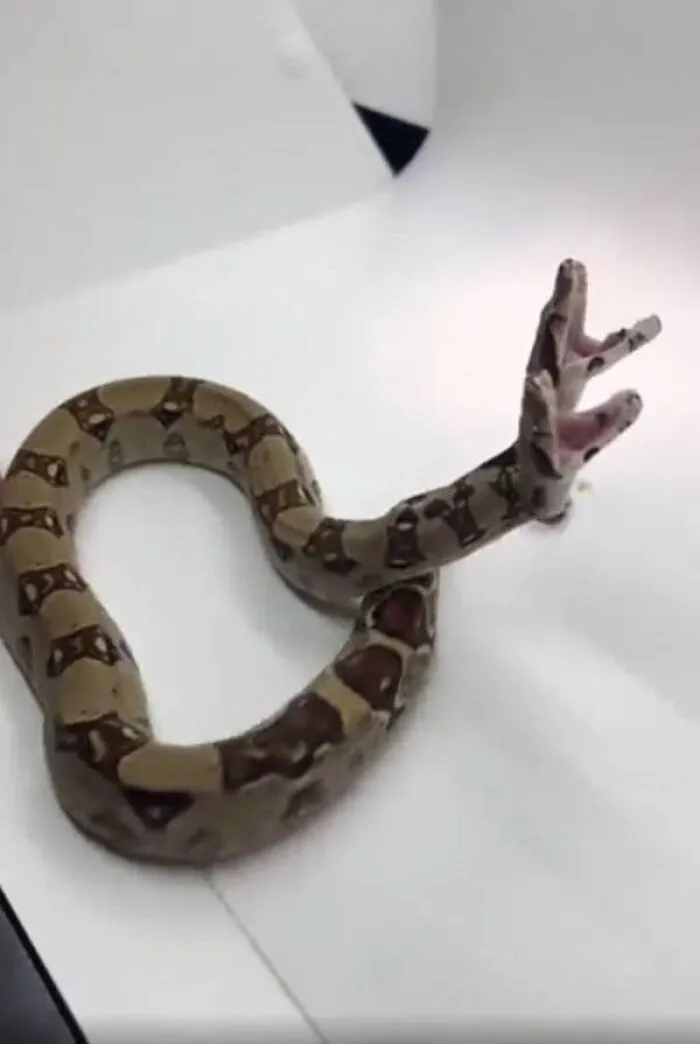
With Halloween right around the corner, it’s the perfect time to talk about what scares us or makes us uneasy. It doesn’t necessarily have to be a fictional monster or something supernatural. Even ordinary things can become scary. After all, fear is different for everyone.
Some might be scared of spiders while others might be afraid of liminal things. Simply put, being creeped out is essentially subjective. But what really happens in our brain when we are creeped out?
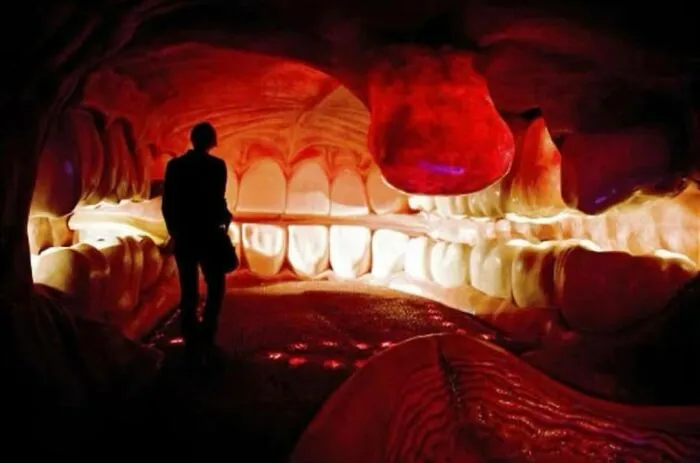
#5 In Holland There Is A Museum That Shows You The Entire Human Body From The Inside, You Will Be A Tiny Person Inside The Recreation Of A Human Body, It Is In The Corpus Museum Of Oegstgeest
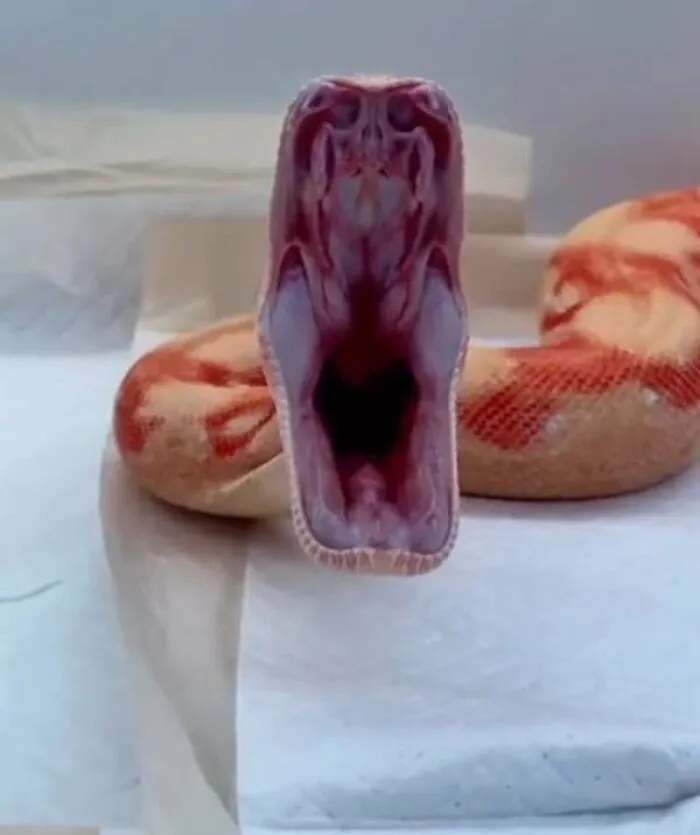
Frank McAndrew, professor of psychology at Knox College in Illinois, studied the sensation of being “creeped out.” He and Sara Koehnke, a graduate student, surveyed more than 1,300 people with the question, “What is creepy?” They published a paper based on their findings, On the Nature of Creepiness. To explain it quickly, they described creepiness as a reaction to the ambiguity of threat.
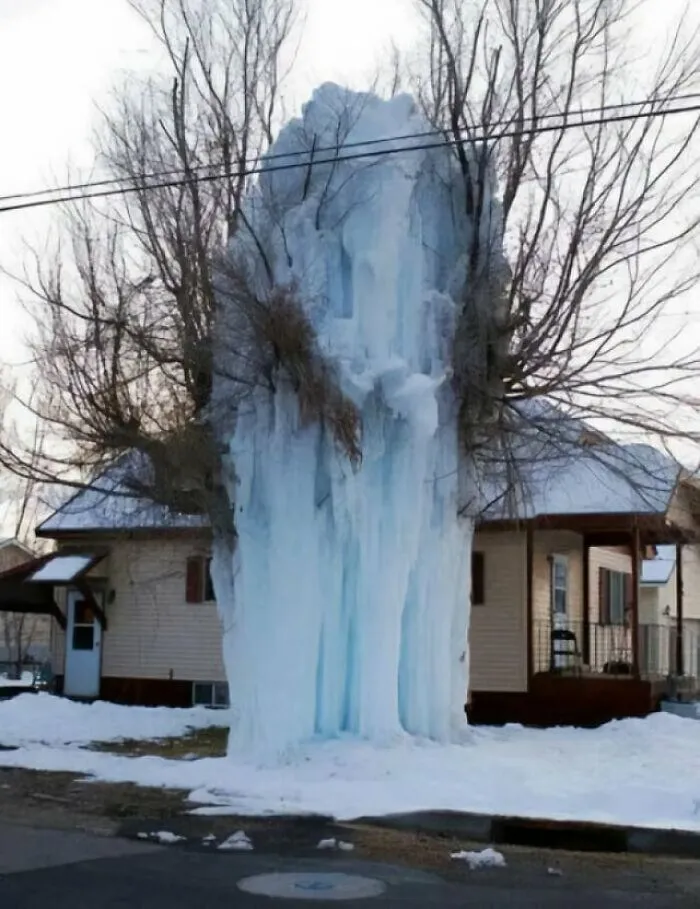

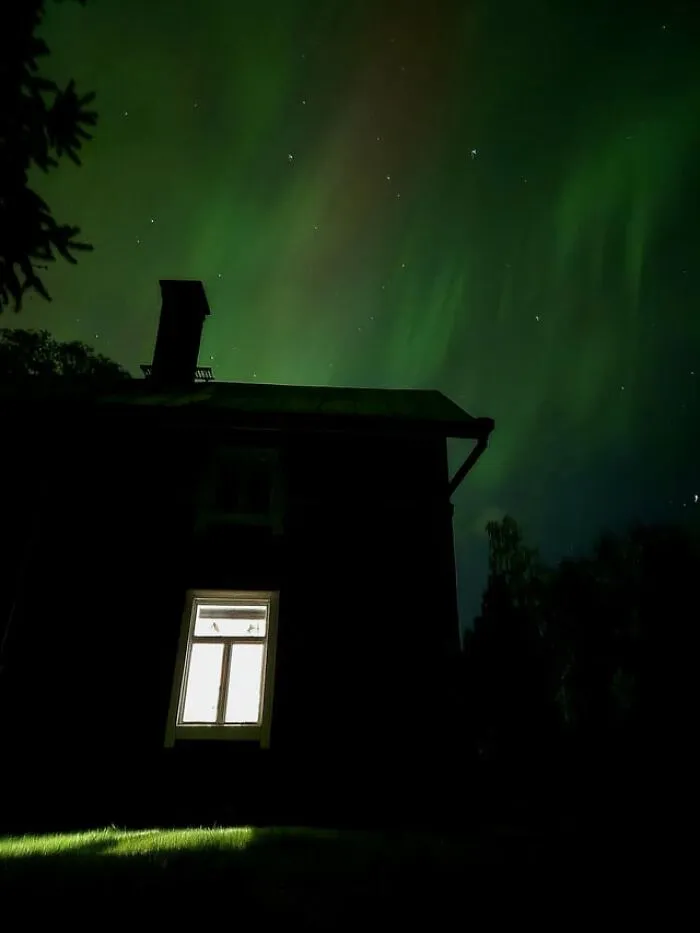
“[Creepy is] about the uncertainty of threat. You’re feeling uneasy because you think there might be something to worry about here, but the signals are not clear enough to warrant you doing some sort of desperate, life-saving kind of thing,” explains McAndrew.
He says being creeped out is different from fear or revulsion.
He also adds that “in both of those emotional states, the person experiencing them usually feels no confusion about how to respond. But when you’re creeped out, your brain and your body are telling you that something is not quite right and you’d better pay attention because it might hurt you.”
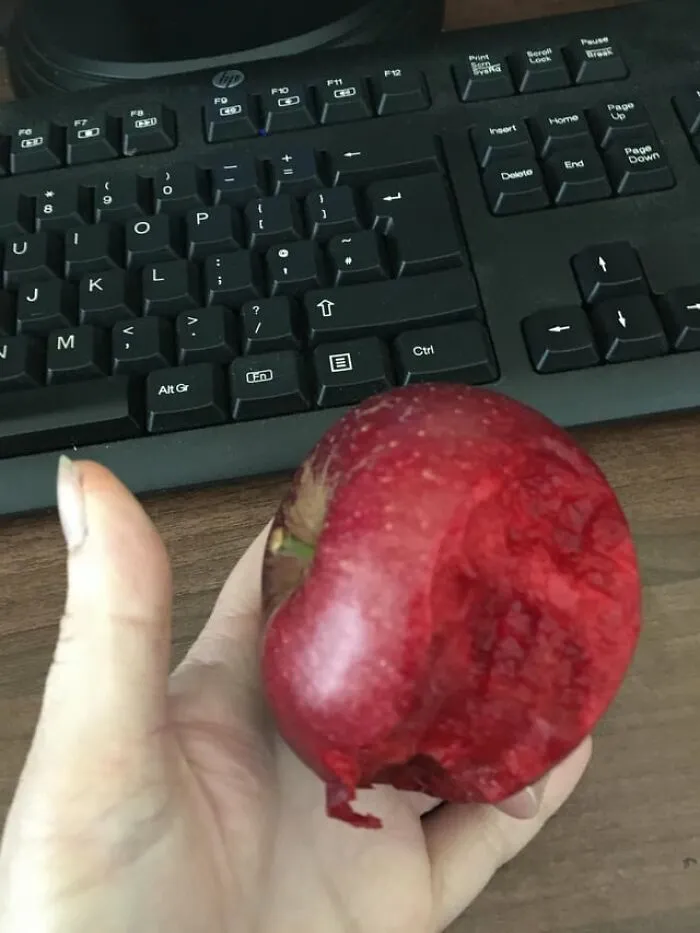
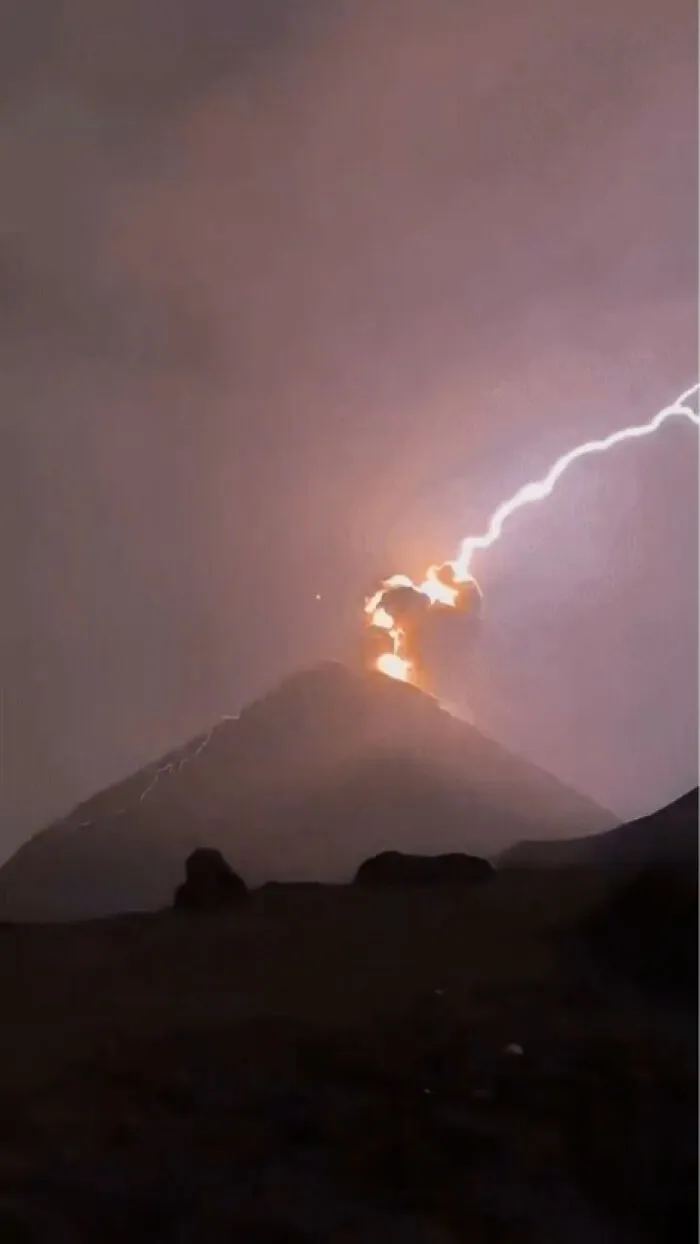
#11 Volcanic Lighting, AKA 'Dirty Thunderstorm,' Caused By Ash Colliding And Generating Massive Amounts Of Static Electricity. If I Saw This In Ancient Times, I'd Believe In The Gods Too
Their findings explain why we sometimes can’t justify the panic we feel, but we can’t relax either. McAndrew believes feeling creeped out offers an evolutionary advantage that aligns with the evolutionary psychology theory of “agency detection.”
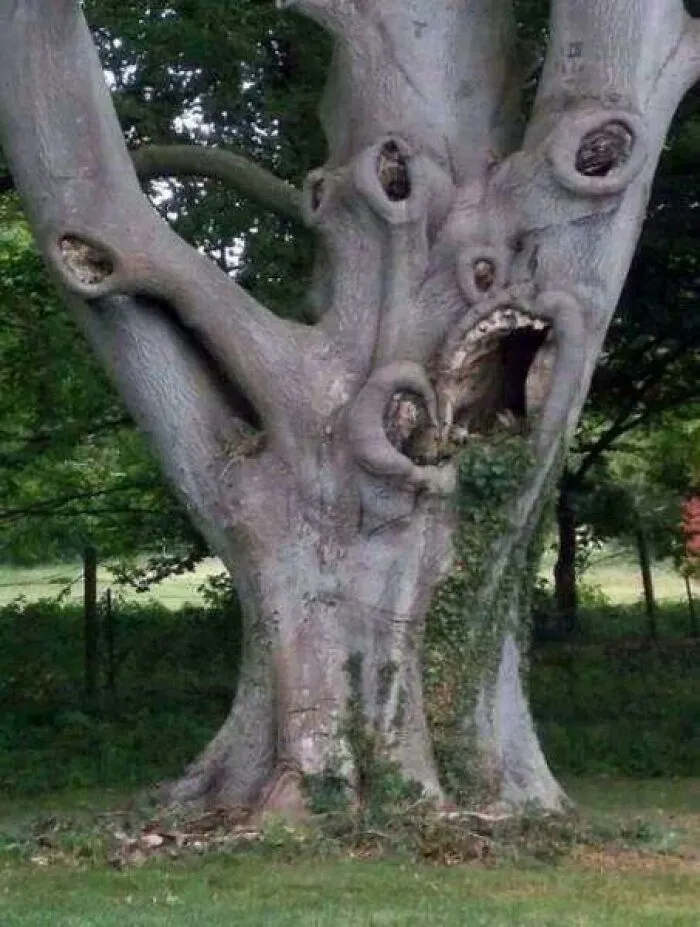
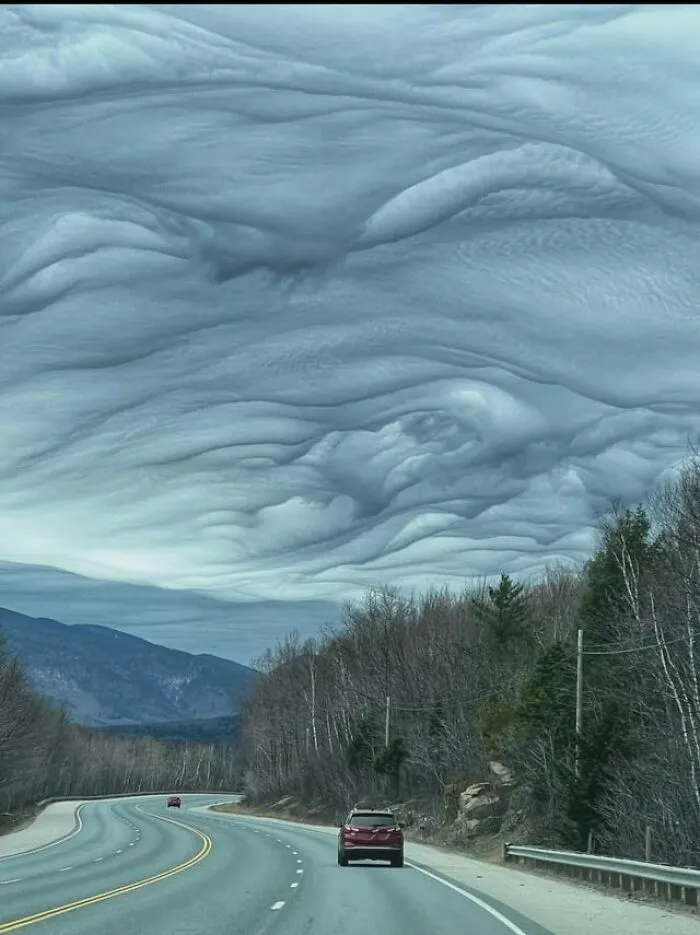
Research supports this by noting that humans tend to attribute willful agency to circumstances and seek patterns in events and visual stimuli, a phenomenon called pareidolia. That’s why we see faces on rocks and strange shapes in clouds.
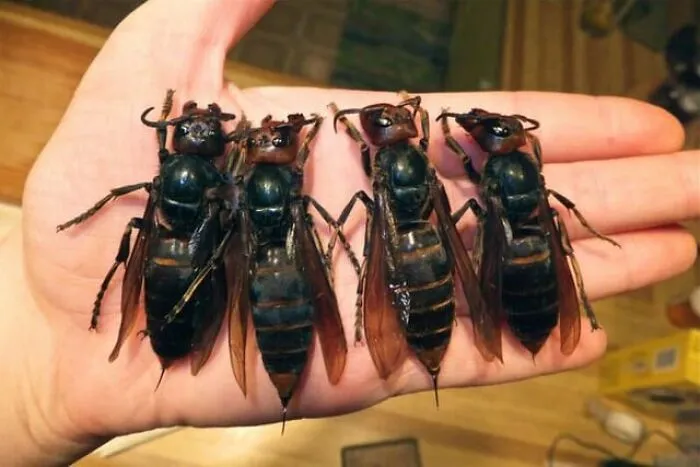
#13 The Size Of Asian Giant Hornet. It Is The World's Largest Hornet And Can Grow Greater Than 45 Mm With A Wingspan Around 75 Mm

#15 Discarded Dough Doesn't Stop Rising. If There's Enough Warmth And Moisture, The Yeast Keeps Fermenting. Even In The Dumpster

McAndrew says this theory helps explain why we get the creeps: we usually assume the ‘agent’ behind the event is trying to harm us.
“We’re predisposed to see willful agents that mean us harm in situations that are ambiguous, but this was an adaptive thing to do,” he explains.
Our ancestors were quick to see tigers in shadows and snakes in the grass because playing it safe mattered more than being wrong.
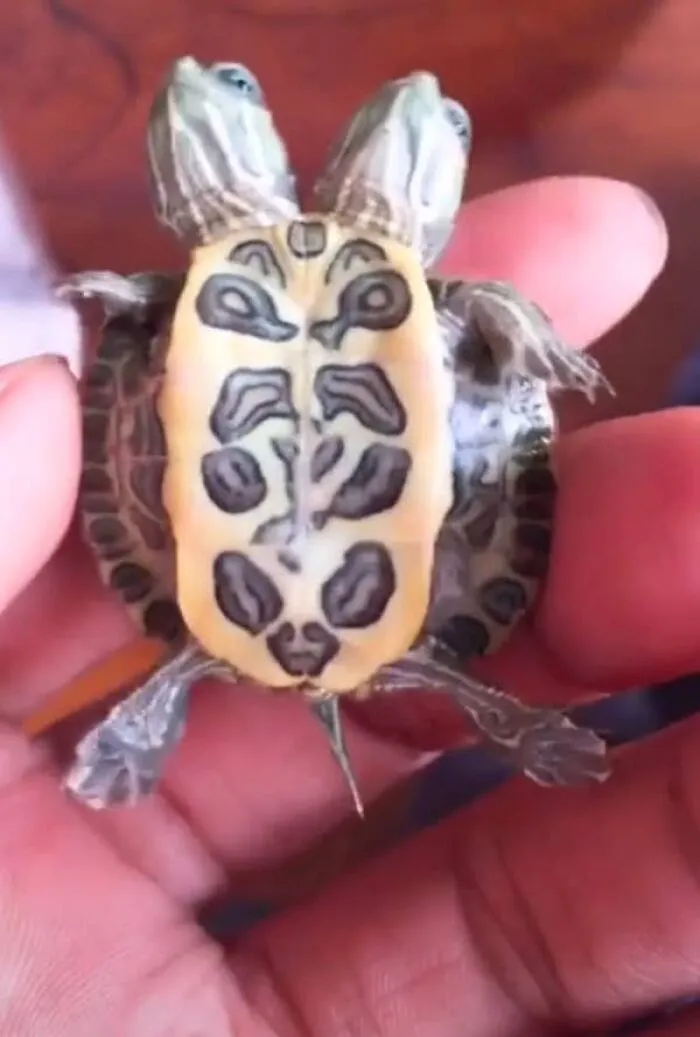
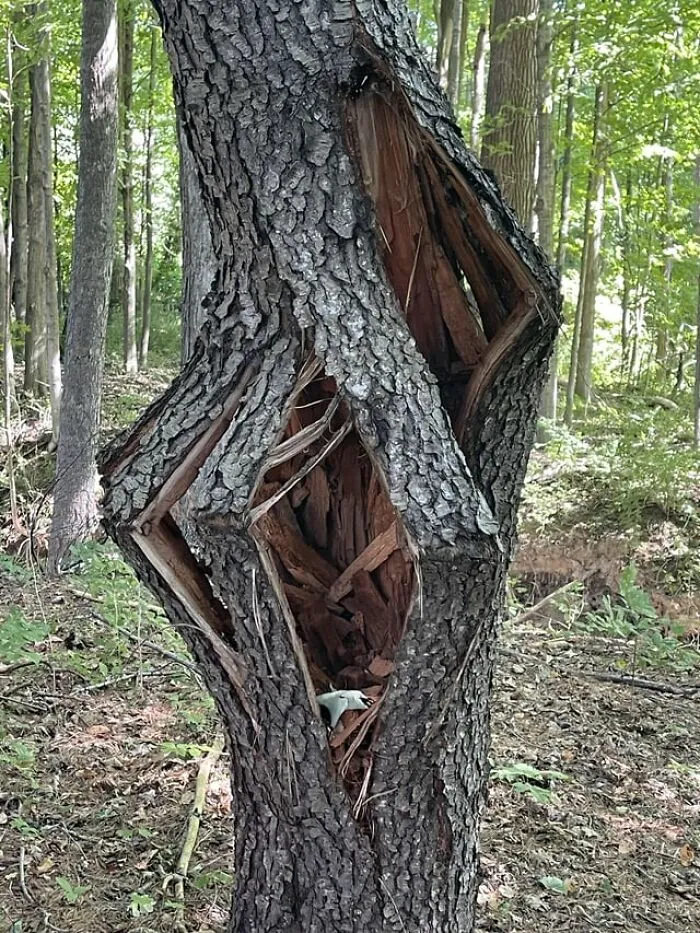
David Webb, a psychology educator and author, explains that certain cues, whether in people, objects, or environments, consistently activate our internal “creepiness detector.” First, he speaks about “people” as the cue.
He says creepiness usually pops up when someone breaks social rules, like standing too close, staring too long, or making awkward jokes. But it’s not just about behavior; physical appearance also plays a role.
He cites McAndrew’s study, where people found traits like greasy hair, pale skin, or odd clothing unsettling. He notes that this suggests we might label someone as “creepy” simply because they don’t fit our usual stereotypes of what “normal” looks like.
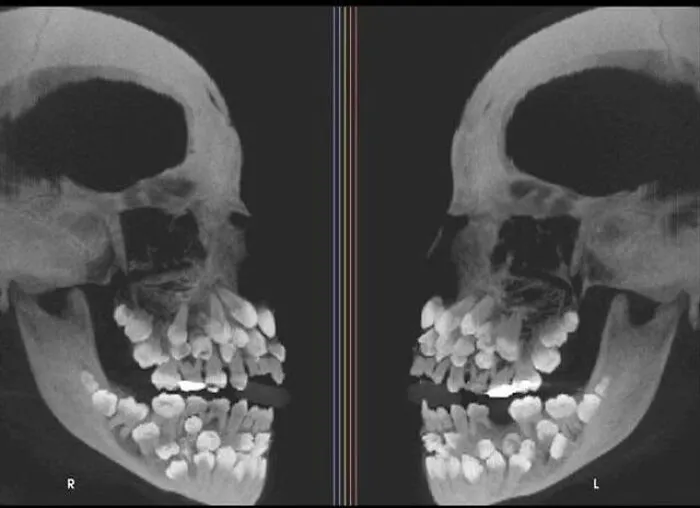
#19 An X-Ray Of A Patient With Hyperdontia (The Condition Of Having More Teeth Than Average). Usually Adults Have 32 Teeth. This Person Had 81