



Did you know the human body completely replaces every single cell exactly every seven years? Sounds pretty believable, doesn't it? It's one of those "facts" that has been repeated so often that many people accept it as truth. In reality, it's a myth. Different cells in our bodies live for vastly different amounts of time—some last only a few days, while certain neurons in your brain can stay with you for your entire lifetime. It just goes to show how easy it is to believe something when it sounds scientific. We spend so much time learning about the world around us, yet many of us know surprisingly little about the incredible machine we live in every single day.
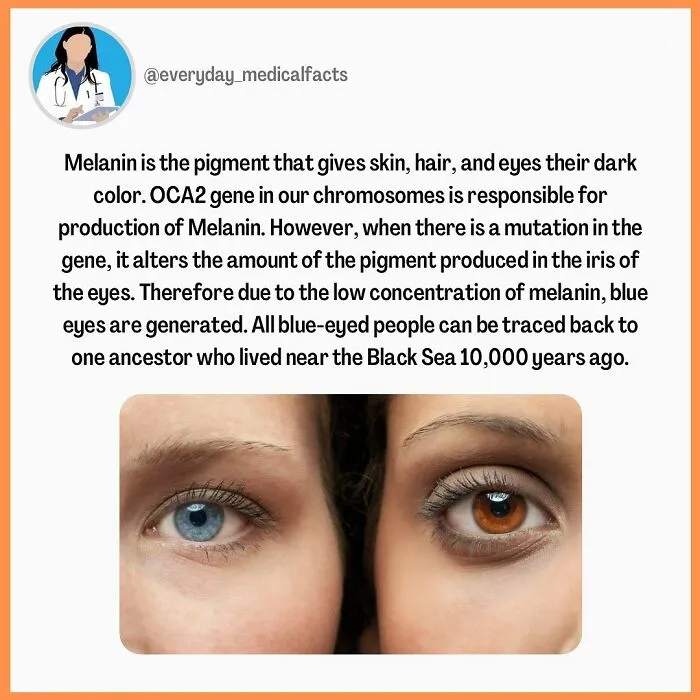

When people hear the words "human biology," it can sound like something straight out of a school textbook. But at its core, it's simply the study of how our bodies work and it's far more fascinating than many of us remember. Every breath you take, every step you walk, every meal you eat, and every emotion you feel relies on different systems working together in perfect harmony. Scientists generally divide the human body into 12 major organ systems, each with its own unique job, yet all deeply connected.

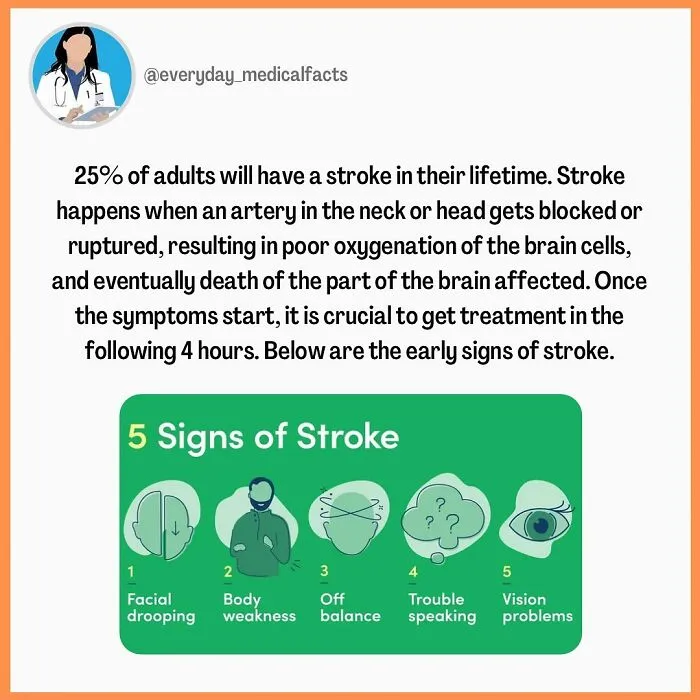

Take the cardiovascular system, for example. Often referred to as the body's transportation network, it works around the clock to pump oxygen-rich blood and essential nutrients to trillions of cells. An average adult heart beats around 100,000 times every single day and pumps roughly 2,000 gallons (over 7,500 liters) of blood throughout the body. Meanwhile, the digestive system is busy turning everything you eat and drink into nutrients your body can actually use for energy, growth, and repair.
Alongside it, the endocrine system quietly releases hormones that influence nearly every aspect of your life—from your sleep schedule and metabolism to your mood, stress levels, and growth. Then there's the nervous system, an incredibly complex communication network made up of your brain, spinal cord, and billions of nerve cells. It processes information in milliseconds, allowing you to think, react, remember, feel emotions, and coordinate every voluntary and involuntary movement without you even realizing it.


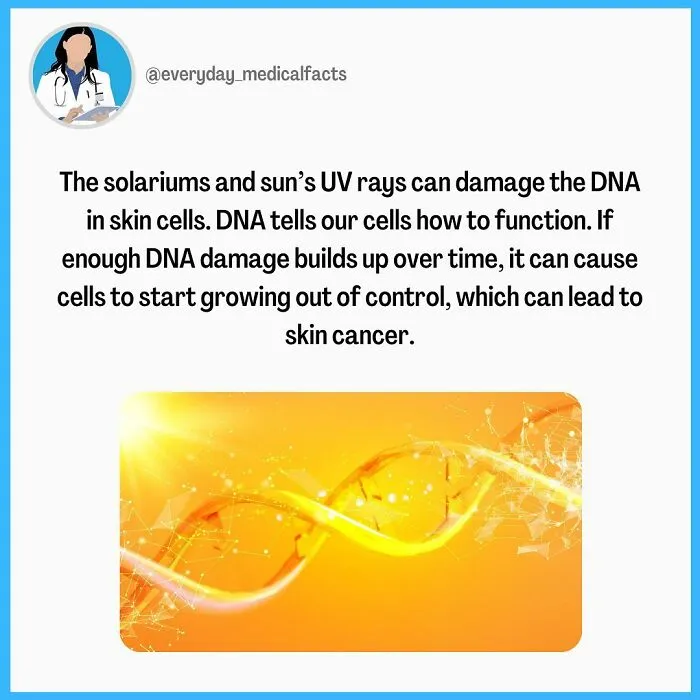
Several other systems are working just as tirelessly behind the scenes. Your immune system acts like your own personal security team, constantly scanning for viruses, bacteria, and other harmful invaders before they can make you sick. In many cases, it successfully fights off infections without you ever noticing. The integumentary system (which includes your skin, hair, and nails) is your body's largest organ system and serves as the first line of defense against injuries, harmful microbes, and environmental damage while also helping regulate body temperature.
Supporting it is the lymphatic system, a network of vessels and lymph nodes that removes excess fluid, filters waste, and strengthens both your circulatory and immune systems. Then comes the muscular system, made up of more than 600 muscles, allowing you to walk, smile, blink, breathe, maintain posture, and even keep your heart beating. These systems rarely receive much attention, yet they work together every second to keep your body functioning smoothly.

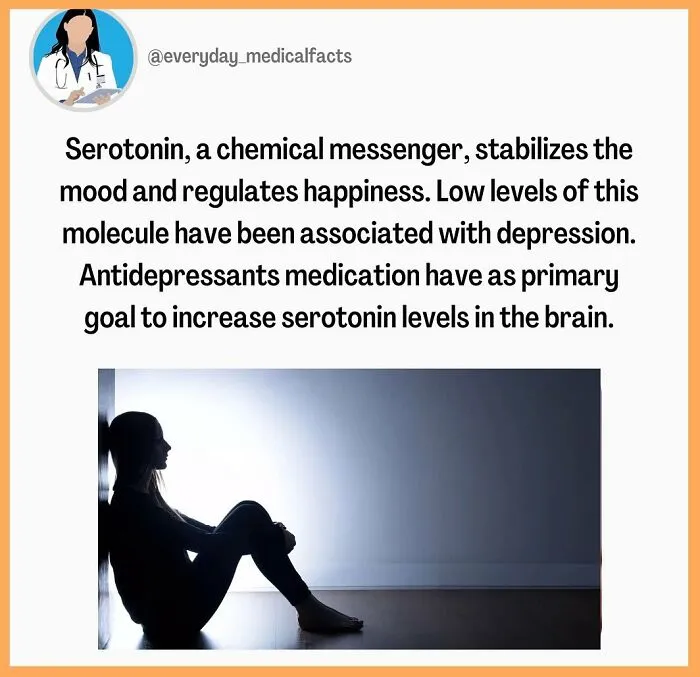

The remaining systems are just as remarkable. Your respiratory system allows oxygen to enter your bloodstream while removing carbon dioxide with every breath you take. An average person breathes around 20,000 times a day without giving it a second thought. Your skeletal system, made up of 206 bones in adulthood, provides the framework that supports your body, protects delicate organs like your brain and heart, stores essential minerals such as calcium, and works hand in hand with muscles to create movement.
The urinary system continuously filters your blood through the kidneys, removing waste products while carefully balancing fluids, electrolytes, and blood pressure. Finally, the reproductive system ensures the continuation of our species while also producing hormones that influence many other bodily functions. Individually, each system performs a unique role, but together they operate like an incredibly sophisticated machine where every part depends on the others to keep you healthy and alive.



Understanding how these systems work benefits all of us. Knowing the basics of how your body functions can help you recognize when something feels unusual, understand symptoms earlier, make healthier lifestyle choices, and have more informed conversations with healthcare professionals. It also makes it easier to understand news about nutrition, vaccines, medications, new medical technologies, genetic conditions, and infectious diseases. In a world where health information is constantly being shared online, having a basic understanding of human biology helps separate reliable facts from common myths. The more you understand your own body, the more empowered you become to look after it.