

This post may include affiliate links.
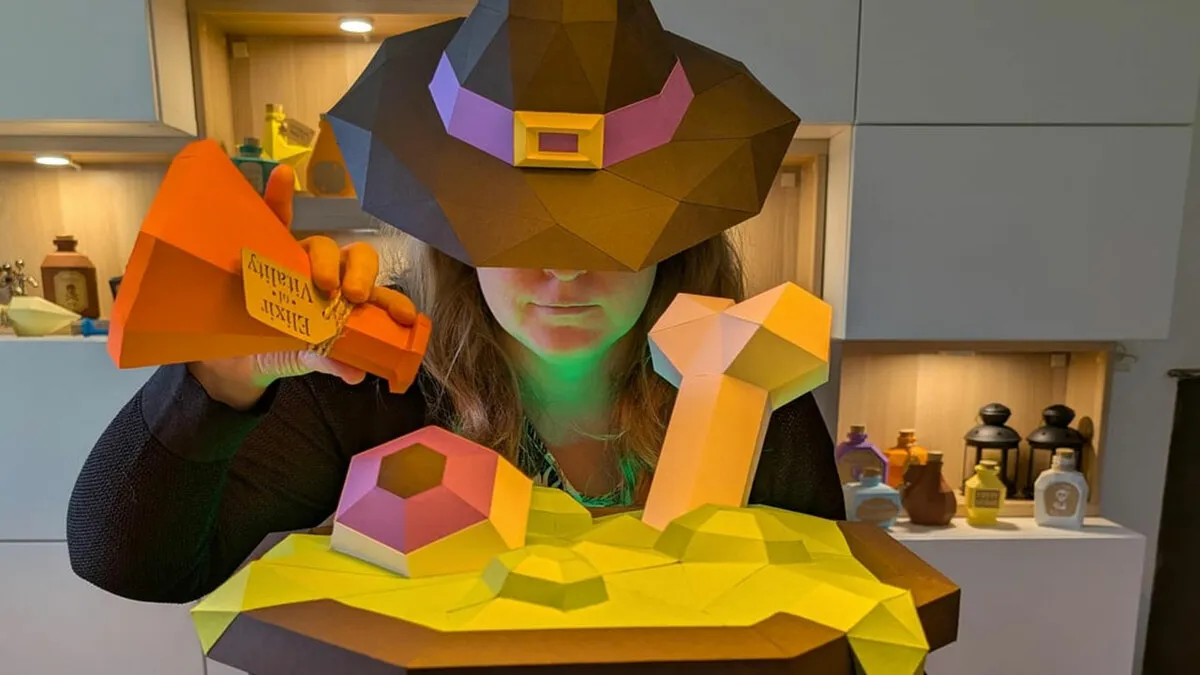
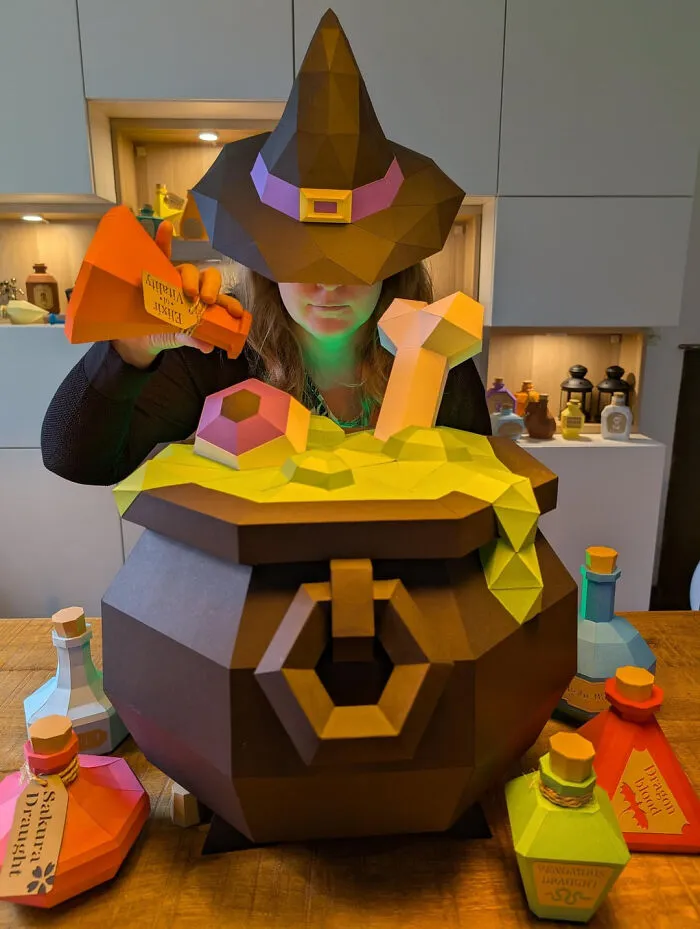
#1 Happy Halloween! Finished My Papercraft Creation For Halloween Just On Time
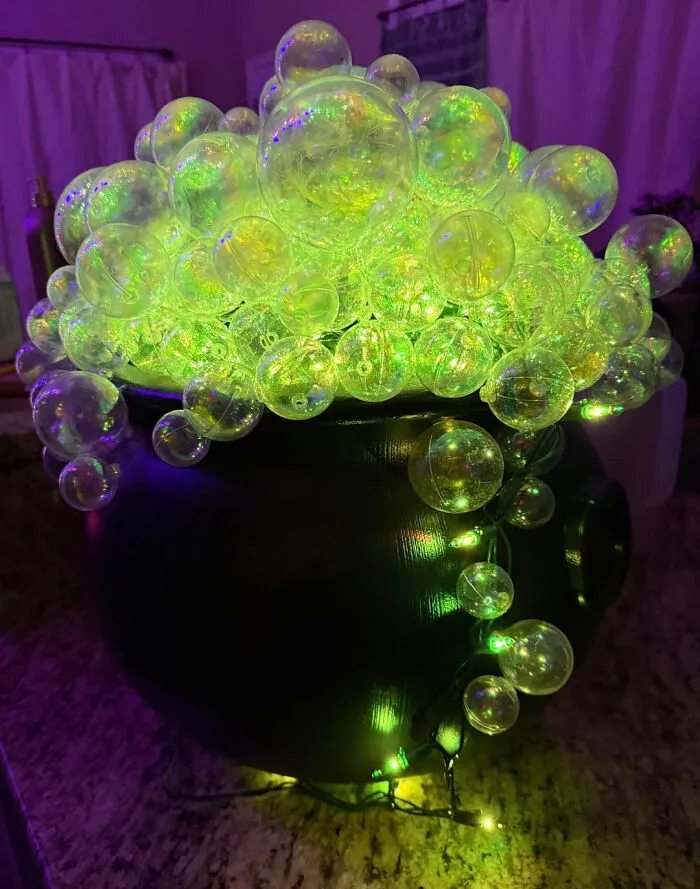
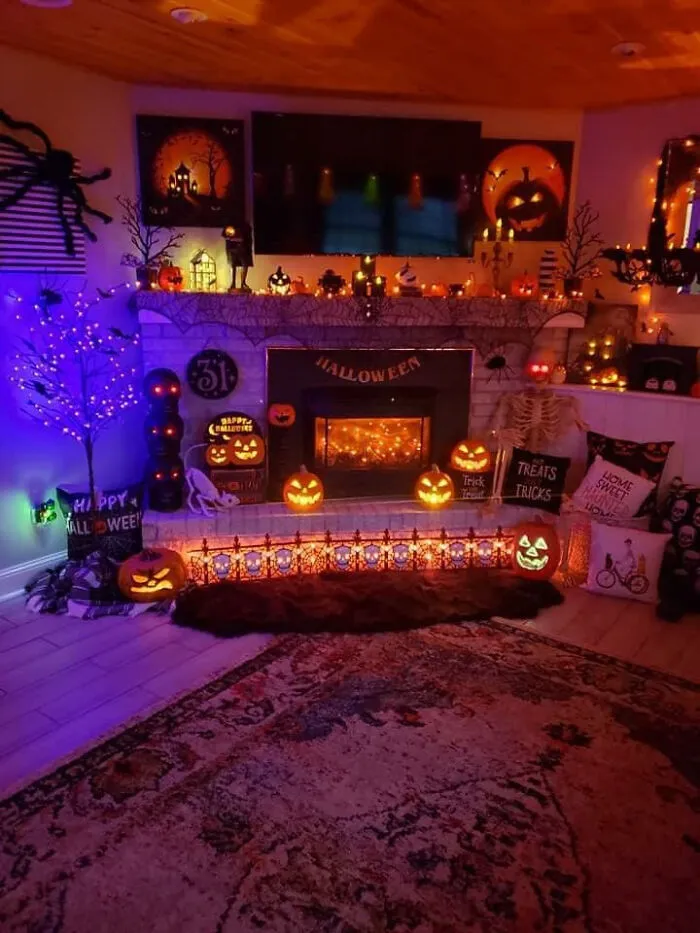
Halloween is the second-largest commercial holiday in the United States after Christmas, and the spending reflects it. Americans collectively spend around $13 billion on Halloween annually, with decorations accounting for a significant portion of that.
The National Retail Federation found that roughly 42% of Halloween celebrants decorate their homes, and the average household spends over $100 on décor alone. That number climbs considerably when you factor in the people who treat Halloween as an annual personality statement that needs significant square footage.
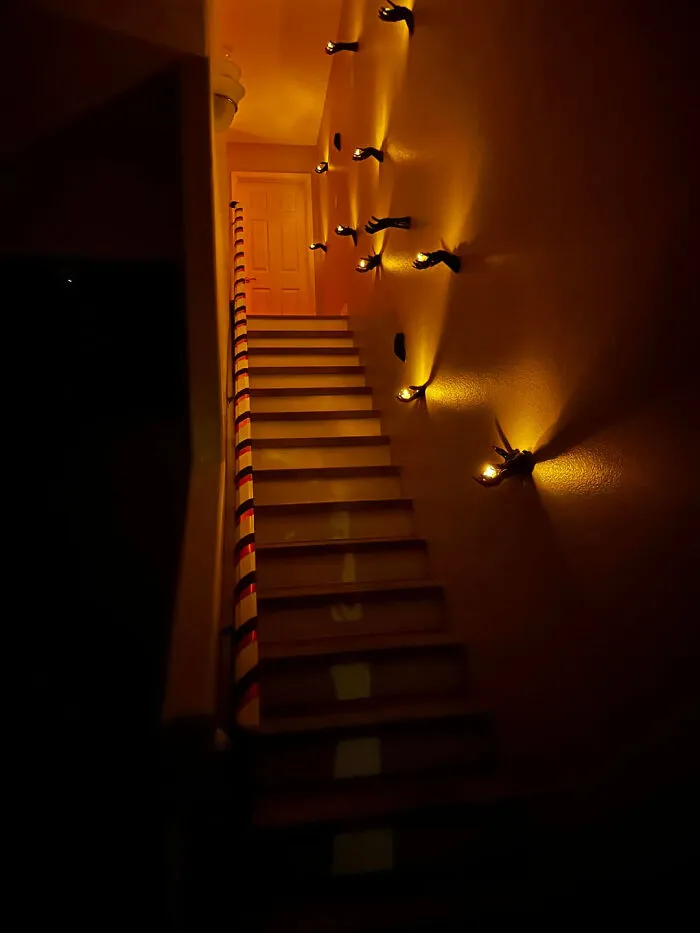
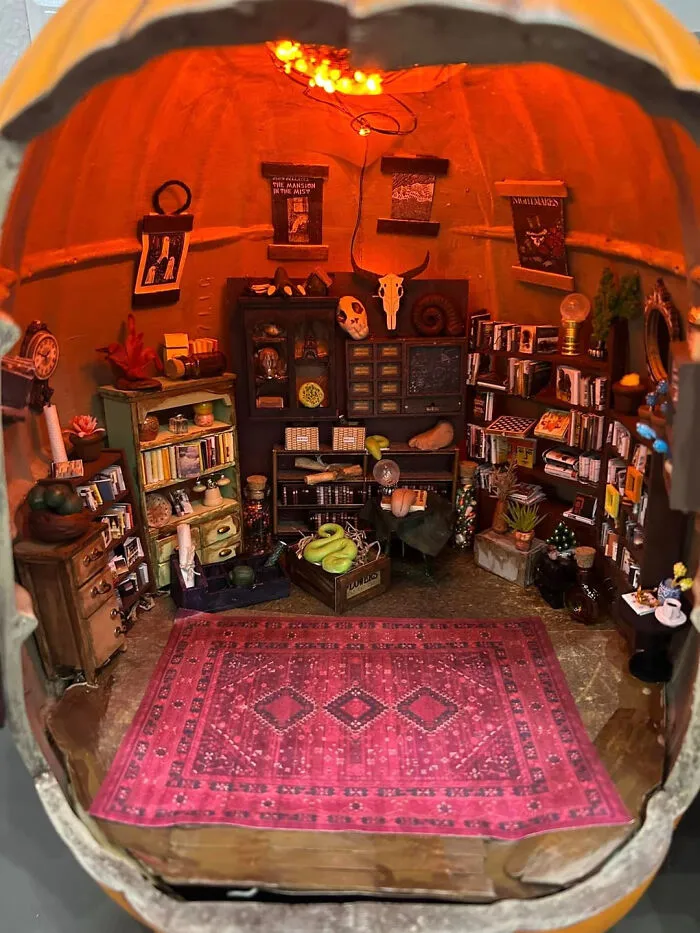

The history of Halloween decoration is older and much more practical than the current aesthetic suggests. The tradition descends from the Celtic festival of Samhain, when people lit bonfires and wore costumes to ward off roaming spirits during the period when the boundary between the living and the dead was believed to thin.
The decorating was not atmospheric, though. It was defensive. The modern version, involving twelve-foot skeletons from Home Depot and fog machines on a timer, is technically the same impulse with a way larger budget and a less immediate fear of actual supernatural consequence.

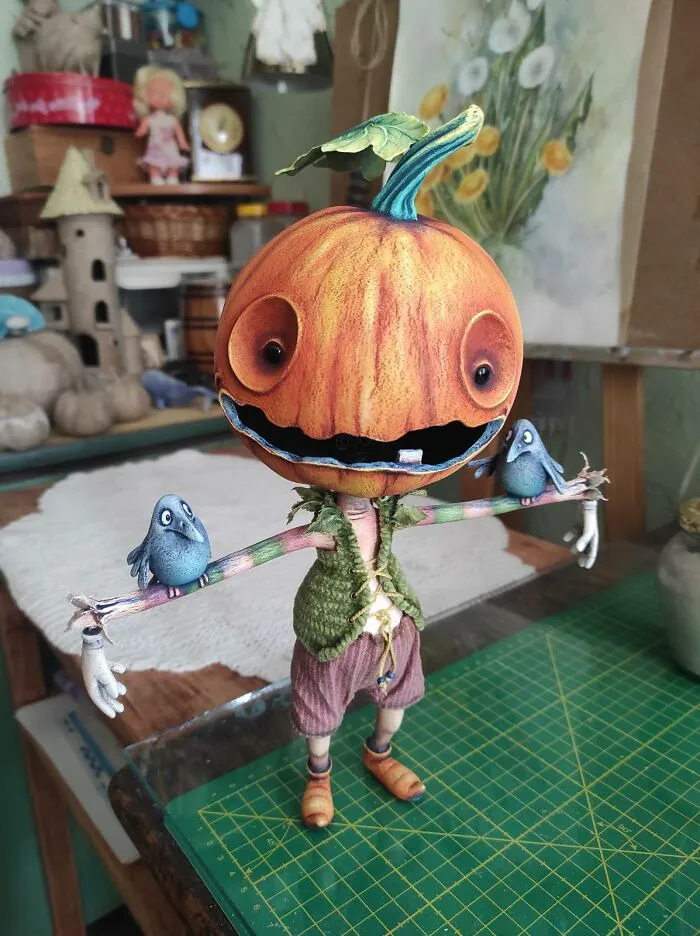
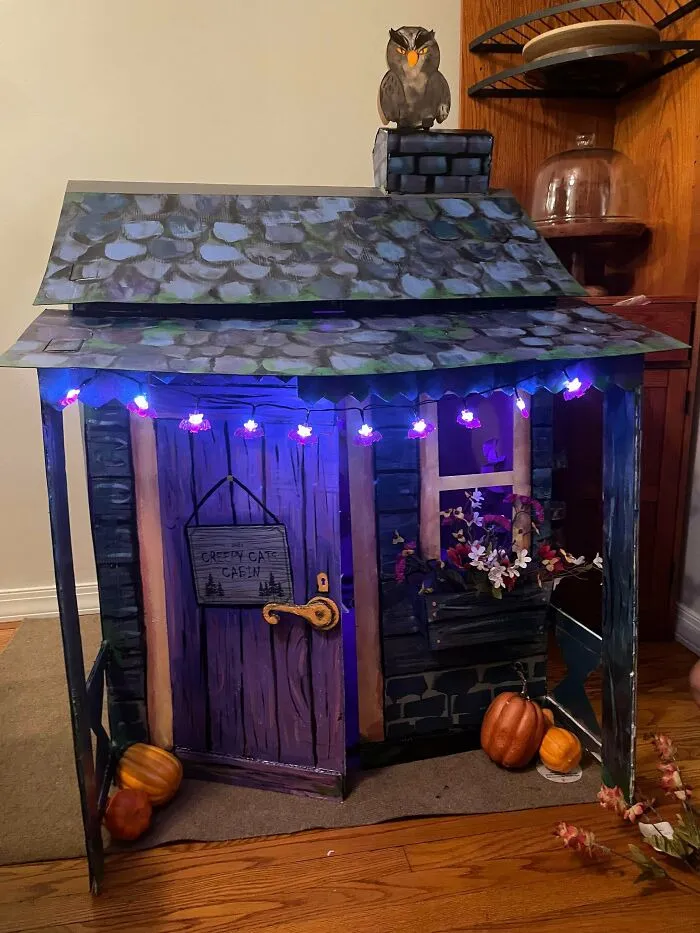
Speaking of the twelve-foot skeleton, it became one of the most unexpectedly significant cultural moments in recent Halloween history. Home Depot released the giant skeleton in 2020, initially as a novelty item, and it sold out within days.
It became a meme, a symbol, and eventually a genuine community event in neighborhoods where multiple households bought one. People named theirs, dressed theirs seasonally, and kept them up well past November. This is where Halloween decoration culture currently lives, and it is thriving.
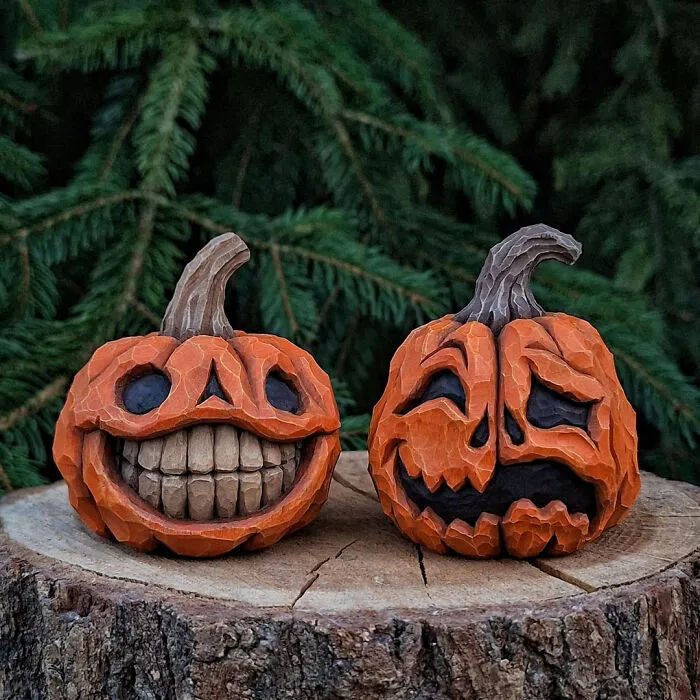
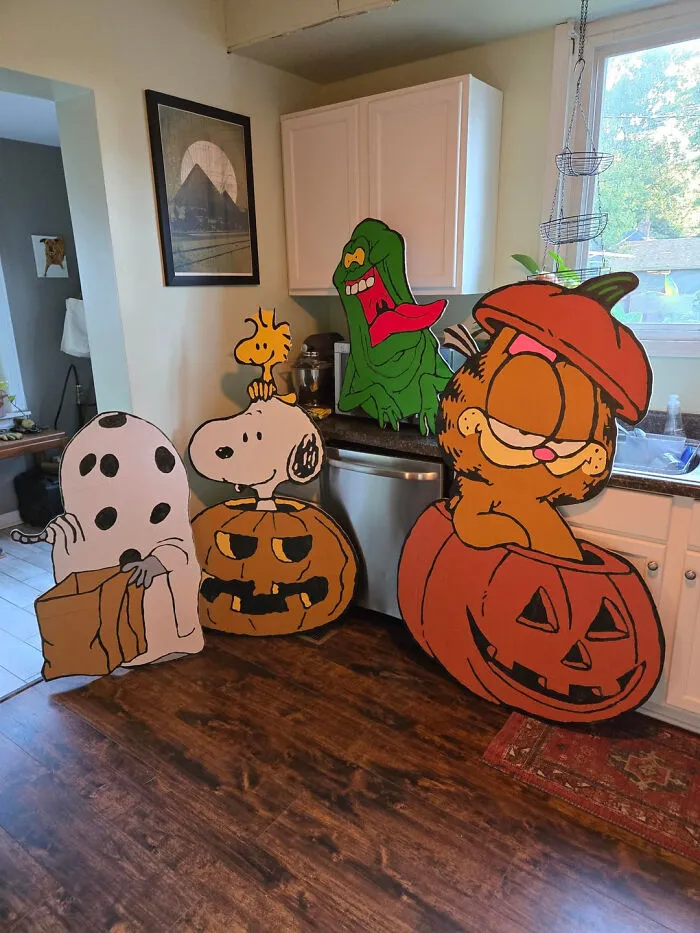
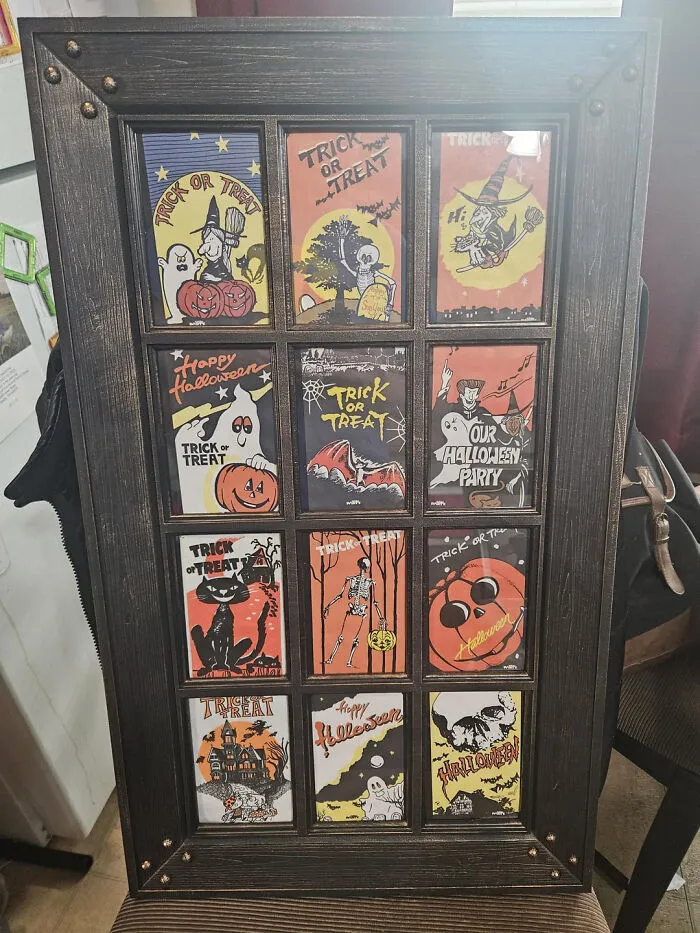
The psychology behind why some people go dramatically harder at Halloween than others has been studied, and the answer is more interesting than "they just really like spiders made of tinsel." Research from Pennsylvania State University found that people who engage deeply with Halloween and horror aesthetics score higher on measures of openness to experience, one of the core personality traits in psychological research.
They are also, on average, more creative and more comfortable sitting with ambiguity. The house with the theatrical indoor setup is statistically likely to belong to someone worth knowing at a dinner party.
#15
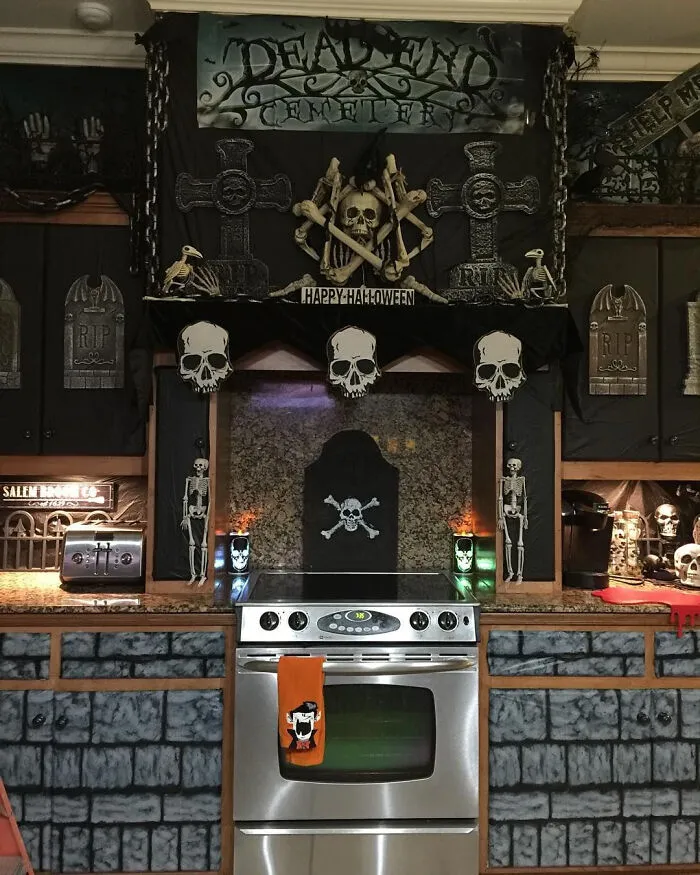
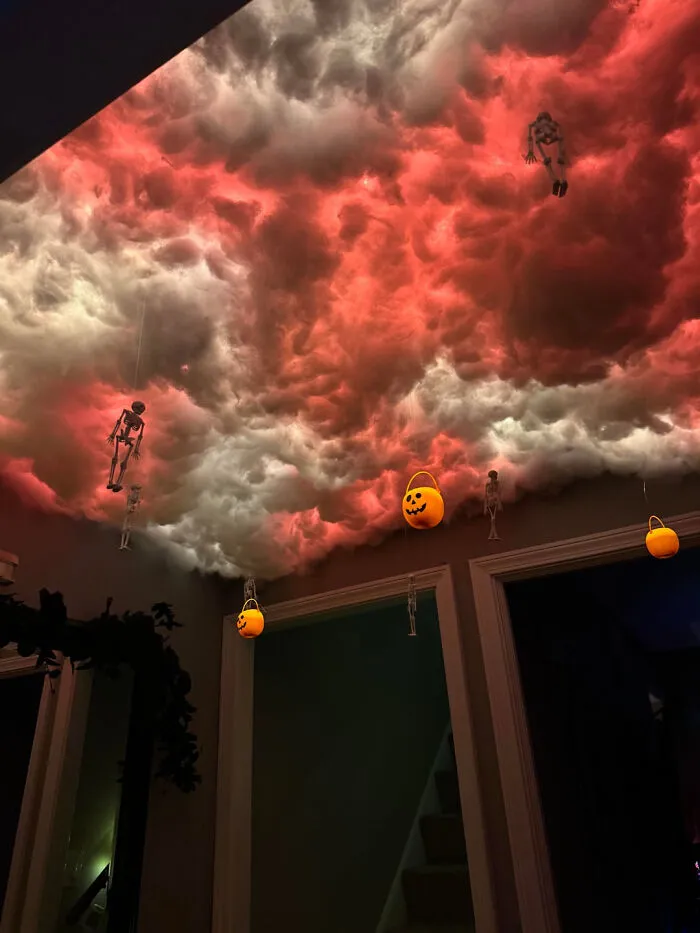
TikTok has done more for indoor Halloween decoration than any single retailer, because it gave the people doing elaborate indoor setups an audience for the first time. The #HalloweenDecor hashtag has accumulated billions of views, with creators documenting room-by-room transformations that treat October as a full production.
The indoor setup specifically took off because it photographs and films better than an outdoor one, the lighting is controllable, and the creator has complete creative authority over every corner of the frame. Halloween became content, and the indoor decorator became the most compelling creator in the genre.
#16
#17
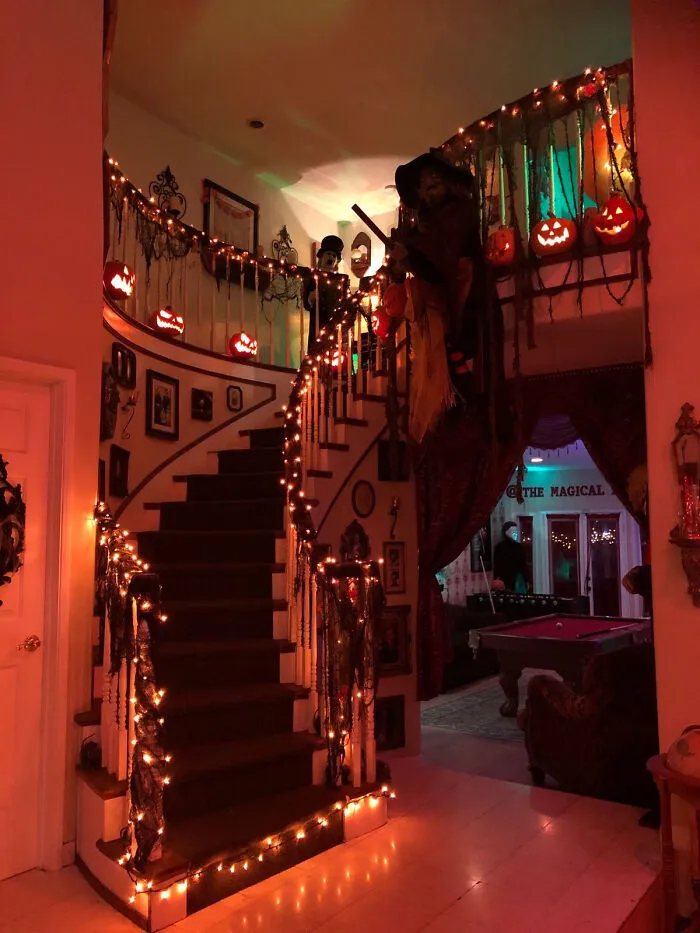
#18
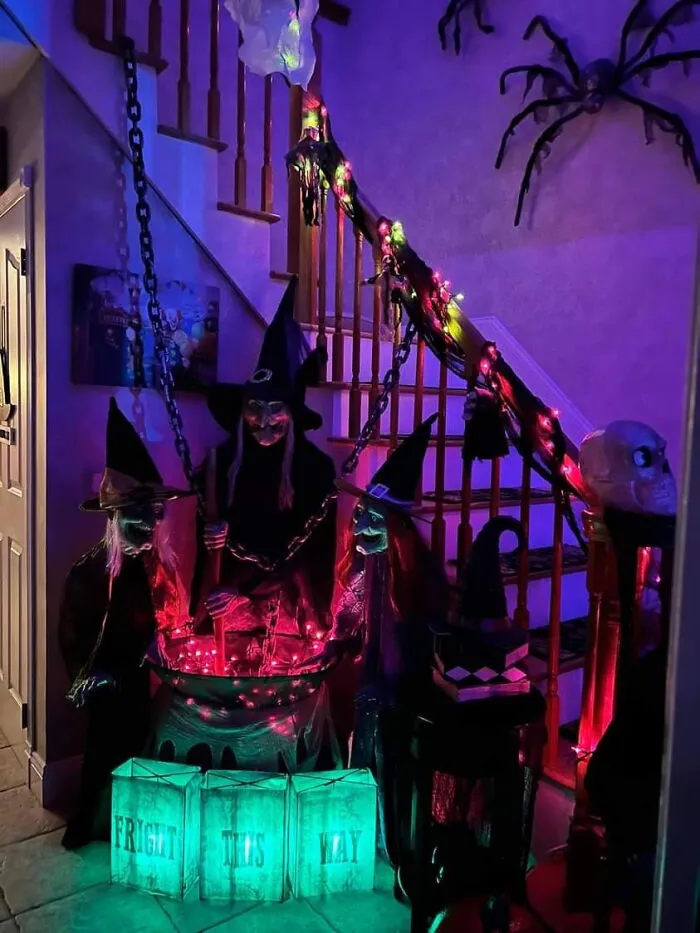
The color palette of Halloween, orange and black, was not chosen arbitrarily. Orange became associated with the holiday through its connection to autumn harvests and the changing of leaves, while black carried centuries of association with the end of life, night, and the supernatural.
Together they create one of the most instantly recognizable color combinations in the world, which is why a single orange light in a dark window reads as Halloween from fifty meters away. The people decorating indoors are working with visual shorthand so deeply embedded in collective memory that even its minimal deployment can completely transform a living room.
#19

#20