


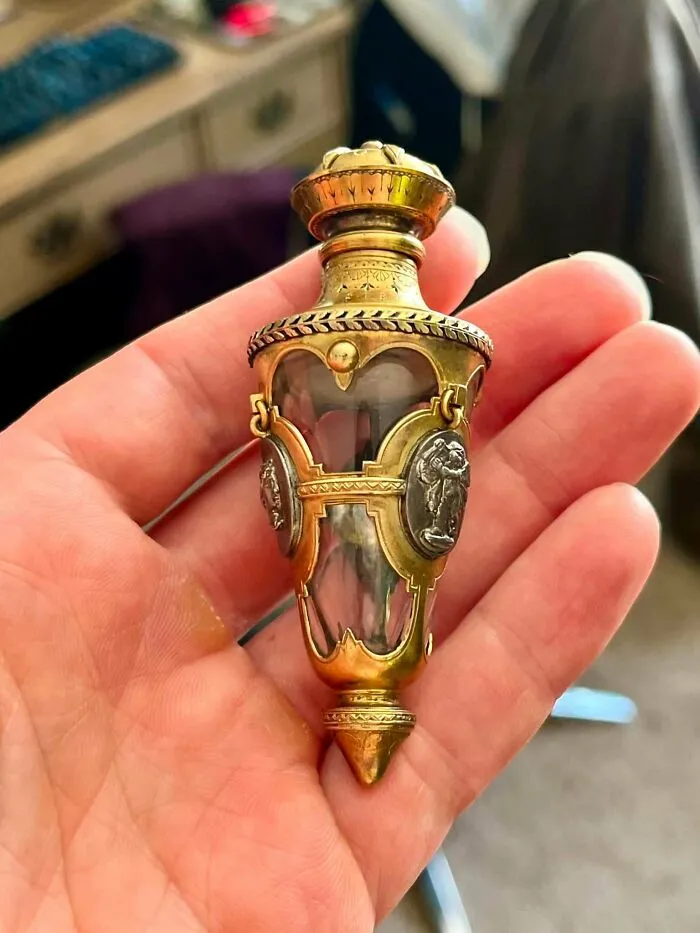
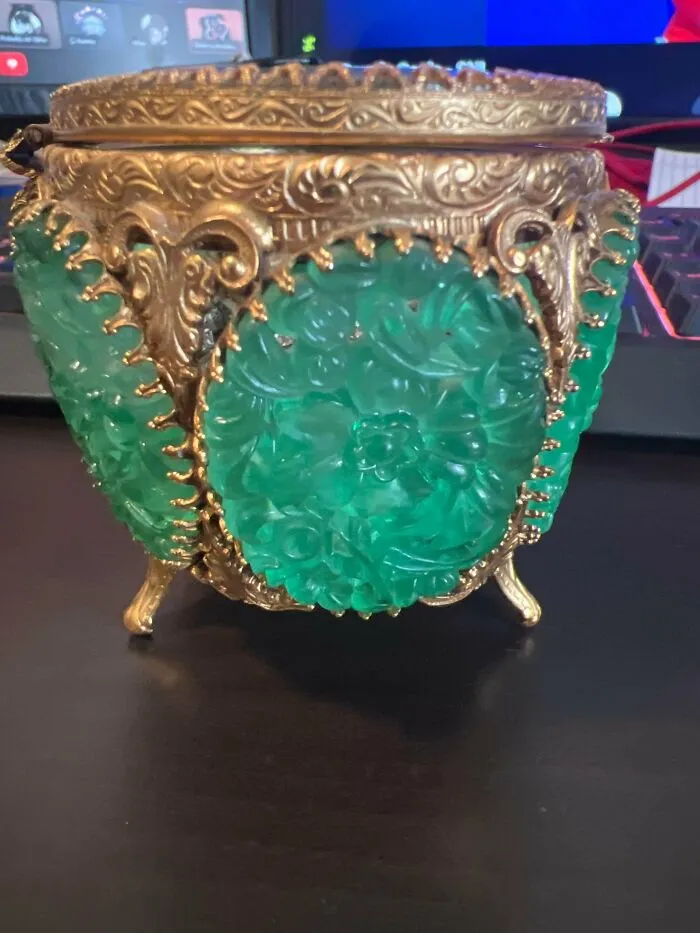
Antique items carry a deep sense of nostalgia, connecting us to moments long gone, giving us comfort and a true sense of belonging. Experts have a special term for this feeling — place authenticity.
According to a 2023 study, place authenticity is the unique feeling you get from a place or an object that makes it seem genuine, full of life, and deeply tied to history.
“Whether it’s heirlooms, antique furniture, or artwork that reflects your personality or culture, items that carry personal or cultural significance can help your home feel more rooted and authentic,” explains Dr. Ashley Krause, co-author of the study.
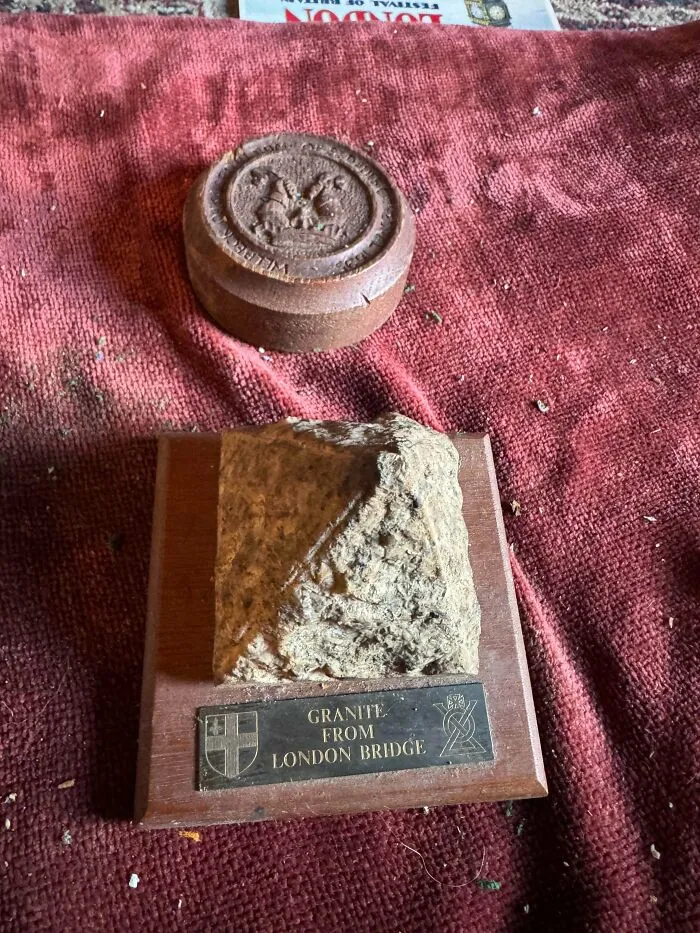
#4 Granite From The Original London Bridge And Apiece Of Wood From St Paul’s Cathedral 1695. Found Today In London,uk. Outside Someone’s House
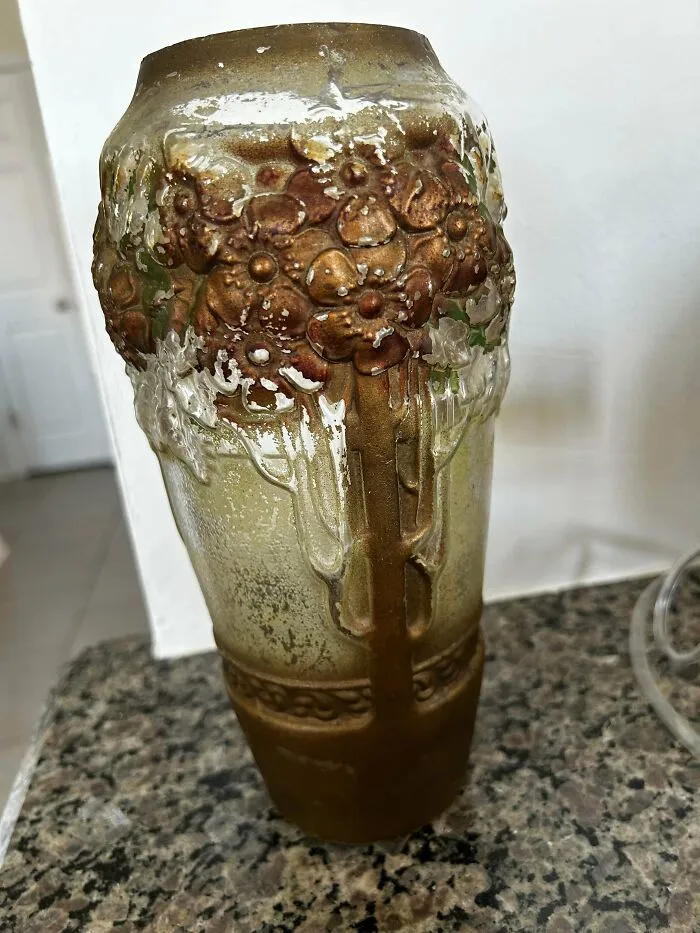
#5 Confused By This Possible Art Nouveau Style Vase. Found At A Garden Sale For $1 In North Texas, USA
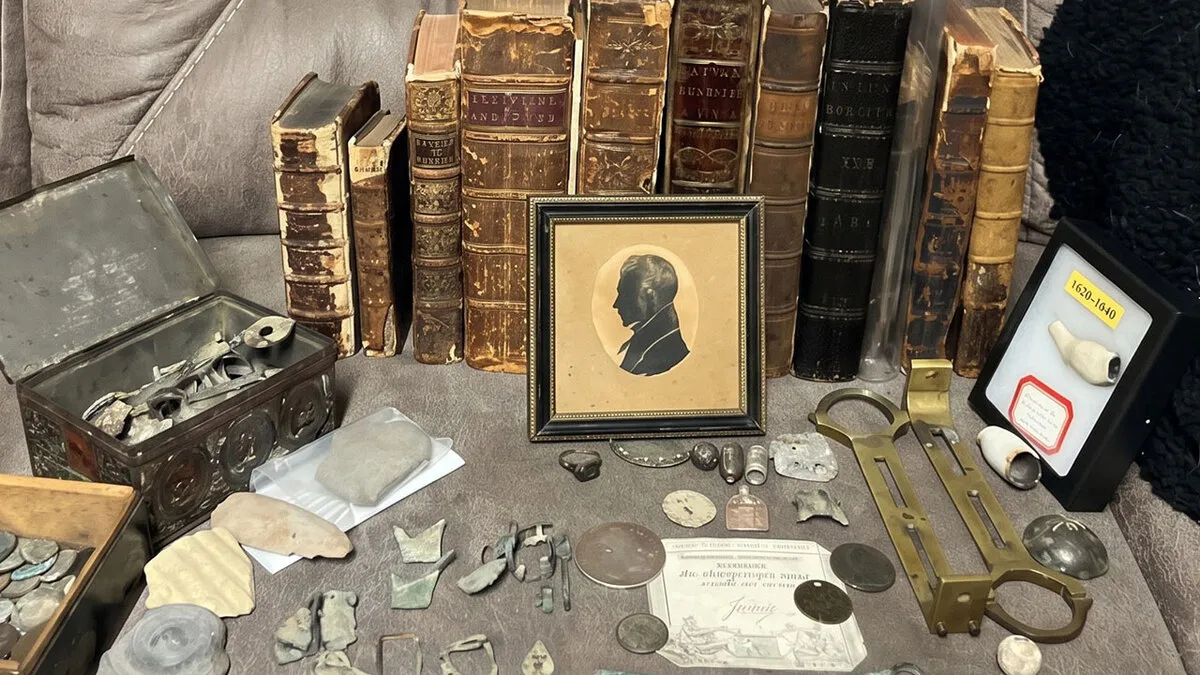
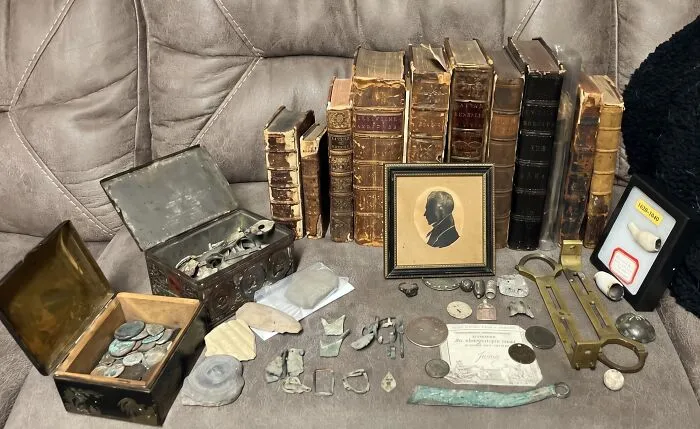
#6 Everything In This Photo (Except For The Couch And Boxes) Was Made In 1799 Or Before. United States
Beyond history, much of the appeal comes from a simple desire to own something genuinely rare. In a world full of mass-produced, identical fast-fashion trends, old items offer a breath of fresh air.
This craving for originality has sparked a massive generational shift. Younger buyers are leading a massive boom in the secondhand market. Recent market data shows that over 60% of Gen Z and Millennial shoppers actively buy pre-owned clothing, homeware, and furniture.
In fact, nearly a third of young adults visit thrift shops or online resale platforms weekly, using unique finds to bring real character and personality into their homes.
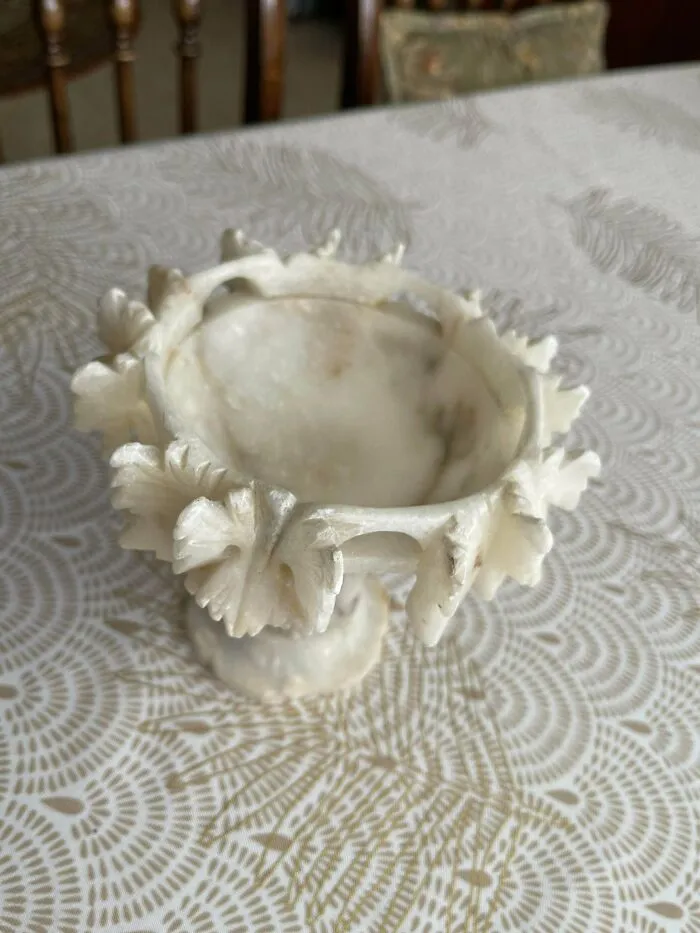
#7 Paid Only €3 At A Flea Market Today For This Hand-Carved Alabaster Piece, Just Found Out It’s A Mid-19th Century Italian Tazza Portugal
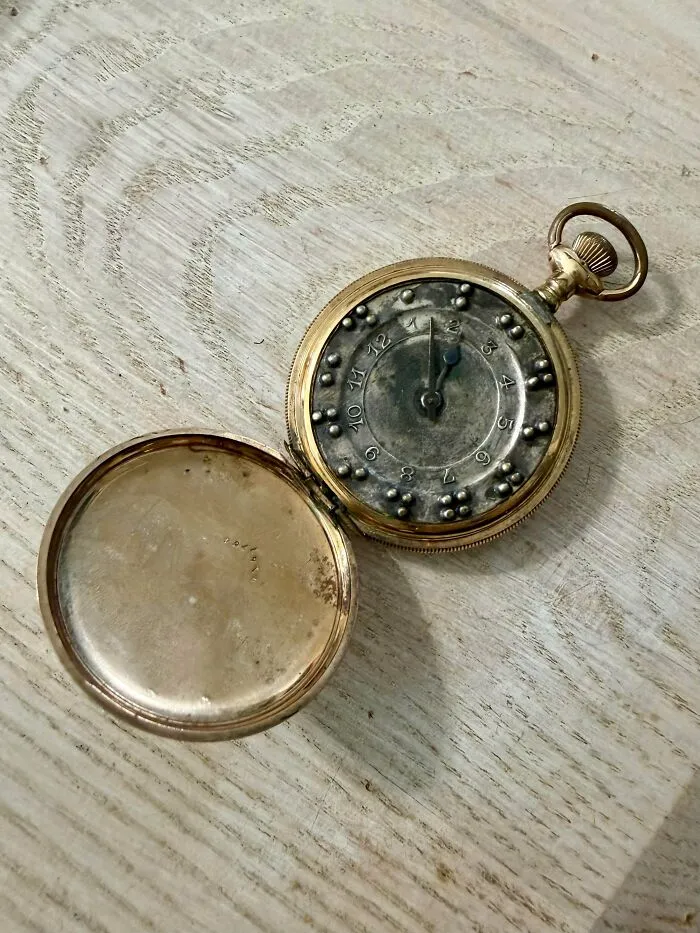
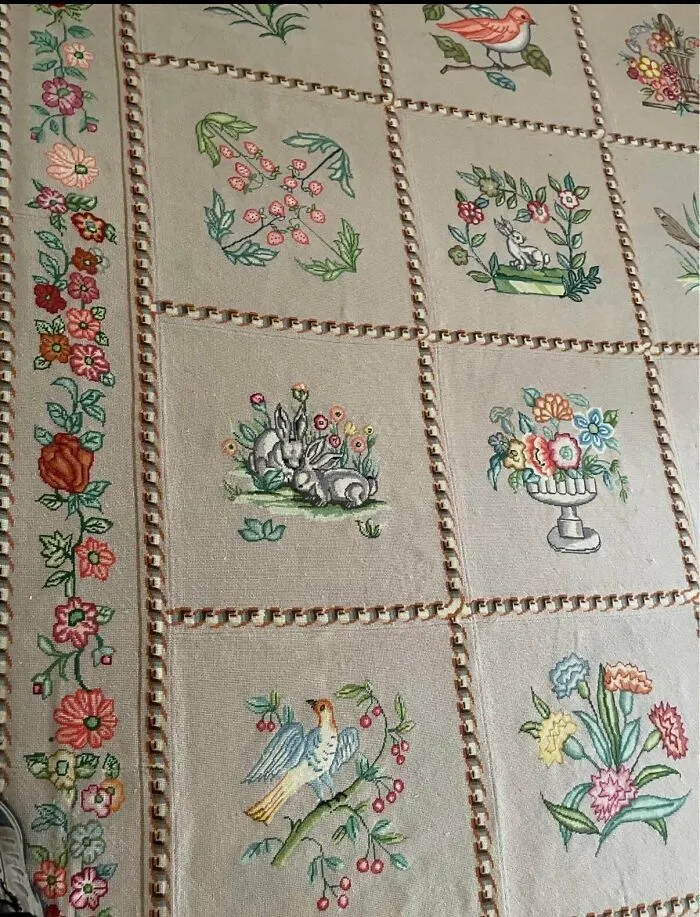
#9 Would Love To Know More About My Mysterious, Funny, Giant Antique Needlepoint Rug - CT, USA
With the recent surge in interest in vintage items, researchers at Harvard Business School tried to figure out why people are attracted to them in the first place.
Assistant Professor Maren Hoff and his team found that vintage items help connect consumers directly to history, making people feel more authentic, environmentally responsible, and unique.
“These products are highly symbolic and are even a lifestyle choice for many consumers. They value things like sustainability, authenticity, having something that is scarce and unique to them. It feels special wearing something where you feel like, ‘Only I have that,’” says Hoff.
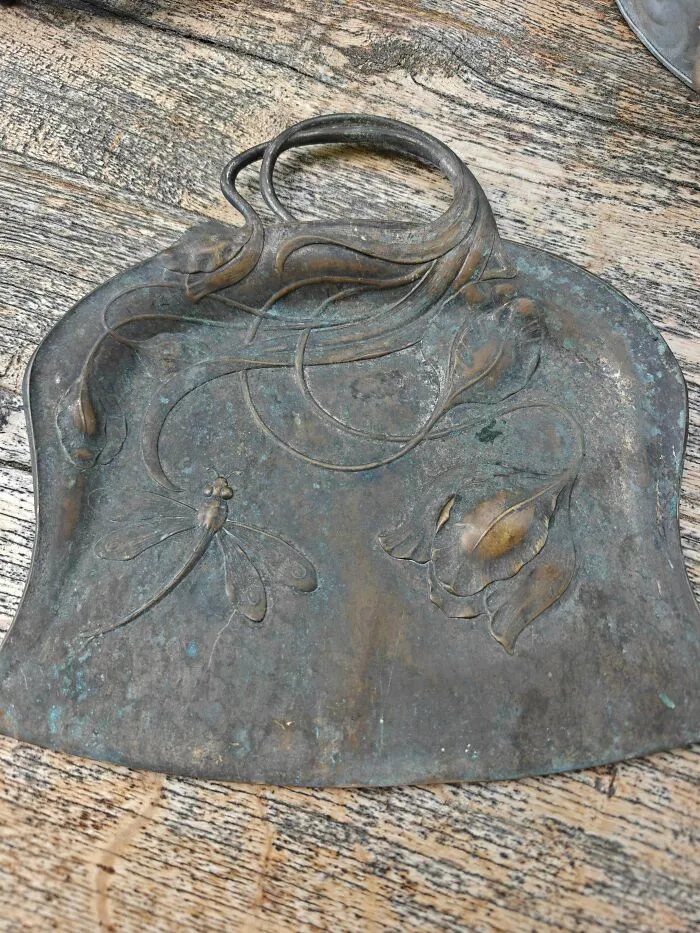
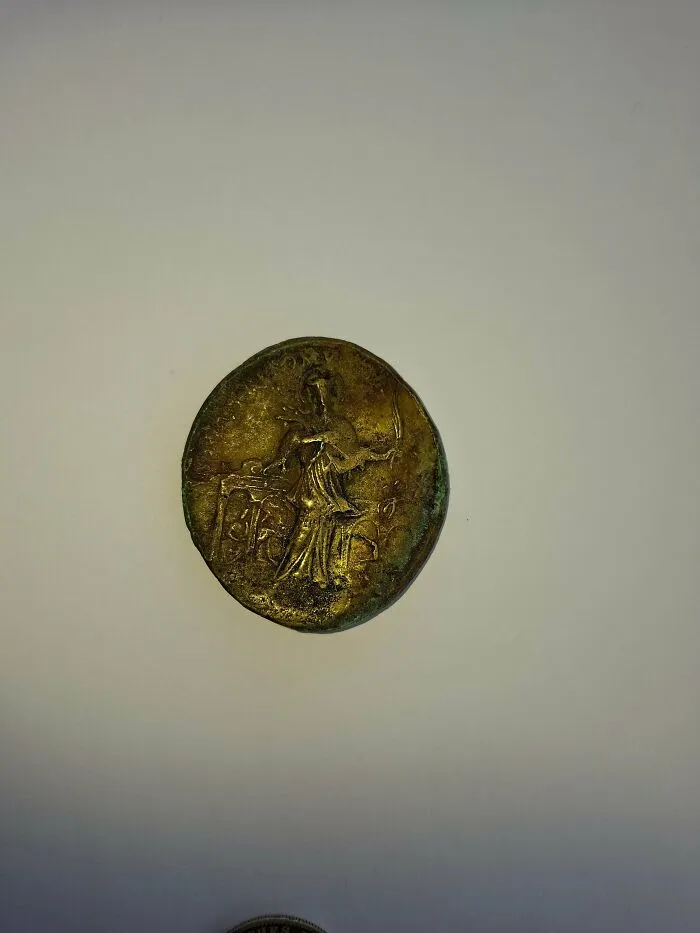
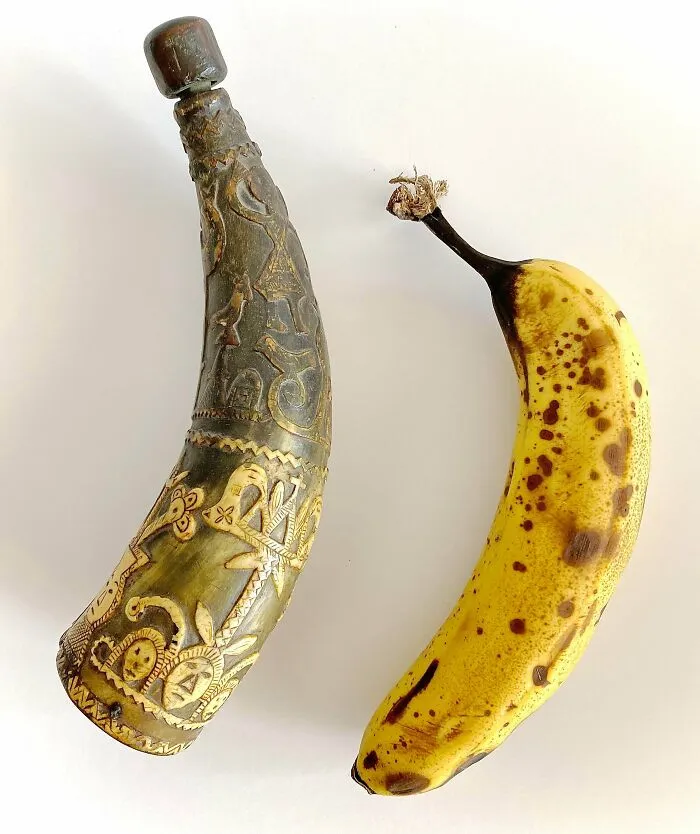
Young shoppers are also willing to spend good money on the right piece. A recent survey found that the average Gen Z adult will drop around £244 on an antique find. But for 60% of them, h**h prices are still the main reason they can’t buy antique items as often as they’d like.
For about a third of young adults, the purchase is mostly about unique style. Another 20% love the quality and craftsmanship of older goods you can’t buy in big-box stores today.
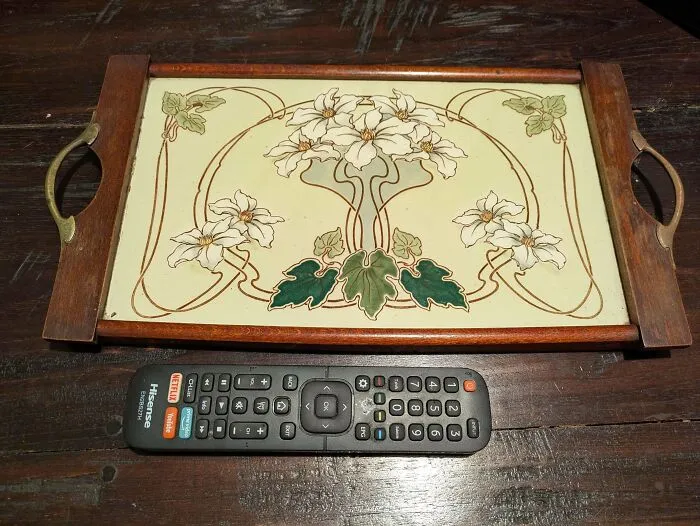
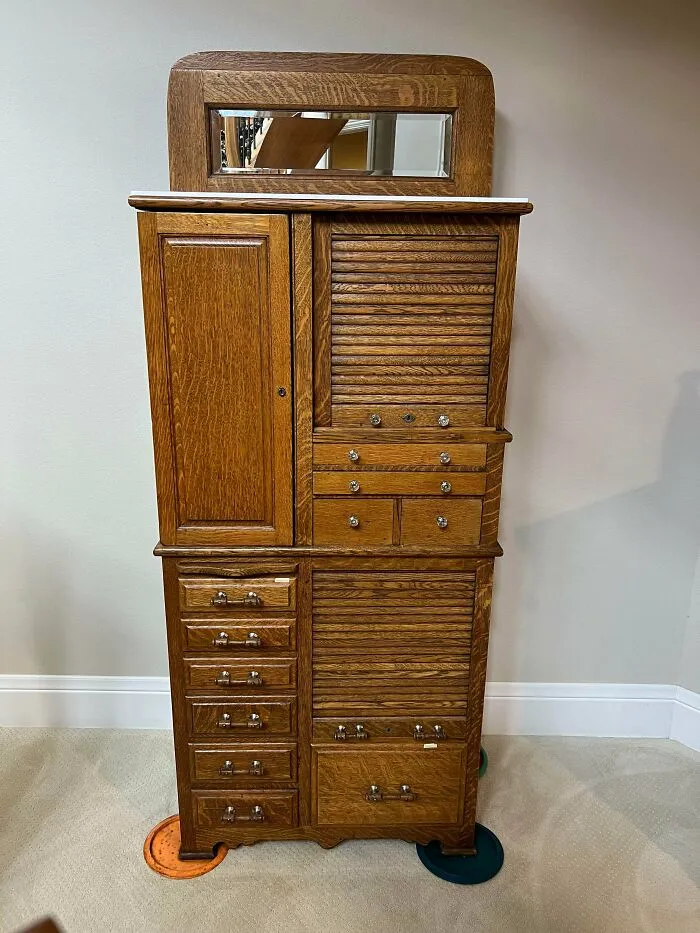
#14 Denver USA Early 1900s Dental Cabinet: Help Identifying And Learning More About It
To hunt down these gems, younger generations are trying all sorts of places. Many head to local antique shops, while a quarter prefer hunting through car boot sales. A brave 10% even attend live auctions to bid on items in person
Interestingly, watching these exciting live bidding wars sparked interest in nearly 30% of young collectors. Another third fell in love with vintage items through TV shows.
Ultimately, people view their love for antiques in different ways. While 39% treat hunting for vintage treasures purely as a fun hobby, 40% see it as a smart long-term investment.
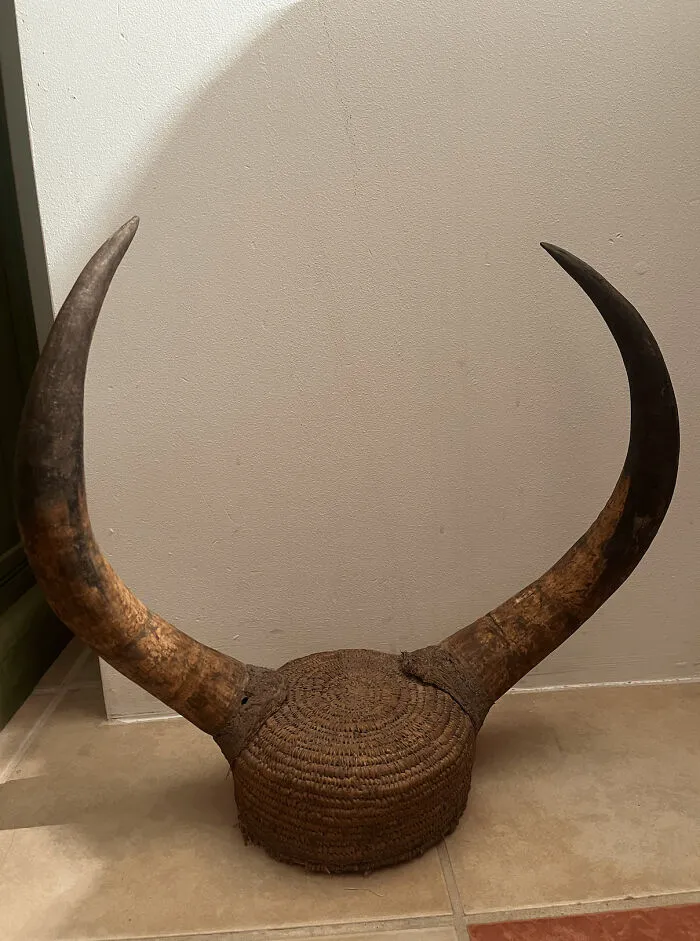
#16 Trying To Identify The Origin Of This Horned Woven Headdress (Purchased In United States, Item Not From United States)

Antique finds hold massive market value for one practical reason: scarcity. Many vintage pieces were crafted from raw materials, old-growth woods, and hand-finishing techniques that modern manufacturing simply doesn’t use.
For instance, finding solid old-growth mahogany, dense teak, or hand-carved walnut furniture is virtually impossible in today’s mass-market stores.
Because value isn’t always obvious under a layer of dust or an outdated coat of paint, valuable artifacts slip through the cracks every single day. People cleaning out family estates or moving house often assume that if an item looks old or unfamiliar, it’s just unwanted clutter. As a result, museum-worthy artifacts, rare mid-century decor, and h**h-end designer pieces end up donated straight to local thrift shops or Goodwill bins.