



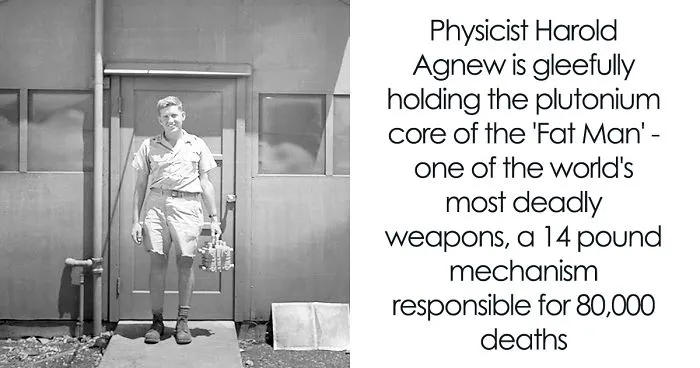

Photography is a form of art that can freeze the emotions of the moment in time. The development of the art has influenced the world in remarkable ways and it provided people with power to define the eras they live in. Bored Panda once did a list on 100 most influential photos of all time, which includes the iconic capture of the protesting burning monk, or a distressing shot of a student kneeling next to her dead friend during the Kent State shootings. Shots like these have defined the way we are as human beings and helped to look at ourselves from a different perspective: where are we going as a society? Why do we allow atrocities to happen? However, to really feel the influence and true impact of the photograph, one should know the context behind it. Here, we have compiled a list of thirty, seemingly mundane and not-that-spectacular-visually photographs with remarkable, unforgettable, strange and sad backstories.
#21 Class Of 1999
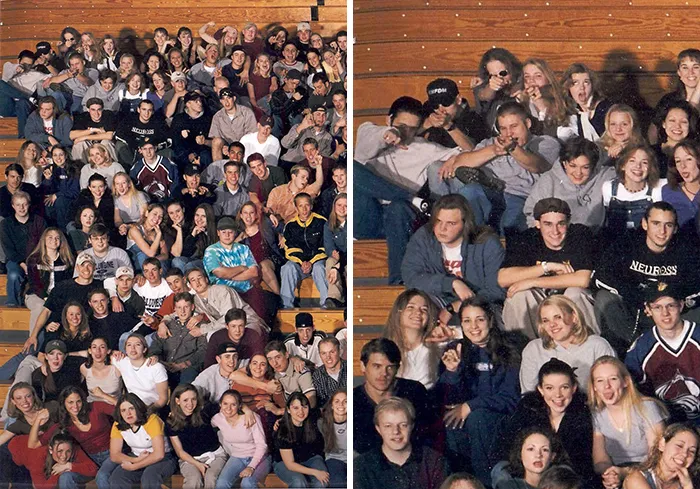
At a first glance, it looks like any other high school picture – a bunch of teenagers smiling and showing silly faces. However, you can see Eric Harris, Dylan Klebold and their friends in the far left corner pointing pretend guns at the camera. Just a few weeks later after the photo was taken, Eric and Dylan would shoot 12 students and 1 teacher dead in a meticulously organised school shooting in Columbine.
179points
#22 Young Osama
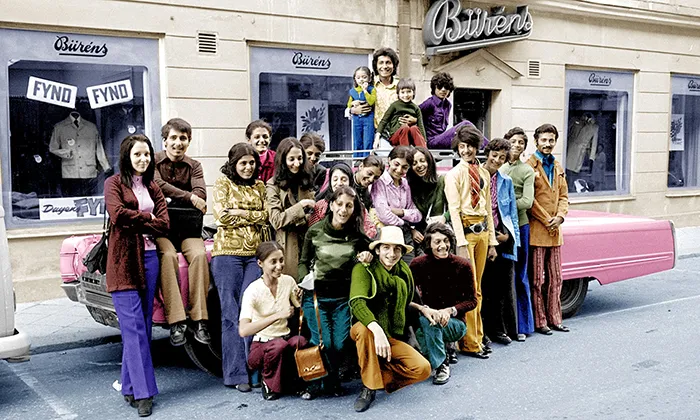
This is a photograph of a nice and large family vacationing in Sweden, in 1971. However, second from the left, in a brown shirt, you can see a 14-year-old boy named Osama. Some years later, the name Osama bin Laden is going to be associated with terror and a murderous pan-Islamic militant organization Al-Qaeda.
178points
#23 'Leap Into Freedom'
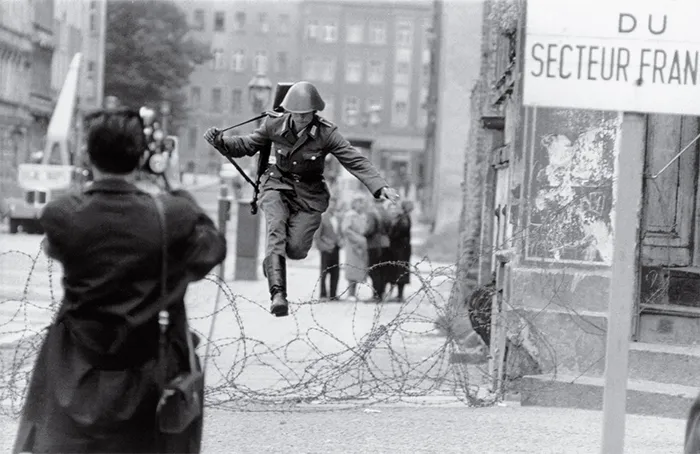
Following World War II, the city of Berlin was carved into four occupation zones. The life conditions on each part were not equal and during the period from 1949 to 1961, around 2.5 million people from East Germany had fled the Soviet section of Berlin. The Soviets were concerned and the East German leader Walter Ulbricht, in order to stop the flow, had barbed-wire-and-cinder-block barriers thrown up in early August 1961. In the photo, the primary subject is 19-year-old border guard Hans Conrad Schumann, crossing the barrier. The West Berlin crowd were enticing Hans to come on over and he himself has then said, that he does not want to “live enclosed,” and suddenly jumped the barbed wire. The photo quickly made its way to the press and the iconic image of Hans leaping over the barrier became a symbol of freedom. The young soldier went on to live quietly in the West, however, Hans himself did not deal well with the newly-found fame and his status of an icon and, sadly, committed suicide in 1998.
Report
177points
#24 SS Grandcamp
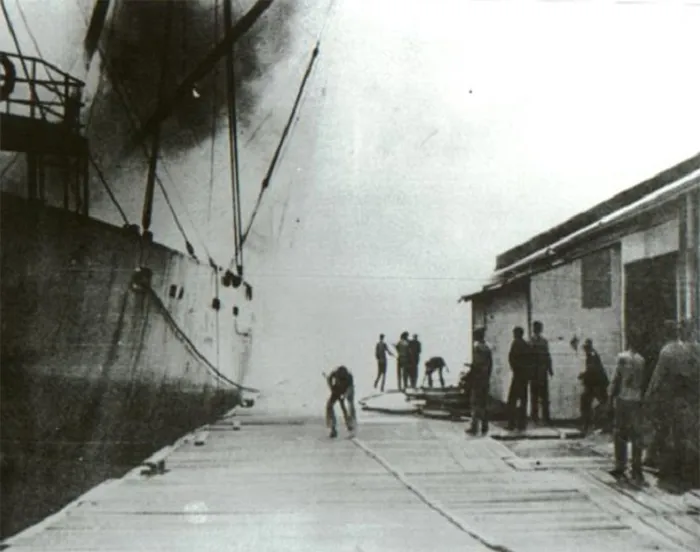
Looks like an ordinary ship at an ordinary dock on an ordinary day. However, the moment captured is April 16, 1947 and the ship is called SS Grandcamp. A fire has broke out and the men on the dock are members of the Texas City Volunteer Fire Department, attempting to extinguish it. A few minutes after this photo was taken, it’s going to detonate in one of the largest non-nuclear explosions in human history. 468 people had died, more than 5,000 were injured.
176points
#25 “I Will Not Be Sued! I Have The Voice Of An Angel! No Man Can Sue Me.”
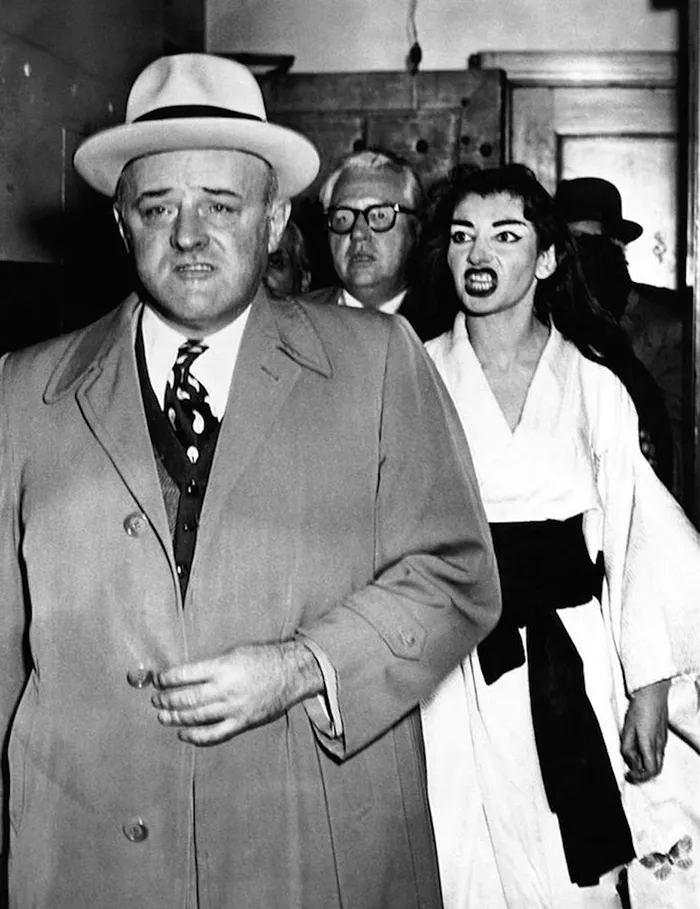
On November 17, 1955, Maria Callas gave a triumphant performance in Chicago’s Civic Opera House. However, the real drama began after the opera was over. U.S. Marshal Stanley Pringle and Deputy Sheriff Dan Smith burst into Callas’s dressing room and served her with court summons for a breach of contract. Maria was furious: “I will not be sued! I have the voice of an angel! No man can sue me,” she yelled. The photograph perfectly conveys the intensity of the moment at the time and after the image made its way to the press, Maria Callas was dubbed "The Tigress". After the incident, the great diva of the Opera vowed to never return to the Windy City again.
175points
#26 Soviet Soldiers Harassing A German Woman
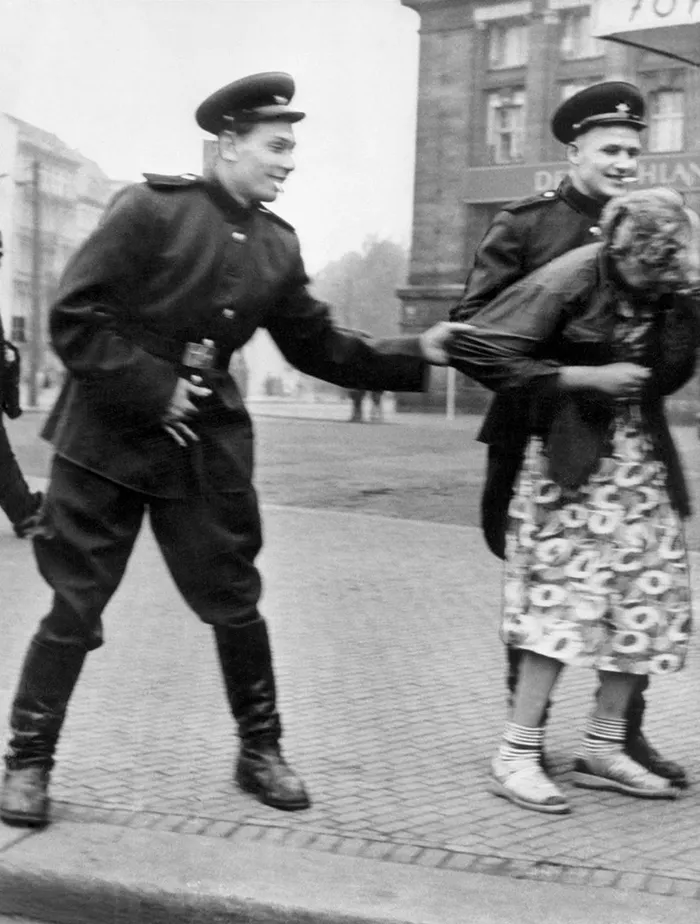
Although the photograph speaks for itself, context is still necessary in order to understand all the circumstances surrounding it and the gravity of it. In the image captured, a woman is seen to be openly harassed by two Soviet soldiers, near the West Hall section of the Leipzig Hauptbahnhof central railway terminus. Sadly, it was not an isolated incident - the mass rapes took place in the occupied German territory during and after the war. The act of rape, as per historians, is oftentimes used to emphasize the victory. While most historians agree that such vile acts were commited not only by the Soviets, it was estimated that a staggering amount of 2 million German women suffered from the hands of communists, some as many as 60 to 70 times.
167points
#27 An Injured Young Mill Worker
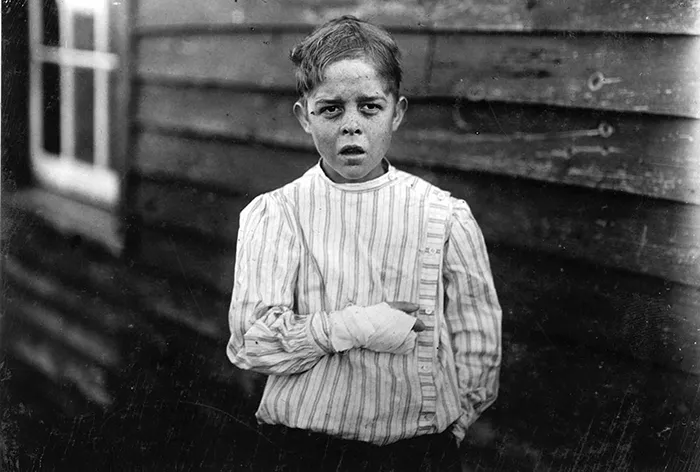
The image captured on October, 1912, shows Giles Edmund Newsom who was injured while working in Sanders Spinning Mill in Bessemer City, North Carolina earlier that year. A piece of machinery fell on his foot and smashed his toe, which caused him to fall onto a spinning machine which crushed and tore out two of his fingers. He was 11-years-old at the time. Both Giles and his younger brother worked in the mill several months before the accident. After the boys' father found out that the company was to pay out money for Giles and not the parents, he tried to compromise, while their mother blamed the boys that they got their jobs on their own. The aunt is documented to have said: “Now he’s jes got to where he could be of some help to his ma, an’ then this happens and he can’t never work no more like he oughter.”
151points
#28 Rodney Alcala
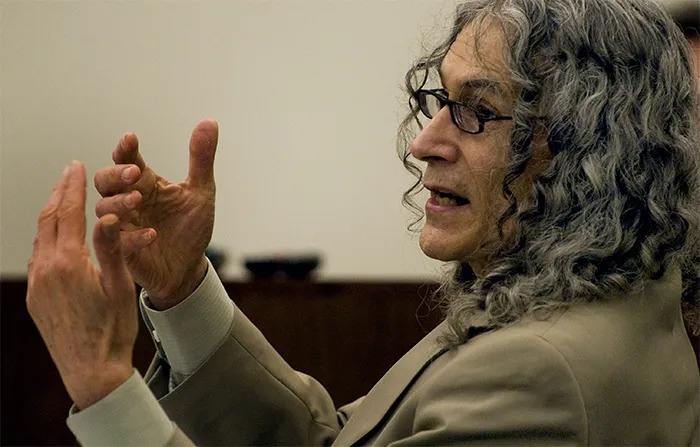
A photograph of Rodney Alcala in court cross examining himself. The man was a serial killer known as the 'dating game killer' who killed women back in the 1970’s. He got the name as he was a guest on one dating game show. He represented himself back in 2010. He would cross examine himself and would change his voice in the process as if it’s a different person. He was sentenced to death.
140points
#29 Argument
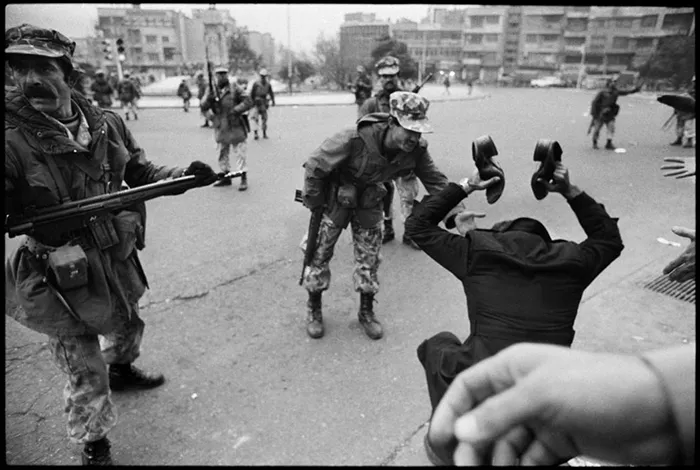
Photographed by Abbas - a French-Iranian photographer - in Tehran, Iran, 1978, the heart-wrenching image shows a rioter holding the shoes of a dead friend. His comrade was shot after the military opened fire on a crowd. The soldier argues with a man that it was not his unit which opened fire. The capture is from Abbas' book 'Iran Diary: 1971– 2002'.
137points
#30 "The Last Laugh?"
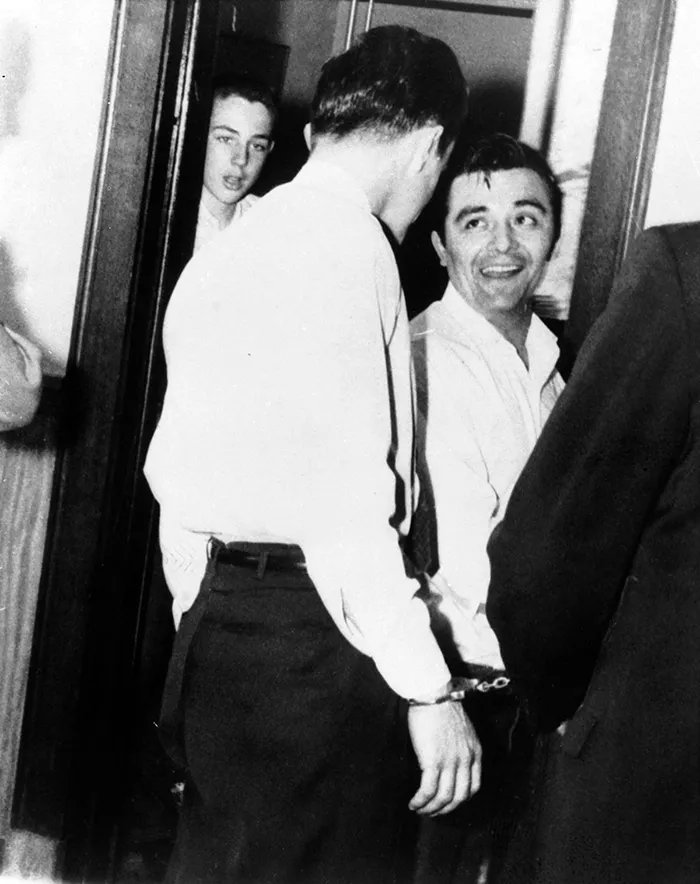
The photo is of Richard Hickock and Perry Smith, two murderers, after hearing that they've been sentenced to death. The two killers murdered a family of four, including two children, after planning to rob them, but failing to find anything worth stealing except for mere $50. The seemingly casual and unconcerned smile on Perry's face brings an eerie atmosphere into the photograph, which, without the context, looks rather mundane.
132points