




Here at Bored Panda, we have no shortage of wholesome content. It could be through memes, snapshots of random, humorous moments from daily life, or adorable pet photos to snap you out of a funk.
For today, we’re bringing you more images of animals being their cute, lovable selves. We collected these photos from the Loving Animals Instagram page, an online community of 3 million followers and counting. As for why they amassed this vast audience, you will see as you scroll through.
Enjoy the good vibes for today, and don’t forget to upvote your favorites!
#61
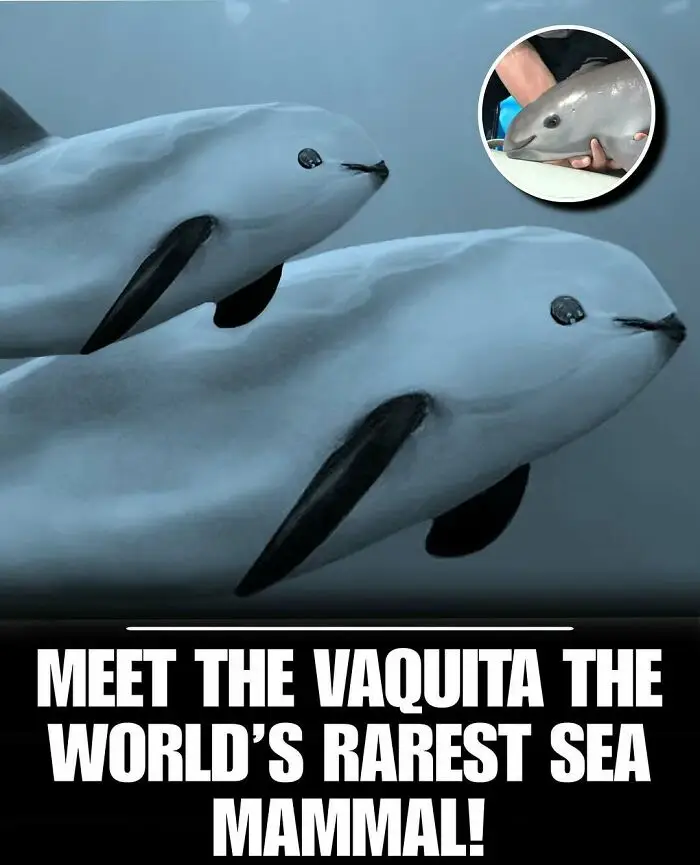
Sometimes called the panda of the sea, the vaquita is a tiny porpoise that lives only in the northern Gulf of California, Mexico. Adults measure around 1.5 meters smaller than most dolphins, and have dark eyes and lips that give them that “panda-like” look. 🌊 There are now fewer than ten left in the wild. Their greatest threat comes from illegal fishing nets set to catch a fish called totoaba, whose bladder is sold on the black market. When vaquitas get trapped in these nets, they cannot reach the surface to breathe! 💔 Scientists still detect a few individuals using underwater microphones, which proves that life continues, fragile, but still present. Protecting this small population is now one of the ocean’s most urgent missions!
Report
34points
#62
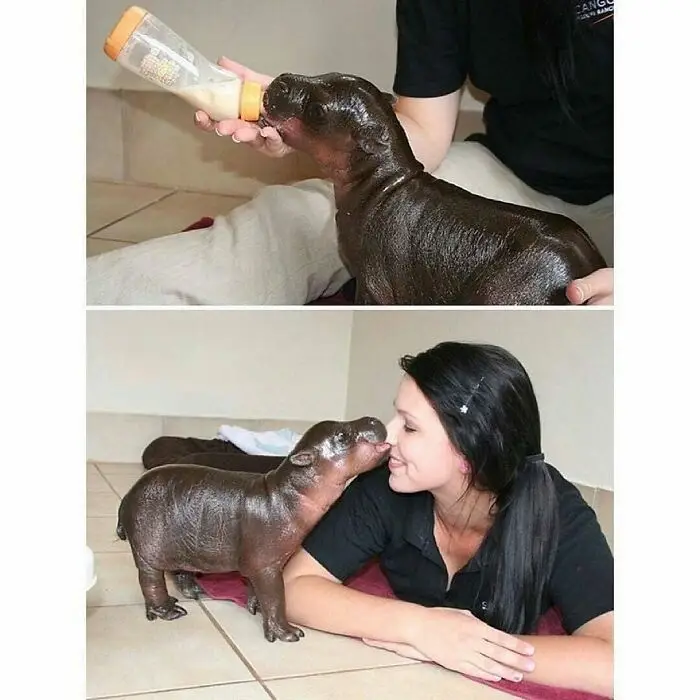
These baby Hippos will make everything better 😍 Via @cincinnatizoo
Report
34points
#64
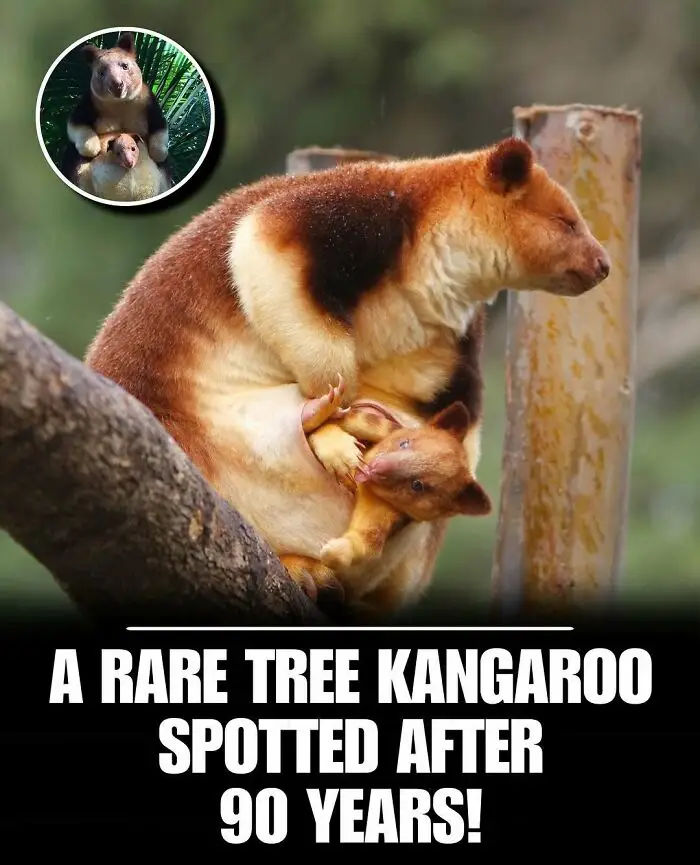
Wondiwoi tree kangaroo is one of the rarest and most secretive animals in the world. First described in 1928, it wasn’t seen again for almost 90 years ⏳, leading many to believe it had gone extinct! 🦘 In 2018, a living one was finally photographed 📸 deep in the forests of Papua, Indonesia. Today, fewer than 50 adults are thought to survive, making it critically endangered ⚠️ Its rediscovery is a symbol of hope and a reminder of how important it is to protect the fragile forests of New Guinea
Report
34points
#65
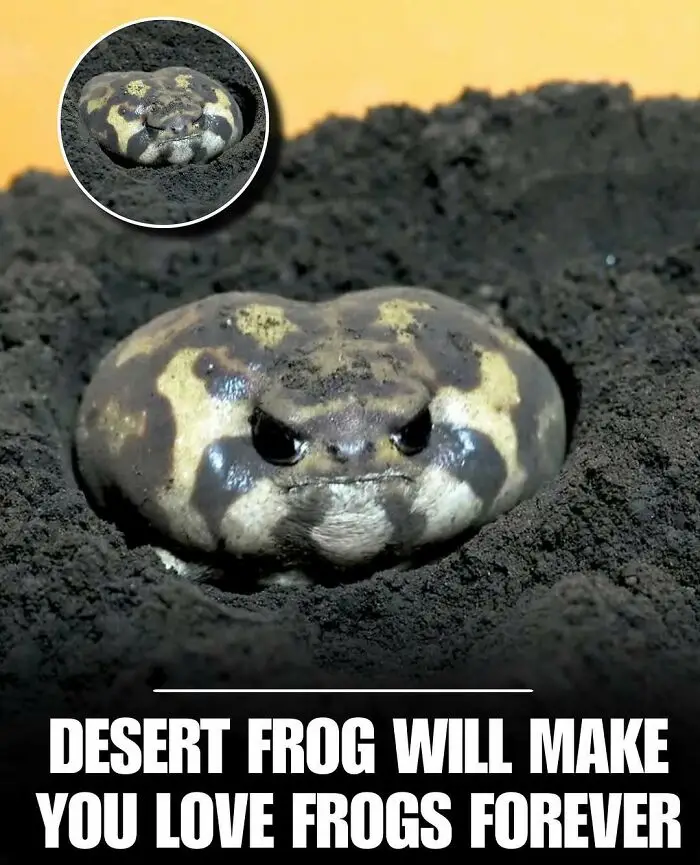
You might think frogs are all slimy and jumpy… until you meet the Desert Rain Frog. This tiny ball of grump lives in the sandy dunes of Namibia and South Africa, spending most of its time buried in the ground like it’s hiding from responsibilities. 😤 Despite its angry face, this frog is harmless and its squeaky “scream” might just be the cutest sound you’ll hear today. And let’s be honest… it looks like a potato with legs. 🥔🐸 Rarely seen and often underestimated, the Desert Rain Frog proves that nature has a great sense of humor and that not all frogs are the same.
📸 Credit: @pampermoony
📸 Credit: @pampermoony
Report
33points
#67
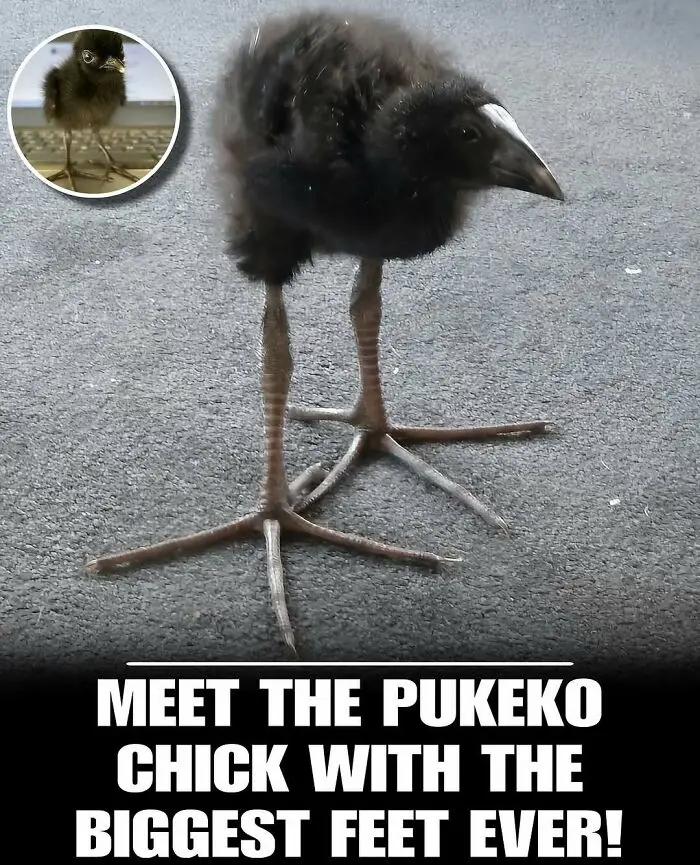
Baby pūkeko don’t just walk, they perform a little balancing act! 🐥 With fluffy black down and feet comically oversized for their bodies, they almost look animated. But those giant toes aren’t just for show, they’re the perfect survival tool! 👣 In New Zealand’s wetlands, the ground is tricky: mud, reeds, and floating vegetation everywhere. Instead of sinking, pūkeko chicks spread their weight with those long toes, allowing them to step lightly across unstable ground, almost like tiny swamp dancers! 🌱 Unlike ducks, they don’t rely on webbing. Their toes are long and slender, built to grasp reeds, roots, and even slippery surfaces. Whether they’re tiptoeing through the shallows or climbing over plants, they handle their swampy world with ease. 🌊 And when it comes to character? They’re confident and sociable. Growing up in groups, pūkeko share the work of raising chicks and show little fear of people, small birds with big attitudes!
Report
32points
#68
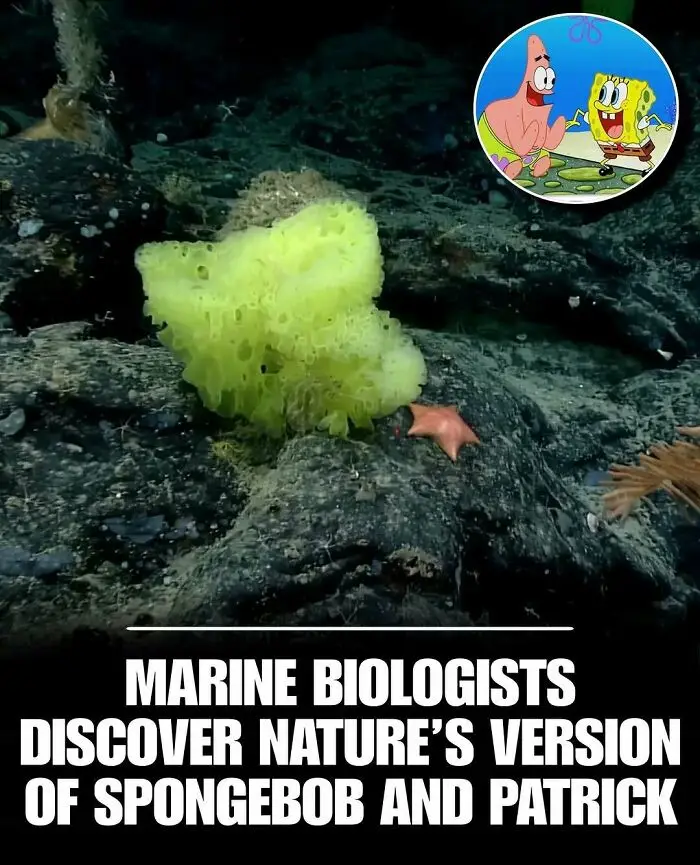
Scientists exploring the Atlantic seafloor uncovered a striking duo a bright yellow deep-sea sponge and its companion, a vibrant pink starfish, side by side more than a mile beneath the waves 🌊 Using remotely operated vehicles (ROVs), the team found these striking creatures at Retrieval Seamount, ~1,885 m deep, east of New England. The sponge, from the genus Hertwigia, stood out with its unusual bright yellow hue rare in deep-sea habitats typically dominated by whites and oranges. The starfish belongs to the genus Chondraster, sporting five arms with sucker-covered tube feet, a carnivorous hunter of sponges and other marine invertebrates. While the image instantly drew fun comparisons to SpongeBob and Patrick, in reality this tiny starfish could well have been preparing for a meal rather than a friendship 🧽🐚 Captured by scientists aboard NOAA’s Okeanos Explorer, this captivating snapshot offers a glimpse into life in the deep ocean and two sea creatures that look like they’ve swum straight out of a cartoon world
Report
31points
#69
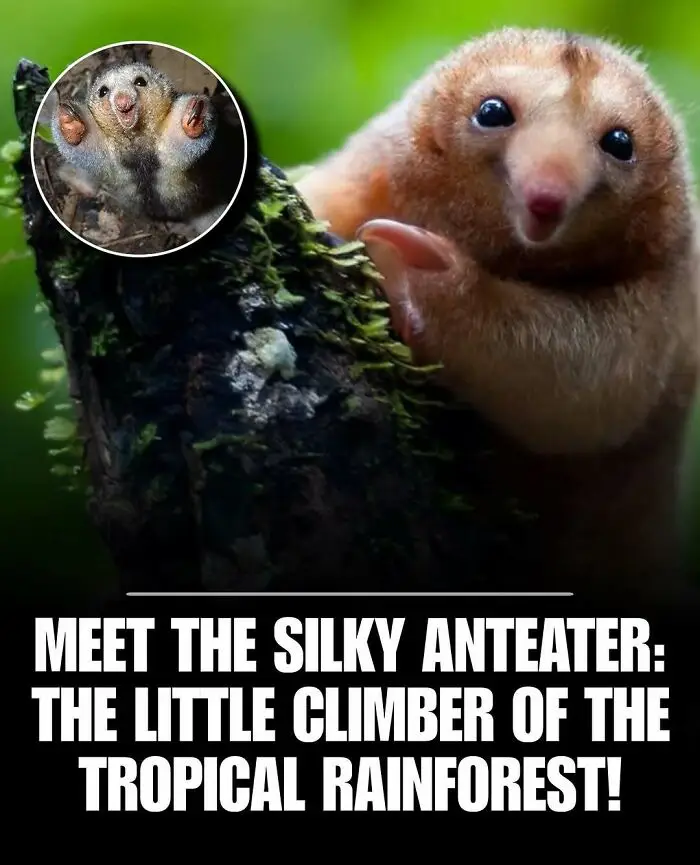
The silky anteater is one of the smallest and most elusive species of anteaters in the world. Native to the tropical forests of Central and South America, this tiny climber is nocturnal and spends most of its life in the treetops, using its prehensile tail for balance. 🌿 Though it measures only about 35 cm in length, it’s a skilled hunter of ants and termites, capturing them with its long, sticky tongue. Its soft, golden fur blends seamlessly with the foliage, making it a true camouflage expert. 🐜 📸 Credit: Raby Nuñez
Report
31points
#70
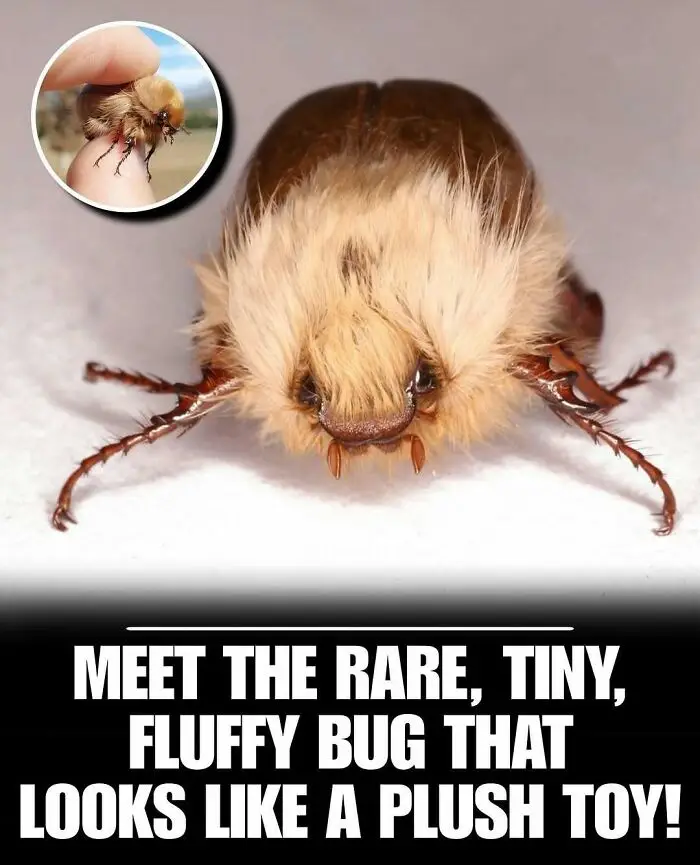
Native to Africa, the woolly chafer is a small beetle that looks surprisingly like a tiny ball of cotton rather than an insect. Its body is coated in fine, hair-like scales, giving it a soft and fuzzy texture. Unlike the typical shiny shells of most beetles, this unusual covering may serve as camouflage while also helping to control its body temperature in the wild. Despite its fluffy appearance, it’s far from fragile. The woolly chafer spends much of its life underground, feeding on plant roots and developing out of sight. From a hidden larva to its fuzzy adult stage, its transformation is remarkable. Rarely spotted, finding one in its natural habitat feels like uncovering a secret wonder of nature.
Report
31points
#72
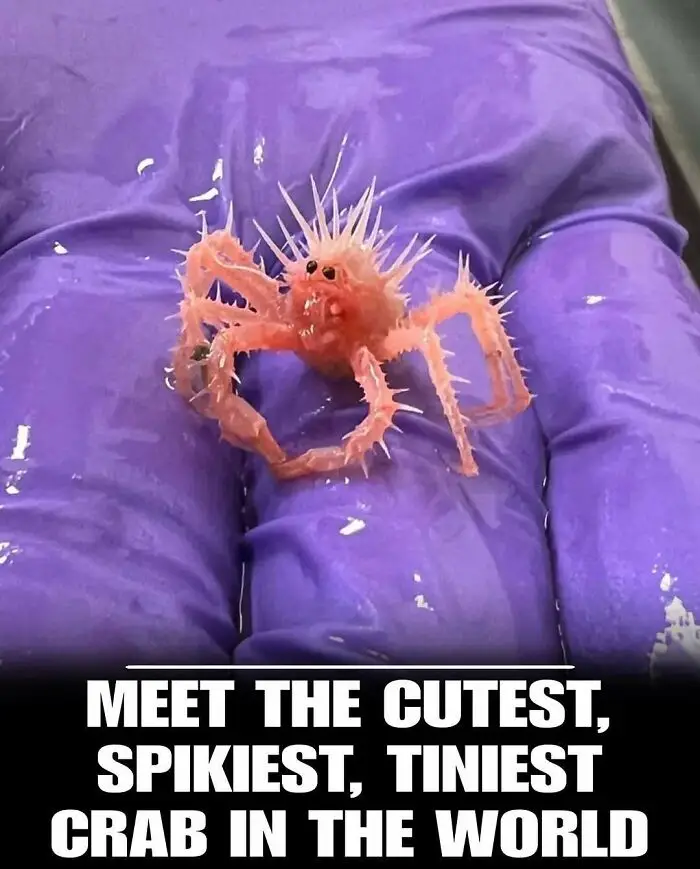
Say hello to one of the ocean’s tiniest treasures, a baby pink king crab! 🦀✨ Found in the Gulf of Mexico during a NOAA expedition, this miniature crab amazed researchers with its bright pink color and spiky little body. Even though it’s no bigger than a fingertip, this crab plays a crucial part in the marine ecosystem 🌊🌍. Every species, no matter the size, contributes to the balance of life under the sea. This adorable discovery quickly caught attention online, proving once again that the ocean is full of wonders waiting to be revealed 💖. 📸 Credit: Sasha Francis / NOAA / dpa
Report
29points
#75
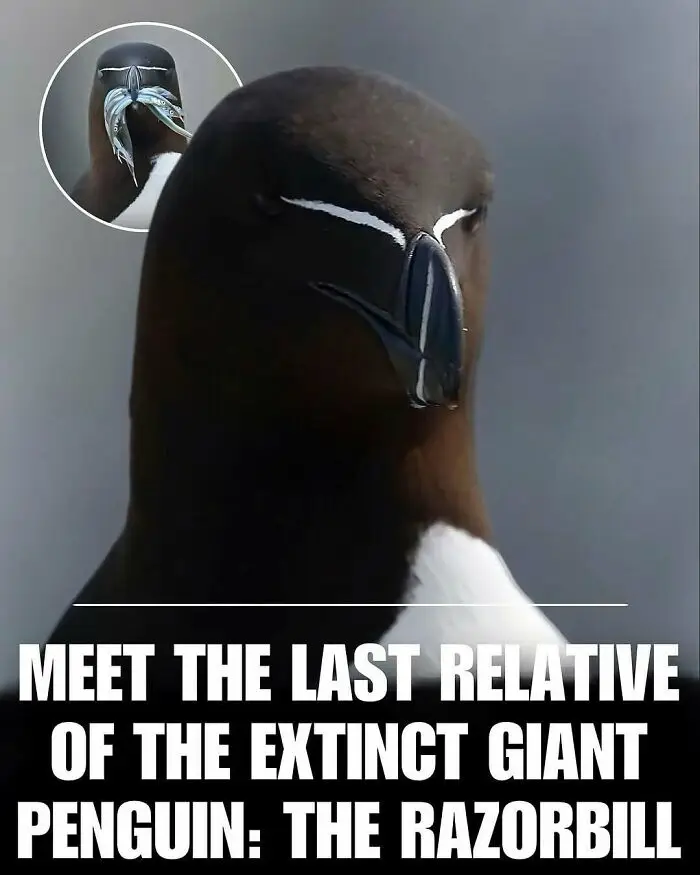
At first glance, the razorbill looks a lot like a penguin, but it’s actually the closest living relative of the great auk a large seabird that disappeared nearly two centuries ago. 🐧 These striking black-and-white birds live across the North Atlantic. While they can sometimes be seen as far north as Svalbard, they are more commonly found along rocky coasts in places like Norway and Scotland. 🌊 Today, razorbills face serious threats from overfishing and pollution, the same dangers that once drove the great auk to extinction. Protecting them is crucial if we don’t want history to repeat itself.
Report
27points
#76
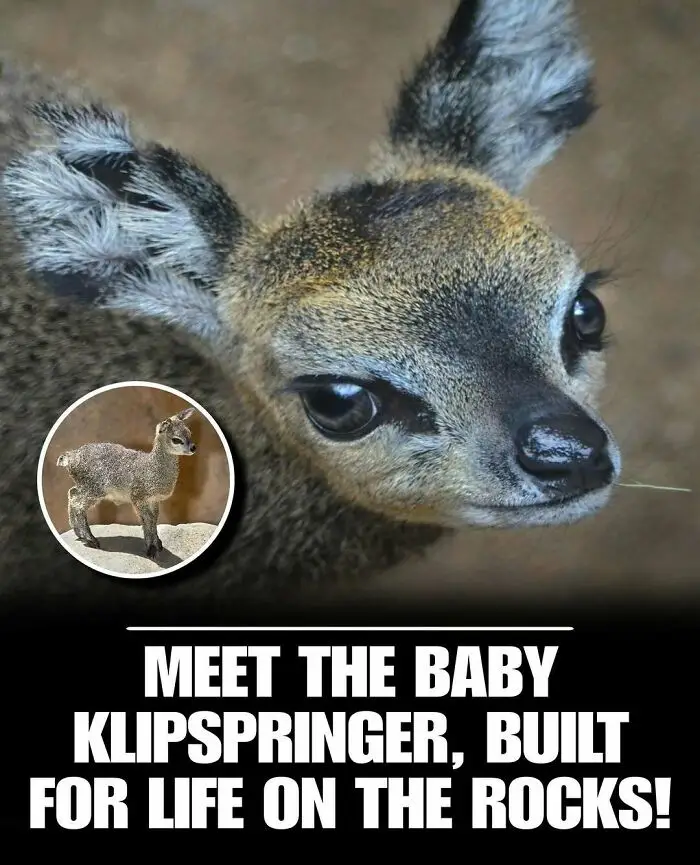
Born among rocks and cliffs, this baby klipspringer is already learning what balance really means 🪨🐐 From its very first days, every movement matters. Its small, compact body and dense coat are perfectly adapted to life on steep terrain, where agility is not a skill it’s a necessity. What makes klipspringers so unique is their hooves. They walk on the tips, almost like dancers, gripping the rock with incredible precision. Even at a young age, this instinct is already there, quietly developing with every step! 🐾 In these rocky landscapes, staying hidden is part of survival. The mother keeps her baby close, choosing safe crevices and teaching it how to move, pause, and observe. A quiet start to life, built on instinct, patience, and trust! 💪 Small, alert, and already remarkably adapted, this baby klipspringer is a reminder that nature designs each species exactly for the world it must face 🌍
Report
26points
#77
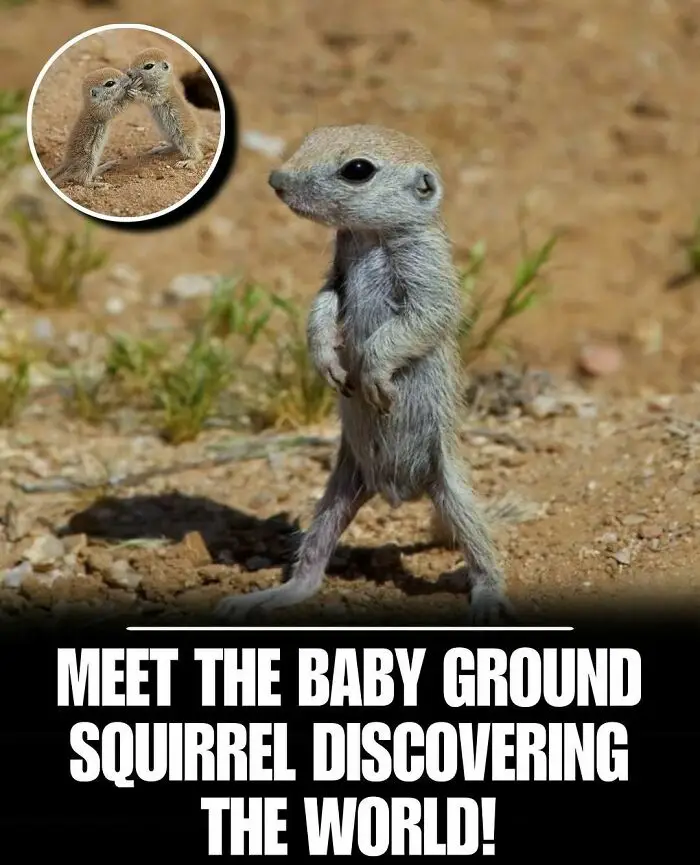
Each of these young ground squirrels has its own way of discovering the world. Some stand tall, others stay low to the ground, but all of them are already learning the first instincts of life in the desert. 👀 From their tiny paws to their bright eyes, every detail shows how quickly they grow. Even at just a few weeks old, they explore their surroundings with curiosity and a surprising sense of awareness! 🏜️ Their early days are full of small moments like these moments that shape how they move, how they stay safe, and how they interact with their future groups. Each one already carries a little piece of the desert’s energy.
Report
26points
#78
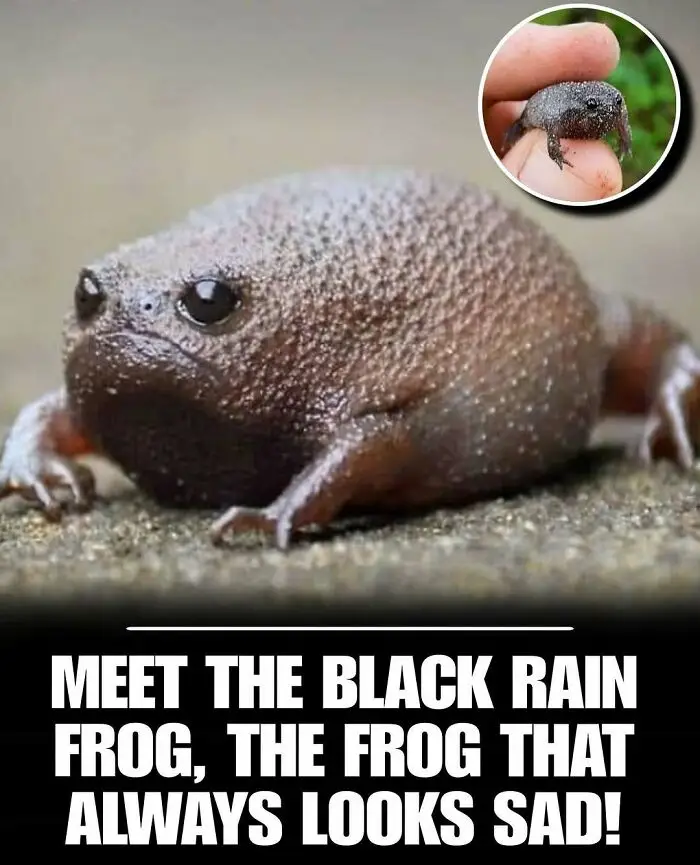
The black rain frog (Breviceps fuscus) is a small amphibian native to South Africa. 🇿🇦 It has a round body, short legs, and a sponge-like appearance that makes it instantly recognizable. Its expression often described as “grumpy” gives it a unique and charming look! 🐸😟 Unlike other frogs, it doesn’t hide underwater to protect itself from predators. Instead, it burrows into the dry, sandy ground to stay safe in its natural habitat.
Report
24points
#80
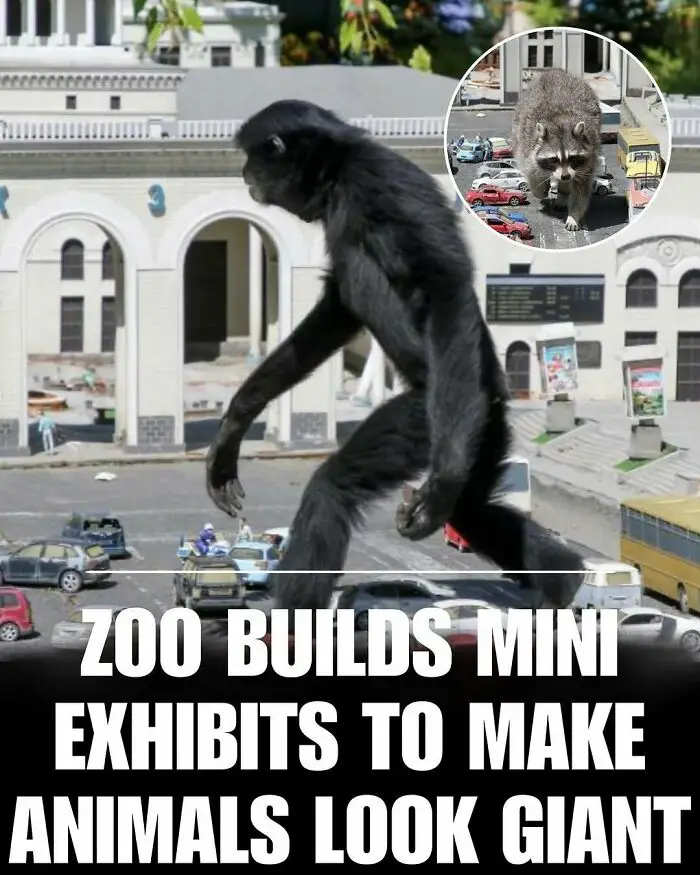
In Bakhchisaray, Crimea, a zoo has added a fun twist by pairing animals with miniature models of iconic buildings. The effect? Even a simple goat suddenly looks like a giant next to a tiny palace. This unique exhibit is part of the “Crimea in Miniature on the Palm” park, blending elements of a museum and a zoo. Visitors get to enjoy scaled-down landmarks alongside animals that, thanks to the clever setup, appear larger than life!
Report
22points