




Here at Bored Panda, we have no shortage of wholesome content. It could be through memes, snapshots of random, humorous moments from daily life, or adorable pet photos to snap you out of a funk.
For today, we’re bringing you more images of animals being their cute, lovable selves. We collected these photos from the Loving Animals Instagram page, an online community of 3 million followers and counting. As for why they amassed this vast audience, you will see as you scroll through.
Enjoy the good vibes for today, and don’t forget to upvote your favorites!
#21
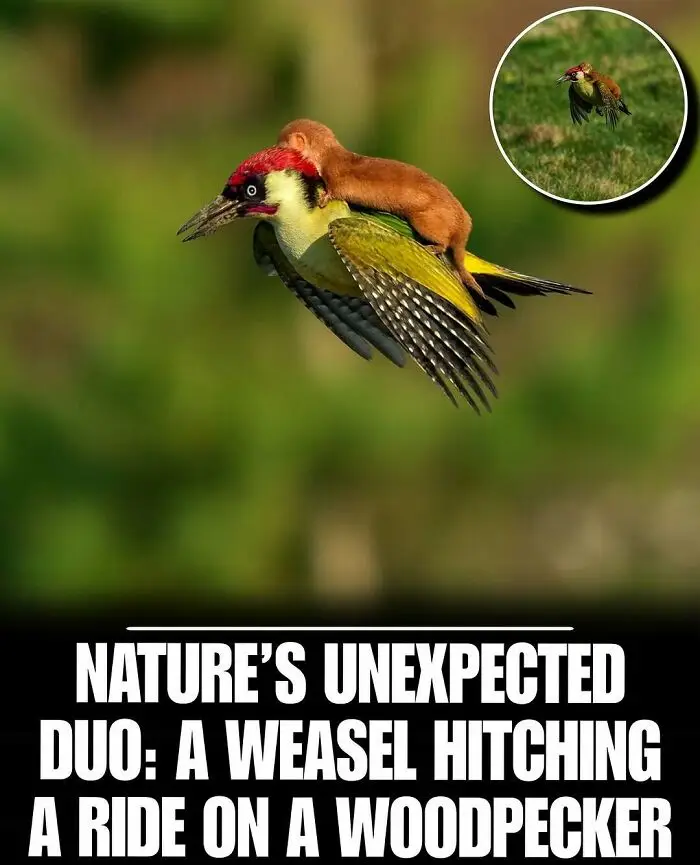
An unbelievable moment captured in the wild! 🤯 This stunning photo shows a green woodpecker carrying a weasel on its back a rare and dramatic scene that seems straight out of a fantasy movie! But what’s really happening here? This isn’t a playful ride, the weasel was actually attempting to prey on the bird. Luckily for the woodpecker, it managed to escape once it landed safely on the ground. Nature never ceases to amaze us. 🌍 📸 Via Martin Le May
Report
64points
#22
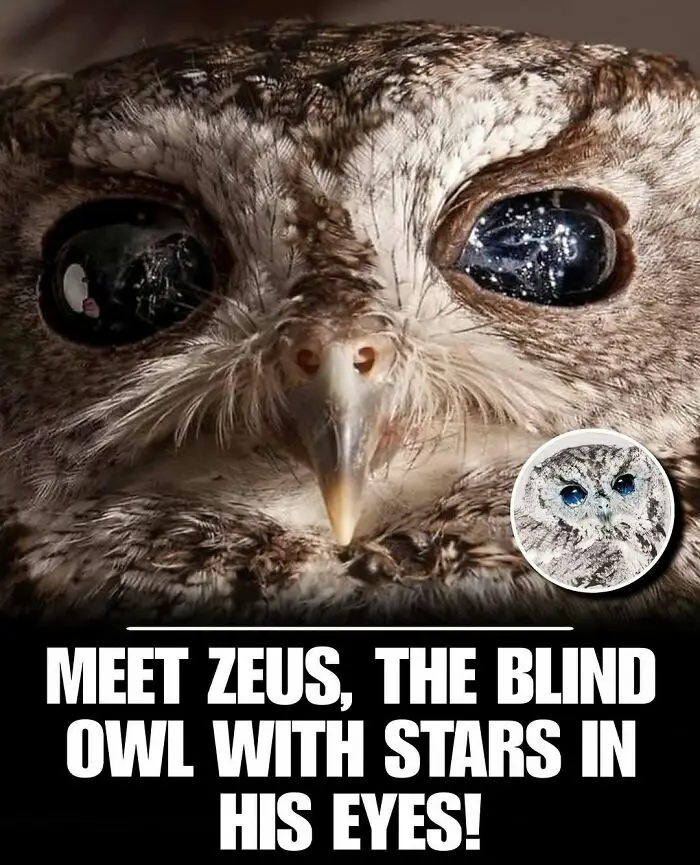
At @wildlifelearningcenter lives Zeus, a blind Western Screech Owl whose eyes shimmer like tiny constellations. 🌌 Even though he cannot see, his gaze reflects a universe of light and mystery. Zeus was rescued after an injury left him unable to survive in the wild. Today, he lives safely at the center, where his cosmic-looking eyes never fail to fascinate those who meet him. 🦉✨ More than his appearance, Zeus is a living reminder that nature often hides its most astonishing wonders in the most unexpected places. ❤️ 📸 Credits: @zeustheblindowl & @wildlifelearningcenter
Report
63points
#23
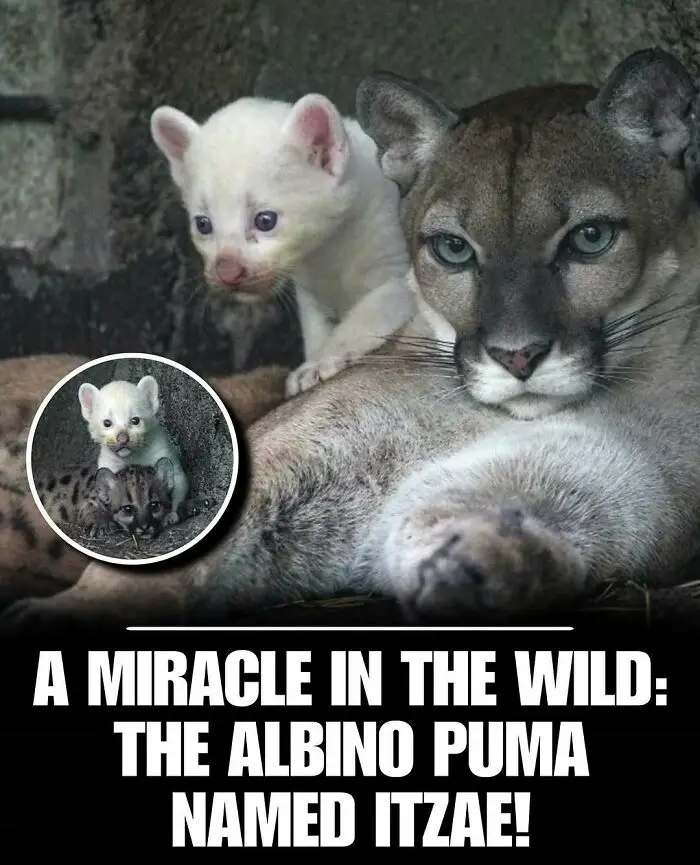
In Nicaragua’s Thomas Belt Zoo, something truly magical happened: the birth of Itzae, a rare albino puma whose name means “Gift from God” in Maya. 🤍 Among her three siblings, she is the only one born with this exceptional genetic trait making her one of just a handful of albino pumas ever seen on Earth. 🌍 Her snow-white fur and crystal-blue eyes are the result of a genetic mutation that blocks melanin production. Because of this, she’s more sensitive to sunlight and needs extra care from her keepers to stay strong and healthy. ☀️ Despite these challenges, Itzae is thriving. Playful, alert, and full of life, she reminds us how beautifully unpredictable nature can be a living symbol of rarity and resilience. 💫 📸 Credit: Oswald Rivas
Report
63points
#24
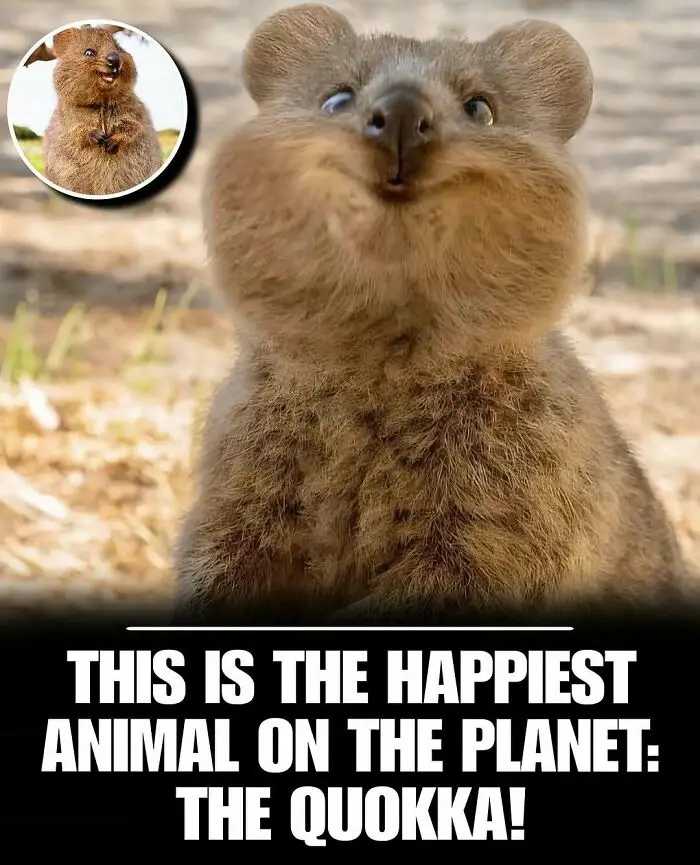
With their round cheeks and bright smiles, quokkas have earned the title of the “happiest animals in the world.” These little marsupials are found only in a few places in Western Australia, most famously on Rottnest Island. 🌿 Quokkas are herbivores, feeding mostly on leaves and grasses. They play an important role in their ecosystem by helping plants spread their seeds. Even though they look joyful, quokkas are a vulnerable species, facing threats from habitat loss and predators. 🌍 Seeing a quokka up close is a rare and heart-warming experience, a small creature with a big charm that continues to fascinate people around the world! 📸 @cruzysuzy
Report
61points
#25
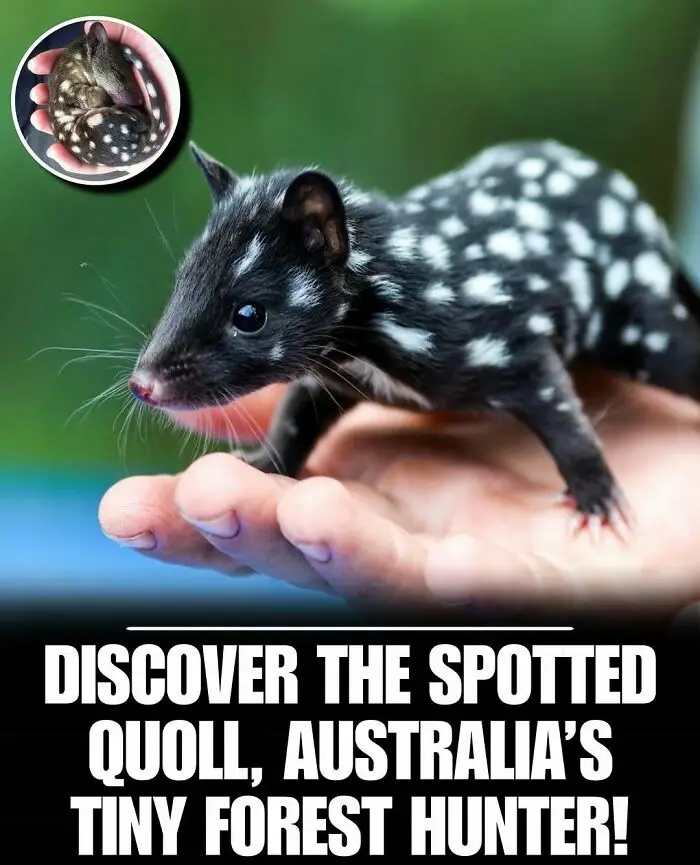
The spotted quoll is one of Australia’s most striking little carnivores. Its white dots aren’t just pretty, they help it disappear into the forest shadows while it explores its world! 🥰 Like all marsupials, a quoll begins life tiny and fragile inside its mother’s pouch. As it grows, it climbs onto her back, learning the forest’s scents, sounds, and hiding places step by step. 🐾 Don’t let their size fool you. These youngsters quickly develop sharp instincts and surprising agility, becoming remarkable hunters as they mature. Spotting one at this age is a rare and unforgettable moment!
Report
60points
#26
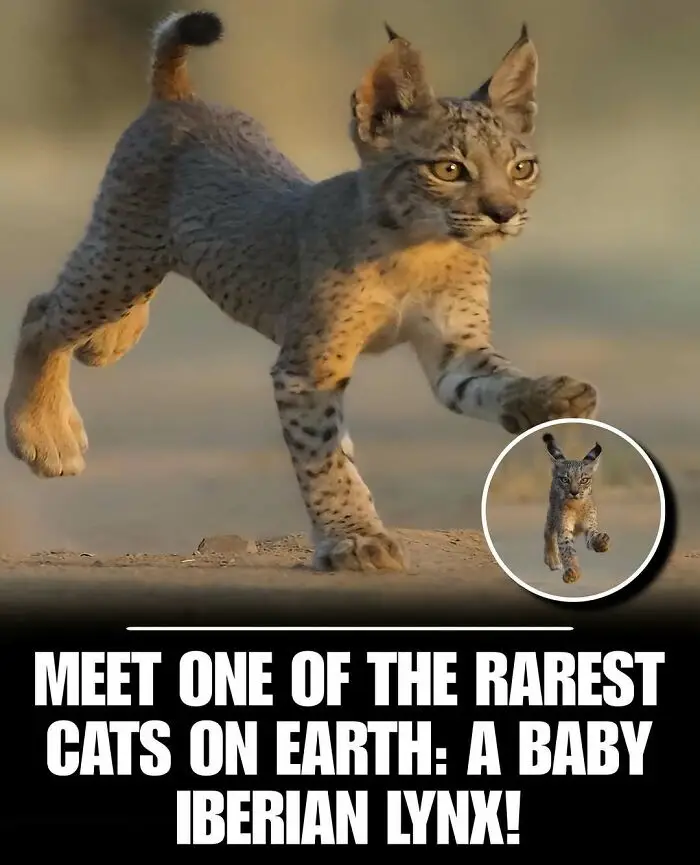
This little lynx is already showing the instinct, balance, and focus of a true wild predator. Every step, every jump is part of learning how to survive in a world where nothing is easy, even from the very beginning! 🐾 The Iberian lynx is one of the rarest wild cats on Earth, found only in small regions of Spain and Portugal. Thanks to years of protection and conservation, their population is slowly growing again, giving hope to a species that was once very close to disappearing! 💪 Watching a baby like this move freely is a powerful moment! 💛 📸 Credit: Marcello Galleano
Report
58points
#28
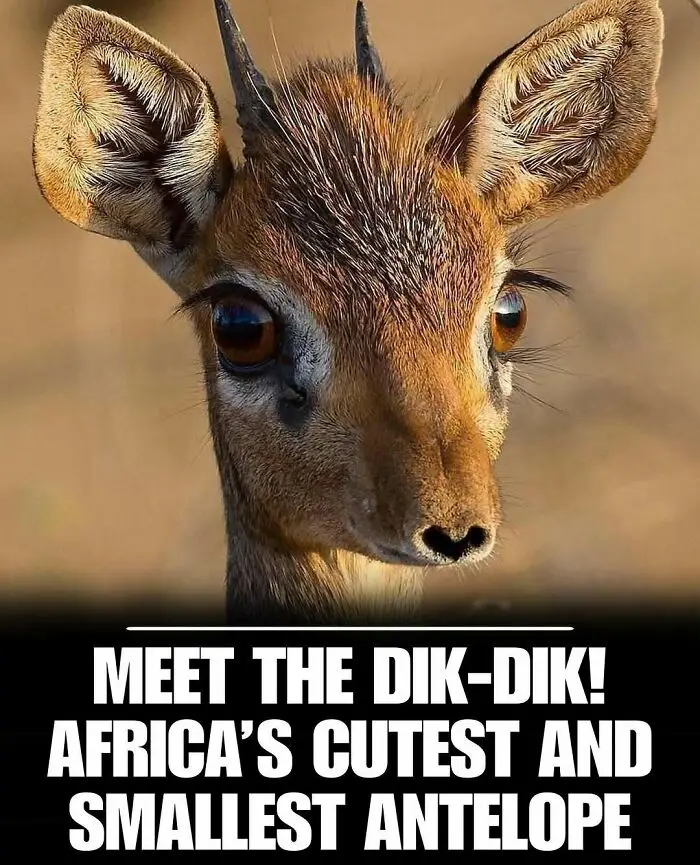
This miniature antelope, barely 30 cm tall, lives in the bushlands of eastern and southern Africa. With its huge eyes, delicate features, and shy nature, it almost looks like it stepped out of a cartoon. But don’t be fooled, despite their size, dik-diks are fast, alert, and incredibly adapted to surviving in the wild! 💨 They live in monogamous pairs and are fiercely territorial proof that small doesn’t mean weak. Nature never runs out of surprises… and this one fits in the palm of your hand. 🌿✨ 📸 Credit Photo 1-2 @mogenstrolle Photo 3 Jack Dobli Photo 4 Jean Wimmerlin
Report
57points
#29
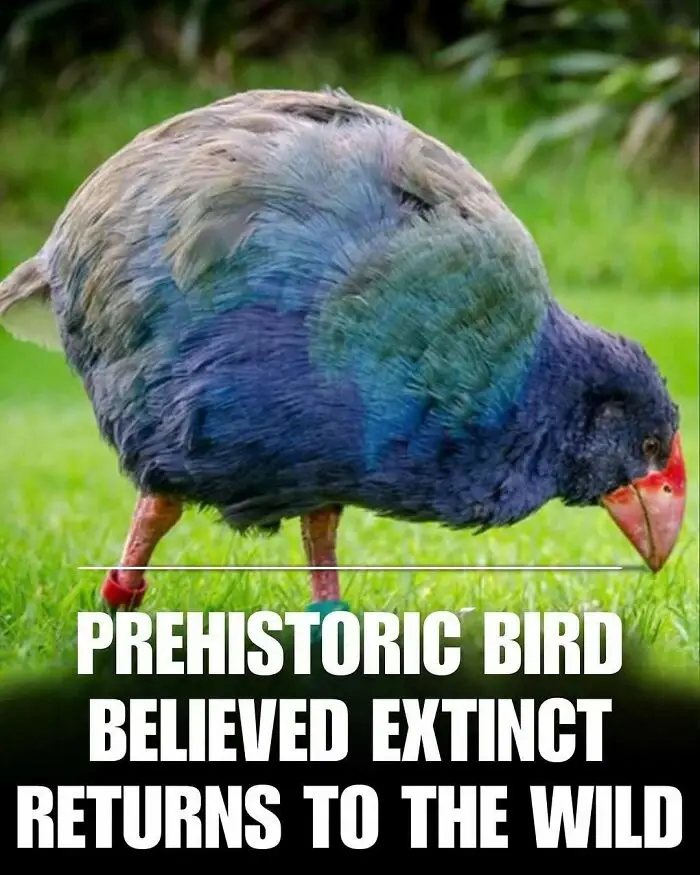
The takahē is a rare, flightless bird native to New Zealand, instantly recognizable by its vibrant blue-green feathers and striking red beak. 🟢🔵 Long thought to be extinct after disappearing in the late 1800s, it was dramatically rediscovered in 1948, deep in the mountains of the South Island. ⛰️ Thanks to decades of dedicated conservation work, its population has slowly recovered now exceeding 500 individuals, with steady growth year after year. 📈 Several takahē have even been reintroduced into their native alpine habitats, a milestone for both science and biodiversity. More than just a species, the takahē holds deep cultural meaning for the Māori people, who consider it a taonga a treasured being. Its story is proof that extinction isn’t always final — and that determined efforts can bring a species back from the edge.
Report
56points
#30
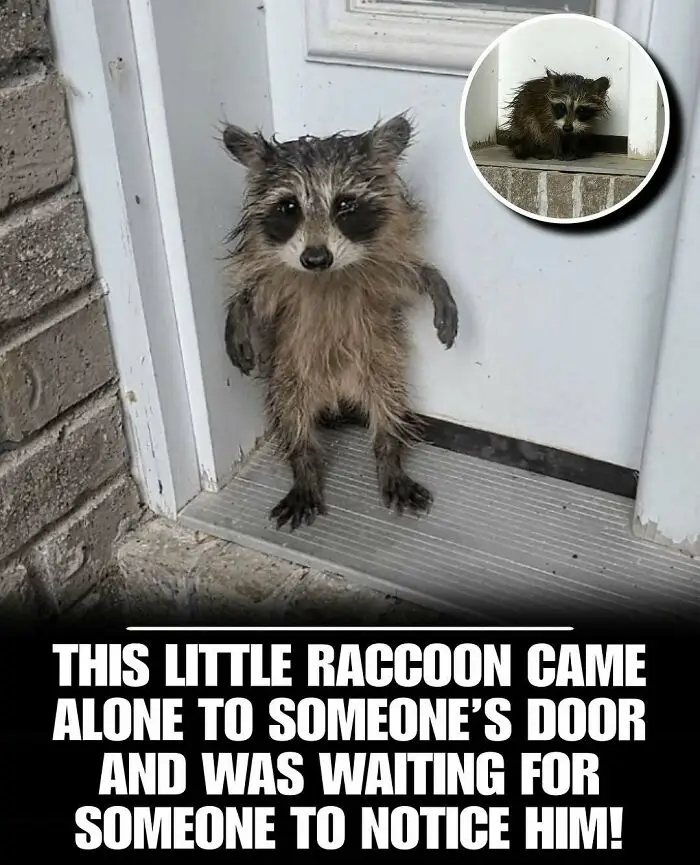
After a heavy rain in Massachusetts, a tiny two-month-old raccoon was found alone, drenched, and shivering on a doorstep. He stood there quietly, hoping someone would see him. Thankfully, a caring homeowner noticed and called for help. A local wildlife officer arrived, gently wrapped him in a towel, and brought him to Leyden Wildlife Rehabilitation. Now safe and cared for, this little orphan will stay until he’s healthy and strong enough to return to the wild. A beautiful reminder to look out for the most vulnerable animals around us. 🦝💚 📸 Credits Belchertown Animal Control / Leyden Center for Wildlife Rehabilitation
Report
55points
#34
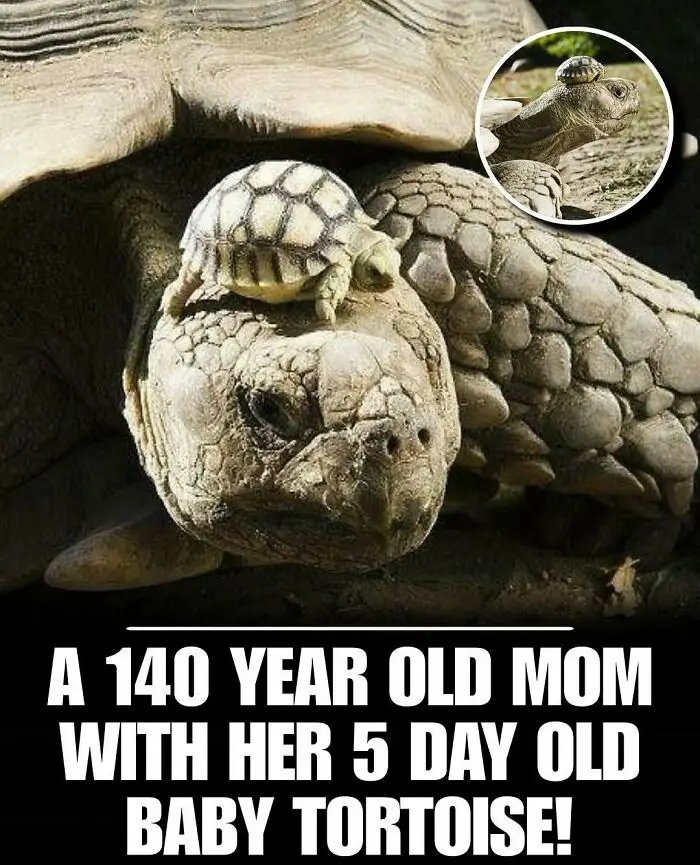
A 140-year-old African spurred tortoise… with her 5-day-old baby softly perched on her head. This heartwarming moment, captured by Attila Balazs at Hungary’s Nyíregyháza Animal Park in 2011, instantly went viral. It’s a rare, genuine glimpse into maternal care no filters, no staging. Just a mother and her tiny baby sharing an unspoken bond!
Report
52points
#36
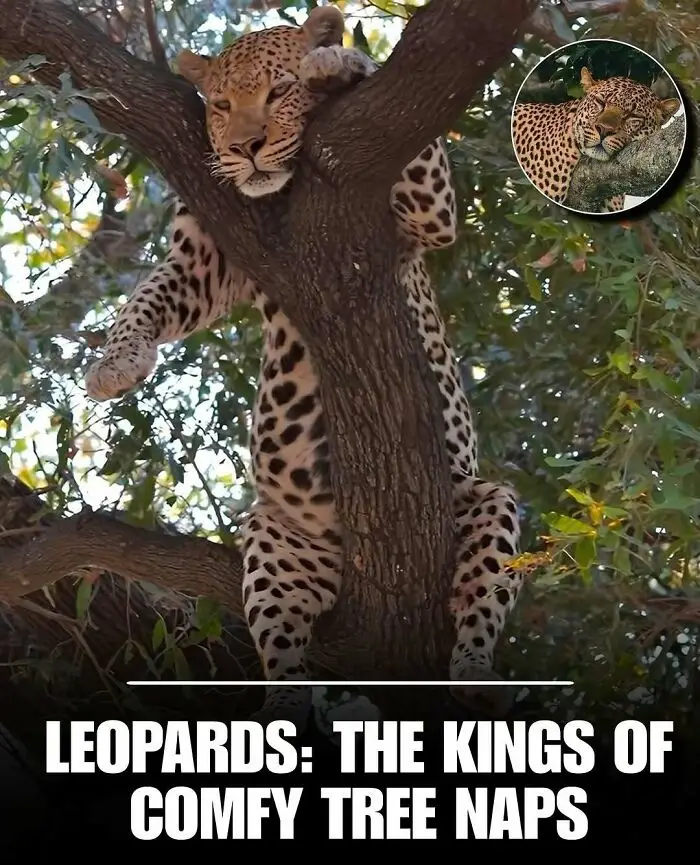
Leopards are big fans of tree naps, it’s their way of staying safe, getting a good view of their territory, and finding the most peaceful place to rest. Thanks to their powerful limbs and amazing agility, they climb effortlessly and pick the comfiest branches to sprawl out and unwind. True experts in the art of tree lounging, they can make even the most awkward limb look like a luxury bed! 🌳😴🐆 📸 Credit: Photo 2 shujath.mohammed Photo 3 JJ Zapp Designs Photo 4 Thomas Dehne
Report
51points
#37
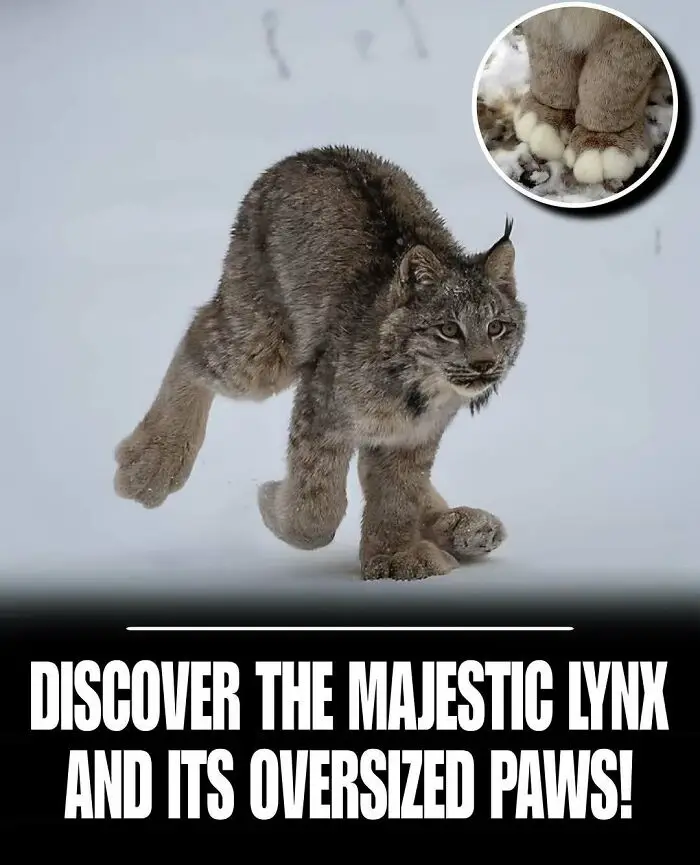
At first glance, the lynx looks powerful and calm But its most impressive feature is often overlooked: its paws! 🐾😼 The lynx has exceptionally large, wide paws that work like natural snowshoes ❄️ They spread its weight evenly, allowing it to move silently across deep snow without sinking. This adaptation gives the lynx a huge advantage in winter 🌨️ While other animals struggle, it can walk, stalk, and hunt efficiently in harsh conditions. Everything about the lynx is built for cold environments! 🐈⬛ From its dense fur to its strong legs, each detail helps it survive where snow dominates the landscape. 📸 Credit: Wild Wild West
Report
48points
#38
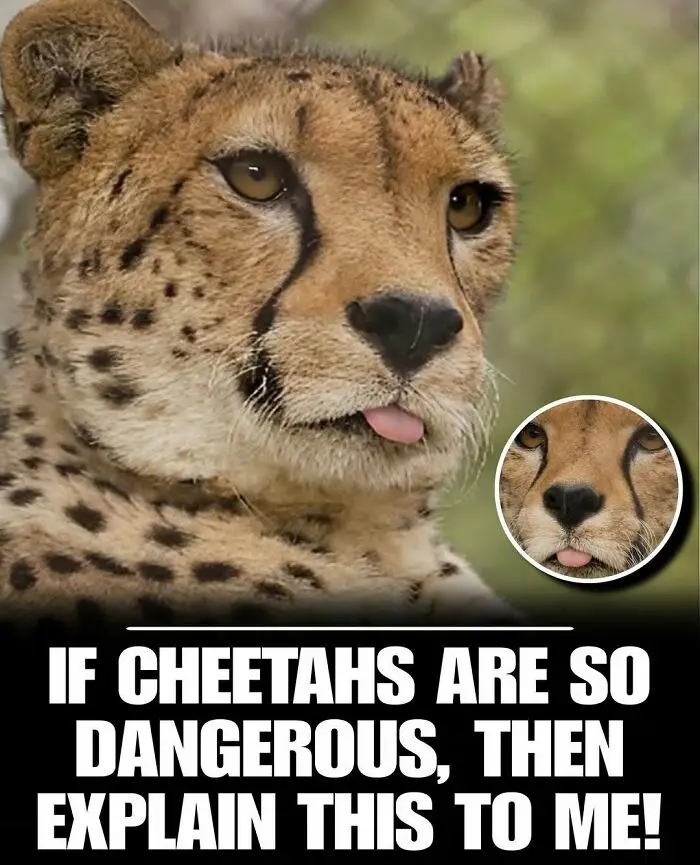
The cheetah (Acinonyx jubatus) is the fastest land mammal on Earth, reaching around 100–110 km/h over very short distances. This speed comes from a unique body built for acceleration: flexible spine, long legs, semi-retractable claws for grip, and large airways for efficient breathing. ⚡ Unlike lions or leopards, cheetahs do not hunt with brute strength. They rely on speed and precision, targeting mostly small antelopes like gazelles, tripping them with a front paw before suffocating their prey. After a sprint, they are extremely exhausted and vulnerable for several minutes! 🐆 Toward humans, cheetahs pose almost no threat. They are naturally shy, avoid confrontation, and prefer to flee rather than attack. The few recorded incidents are extremely rare and usually linked to captivity or extreme provocation. Today, cheetahs are a threatened species, with fewer than 7,000 left in the wild. Habitat loss, decline of prey, human-wildlife conflict, and illegal wildlife trade are the main reasons behind their rapid decline.
Report
47points
#39
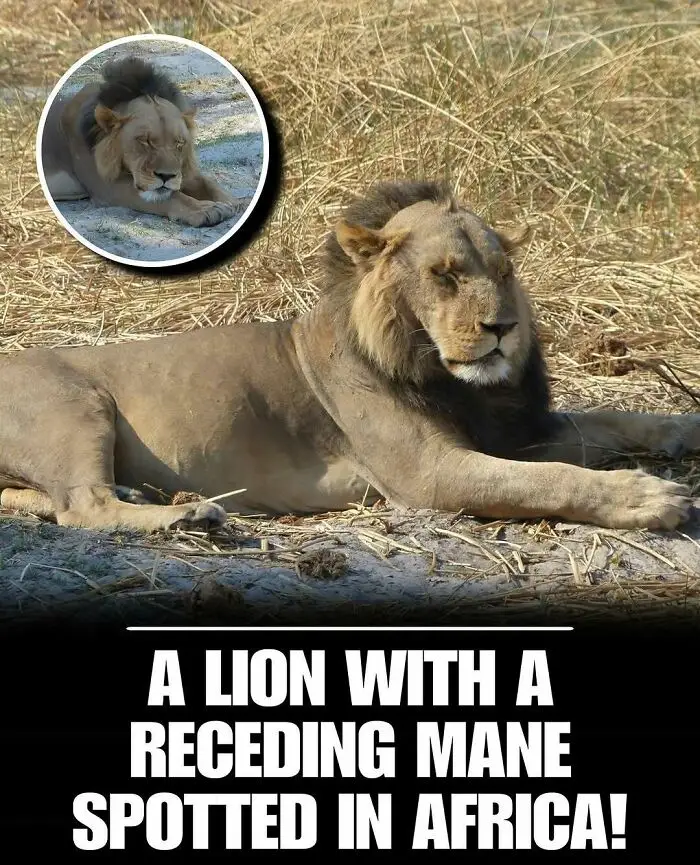
A photo of a lion with visible receding hair has gone viral, sparking laughter, sympathy, and a wave of memes. While most male lions display thick and majestic manes, this feline seems to have entered his “wise uncle era” a little earlier than expected 😅 Just like in humans, thinning of the mane in lions can be related to age, stress, health problems, or low testosterone levels. Studies from the University of Minnesota show that the mane can also shorten or thin due to poor nutrition or high temperatures
Report
46points
#40
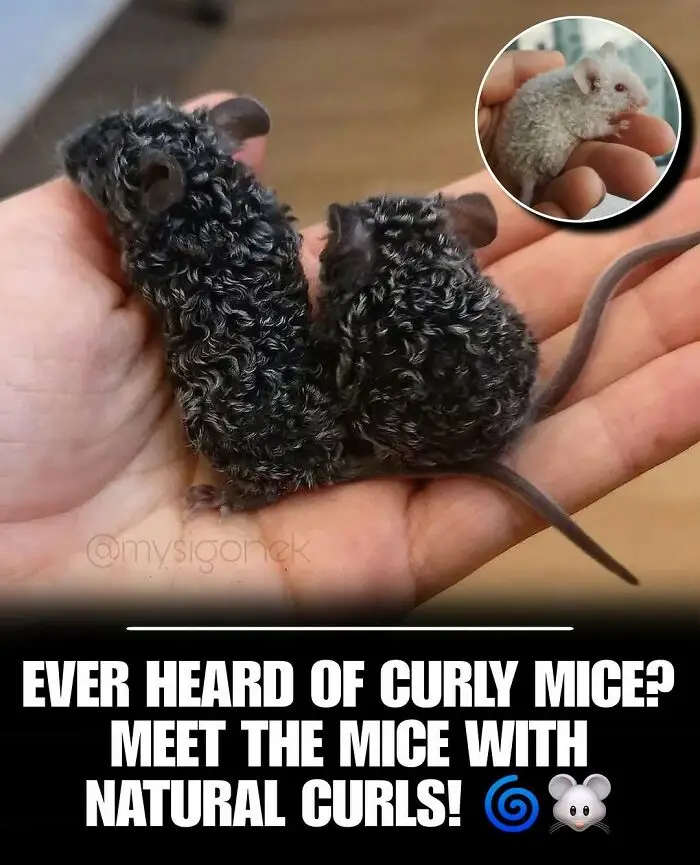
Did you know? These adorable mice are called “curly mice” or “rex mice”! 🐭🌀 They carry a special gene that gives them naturally curly fur like tiny teddy bears with whiskers! 💖 Their soft coats and sweet little curls make them truly one of a kind. Curly mice are bred ethically by enthusiasts and are known for their gentle nature and unique look. They also help teach us more about genetics and how amazing nature can be!
📸 Credit via @mysigonek
📸 Credit via @mysigonek
Report
46points