


If you’re the kind of person who spends your weekend mornings or afternoons with a wildlife documentary in the background, this might be the perfect list for you. It seems like the animal kingdom never runs out of fun, cool facts to fascinate us, but that’s a good thing — we wouldn’t ever dream of complaining about learning more and more about Mother Nature's quirks.
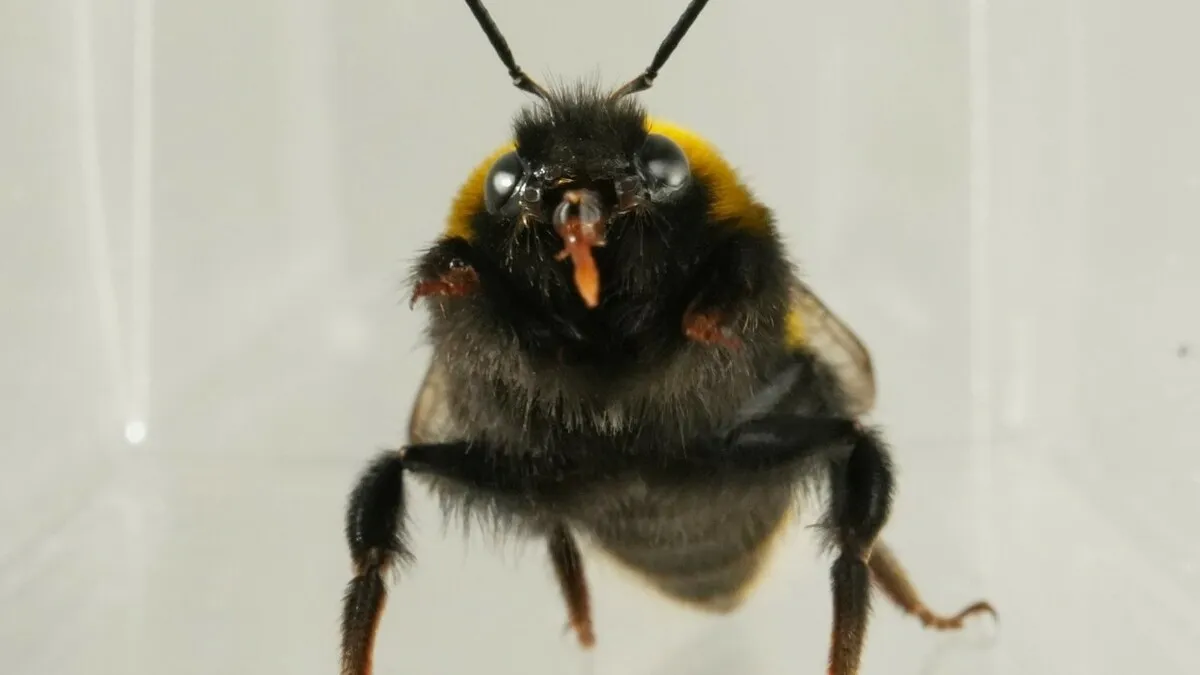
Bored Panda visited the “Wonders of the Wild” Instagram page and found the most delightful tidbits about animals, plants, and every other organism that falls somewhere in between. Learn more about a baby hippo named “Little Bread Roll,” why bumblebees shake their heads, and how a 134-year-old turtle just became a dad below!
More info: Instagram
#46
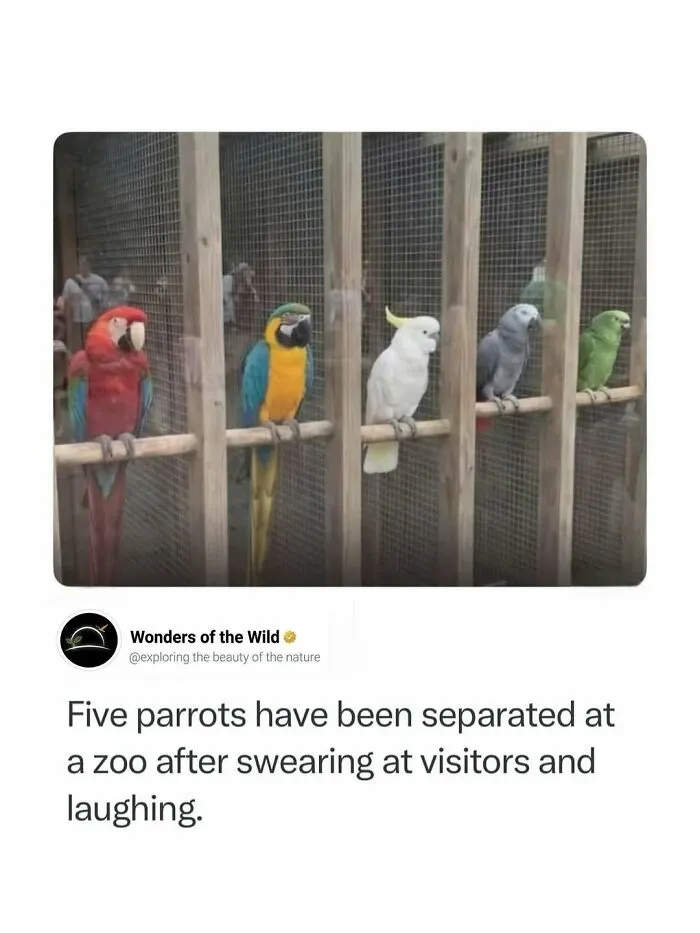
Parrots are incredibly good at copying sounds, which apparently becomes a problem when five of them start copying each other’s worst behavior. At a zoo, five parrots were separated after they began swearing at visitors and then laughing, creating what sounds less like a bird enclosure and more like five friends encouraging each other to misbehave.
The funniest part is that the parrots weren’t just repeating the words, they were apparently laughing along with them. Once they started egging each other on, the zoo decided some social distancing was necessary. Even the birds have discovered that putting five troublemakers together is rarely a good idea.
The funniest part is that the parrots weren’t just repeating the words, they were apparently laughing along with them. Once they started egging each other on, the zoo decided some social distancing was necessary. Even the birds have discovered that putting five troublemakers together is rarely a good idea.
Report
16points
#48
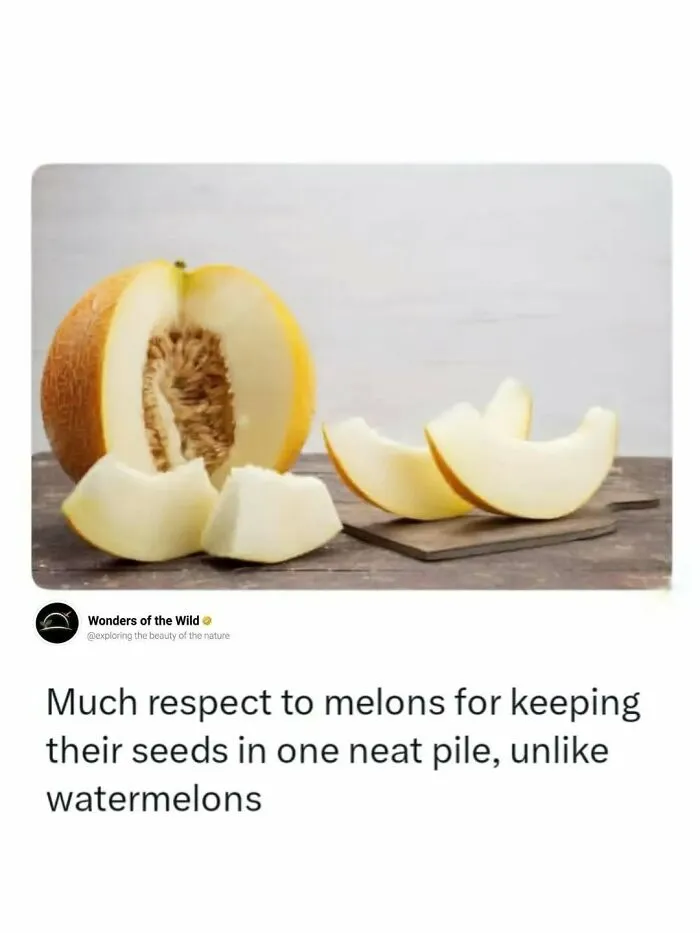
Inside a watermelon, the seeds are scattered throughout the juicy flesh, creating a chaotic but effective strategy for spreading reproduction wherever the fruit is eaten.
Melons, on the other hand, tend to centralize their seeds in a more organized cavity, making them easier to collect or discard depending on the eater. Both designs work perfectly in nature’s eyes, one is tidy, the other is “maximum distribution mode,” proving that evolution doesn’t always aim for neatness, just survival success.
Melons, on the other hand, tend to centralize their seeds in a more organized cavity, making them easier to collect or discard depending on the eater. Both designs work perfectly in nature’s eyes, one is tidy, the other is “maximum distribution mode,” proving that evolution doesn’t always aim for neatness, just survival success.
Report
13points