




The animal kingdom is just too fascinating for us not to get into more detail about these interesting nature facts. Take the fluffy butterflies: the bright blue one is the male, and females are pale brown. They’re mostly found in India, although some can also be spotted in Singapore, Myanmar, Thailand, and the Philippines.
These butterflies live on their host plant, Clerodendrum laevifolium. The early stages of the butterfly feed on all parts of its flower, and the butterfly’s eggs look like domes with hexagonal shapes on them. The caterpillar starts off with a pale yellow body and becomes greener and greener as it matures. It goes through the pupation stage, and once the pupa darkens, a new Fluffy TIt emerges.
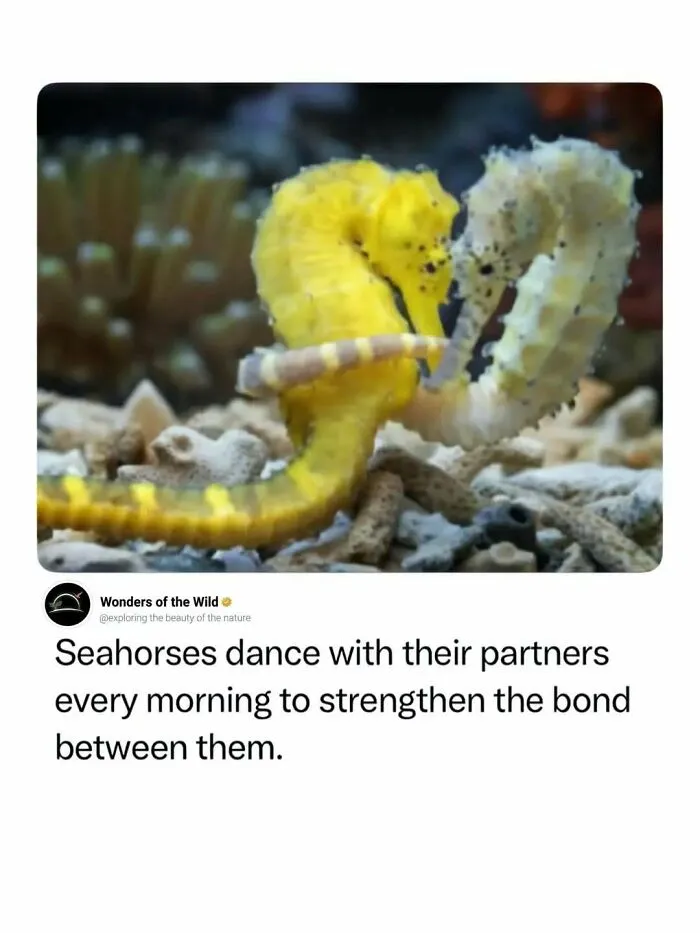
Seahorses are fascinating romantics — just the fact that the dad carries the offspring and gives birth instead of the mom makes many human women feel jealous. What’s more, many wild seahorse species are monogamous and mate for life. These couples have a sweet ritual every morning — they greet each other and do a unique dance and sometimes even change colors during it.
The point of the dance is to confirm that they are still alive (a bit morbid, we get it), to strengthen their bond, and to synchronize their reproductive cycles. Scientists think that seahorses are so clingy and romantic because it’s difficult and risky to find mates. They’re poor swimmers and hide from predators by camouflage. When they remain faithful to one partner, they’re more likely to have more offspring as well.
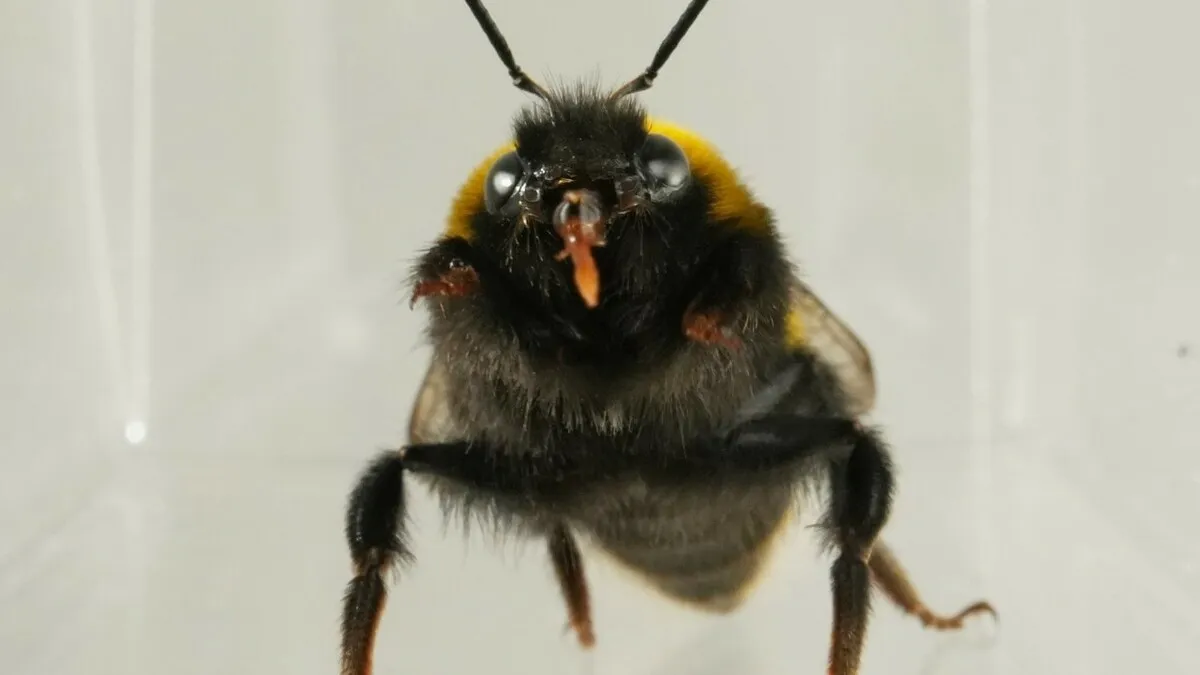
If you were being tested on it, could you point to where a bumblebee’s or a bee’s head is? It seems like their little bodies are all torso, but scientists have discovered that they give signals with their heads when they like or dislike food. Apparently, bees even have lips, which they lick when they deem something yummy, and give their heads a shake when a snack is not up to their standards. Naturally, they like sweet things and dislike salty and bitter “food.”
“Facial expressions are an important window into the internal states of animals,” professor Andrew Barron from Macquarie University told The BBC. “There's always been a tension between thinking of insects as animals, or some sort of mini robots. This is another step towards showing there's an inner life to being a bee.”
There are also many different colors of bees aside from the standard black and yellow most of us are used to seeing. According to Australian Geographic, bees also come in green, ginger, purple, white, and even all-black. But the cerulean blue bee is even more impressive when you consider that not many insects on this Earth are blue — it’s a treat Mother Nature saves for her very best.
They’re called blue carpenter bees and can be found in Southeast Asia, India, and Southern China. Interestingly, the females carry the distinct blue color; males usually have a brown or greenish fuzz. Carpenter bees live alone and don’t build hives like honey bees. They do make honey (although humans don’t harvest it), and mix it with pollen to create “bee bread” for hatchlings to feed on. It’s thicker than the regular honey humans consume, more similar to peanut butter or cookie dough in consistency.