





The world is full of interesting things which most people have never seen. Fortunately, between ready access to cameras and the internet, we can now view and read about all sorts of parts of our planet’s history, from intriguing natural formations to some of the things ancient humans were putting together.
The “Ancient Nexus” Facebook page is dedicated to interesting posts about history, nature and archeology. So get comfortable as you scroll through, upvote your favorites and be sure to share your own thoughts in the comments section below.
More info: Facebook
#21
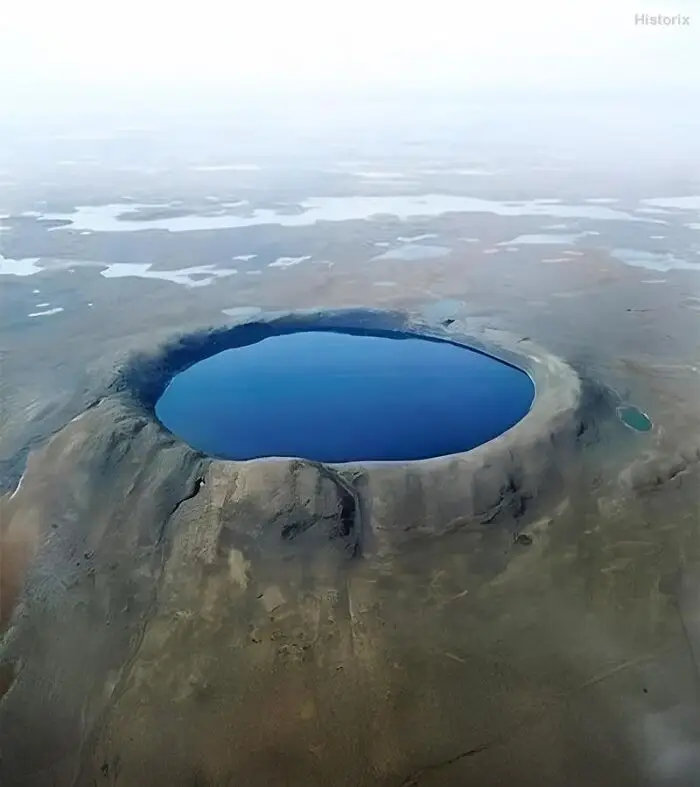
Nestled in northern Quebec, the Pingualuit Crater is a geological marvel that dates back an astonishing 1.4 million years, the result of a powerful meteor collision. This immense crater spans an impressive 3.44 kilometers (2.14 miles) in diameter and cradles the stunning Lake Pingualuk, which plunges to depths of 267 meters (876 feet).
What makes this lake truly extraordinary is its reputation for having some of the purest water on the planet, nourished solely by rain and snow—there are no rivers linking it to the outside world.
During World War II, pilots relied on the lake's perfectly round shape as a navigation aid. Today, as part of Pingualuit National Park, which was established in 2004, this breathtaking site invites adventurers and nature lovers alike to uncover its timeless beauty and intriguing history.
Report
69points
#22
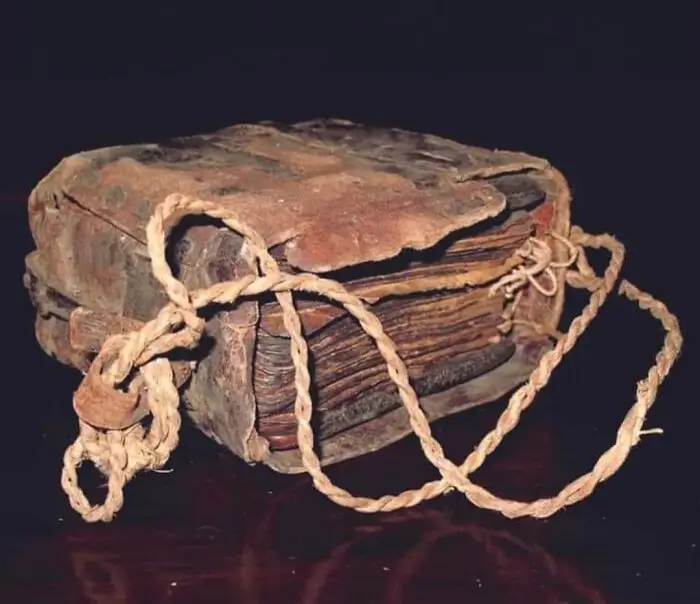
Journey back to the early fifth century, where the Ethiopian Bible emerges as the oldest and most complete version in existence, meticulously crafted on goat skin.
This extraordinary relic not only holds the title of the first illustrated Christian Bible but also serves as a window into the intricate tapestry of early Christian traditions and beliefs.
This extraordinary relic not only holds the title of the first illustrated Christian Bible but also serves as a window into the intricate tapestry of early Christian traditions and beliefs.
Report
68points
#23
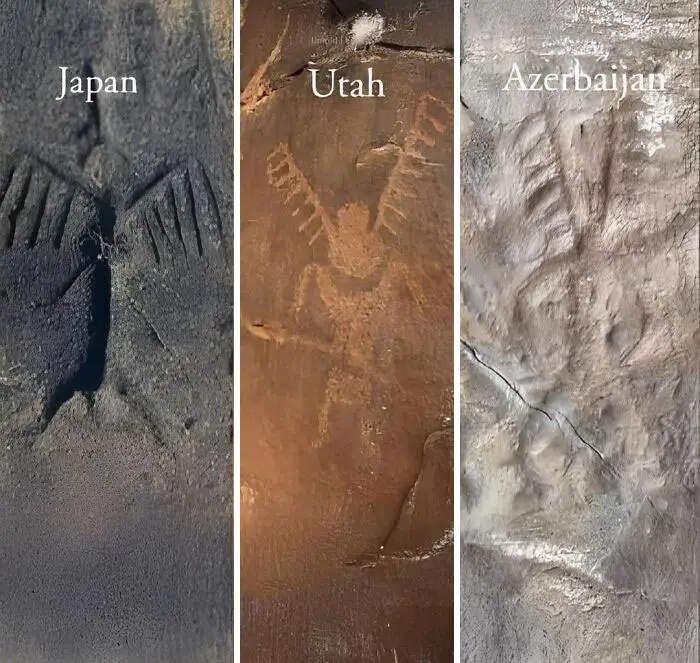
These eerily similar petroglyphs from Japan, Utah, and Azerbaijan throw down the gauntlet on our understanding of ancient civilizations. Nestled in Fugoppe Cave in Japan, scattered throughout Nine Mile Canyon in Utah, and emblazoned in Gobustan, Azerbaijan, each carving presents a winged or flying human figure — a striking visual that begs the question of how three culturally diverse groups, separated by oceans and eons, managed to conceive such an idea.
The timeline adds another layer of intrigue: Japan’s versions are roughly 7,000 years old, Utah’s range from about 1,000 to 2,000 years, while Azerbaijan boasts engravings that could be as much as 10,000 years old.
The timeline adds another layer of intrigue: Japan’s versions are roughly 7,000 years old, Utah’s range from about 1,000 to 2,000 years, while Azerbaijan boasts engravings that could be as much as 10,000 years old.
Report
67points
#24
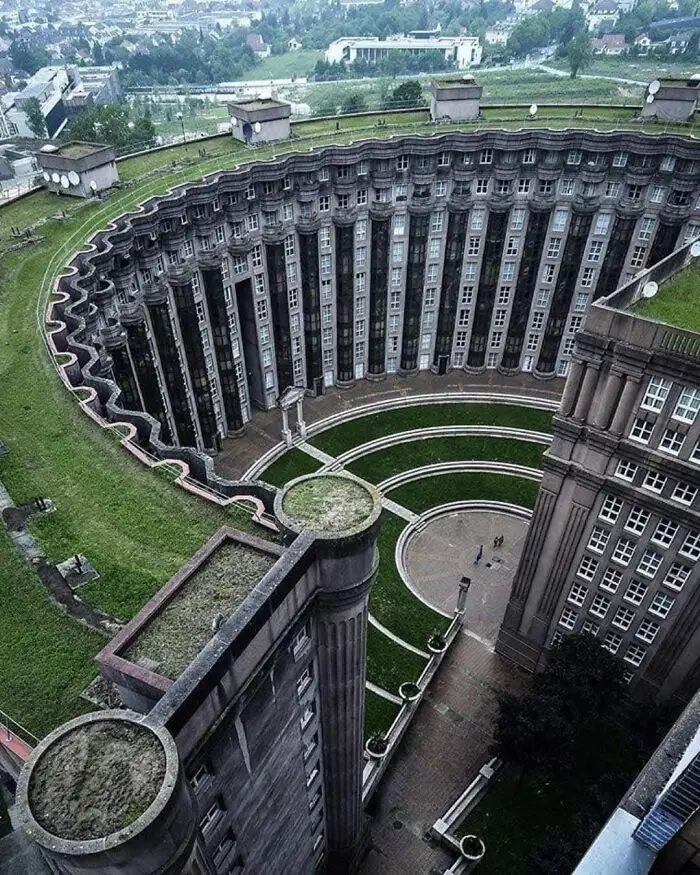
Constructed from 1978 to 1982 in Noisy-le-Grand, a suburb located ten miles east of Paris, Les Espaces d'Abraxas is a notable housing estate designed by the late Catalan architect Ricardo Bofill, who passed away last year.
Report
66points
#25
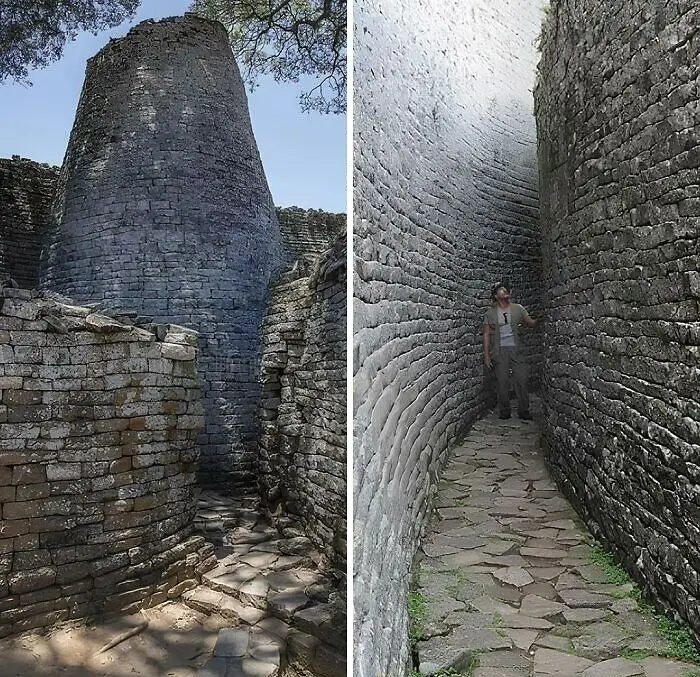
The Great Zimbabwe Walls, an awe-inspiring feat of ancient engineering, rise majestically from the earth, crafted from granite blocks that were expertly assembled without the use of mortar. These remarkable structures, dating back to the 11th century, showcase a meticulous craftsmanship that includes a unique inward slope, transitioning from rugged, raw blocks into elegantly polished courses. This ingenious technique not only reflects the builders’ mastery but also guarantees the walls' stability and durability throughout the ages.
Report
65points
#26
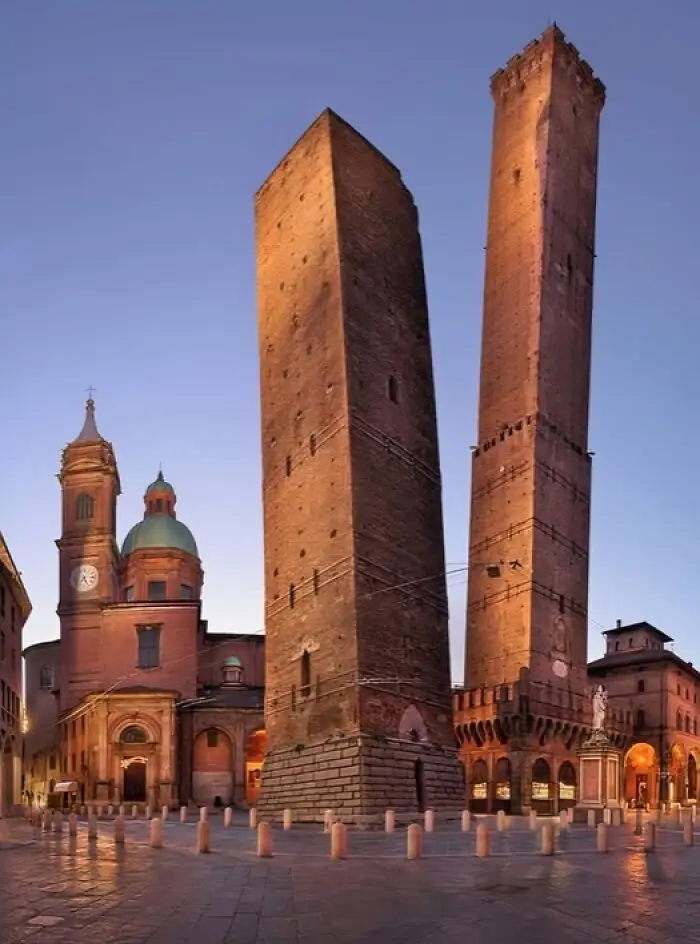
These two leaning towers are symbol of Bologna, a town in northern Italy which was once nicknamed ‘La Turrita’ on account of its 150+towers, of which only 24 remain today. Legend has it that they were inspiration for World Trade Center, since architect Minoru Yamasaki visited Bologna while designing Trade Center towers.
Both Towers take name of families who in 12th Century CE, ordered their construction, in a kind of competition to show which family was wealthiest and most powerful. Tallest of two is called Asinelli, while shorter is Garisenda, which leans more than Tower of Pisa by 0.1 degree. In fact, Garisenda was once taller than Asinelli, but when ground yielded in 14th Century CE, incline became so dangerous that they had to shorten it by 12m. Dante Alighieri saw it while it was still at its full height, and referred to it in Canto 31 of The Inferno where he compared it to doubled over giant, Anteo.
Both Towers take name of families who in 12th Century CE, ordered their construction, in a kind of competition to show which family was wealthiest and most powerful. Tallest of two is called Asinelli, while shorter is Garisenda, which leans more than Tower of Pisa by 0.1 degree. In fact, Garisenda was once taller than Asinelli, but when ground yielded in 14th Century CE, incline became so dangerous that they had to shorten it by 12m. Dante Alighieri saw it while it was still at its full height, and referred to it in Canto 31 of The Inferno where he compared it to doubled over giant, Anteo.
Report
61points
#27
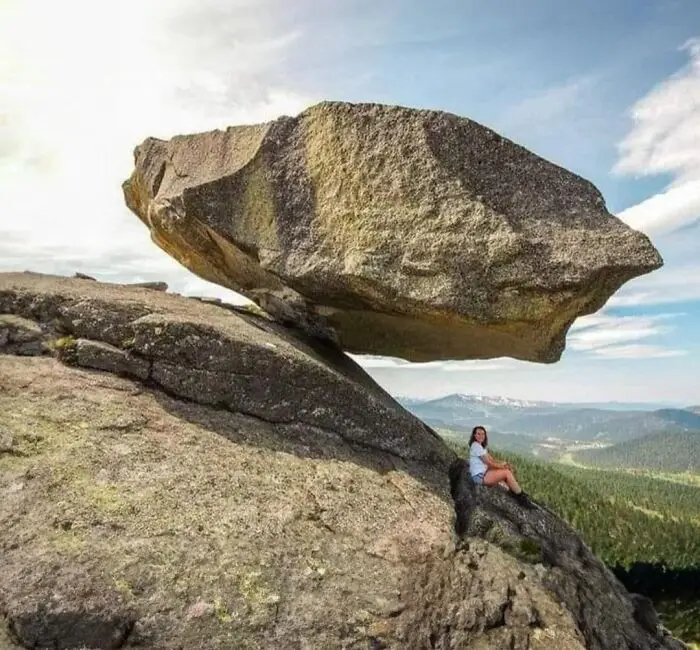
The Hanging Stone, situated in the Krasnoyarsk Territory's Ergaki Reserve, is an extraordinary natural phenomenon. This colossal boulder, approximately 600 tons in weight, delicately balances on the precipice of an abyss. For centuries, it has upheld its seemingly unstable posture, characterized by an exceedingly minimal contact surface with the underlying rock. Despite its precarious orientation, the stone exhibits remarkable stability, challenging conventional understanding and enhancing the breathtaking allure of the reserve.
Report
59points
#28
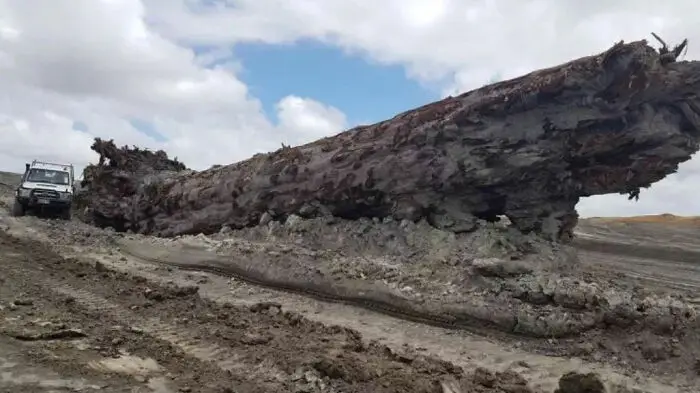
An Ancient tree discovered in New Zealand contains a 42,000-year-old record of a reversal of Earth's magnetic field.
Report
59points
#29
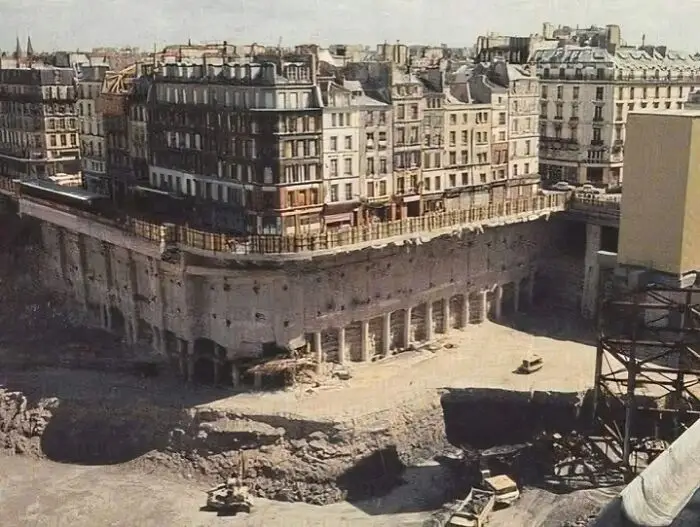
Buried Paris.
This is a photograph from 1973, during the construction of Les Halles in Paris. The structure wrapped above the metal scaffolding on the right is the Fountain of the Innocents!
The photograph shows underground buildings going down about five floors.
This is a photograph from 1973, during the construction of Les Halles in Paris. The structure wrapped above the metal scaffolding on the right is the Fountain of the Innocents!
The photograph shows underground buildings going down about five floors.
Report
52points
#30
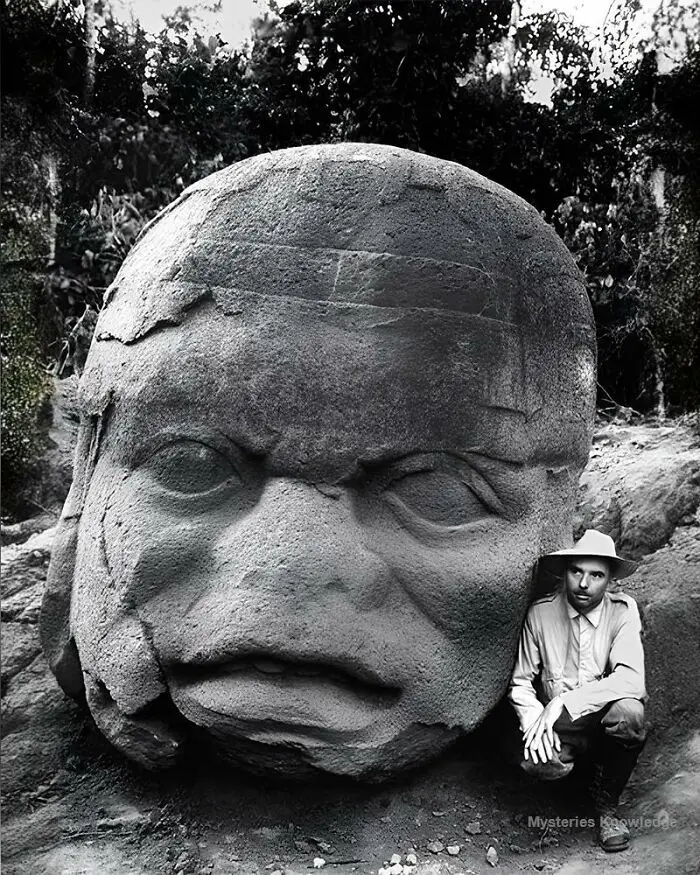
The awe-inspiring giant Olmec head, a monumental testament to the artistry of ancient civilizations, skillfully carved between 1500 and 400 BCE. These colossal masterpieces, each weighing an astonishing 50 tons, not only captivate the eye but also unveil the remarkable capabilities and intricate societal structure of the Olmec civilization, echoing their legacy through the ages.
Report
43points