


The natural world is full of wonders and mysteries waiting to be explained. When we finally discover something previously unknown, it can change the way we see things and allow us to view the world from a whole new perspective.
The Instagram page 'Biologist Michael' is known for featuring random yet fascinating facts and amusing photos that often force us to look at an image a little longer and take the time to fully understand what we're seeing. Then comes the eureka moment, and we laugh at something that only a moment ago seemed to make no sense at all. At its core, however, the page shares fascinating content about the worlds of biology, science, history, and the remarkable diversity of life on our planet.
We've gathered some of the most entertaining images and interesting facts shared by this profile for you to enjoy. Scroll through this selection to discover nature's quirks and perhaps learn something new about the world around you.
#41
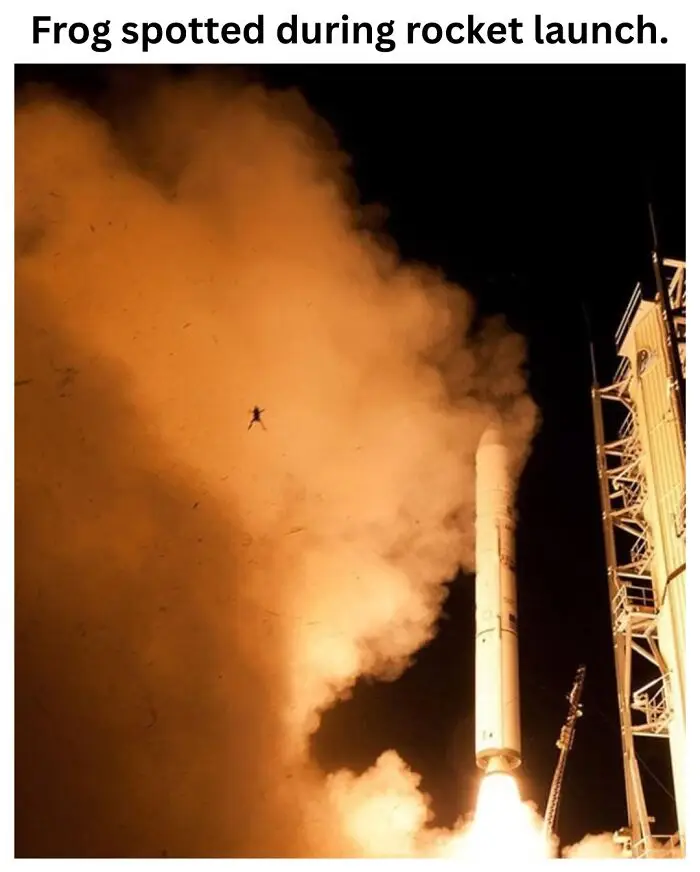
Taken at Wallops Flight Facility, Wallops Island, Virginia, on September 6, 2013.
Report
14points
#43
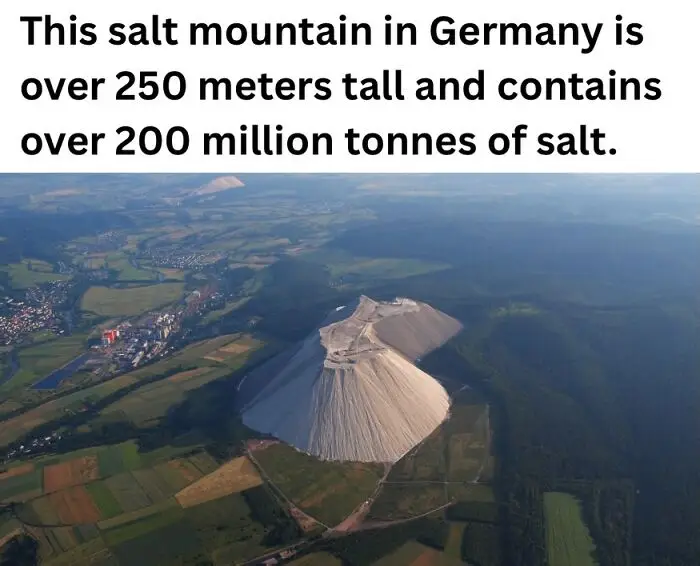
This enormous man-made salt mountain in Germany is called Monte Kali. It was created from decades of potash mining, where minerals used in fertilizer production are extracted and the remaining salt is added to the growing mound. The mountain now rises more than 250 meters above the surrounding landscape and contains over 200 million tonnes of salt. Based on industrial salt prices, the salt inside could theoretically be worth billions of dollars.
Report
13points
#44

If this is your first time viewing stereoscopic art, start with your phone very close to your face, then slowly pull it back until the two images become three images, with the center one being three-dimensional.
Report
12points
#45

A tiny praying mantis, trapped in sticky tree resin around 30 million years ago, has been preserved in amber with incredible detail. When resin flows from trees, it can quickly engulf small organisms and seal them off from air, preventing decay. Over millions of years, that resin hardens into amber, effectively freezing a moment in time. The mantis can still be seen down to its delicate limbs and posture, as if it were caught mid-movement during the Oligocene epoch. Scientists estimate its age by dating the surrounding geological layers where the amber was found and by comparing it to other fossils from the same formation, sometimes using radiometric dating of nearby volcanic material to narrow it down. The specimen was sold through Heritage Auctions in 2016 for about $6,000, and later resurfaced at auction, drawing significantly higher bids as interest in rare amber fossils has grown.
Report
12points


#48

Sodium vapor streetlights. An era when much of America’s cities were lit by high-pressure sodium lighting, giving urban areas their iconic orange glow. Beginning in the late 2000s and accelerating through the 2010s, cities across the country gradually replaced many of these lights with white LED systems to reduce energy costs and maintenance.
Report
9points
#49
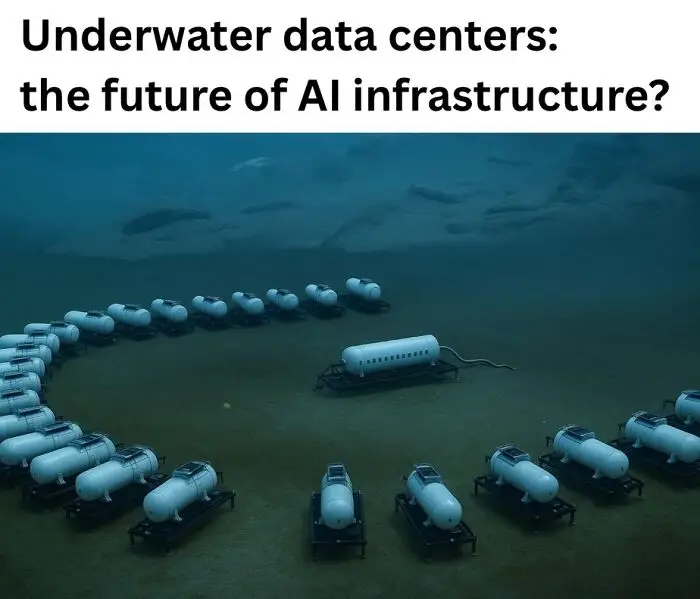
Underwater data centers are rapidly moving from science fiction into reality as countries race to build the next generation of AI infrastructure. China has already deployed commercial underwater server modules near Hainan Island and is developing larger wind-powered underwater facilities near Shanghai, with some projects designed to eventually scale into massive multi-hundred-megawatt systems. These sealed capsules sit on the ocean floor and use surrounding seawater as a natural cooling system, dramatically reducing the enormous electricity and freshwater demands required to cool traditional AI data centers. Microsoft also experimented with underwater computing through Project Natick off the coast of Scotland, successfully operating hundreds of servers underwater for years before ending the project commercially. The appeal is obvious: AI systems require massive amounts of computing power, and cooling those machines has become one of the biggest technological and environmental challenges facing the industry. Underwater systems can reduce cooling energy consumption, save land space, operate quietly, and potentially run alongside offshore renewable energy sources like wind farms. Some researchers and companies believe future underwater server pods could eventually be deployed near coastal cities around the world to improve internet speeds and reduce strain on power grids. But there are major downsides as well. Repairing or upgrading submerged hardware is difficult and expensive, saltwater corrosion remains a constant engineering challenge, and scientists are still studying the long-term environmental effects of releasing heat into marine ecosystems. Critics also question whether underwater facilities will ever become cheaper or more practical than increasingly advanced land-based AI data centers. Even so, as AI demand continues to explode globally, governments and technology companies are increasingly experimenting with more extreme solutions to power the future of computing. Photos: Shanghai Hailanyun Technology.
Report
3points