









Good design doesn’t often happen by accident. It requires a lot of careful planning, testing, and editing. No matter the medium, industry, or era, there are some aspects of design that don’t change. They are fundamental.
At their core, they are deeply empathetic because they put the needs and wants of the consumer first. And they strike a delicate balance between function and form.
Legendary industrial designer Dieter Rams encapsulated his ideas into ten principles of design that continue to guide creatives to this day.

According to Rams, good design is:
- Innovative
- Makes a product useful
- Aesthetic
- Makes a product understandable
- Unobtrusive
- Honest
- Long-lasting
- Thorough down to the last detail
- Environmentally-friendly
- As little design as possible

#5 I Designed This Cute Little Elephant Design That Looks Like It's Just Been Knitted/Crocheted!


Half a century ago, in the late 1970s, Rams was becoming more and more concerned about the state of the world around him, which he describes as “an impenetrable confusion of forms, colors, and noises.”
So, he started asking himself whether his designs were good, seeing as he was an iconic figure in the industry.


Vitsœ, which has “continuously worked” with designer Rams for 65 years, points out that the possibilities for innovation are not exhausted. There’s always room for novel approaches.
“Technological development is always offering new opportunities for innovative design. But innovative design always develops in tandem with innovative technology, and can never be an end in itself.”
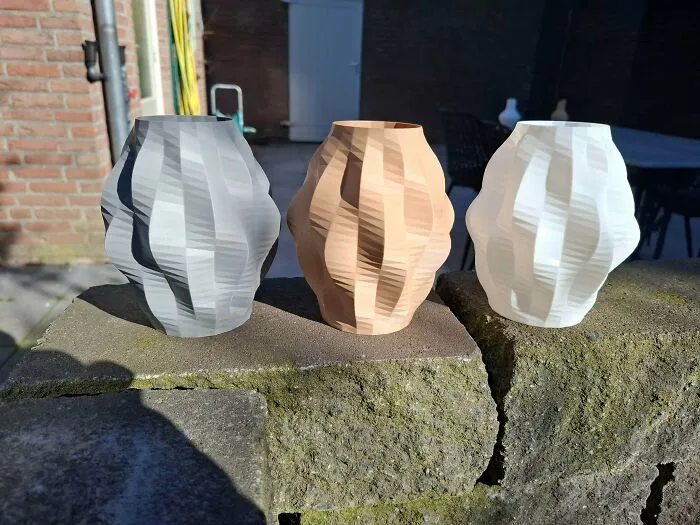
#11 New 3D Printed Soap Dish / Sponge Holder Collection – Now With More Models
Meanwhile, when designing anything, you have to remember that products have to be, well, useful.
“It has to satisfy certain criteria, not only functional, but also psychological and aesthetic. Good design emphasises the usefulness of a product whilst disregarding anything that could possibly detract from it.”
#13 I Haven’t Printed In Forever So I Was Excited To Make A Yarn Bowl For My Wife Who Just Took Up Knitting


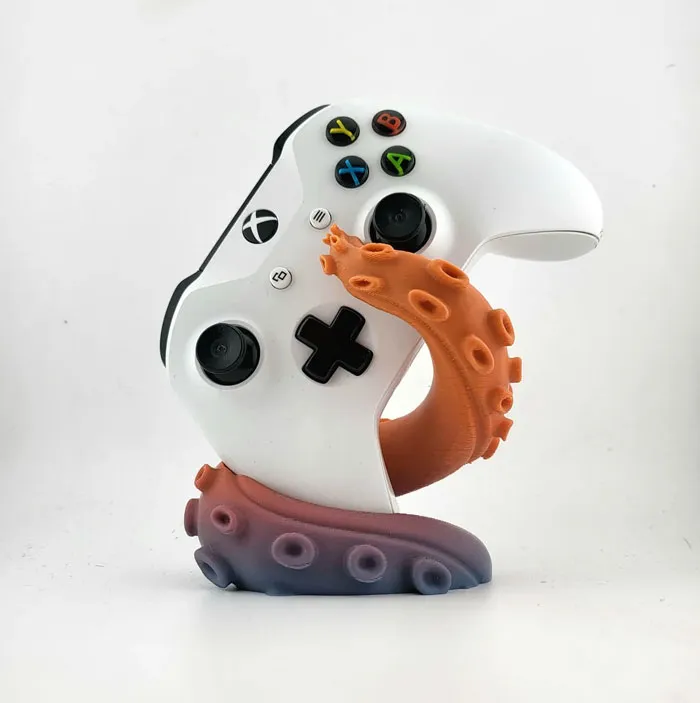
On the opposite end of functionality, you have aesthetics, which is an important factor because it affects your well-being as a consumer. Or, to put it simply, people like looking at beautiful things. So, naturally, we want the things that we use daily to look nice.
And yet, you can’t go too far in the artistic direction or you might undermine the functional qualities of the item.
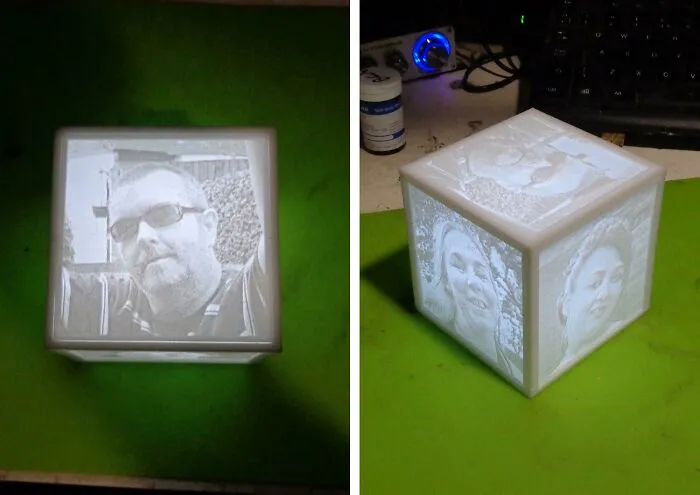
#16 My First Lithophane Cube


“Products fulfilling a purpose are like tools. They are neither decorative objects nor works of art. Their design should therefore be both neutral and restrained, to leave room for the user’s self-expression,” Vitsœ explains.
Well-designed products are pretty much self-explanatory and intuitive to use, and they do not try to manipulate consumers’ expectations “with promises that cannot be kept.”
#19 I Made This Cute Albert Einstein Model For The Physics Contest!

