


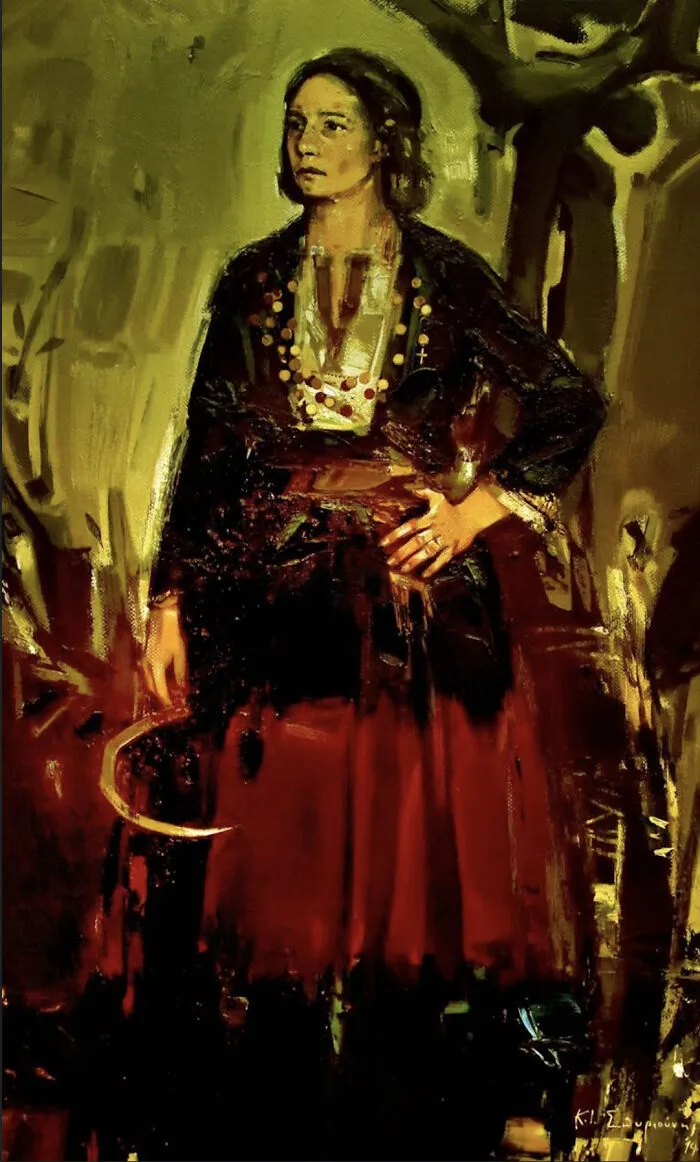
#1 21st Of June 1826. The Battle Of Diros - The Elderly And Women (‘Amazons Of Diros’) Defend Themselves Against An Ottoman Offensive In Greece
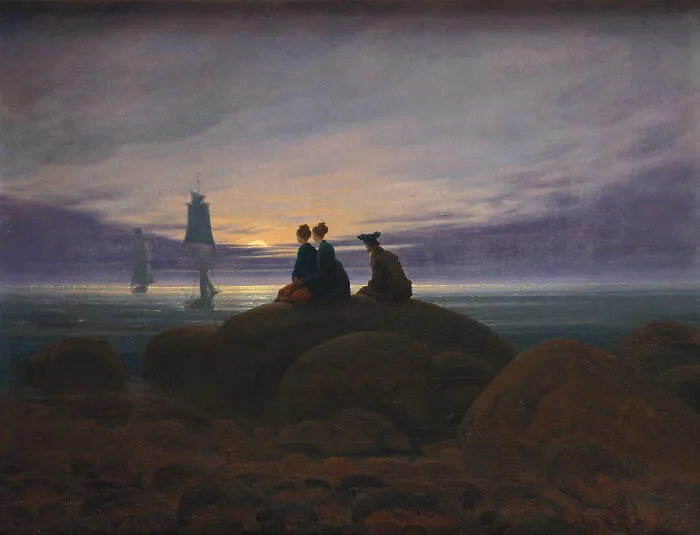
#2 "Moonrise By The Sea" By Caspar David Friedrich, Completed "Before November 1822"
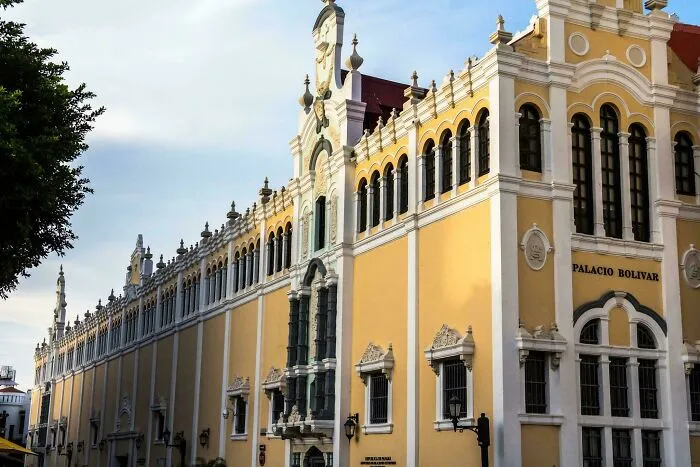
#3 22nd Of June 1826. The Panama Congress Opens In Panama City, Calling For A League Of American Republics, With A Common Military And Parliament
The world of 1826 was already changing rapidly, even if many of the images from the period can make it look like a distant and unfamiliar place. World History describes the year as a period of technological, political, and cultural transformation, with the Industrial Revolution already reshaping work and transportation in Britain and beginning to influence other parts of the world.
Steam railways, canals, suspension bridges, early engines, and new forms of visual representation were changing how people moved, built, and documented their surroundings. At the same time, wars, treaties, independence movements, and reforms were altering political systems across Europe, the Americas, Asia, and Africa. This means that an old painting, document, or object from 1826 could capture a world that was already in the middle of significant change.
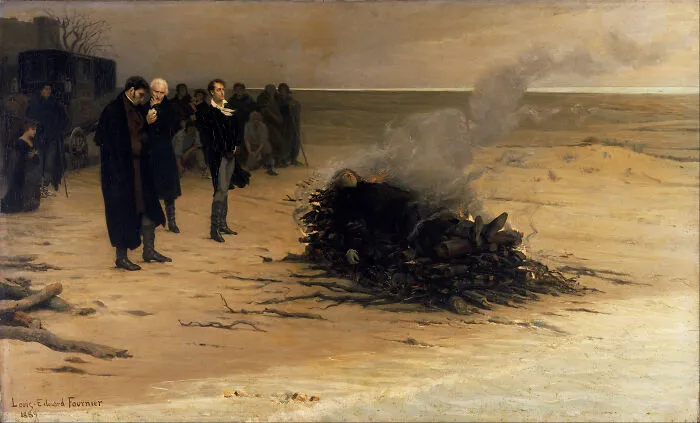
#4 18th Of July 1822. The Body Of English Poet Percy Bysshe Shelley Is Washed Up On The Beach Near Viareggio. His Boat, The "Don Juan", Had Sunk In A Storm. His Body Is Cremated On The Beach In The Presence Of Lord Byron And Edward John Trelawny (Painting By Louis Édouard Fournier, 1889)
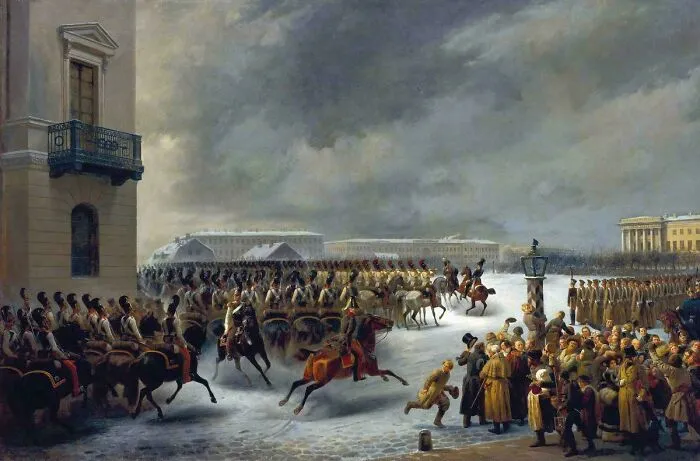
#5 26th Of December 1825. The Decembrist Revolt - Liberal Russian Soldiers And Nobles Attempt To Overthrow The New Tsar Nicholas I And Create A Constitutional Monarchy
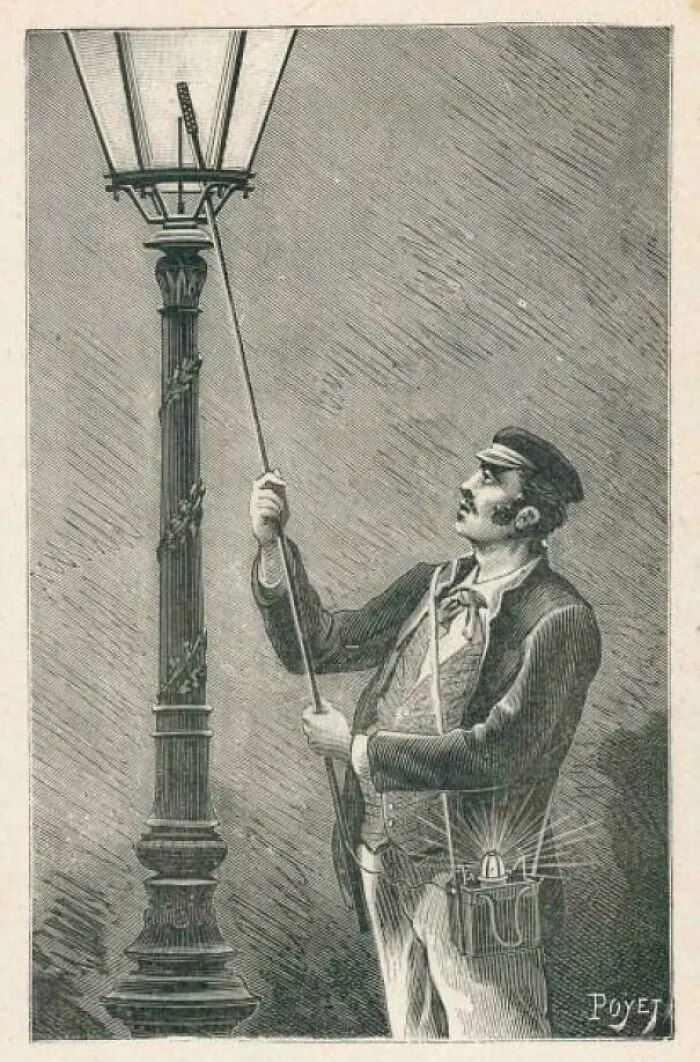
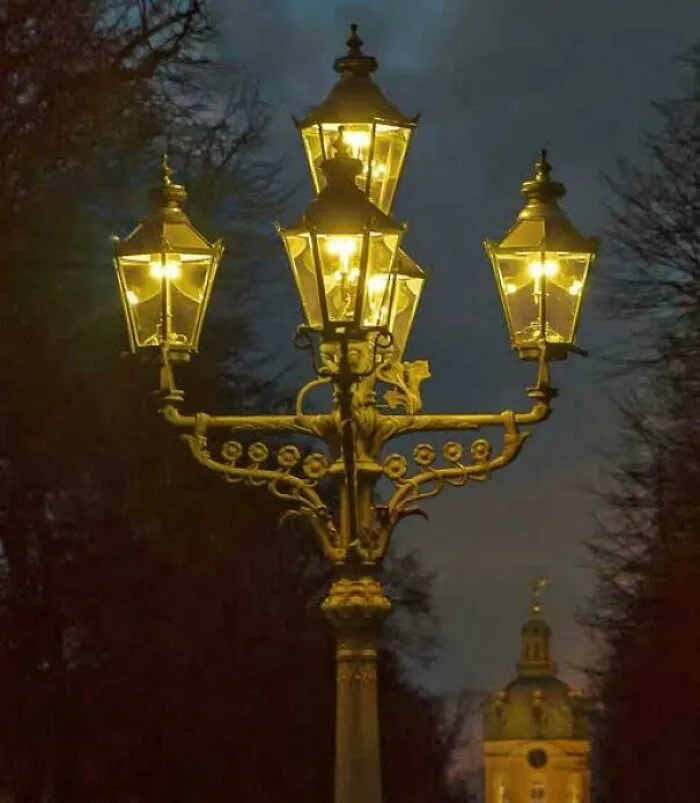
#6 5th Of October 1825. Dublin: The City Is Lit By Gas Light For The First Time
That change was not limited to machinery or politics. Printed material, reform organizations, universities, and international artistic networks were helping ideas travel between people and places more easily. The growth of print culture created a wider public sphere in which people could encounter new political, social, and cultural ideas.
The political map was also being reshaped, with movements such as the Greek struggle for independence and independence campaigns in Latin America challenging established powers. Looking at a surviving image from this period, therefore, offers more than a glimpse of an old-fashioned setting. It can also reveal a society where older traditions were still visible while new technologies, institutions, and ideas were beginning to take hold.
For ordinary people, however, modernization did not necessarily mean that daily life had suddenly become easier. Research from History Skills describes a world where most people still lived without rapid communication, fast transportation, or reliable public services. Workers in factories and textile mills could spend 12 to 16 hours a day on the job, often six days a week, while family members frequently contributed to household work or income.
Getting from one place to another remained slow, with stagecoaches and walking still making up much of overland travel. Letters and newspapers could take days or weeks to reach their destinations, making information move at a pace that is difficult to imagine in an age of instant messages and live updates.
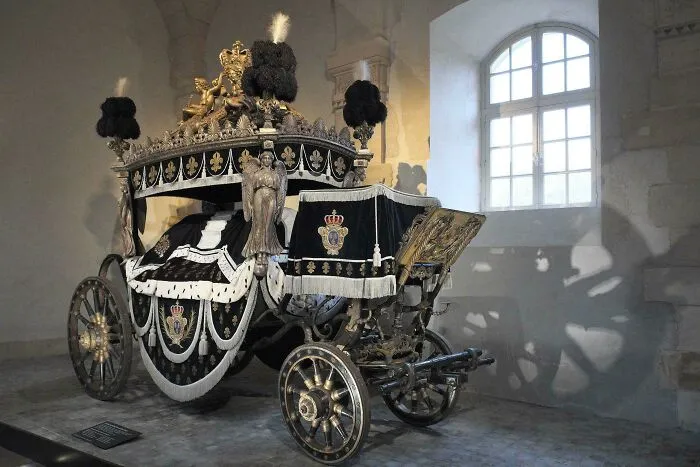
#10 25th Of 1824. French King Louis XVIII's Funeral Ceremony Is Held (Pictured: His Funeral Chariot)
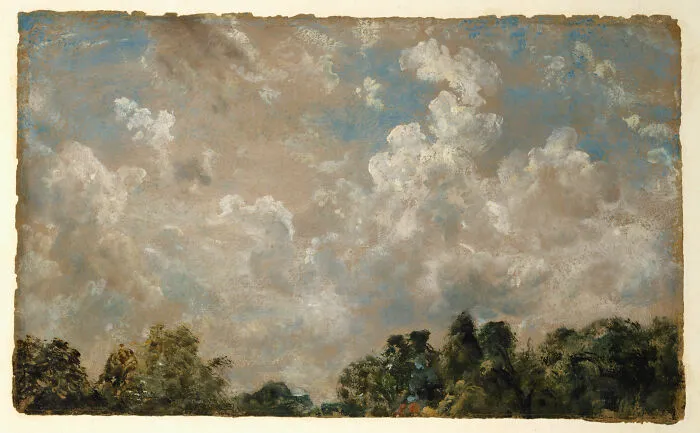
#11 John Constable, "Cloud Study 4 July 1822" Oil On Paper Mounted On Canvas. Inscribed On The Back With A Transcription Of The Artist’s Inscription: ‘Hampstead July 4 1822 Very Fine And Hot Wind. W Clouds Very High And Climbing’
The rapid growth of industrial towns brought its own problems. As people moved toward areas where factory work was available, housing became increasingly crowded, with some families living together in a single small room and multiple households sharing basic facilities. Smoke, poor sanitation, and limited privacy were common features of urban life, while many people faced considerably greater physical risks at work and at home than they would today.
Family responsibilities also tended to begin earlier, with people often marrying after periods of work or service and saving enough resources to establish a household. The contrast is striking: steam power, factories, newspapers, and expanding trade were pushing society forward, yet much of everyday life remained slow, physically demanding, and dependent on infrastructure that was still in its infancy.
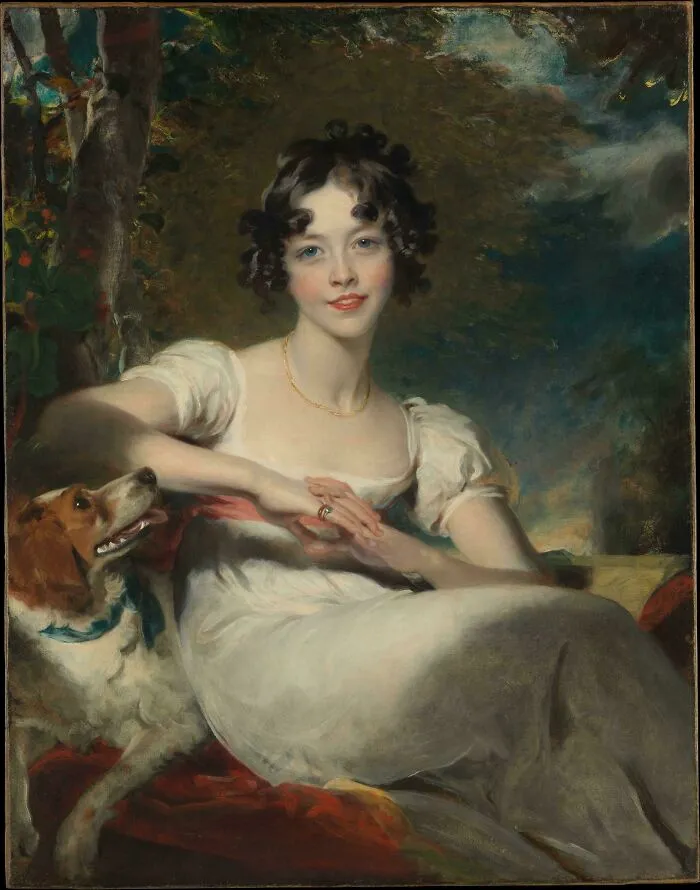
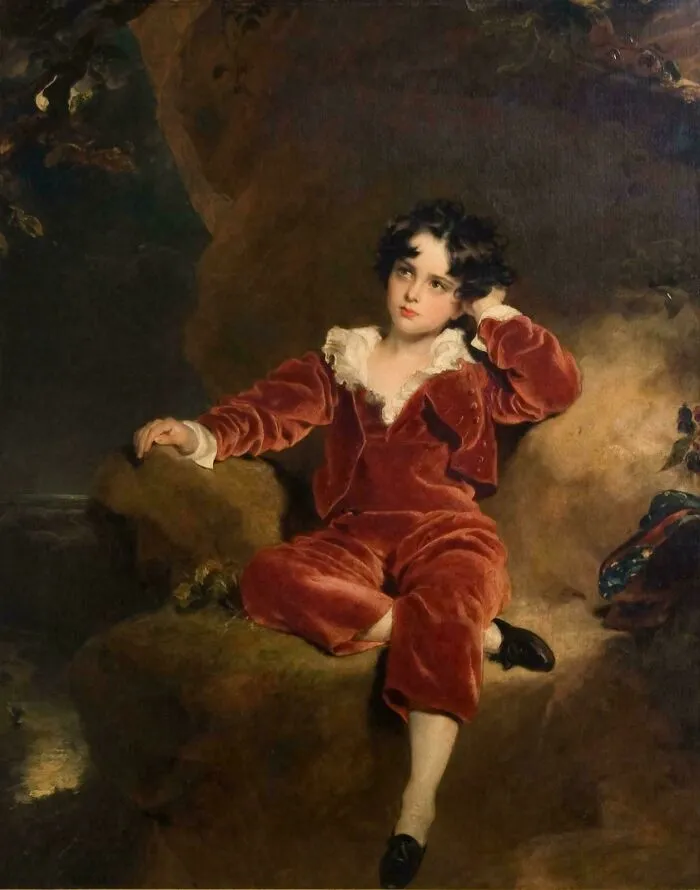
#13 Thomas Lawrence- "The Red Boy", A Portrait Of Master Lambton, Eldest Son Of John Lambton, 1st Earl Of Durham, C. 1825
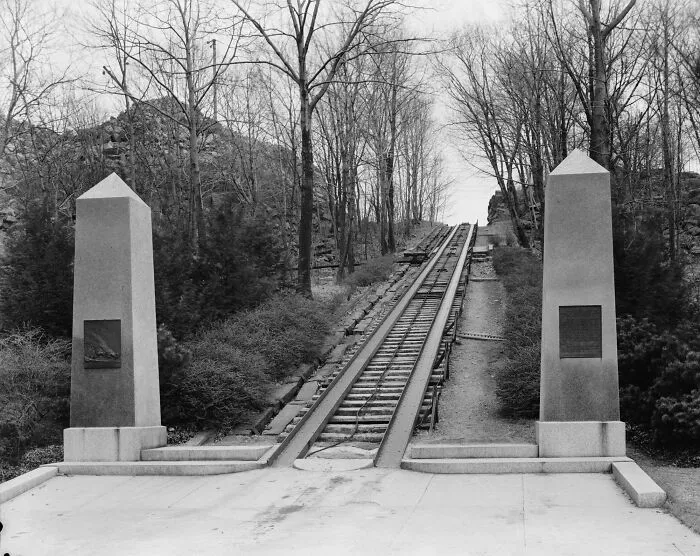
#15 4th Of March 1826. The Massachusetts Legislature Granted A Charter For The Granite Railway, Widely Recognized As The First Commercial Railroad In The United States
That combination of change and hardship is part of what makes the 1820s such an interesting period to examine. Research discussed in the History Workshop Journal describes the decade as a foundation for many of the systems associated with the modern world. Industrialization, expanding factory systems, new infrastructure, and improvements in transportation were creating the foundations for modern economic growth.
Scientific fields including chemistry, engineering, mathematics, and physics were also developing, while governments were becoming more organized and ideas about constitutionalism, citizenship, and rights were gaining greater importance. The decade was therefore not simply waiting for the modern age to arrive; many of its foundations were already being built.
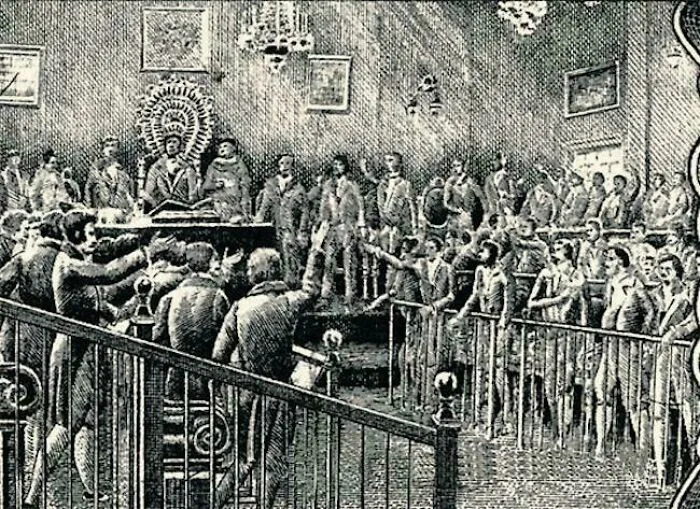
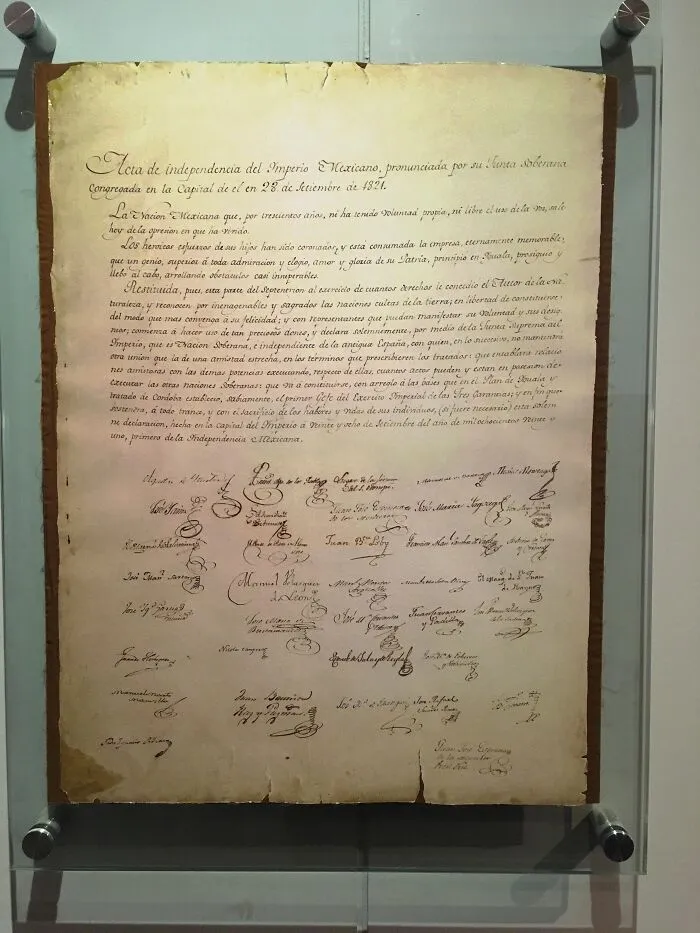
#18 September 28 1821– The Declaration Of Independence Of The Mexican Empire Is Ratified
The changes were increasingly international as well. Around 1820, researchers identify an important shift toward a more connected global economy, with greater price convergence between regions, industrial growth in Western Europe, faster transportation and communication, and increased migration. Treaties, customs systems, passports, and other standardized institutions helped make international movement and trade more organized.
At the same time, abolitionist campaigns, suffrage movements, reform societies, cheap print, and new educational institutions were giving more people opportunities to participate in public debates. The world captured in a 200-year-old image could therefore look unfamiliar while still containing the early versions of systems that would eventually shape modern society.
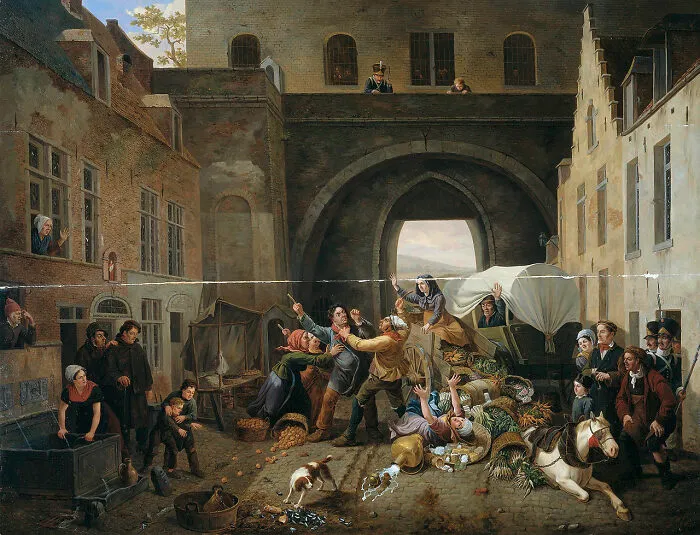
#19 1823. "A Collision At The Halpoort In Brussels (Alcohol Smuggling)" Painting By Constantinus Fidelio Coene