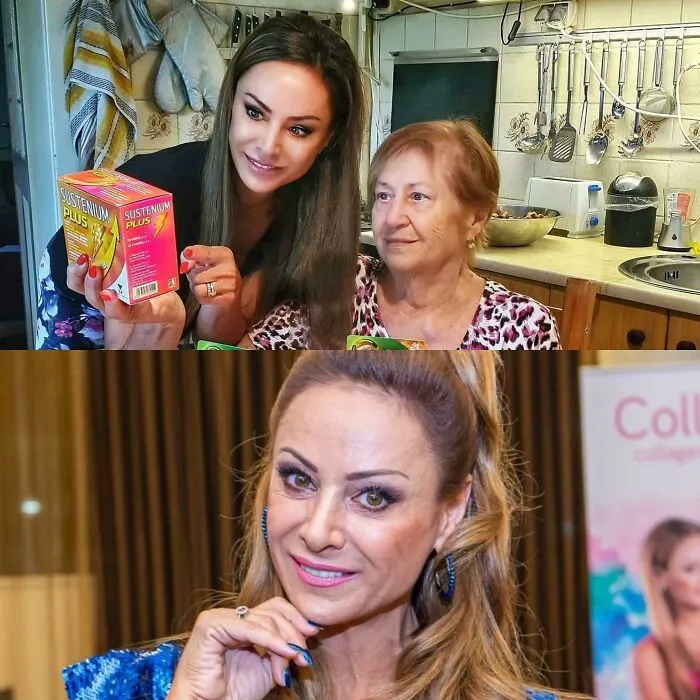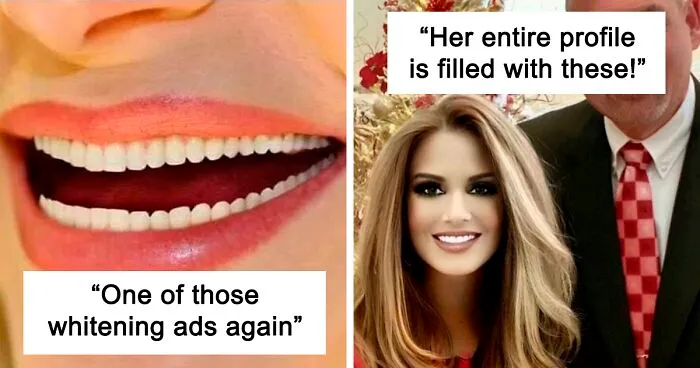





The head moderator of the r/Instagramreality subreddit, Zaza9000, told Bored Panda that 2020 was "hard on all of us," so they try to keep the community easy to engage with and be a part of. This openness is one of the reasons why the subreddit is so popular. "Last year so many people have shared interesting stories from their personal lives and I really hope we can carry that into 2021."
According to the head moderator, there have been some shifts in how people approach editing their content. Recently, there's been more interest in video editing than photo editing, for instance. "Especially apps like Facetune2 and SNOW that allows you to edit your body and certain Instagram filters that can make your lips appear bigger and make your skin unrealistically perfect. Seeing them glitch in videos has been a really popular topic on the sub," they explained.
"For us non-influencer, regular people of course travel isn't always an option especially if it's just for a vacation away. Unfortunately, there have been a few influencers that don't care, to be blunt. Some of them feel like traveling and being on vacation is necessary and well-deserved even though people in the medical field, teachers, retail workers, etc. don't get to just jump on a jet and get away."
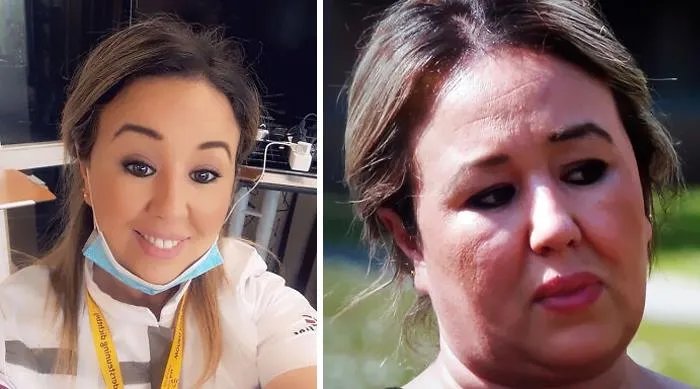
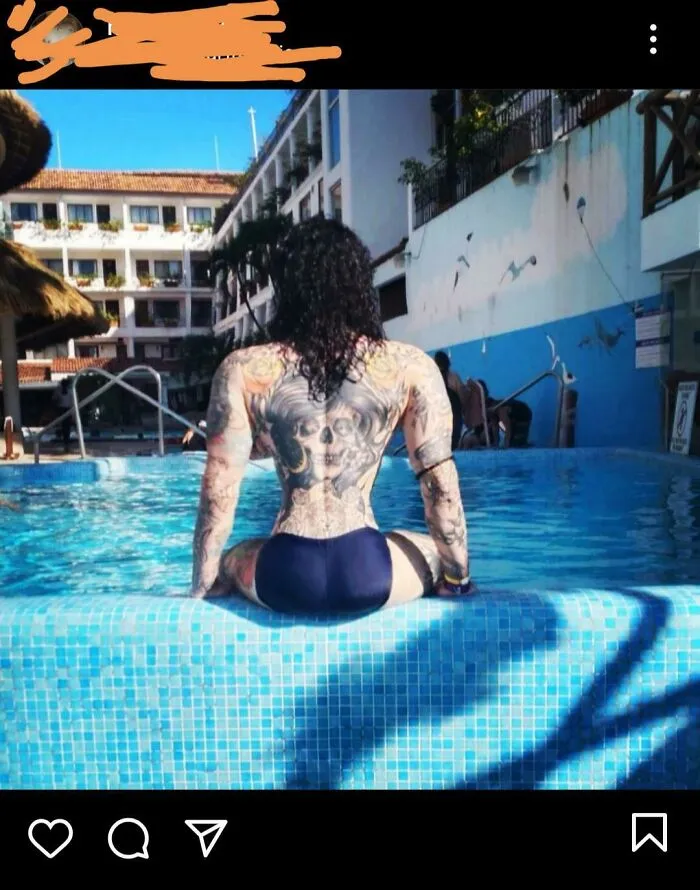
"A person can be addicted to anything, but they are only suffering an addiction if whatever it is they are 'using' has taken over their lives, and that they as individuals have lost the power of choice, i.e. that they cannot, regardless of how much they want to, stop 'using'. This is the effect that addiction has, it robs the individual of the ability to stop. Even if that individual is aware of the negative physical, psychological, or financial consequences, they still cannot stop. It is essential to not use the word 'addiction' flippantly; if a person is addicted, then they are in need of professional help and support," Albuquerque, the Head of Treatment for the UKAT Group, explained to Bored Panda, highlighting that nobody should throw around the term 'addiction' without realizing the weight the word carries.
According to him, it's the Covid-19 lockdowns are making us spend more time on social media because of how much things have changed. It's not all doom and gloom with social media, however, we should be aware of how much its use affects us.
"We would say that it is more than likely that society as a whole spent more time on social media and other internet-based platforms during the Covid-19 lockdowns than before, simply because for many, their normal day to day life was turned upside down, or even stopped altogether, and so a lot of people found they had more spare time on their hands. Some people turned to social media during the lockdown to stay connected with others, which is really important and actually a healthy approach to take. Where it starts to negatively affect a person is when being on social media consumes them completely, and they no longer want to be present in their actual 'offline' day."
Bored Panda was also interested to understand where the line between a regular social media user and somebody who is addicted lies. Albuquerque's take on this is that even though this line is different for each individual, it's important to recognize whether or not the person has lost the power of choice.
"If the person cannot undertake their regular day to day routine without being on social media or needing to get back to being on social media, as in they have potentially developed not only a psychological desire to be online but also physical urges begin as well, then there could well be an addiction there," he went into detail.
"An unhealthy relationship with social media could also be recognized if the individual develops mental health illness from being online, for example, feelings of anxiety or depression arising during or after being on social media. Similarly, for some people we have treated at our UK Addiction Treatment Centres, being on social media is a trigger for them to then misuse drugs or alcohol. During therapy, we address why a person drinks alcohol or misuses drugs, and for some, it is because of their unhealthy relationship with social media," the UKAT Group Head of Treatment revealed how social media can be linked to other addictions.

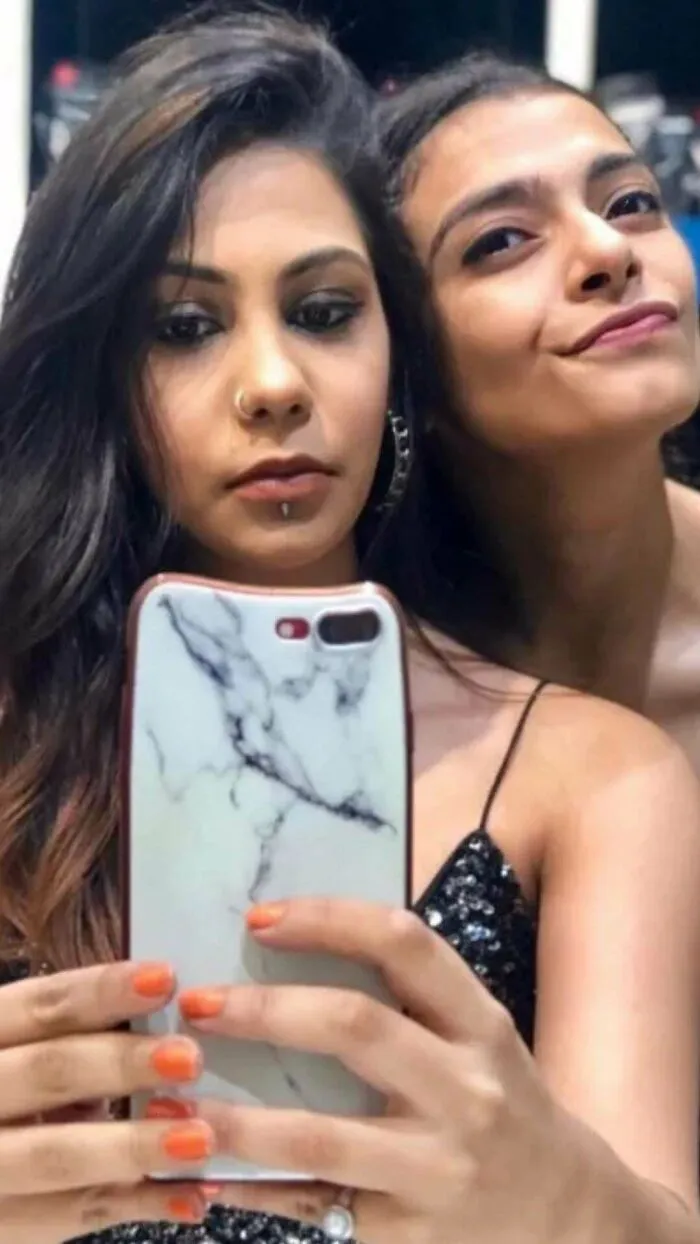
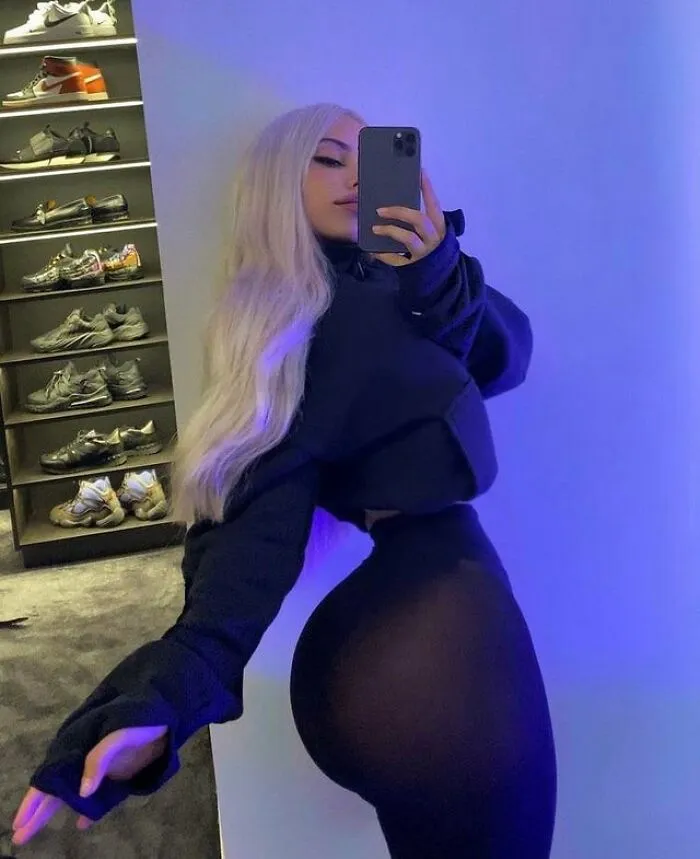
"The most important piece of advice we can give is to be mindful and aware; check in with yourself during and after time spent on social media, ask yourself how do you feel? Can you now switch off and get on with your day? Any negative feelings or inability to move on from being online should be a red flag," Albuquerque said.
We’re social animals after all, as David Brooks argues in his book. And the desire to be accepted by our peers and our community members is hardwired into us: we’re far more social than our modern culture of individualism gives us credit for. Approval, love, adoration, respect—they’re all things that we want.
However, taken to an extreme, our desire for social approval can grow into desperation. Couple that with social media addiction (we are, some of us, spending more time online than usual and the problem could be getting worse) and you’ve got the perfect breeding ground for folks who want to show the world their best possible side in exchange for attention online. At any cost.

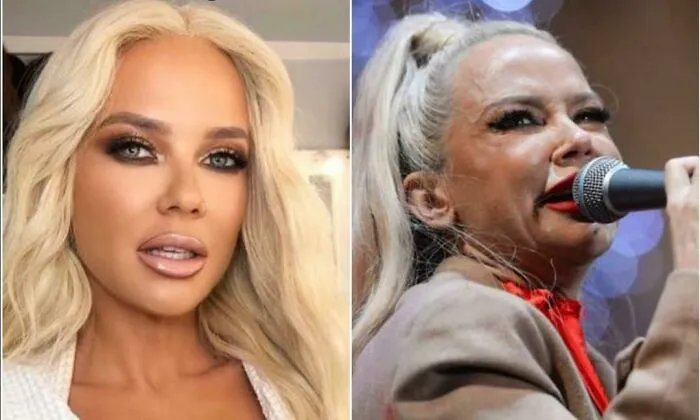

According to ‘UK Rehab,’ overusing social media affects more than just the individual: the community spirit can break down and there’s also a general loss in productivity. What’s more, social media addiction “can also trigger mental health problems” and will continue to lead to even more issues as it’s becoming “even more prevalent than drinking.”
You’d need to see a specialist to determine whether or not you’re actually addicted to social media, but, in general, addiction is something that we continue to do despite it having obvious negative effects on us.
Something else to keep an eye out for that could indicate that we’re addicted to social media is that we hide how much time we spend on social media. What’s more, we fall behind on our responsibilities both at home and at work, we get defensive whenever somebody brings the subject up, and we withdraw from the real world to spend more time online.


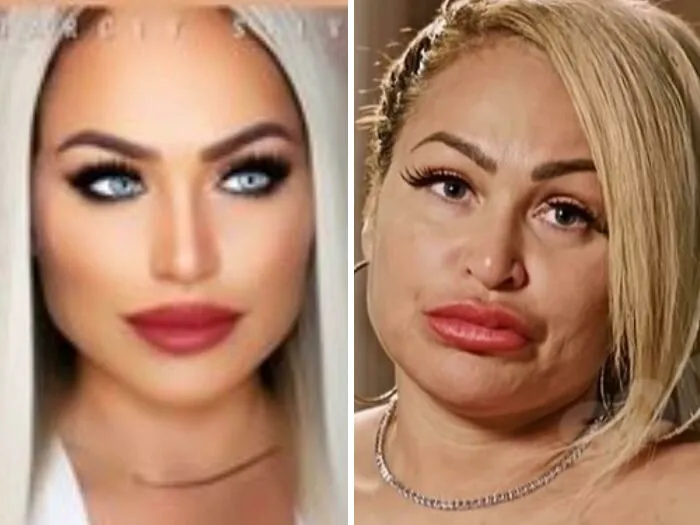
#18 Please Don’t Compare Yourself To Instagram. They Don’t Look Like That In Real Life. Skin Texture Is Normal
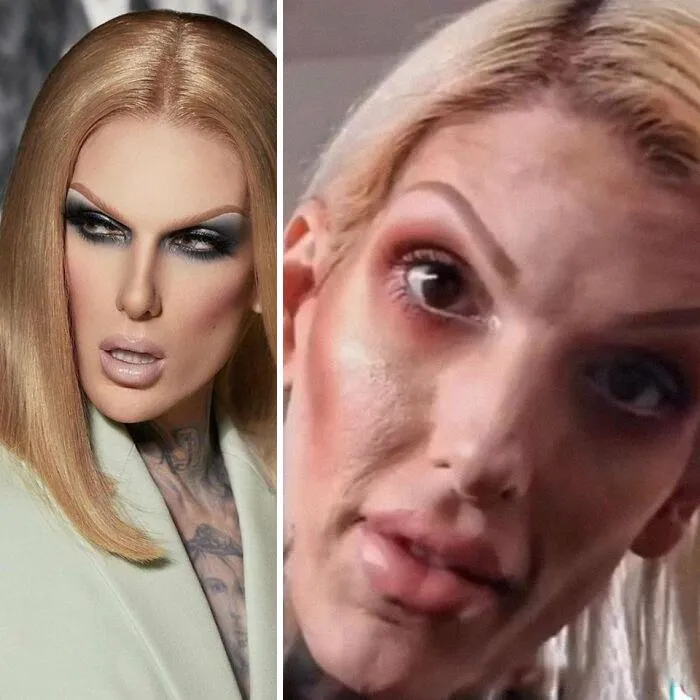
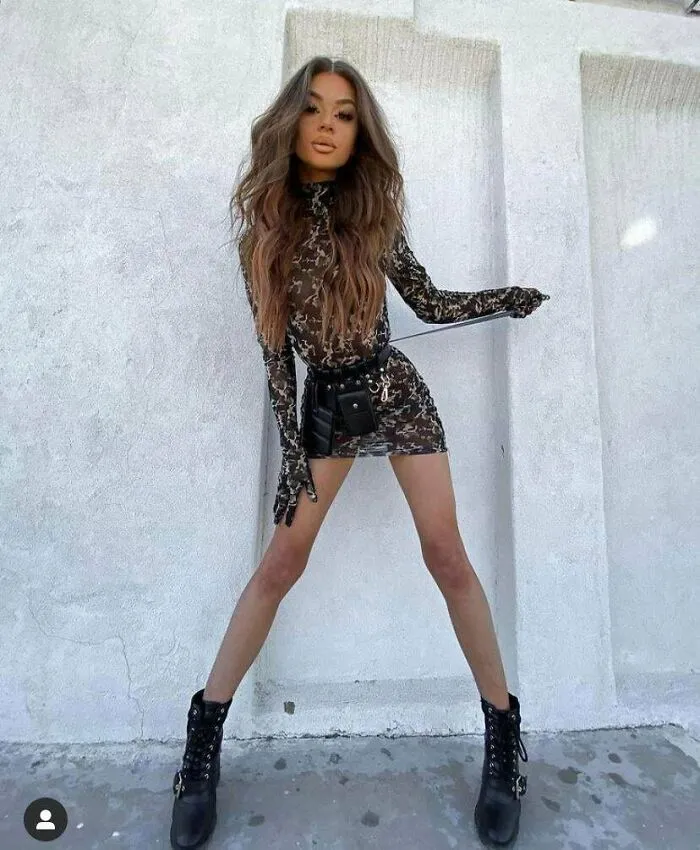
#19 A Popular Fitness Influencer (1m+ On Instagram) Who Pushes The Idea Of Body Positivity...caught Photoshopping A Thigh Gap