


"It would be exhausting to fact check every single news item we hear. In fact, insisting on this degree of skepticism is something that demagogues use to get us to be cynical, because when we doubt that it is possible to know the truth—even when it is staring us in the face—we are riper to their manipulation. So I'd say the best thing with news is to do a little investigation into finding a reliable source," he said.
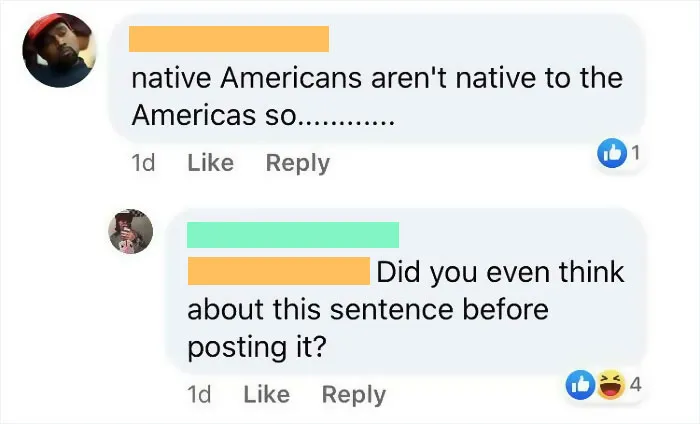
#23 Maybe Not "Insane" But I Thought It Was Pretty Funny And I Wanted To Share


"Look for an organization that does investigative journalism (and doesn't just repeat information from other sources), double sources its quotations, discloses conflicts of interest, etc. Once we've found that we can relax a bit and trust the reporting behind the stories. Do we still need to be on guard? Yes. Even The New York Times can make mistakes. Or individual reporters can have biases. But that doesn't mean 'all sources are equal.'"
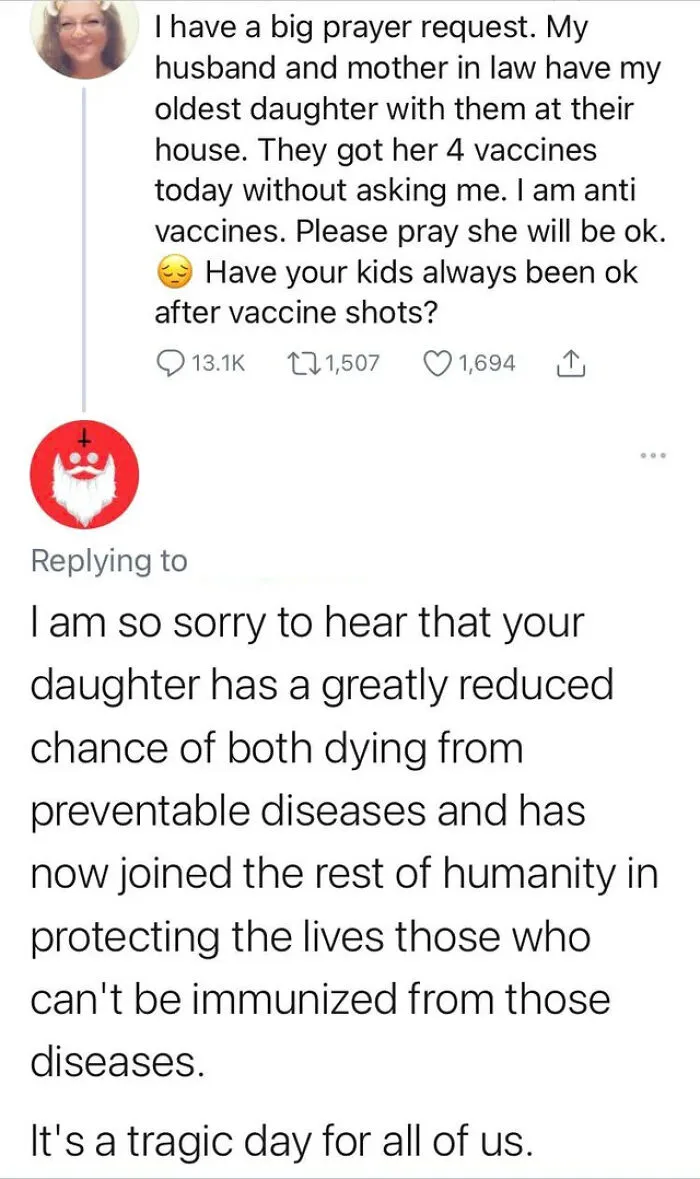
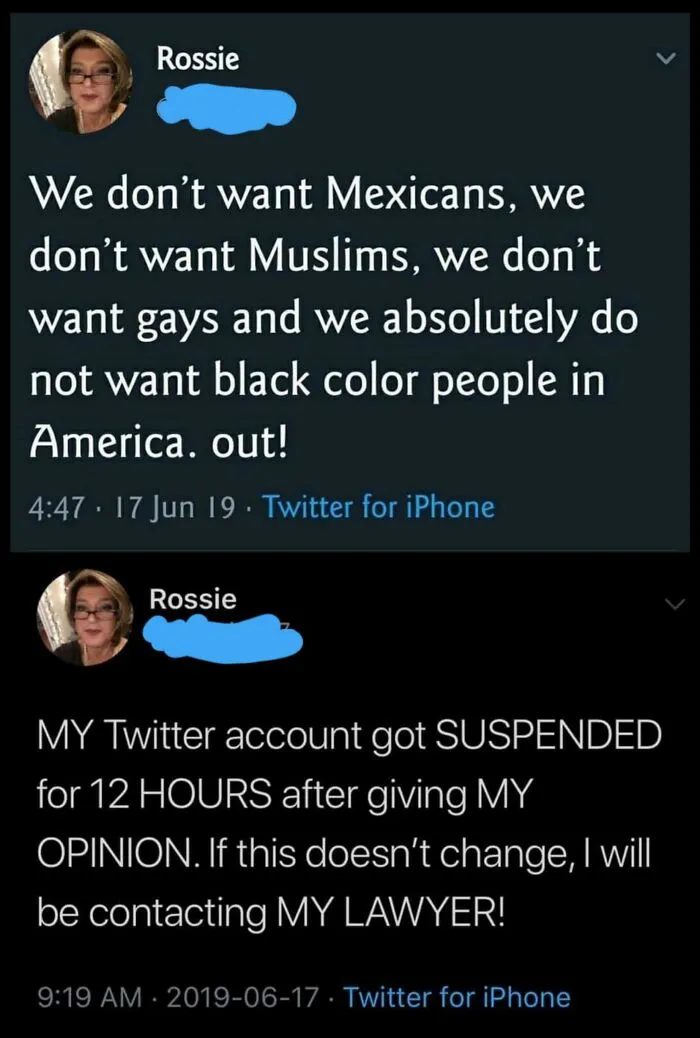
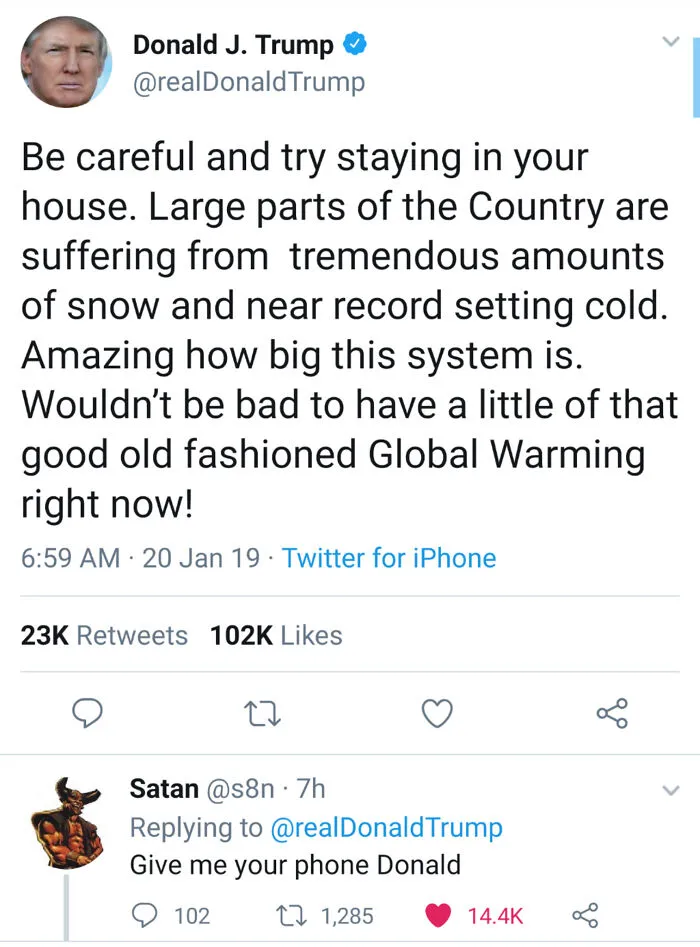
Lee also gave Bored Panda a list of questions we should ask ourselves to test the truthfulness of a source. "There are various sources for media literacy that can help. They teach this to KIDS in Finland! It's easy to learn. Is the story copyrighted? Is it dated? Is there a byline? Are other stories by the author solid? Is it published in a source that has been reliable in the past? Does it seem plausible— if not then you can do some research," he said.

#29 Did You Know Baby Boomers Share Almost 7x As Much Disinformation On Social Media Than Other Adults?