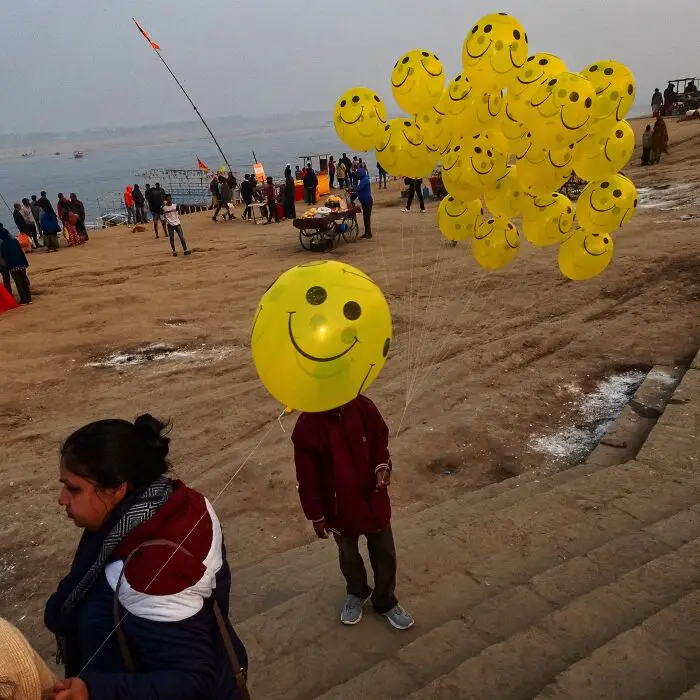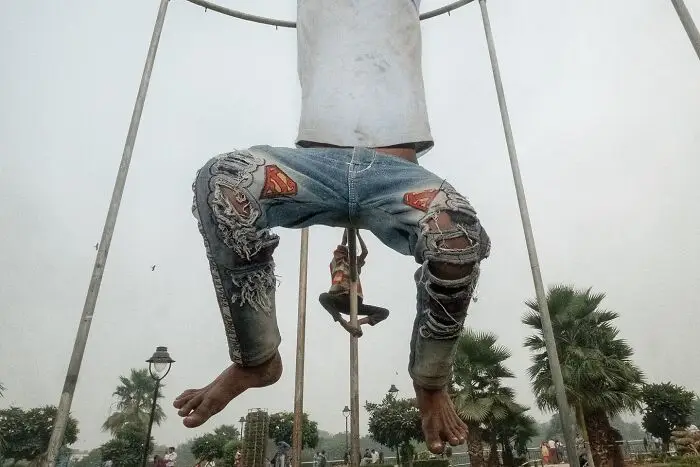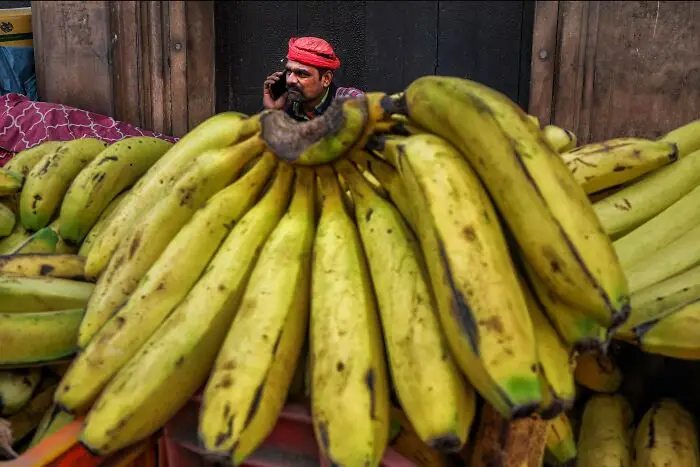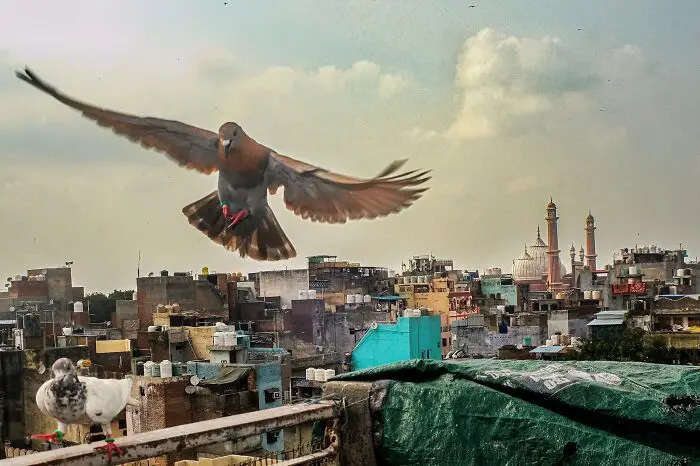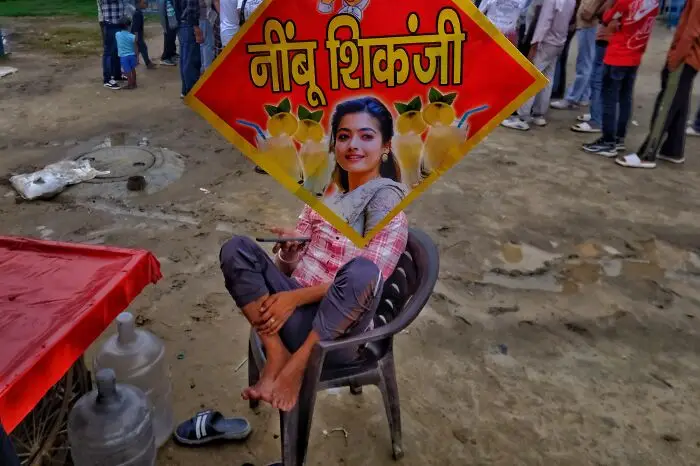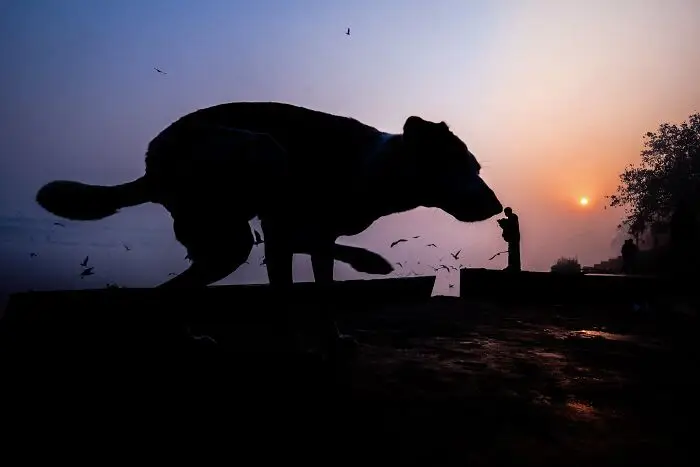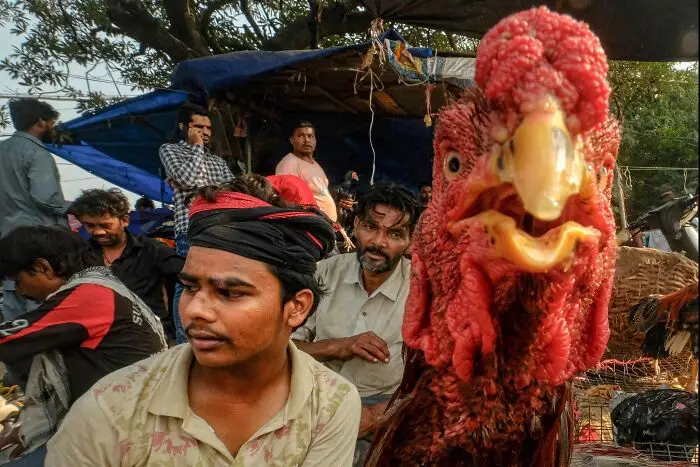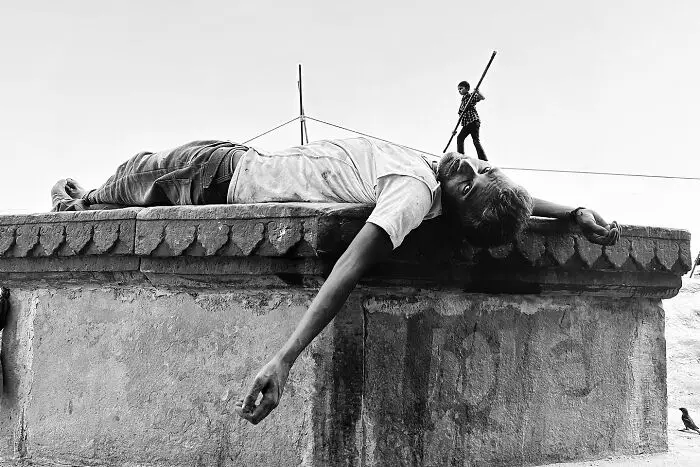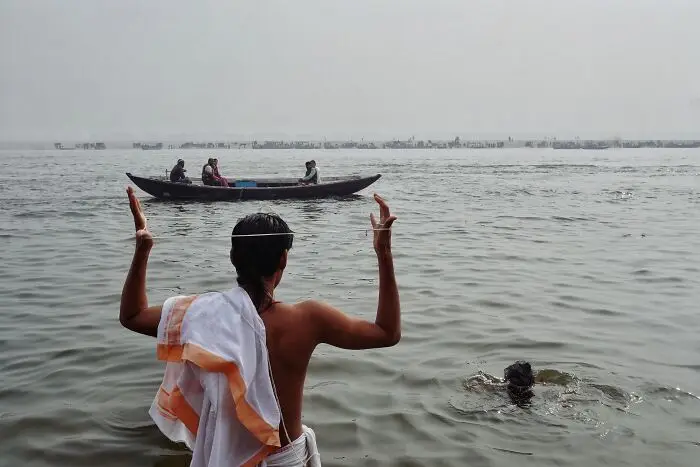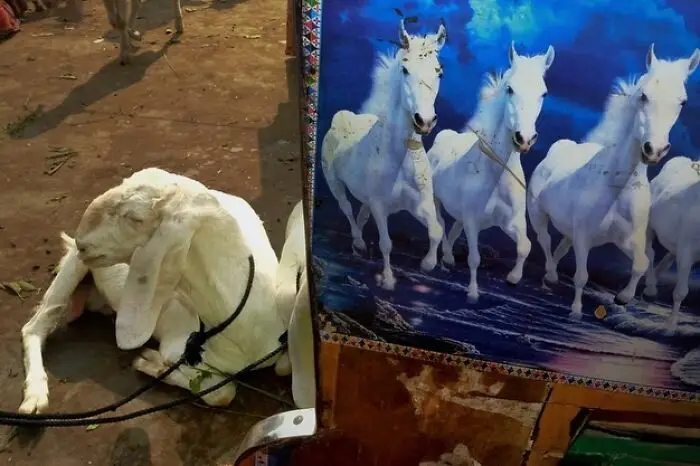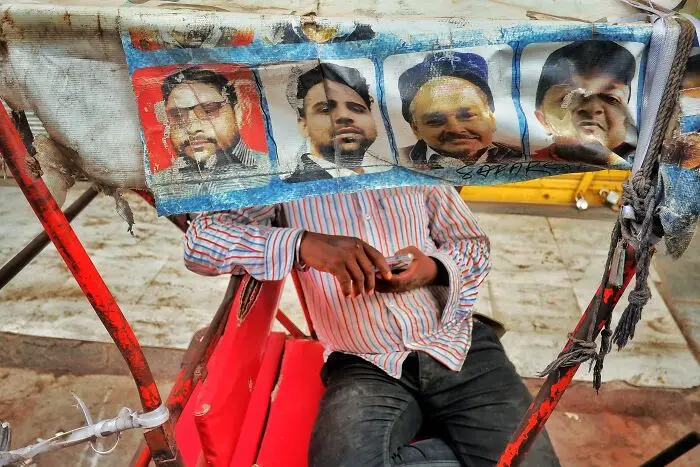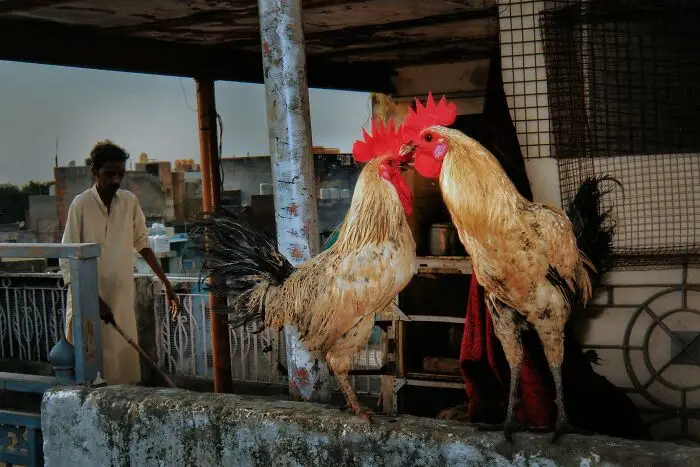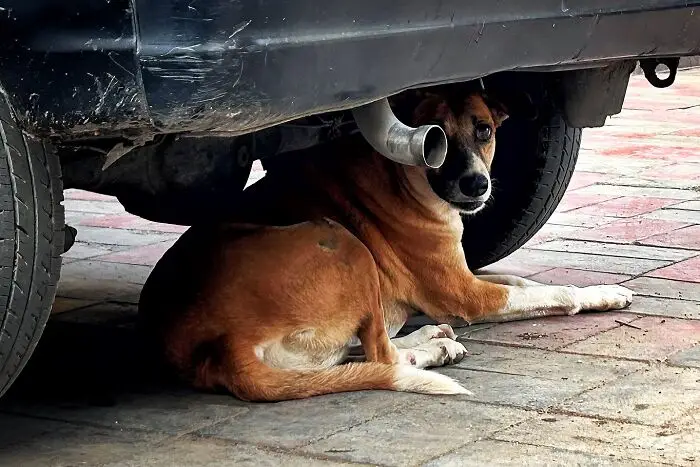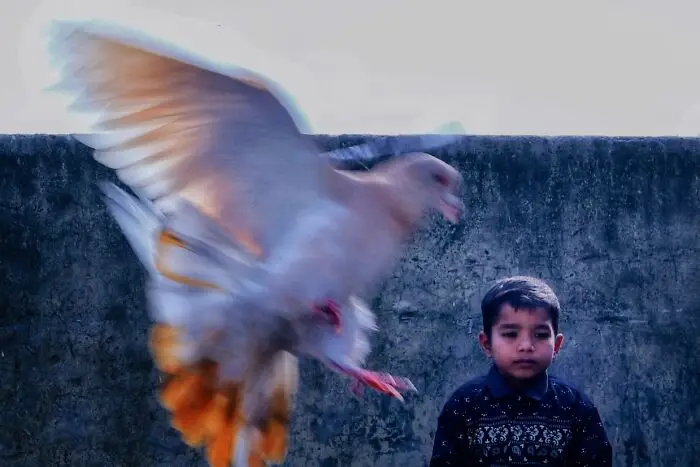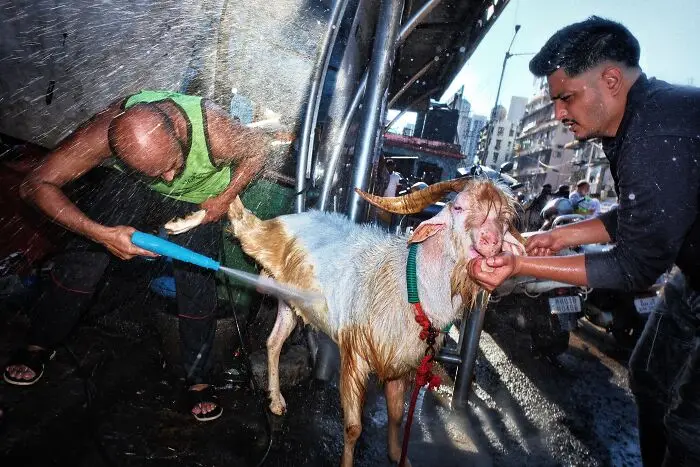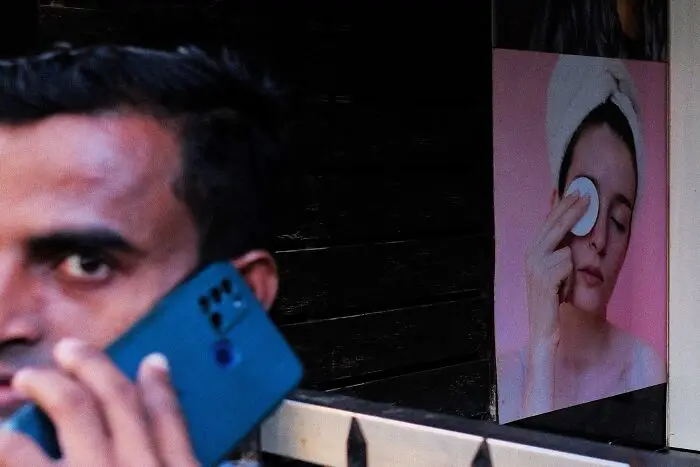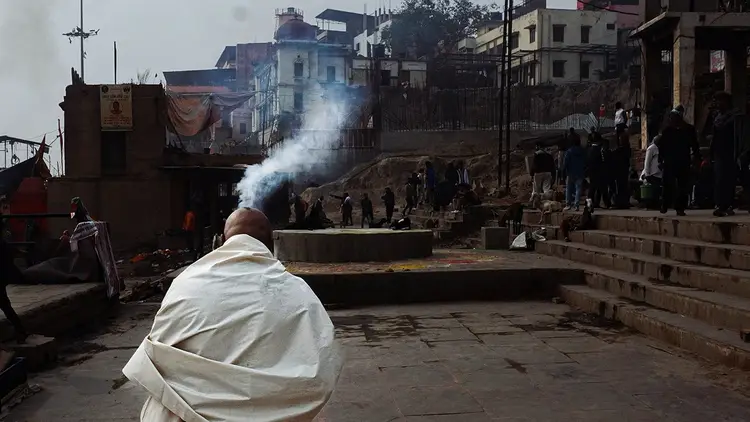


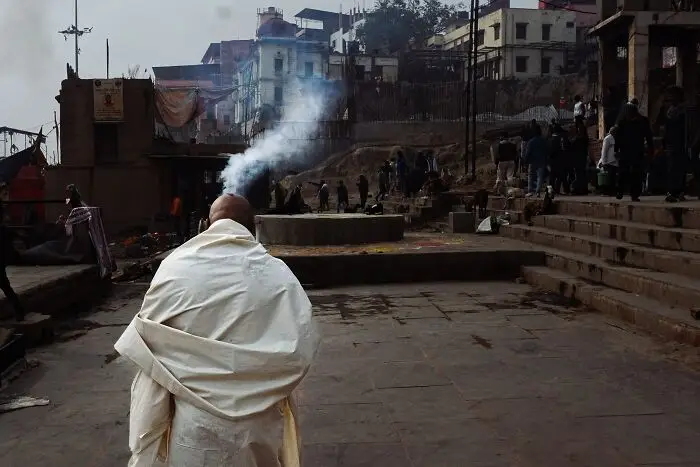
Photography, Arpit told in the interview with Bored Panda, began with people rather than pictures. “What inspired me most was the power a camera gave me to capture raw emotions, untold stories, and the realities of people from all walks of life,” he said. “I’ve always been fascinated by observing people: their lives, struggles, expressions, and interactions on the streets.” Over time, the camera became his way of preserving emotions that would otherwise go unnoticed. “For me, it’s not just about taking pictures. It’s about telling stories through them.”
What keeps him coming back is the lack of control. “I love the unpredictability of the streets and the decisive moments that unfold without any planning,” Arpit explained. “There’s something beautiful about how life moves around us, with countless stories happening at once.” India’s festivals hold a special place in that search. “Every celebration has its own identity, rituals, colors, and emotions,” he added. “Documenting them lets me connect with my roots and with people on a deeper level. It gives me a sense of fulfillment that’s difficult to put into words.”
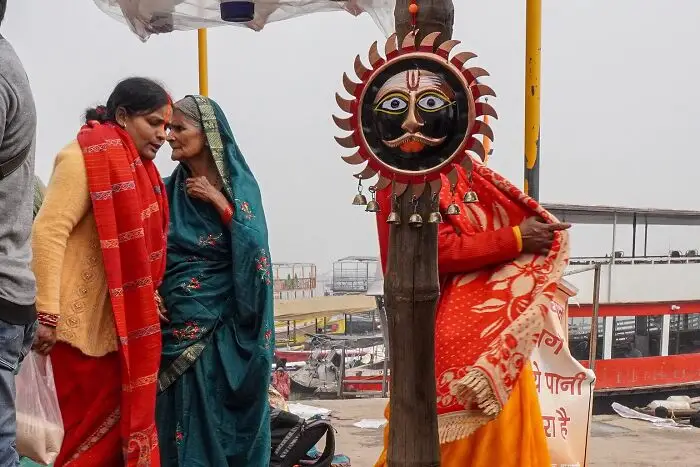
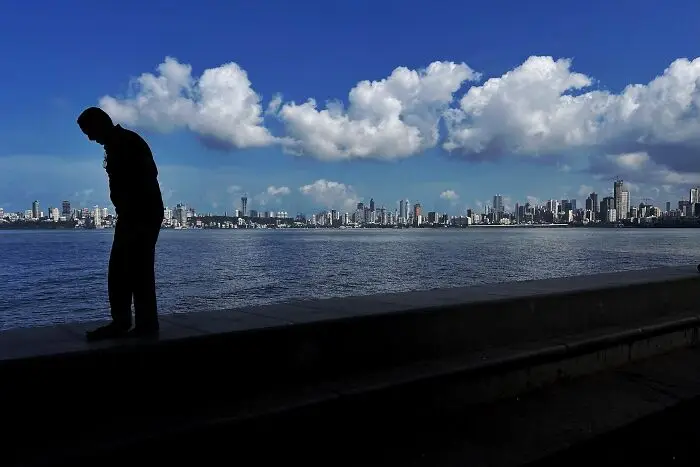
As for knowing when to press the shutter, the photographer credits a mix of practice, instinct and observation. “Over time, photography has trained my eyes to notice details, anticipate what’s coming, and recognize interesting interactions before they happen,” he noted. “Sometimes it’s a split-second decision, almost automatic.” There’s an emotional side to it, too: when a scene resonates with him, the urge to capture it follows naturally.
Asked to pick a favorite, Arpit admitted it’s impossible. “Behind every frame, there’s an observation, an emotion, and sometimes even a struggle to get the shot,” he shared. “Some photographs come together effortlessly, while others take patience, persistence, and being in the right place at the right time.” In his view, the real beauty of photography lies not only in the final image but in the experience of capturing it.