

This post may include affiliate links.

Get some tweezers or a needle, sterilize them, and gently pull or push the splinter to remove it. Just remember not to squeeze out a splinter because you might break it up. When you’re done, clean up the wound. If you’re unsuccessful or something unexpected happens, don’t be shy and reach out for help. A friendly neighbor or your local doctor might be able to help you.



According to the Hardwood Distrubutor’s Association, one way to boost your efficiency when working with wood is to keep a clean and orderly workspace. Sure, cluttered workstations have a certain amount of charm to them, but all the chaos can be a hindrance if you’re working on a project.

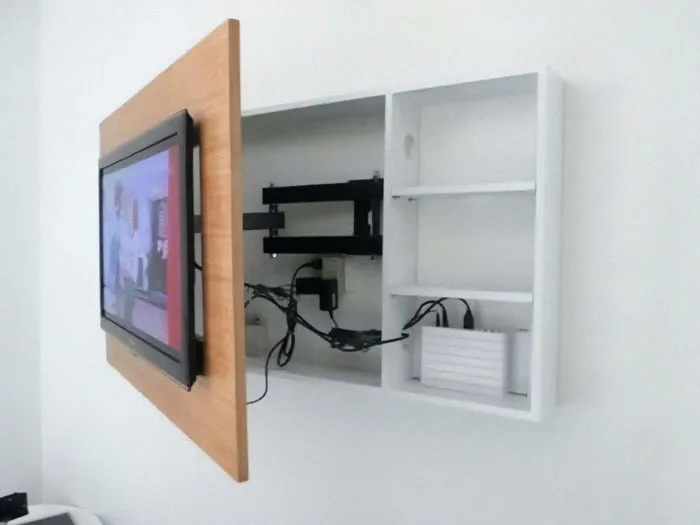
“Achieving efficiency in your shop can sometimes be as simple as clearing clutter from your work area. A disorderly work area can hinder your productivity. Only keep out items that you use daily. Everything else should be put in designated areas so they’re quickly retrievable when needed,” they suggest.

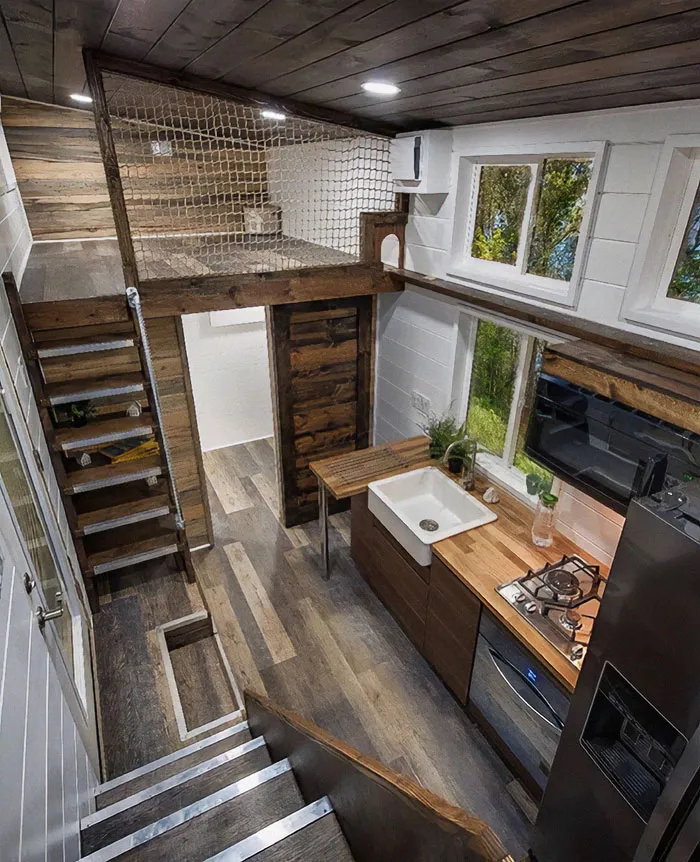

The HDA also reminds woodworkers to install proper lighting in their workshops. Painting the walls and ceiling white can also help diffuse the light and reduce the number of shadows. That way, you’ll be chiseling and hammering away in a much safer environment. It’s easier to avoid accidents when you can see every piece of wood, all the machinery, and every tool.
And speaking of tools… remember to take care of them. They deserve to stay sharp and oiled-up so you can show off your skills to the fullest.