

#2 This Is The Actual Pine Branch Left At The Burial Site By The K**ler In Finland’s Most Known Unsolved M**der
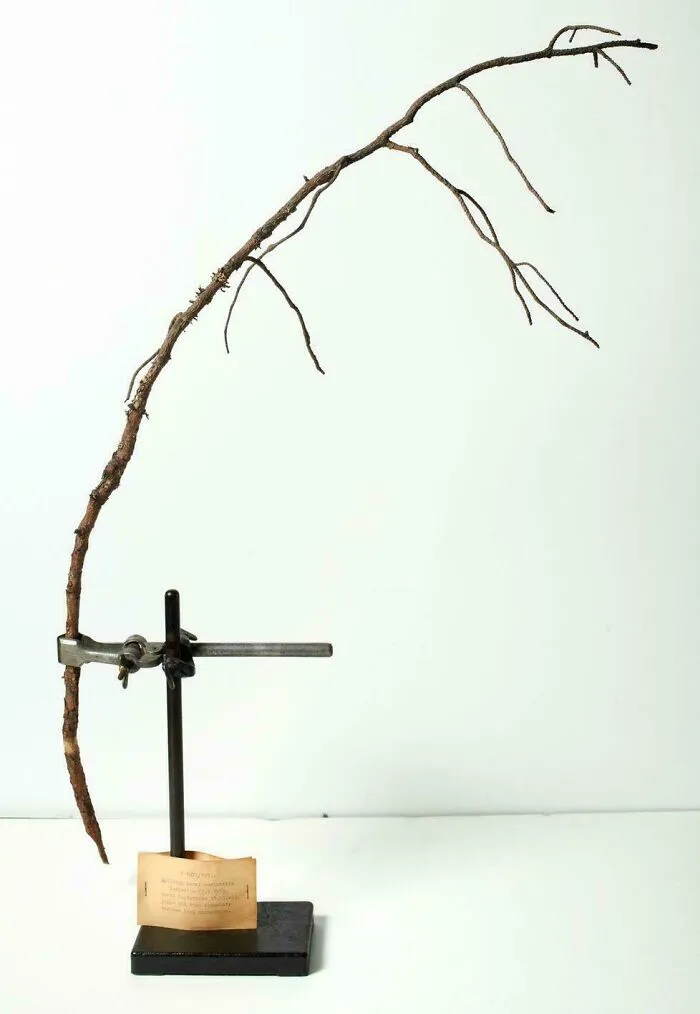
s**t-n-water:
I don't understand, did the k**ler plant that stick as a sort of grave marker on the bog and it was recovered?
Exciting-Detail-58 OP:
Yes. The stick was sharpened with a knife on the other end and when it was struck to the ground it pierced one of victim’s lungs. Investigation concluded that the body must have been in the state of decomposition in order for it to be possible. So perhaps the k**ler has been visiting the site multiple times or the body was buried long after she was k**led.
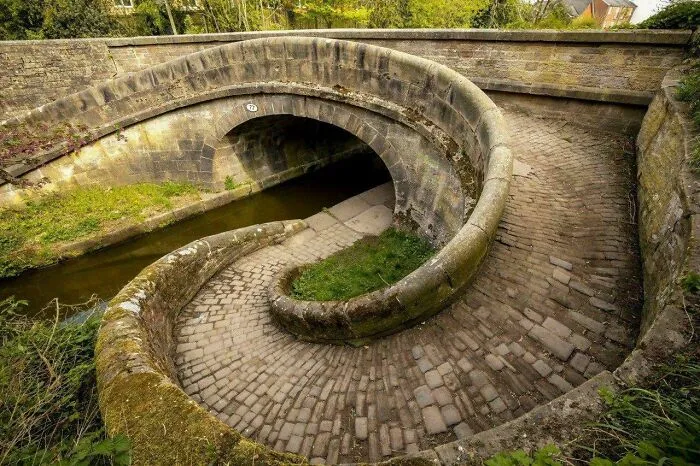
#3 A 19th Century Ce Snake Bridge On The Macclesfield Canal, In England, Which Allowed The Towpath To Cross The Canal Without The Horse Being Unhitched From The Narrowboat It Was Pulling
Many of the artifacts featured on this list are centuries old. Yet they remain intact for everyone to marvel at today, and even touch, to a degree. That can make one wonder: how are these objects preserved?
Conservators Laura D’Alessandor and Alison Whyte shared insider details in a 2024 interview with the University of Chicago.
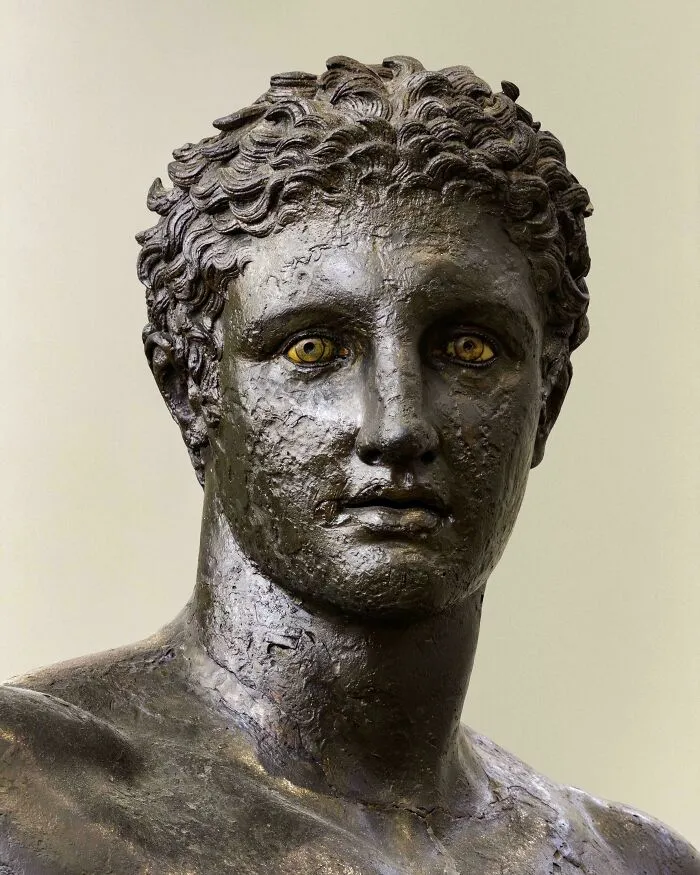
#4 The Piercing Eyes Of The Antikythera Ephebe, Found In The 1900s Off The Coast Of Antikythera, Greece
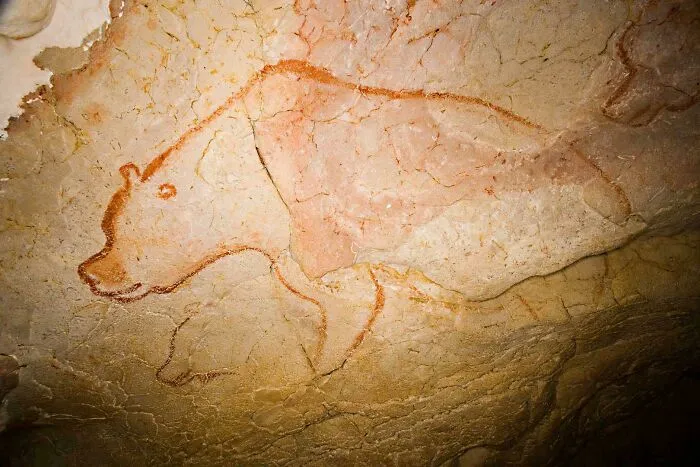
#5 This Painting Of A Cave Bear, At The Chauvet Cave In France
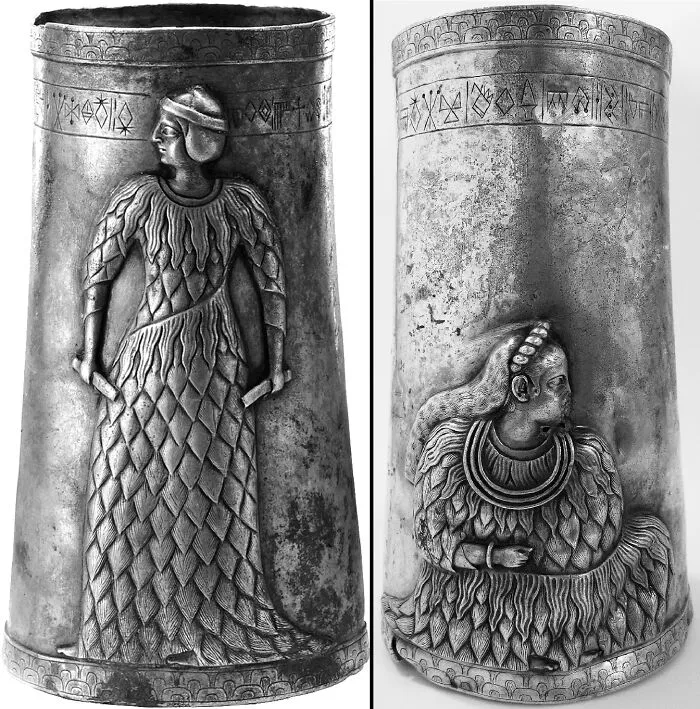
#6 An Elamite Silver Cup Found In Marvdasht, Iran
According to Whyte, artifacts go through a rigorous process in which conservators like her determine and maintain the optimal environment for them. Relative humidity and light levels are just two key factors to consider.
“We carry out treatments on objects when necessary, including cleaning, stabilization, repairs, and reconstructions,” Whyte said.
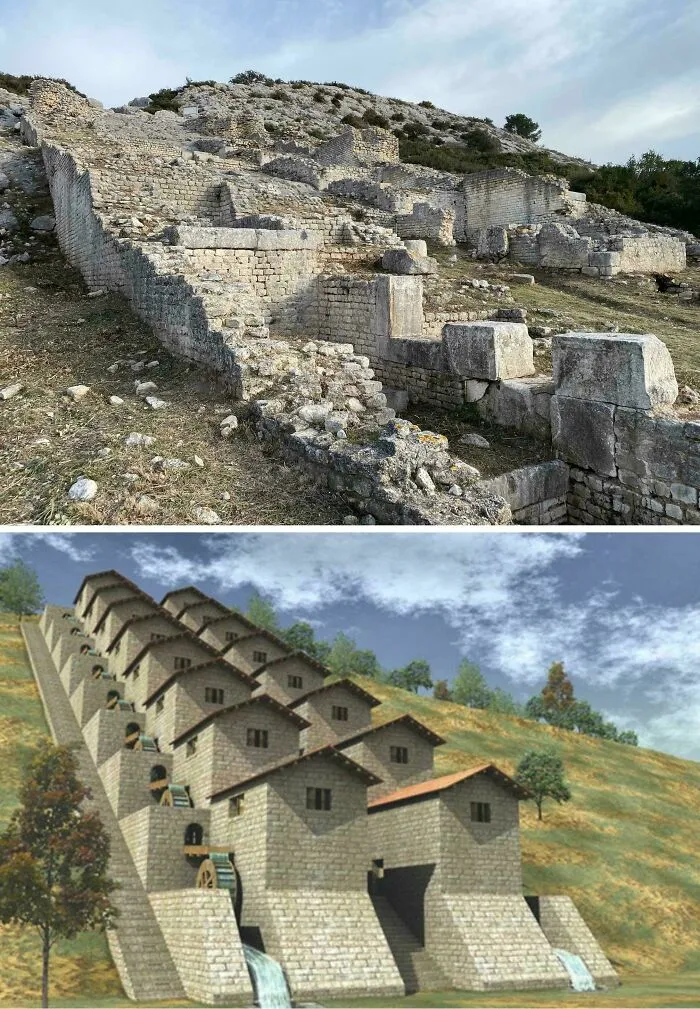
#7 The 2nd Century Ce Roman Barbegal Watermill Complex, A Unique Cluster Of 16 Waterwheels In Southern France
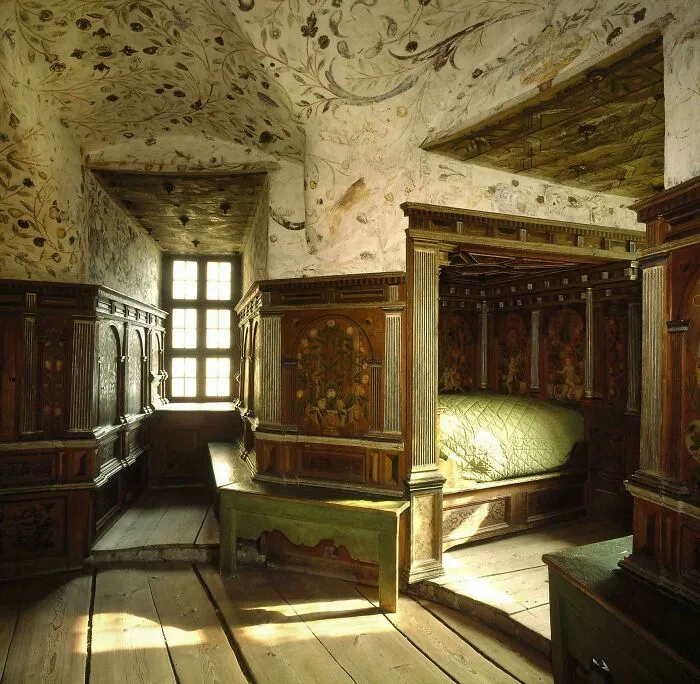
#8 Duke Karl's Chamber At Gripsholm Castle
#9 A Group Of Ancient Egyptian Glass Rods, Circa 5th-1st Century Bce, Sold At Christie's In 2012

"To create certain designs, Egyptian glassworkers began stretching lumps of glass into long thin rods called canes. These canes could later be re-heated and moulded, and were sometimes used to decorate vessels, or shaped to create earrings."
Millefiori designs, invented in Egypt, fused slices of rods, which were coloured and patterned in layers, like sticks of rock, to form patterns likened to a thousand flowers - millefiori.
During the interview, Whyte and D’Alessandro were conserving a collection of nearly 300 glazed clay bricks dating to the eighth century B.C.E. from the Sin Temple at Dur-Sharrukin, in today’s Khorsabad, Iraq.
As D’Alessandro explains, the excavators photographed and labeled each brick before carefully packing them into more than 40 crates.
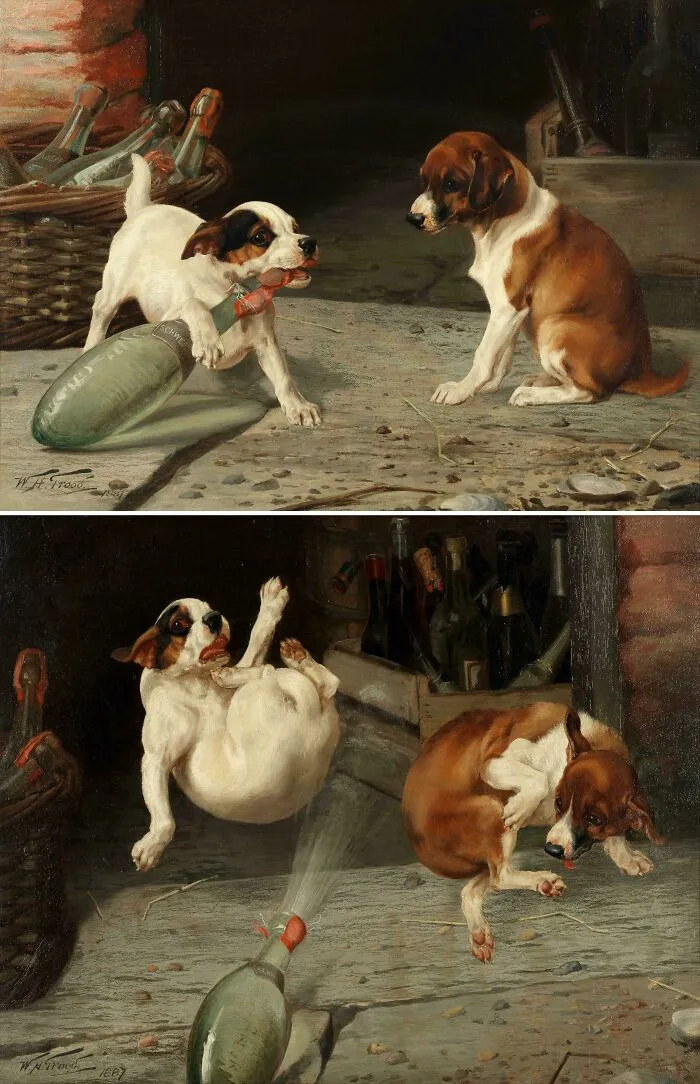
#10 'schwepped Of Their Feet Both' Is A Pair Of Paintings Made By The English Artist William Henry Hamilton Trood In 1887 Ce
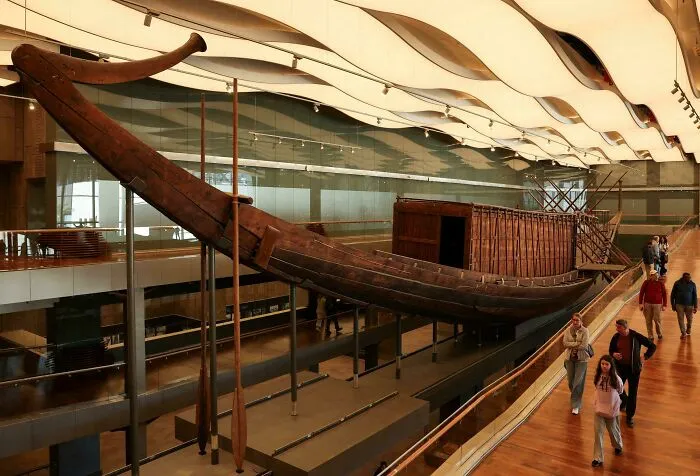
#11 The Khufu Ship Is A 4500-Year-Old
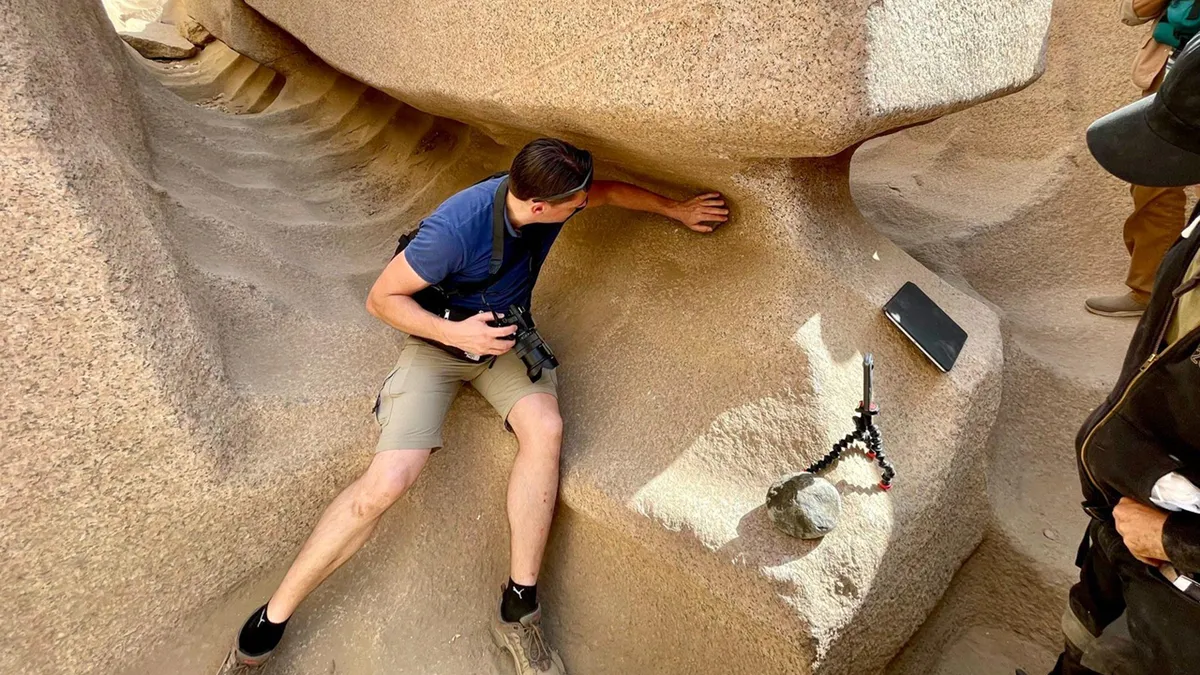
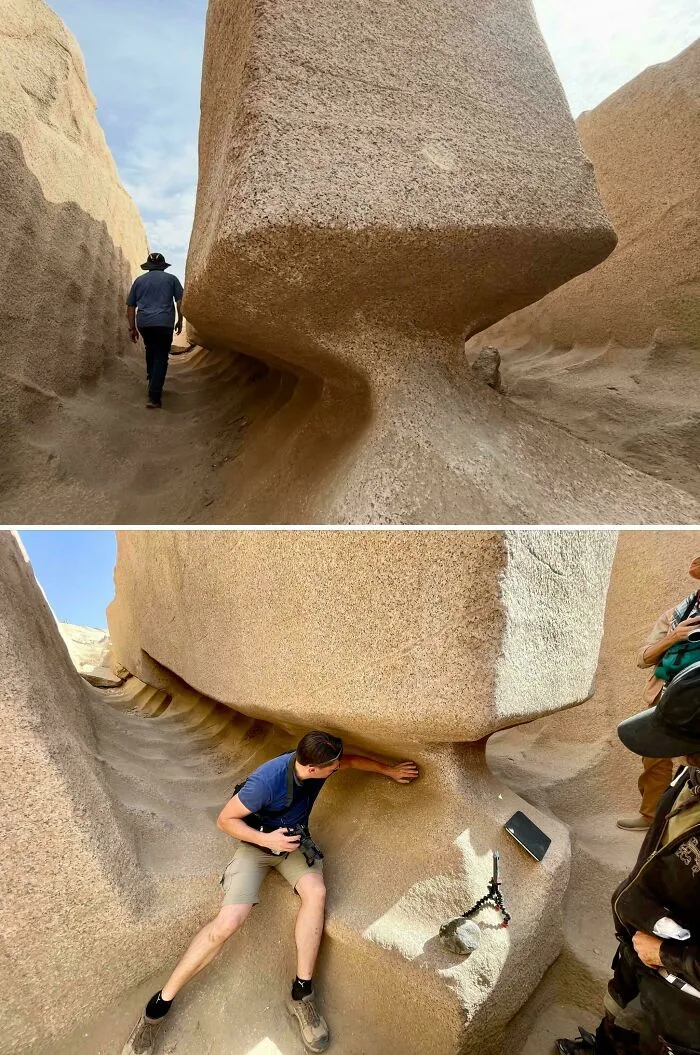
#12 Located At The Granite Quarries Of Ancient Egypt In Aswan, Not Far From The Famous Unfinished Obelisk, Another Huge Piece Of Rock Was Even Closer To Being Freed
Whyte then explained that the process of taking them out of the crates required much patience, considering the fragility of the bricks
“Stabilization can involve cleaning to remove any residual dirt from burial, consolidation, and repairs,” she explained. “Consolidation essentially means applying a low concentration of an adhesive to the surface to try to make it stronger.”
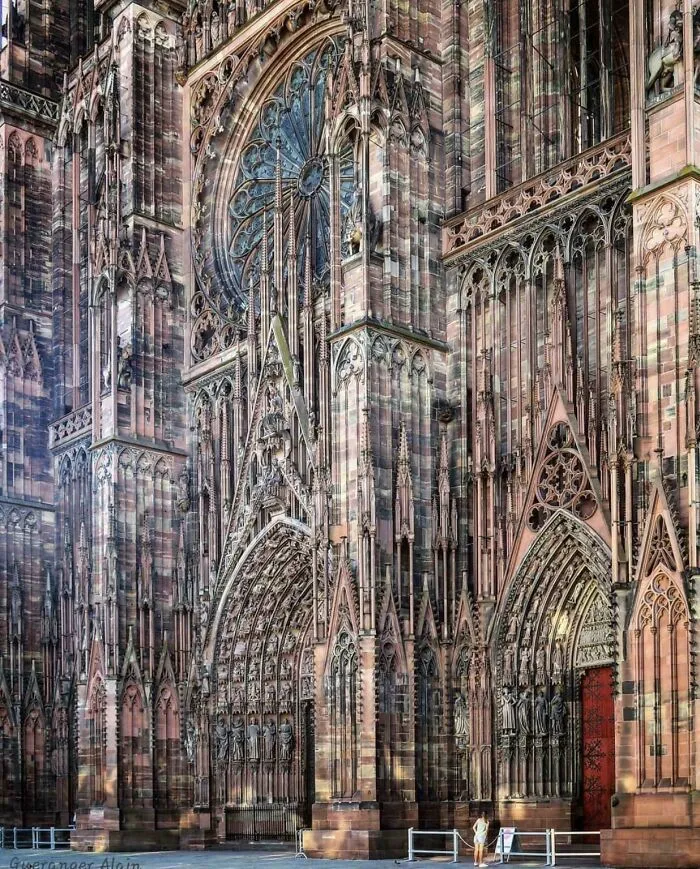
#13 The West Portals Of The Massive Strasbourg Cathedral In France (With A Person In The Foreground For Scale)
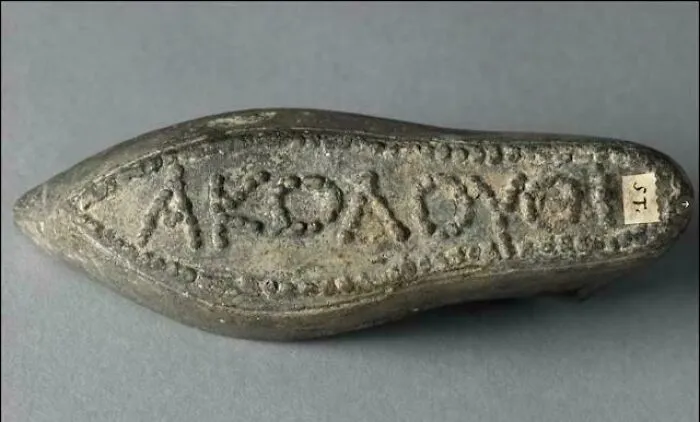
#14 A Lady Of The Nights Shoe From Ancient Greece, Engraved With The Word “Follow” (Ακολουθει)
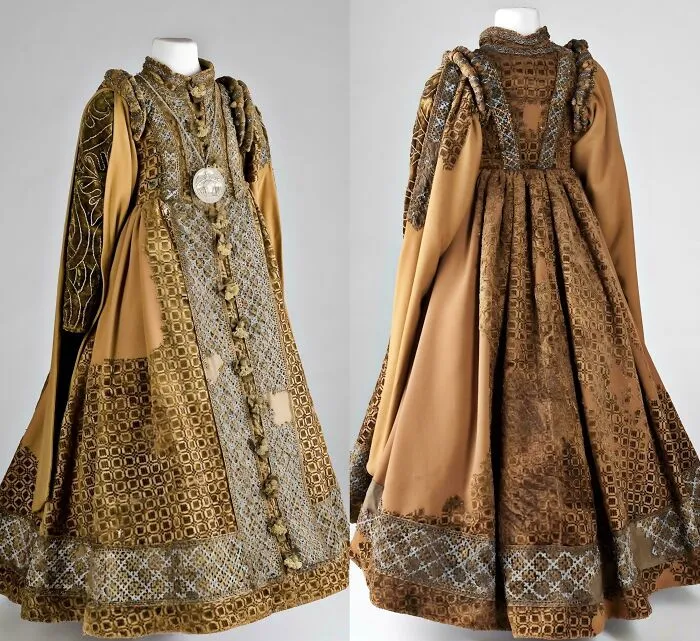
#15 Dress Worn By Countess Katharina Zur Lippe, Who Died On 19 May 1600, Aged 6. It Was Discovered In The Grand Tomb Of The Augustinian Canons In Blomberg
A conservator’s job is to preserve these historical relics and make them stand the test of time for future generations to see up close. It is an essential and arduous undertaking, which is why D’Alessandro takes pride in her work.
“We are the caretakers of a remarkable part of the world’s cultural heritage here at the University of Chicago. And it's an amazing resource for people locally, as well as researchers from all over the world.”
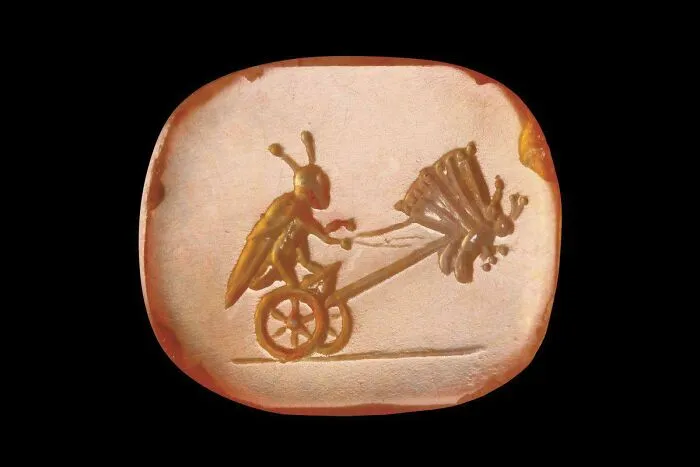
#16 Roman Carnelian Intaglio Depicting A Grasshopper Driving A Chariot Being Drawn By Two Butterflies, C. 1st Century B.c - 1st Century A.d
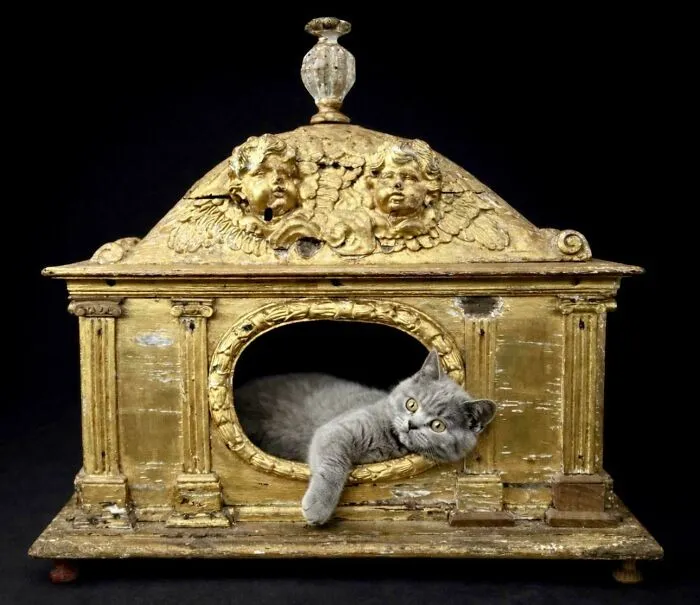
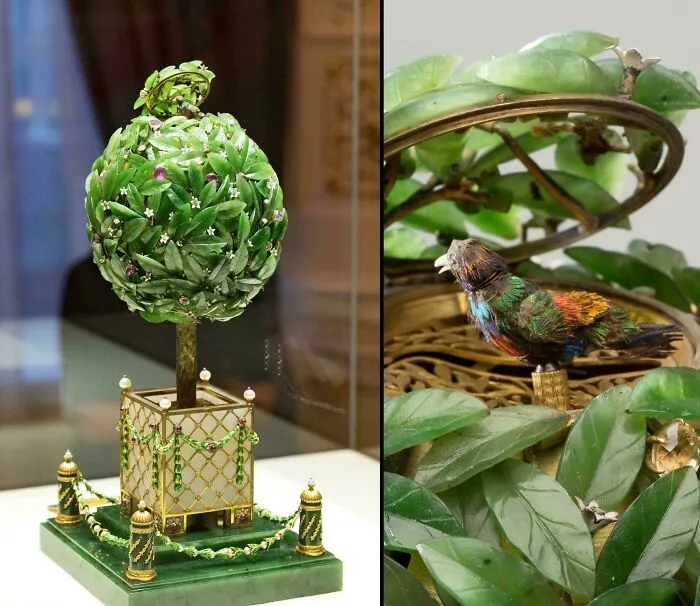
#18 The Bay Tree Fabergé Egg, Decorated With Nephrite And Precious Stones, With A Little Bird Inside
It’s amazing how much history can live and survive in a single object. Each artifact on this list offers a sneak peek into a world that existed long before ours. And who knows how many more are still undiscovered?
For now, feel free to join the conversation. Which of these artifacts impressed you the most, and which ones would you love to learn more about? Share your thoughts in the comments below!
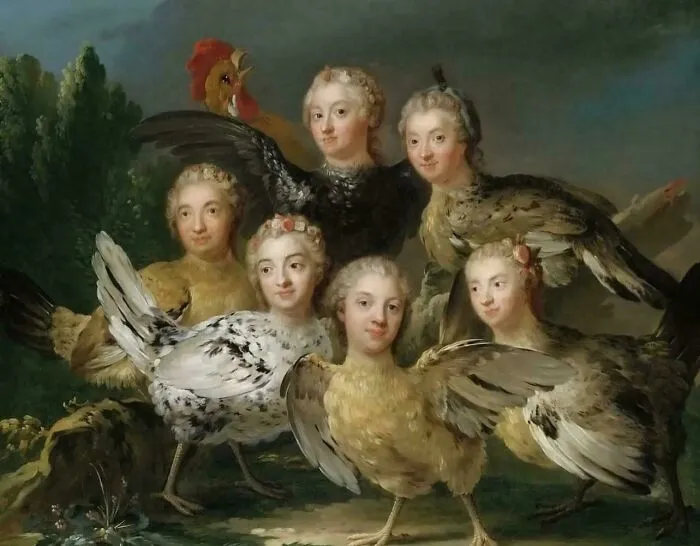
#20 "The Hen Picture" (Hönstavlan) By Johan Pasch, A Surreal 1747 Painting Depicting Swedish Court Ladies As Chickens With Human Heads. National Museum, Stockholm