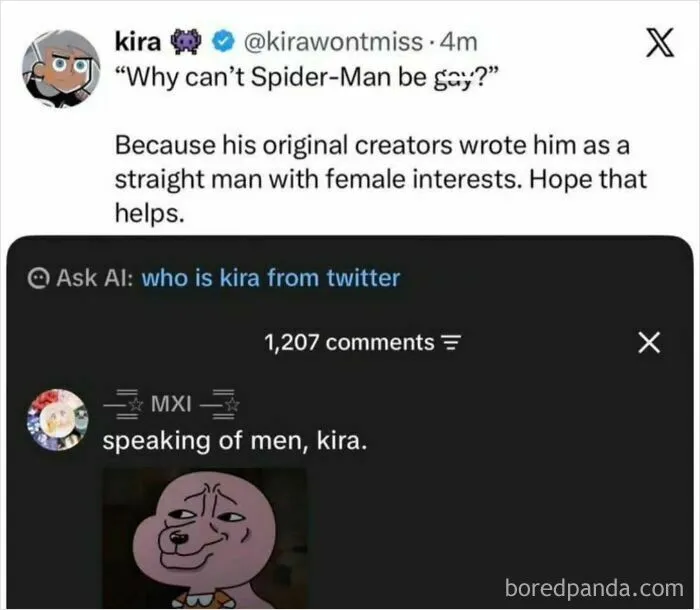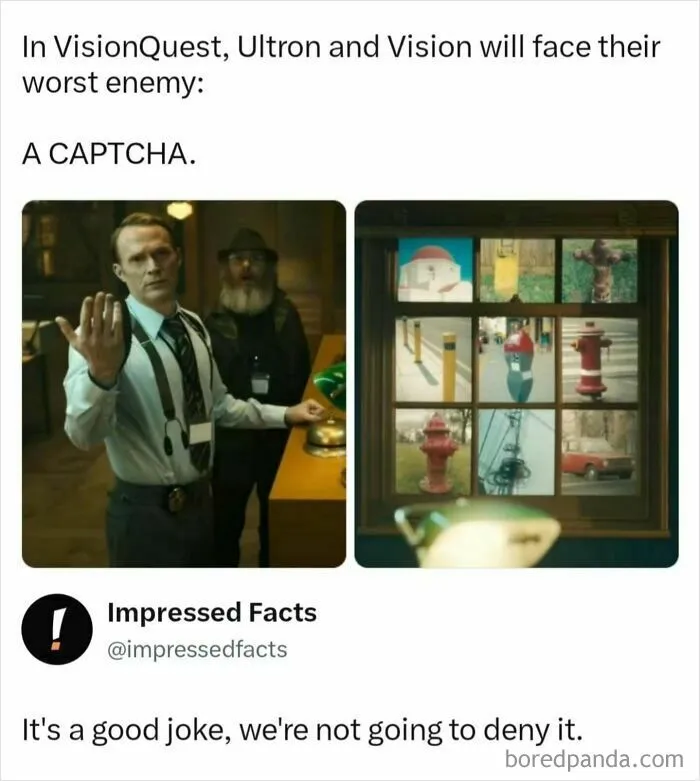
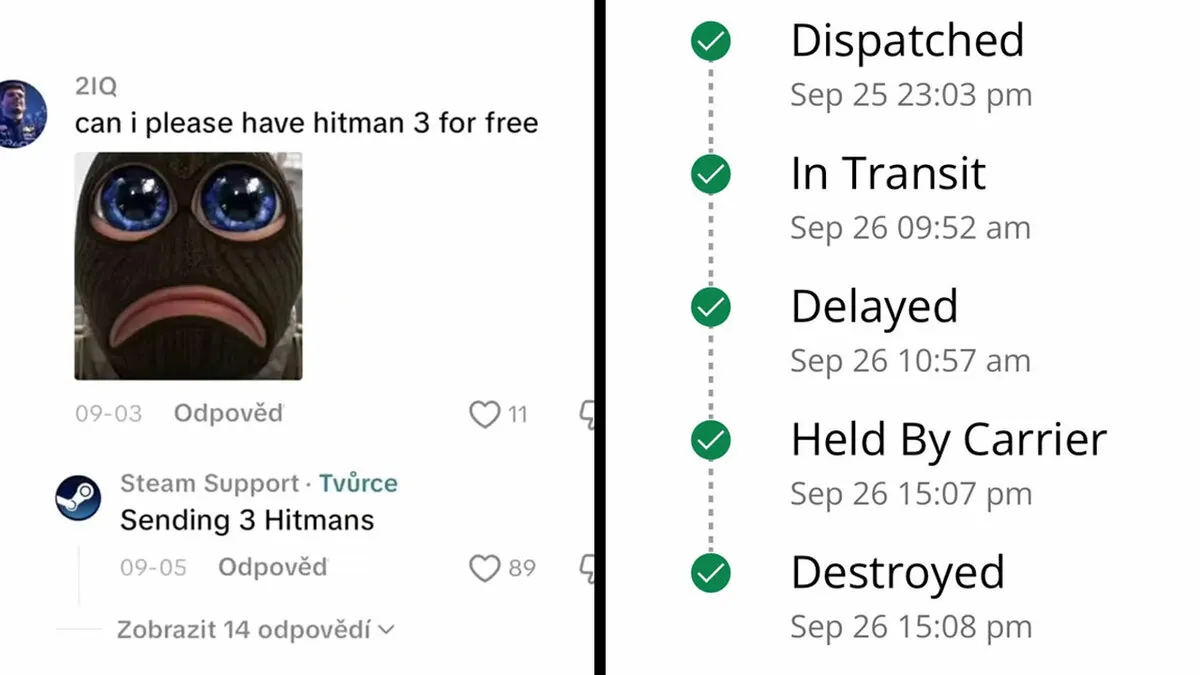


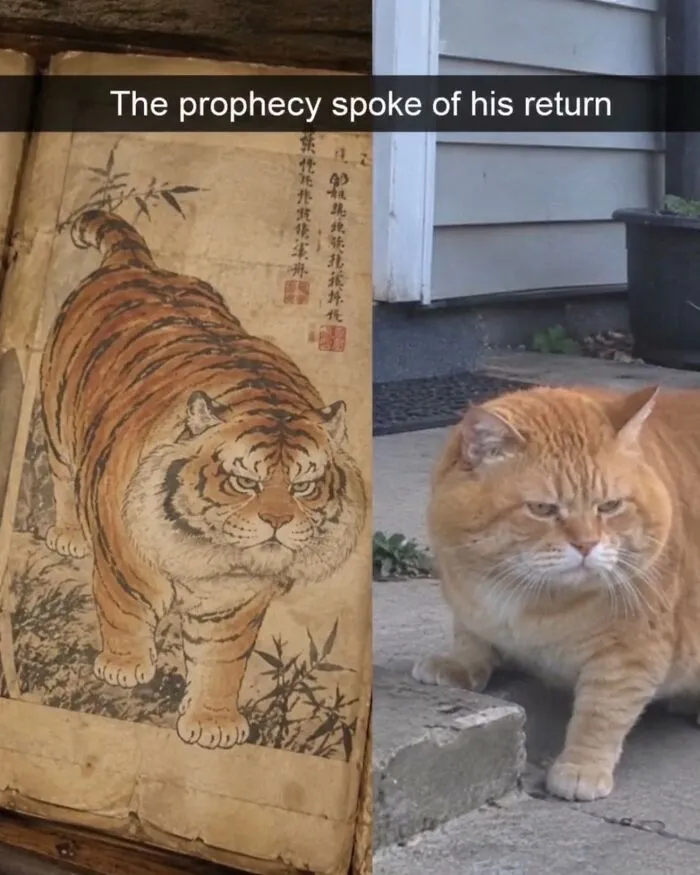
“If you like facts mixed with memes, we’ve got you covered. We post daily fresh internet fact memes,” reads the Impressed Facts Instagram page, which has 22.2K followers. But before we get too carried away here, it’s probably worth reiterating that these memes aren’t facts in the usual sense of the word. Sure, some of them might be presented with the confidence of a peer-reviewed study, but if you’re after facts-facts, this isn’t the list for you (perhaps this one here is).
But that disclaimer matters for another reason, too. As hilarious as memes often are, they can also be little misinformation superspreaders. As philosopher Michael P. Lynch puts it, “memes are a chief source of false information on the internet.”

It’s helpful to look back at the original definition of a meme to understand why. Richard Dawkins coined the term in his 1976 book The Selfish Gene, proposing the meme as a kind of cultural counterpart to the gene—a unit of information that could spread and replicate through a population via imitation. In this sense, memes could be anything from melodies and ideas to catchphrases and other bits of information that “leap from brain to brain through imitation,” as Helen Brown explained for the BBC.
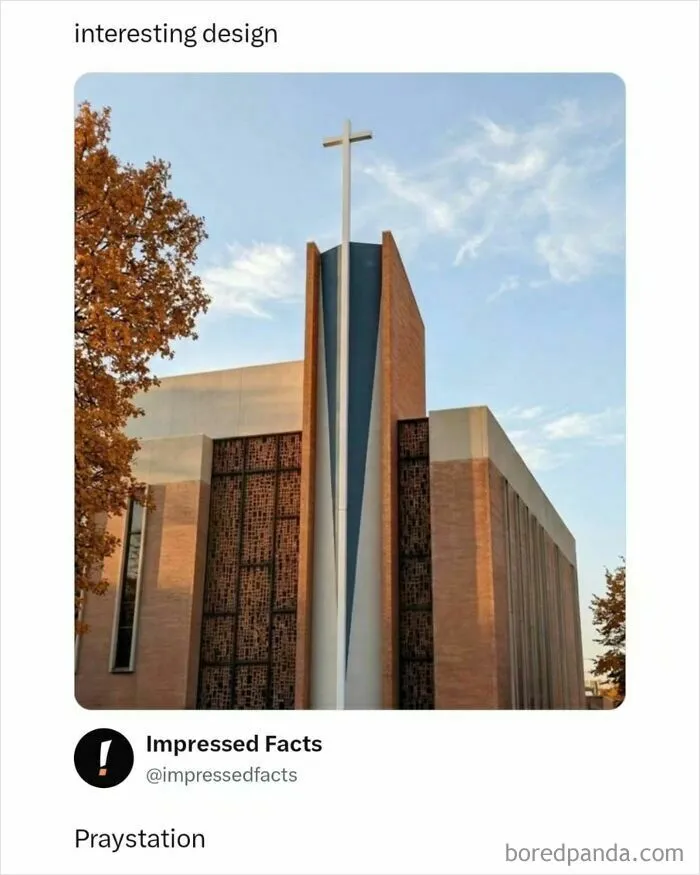
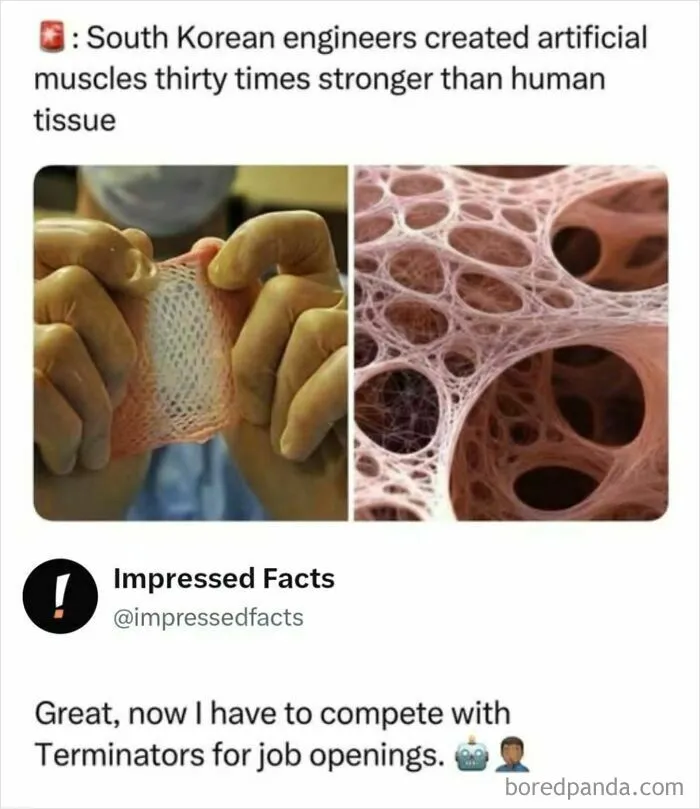

Whereas Dawkins was talking about cultural ideas that could spread and replicate through imitation, what we know as memes today are somewhat more tangible. As Brown explains, we can actually observe how they “grow, spread, and mutate.” Internet memes can be copied, adapted, remixed, and given new contexts while retaining something recognizable from the original. One joke, image, phrase, or format can therefore spawn countless variations, allowing the idea behind it to spread even as the meme itself changes.
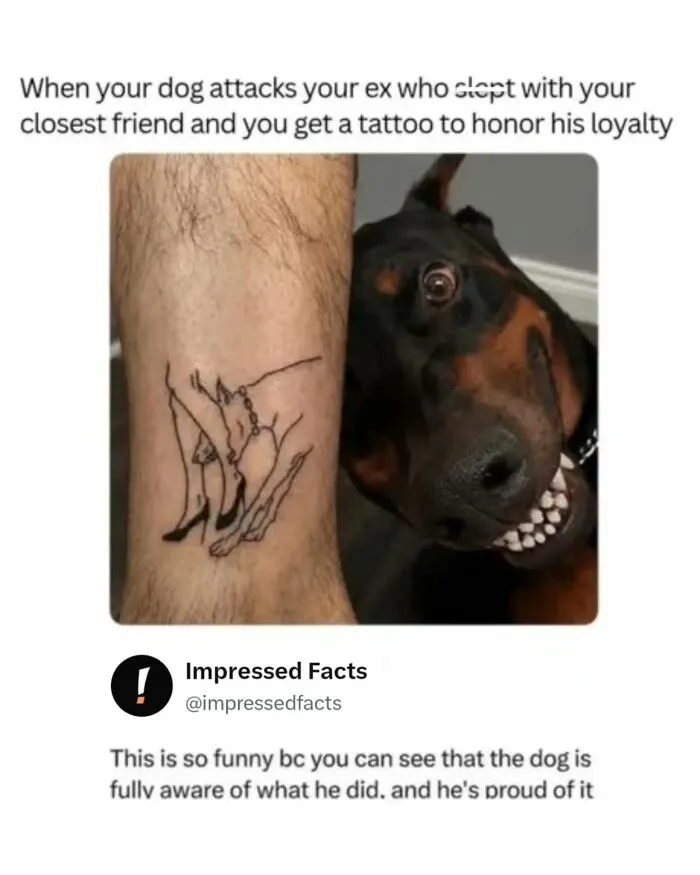
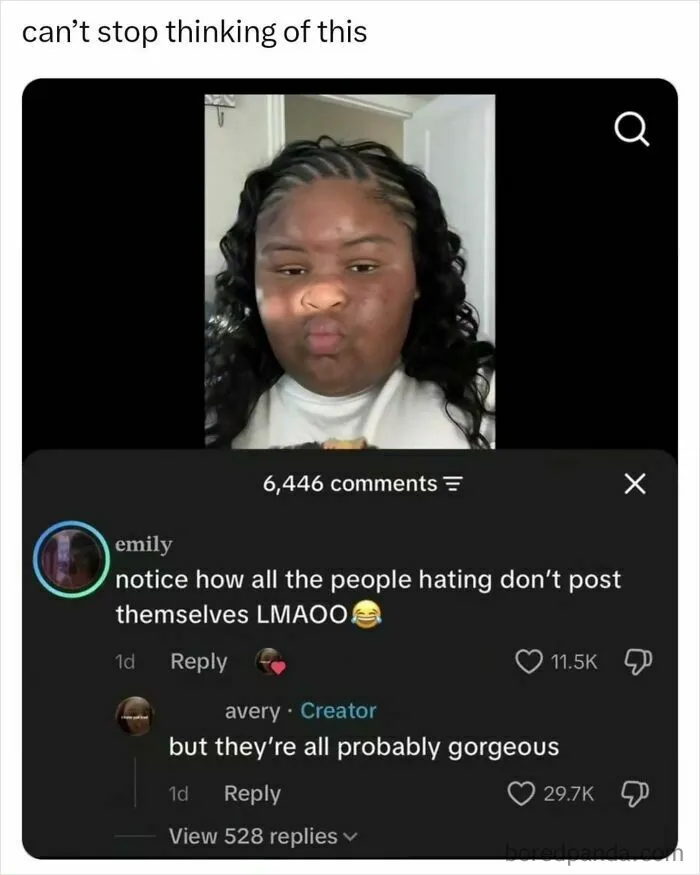
In this way, Lynch explains, memes “allow for a kind of creativity, and precisely because they allow for endless variation and tailoring to specific communities and subcommunities, participating in the memesphere allows participants to feel they are part of something larger
than themselves—and importantly, to feel like one is in on the ‘joke.’” But he says this “communal aspect” is also one reason why memes do such a good job of spreading misinformation and disinformation.

But Lynch also points to two more features, noting first how memes are often shared and reshared without attribution, meaning a claim can become detached from whoever originally created it and start to feel like something that ‘simply exists’ online: “Unmoored from the trappings of an author’s reputation or intention, they become the collective property of the culture,” as Joan Donovan put it.
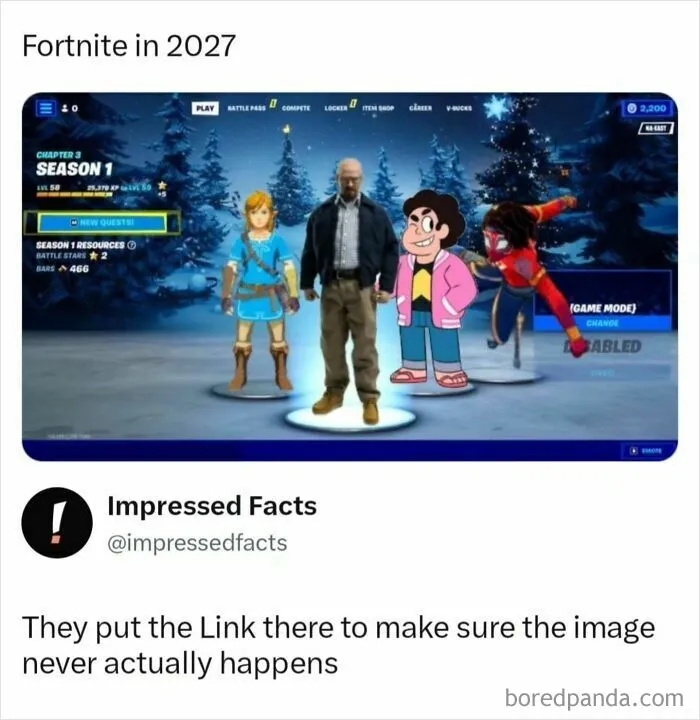
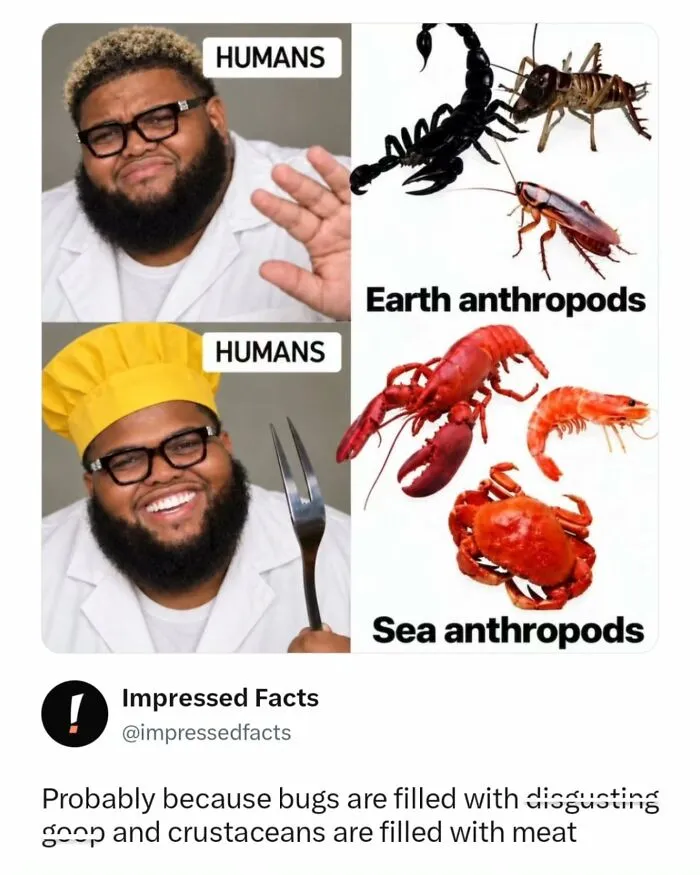
But humor is another factor. “Since humor, like outrage, travels fast on the Internet, this quality directly aids the spread of false information,” Lynch explains. A meme can be shared for a laugh rather than because someone necessarily believes its message, and this also makes it easier for questionable ideas to travel—all while giving the person sharing it an easy out: “I was just joking.”