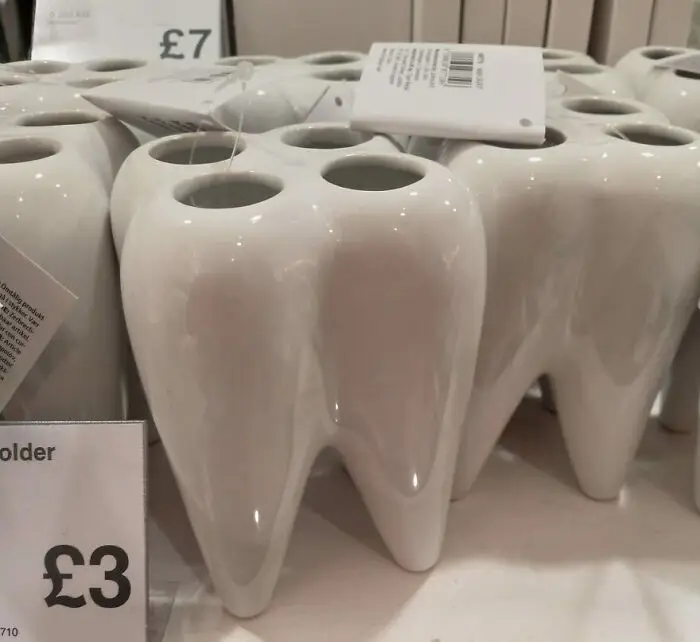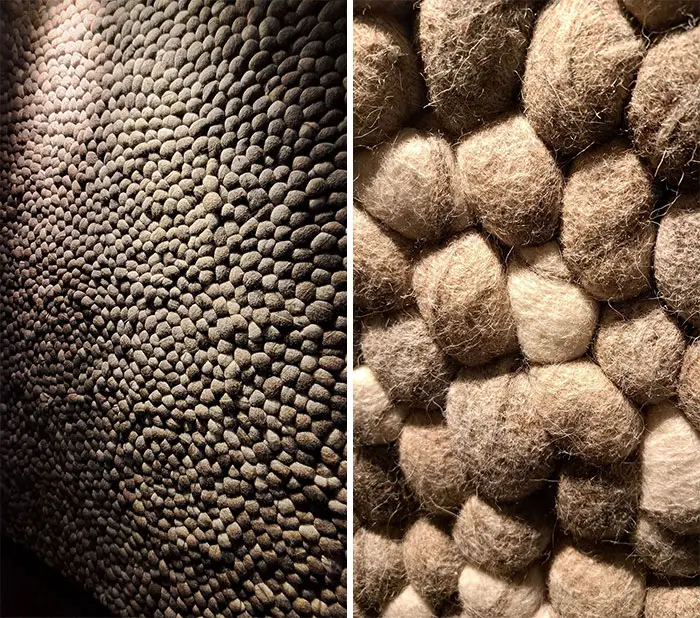



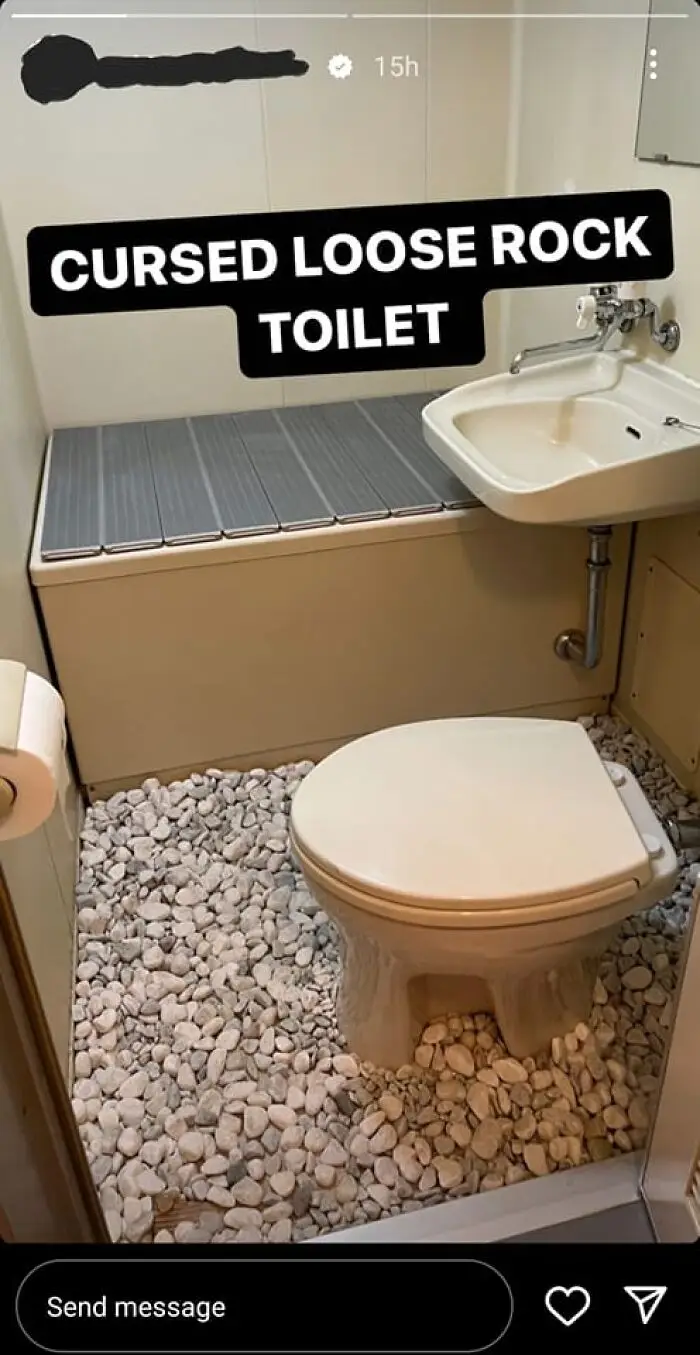
Cleaning something properly takes more than a good detergent and a bit of elbow grease. The type of material matters a lot for how easily dirt comes off. Things like surface roughness, chemical makeup, and surface energy affect how grime sticks and how hard it is to clean.
Some materials are harder to clean because dirt sticks to them more easily. Others are smoother, so it's easier to wipe away residue. Manufacturers can also change surface properties to make materials that resist dirt or let certain messes come off more easily.
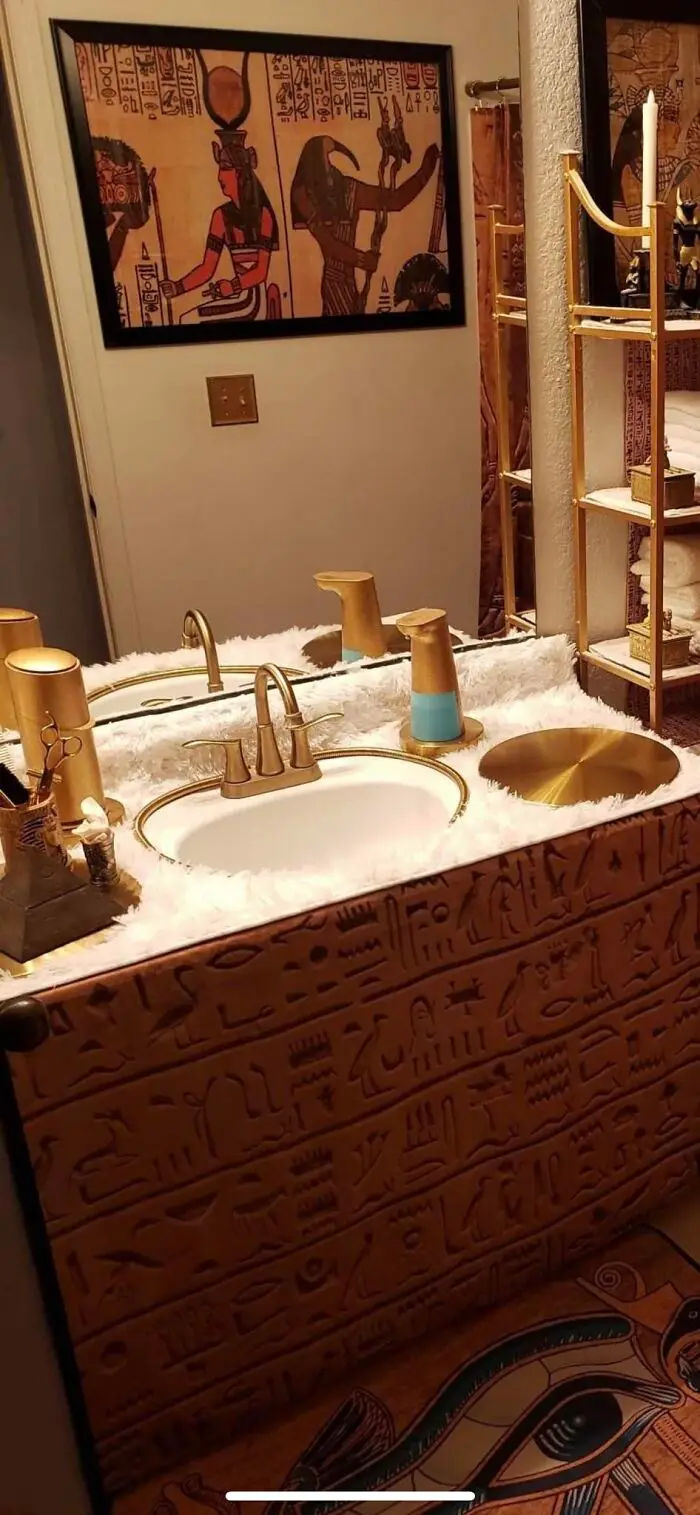
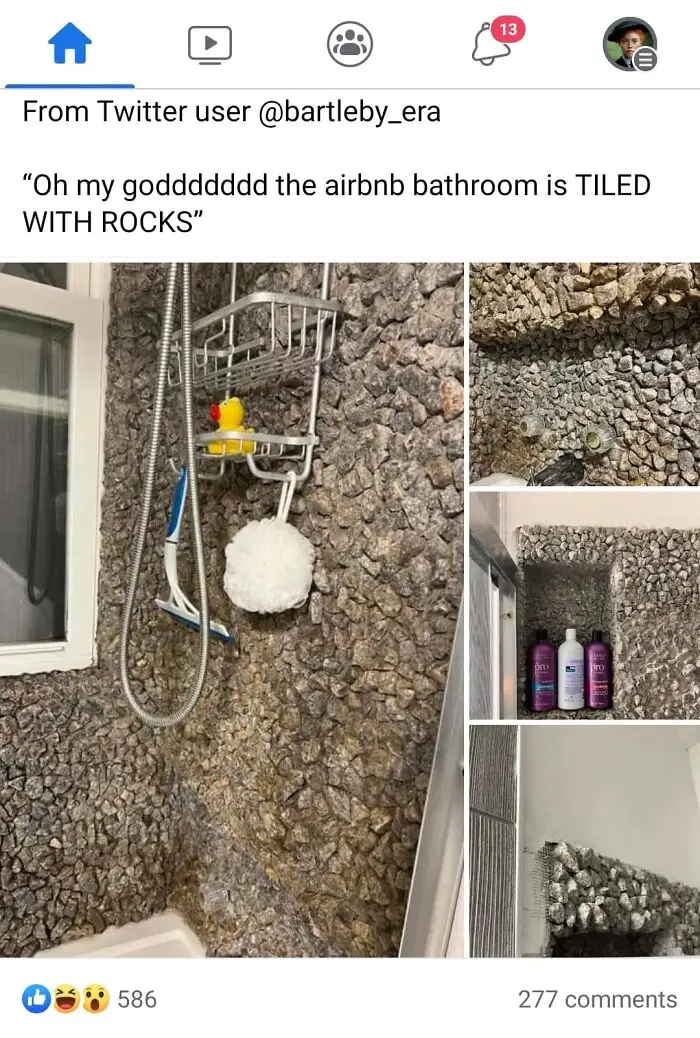
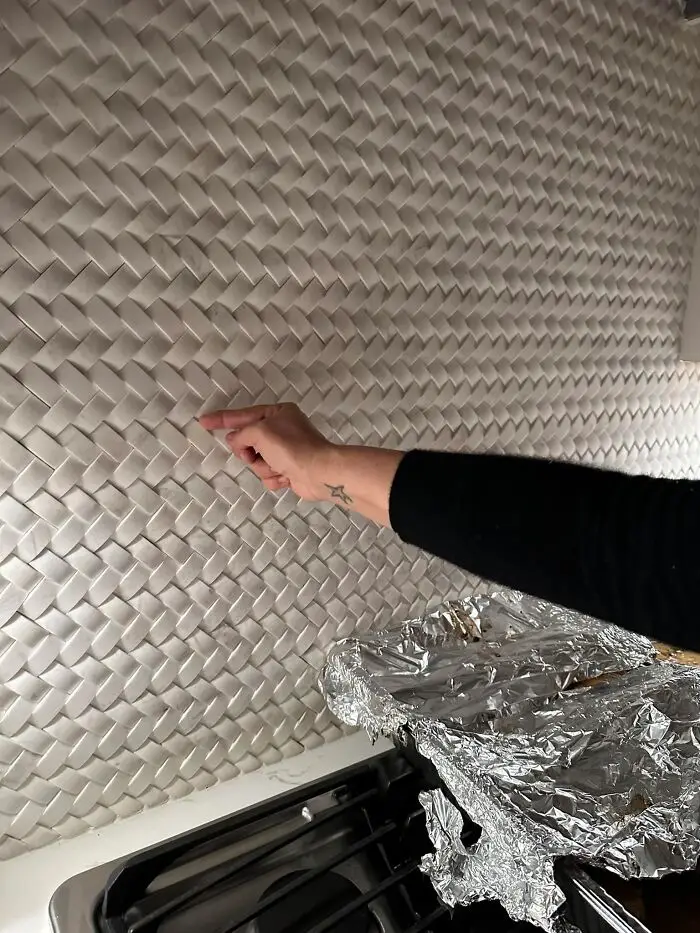
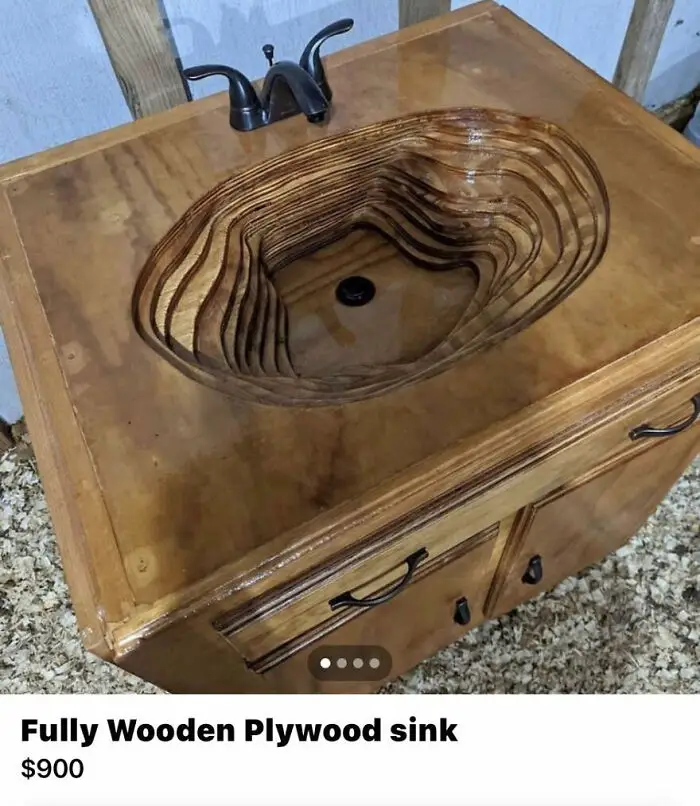
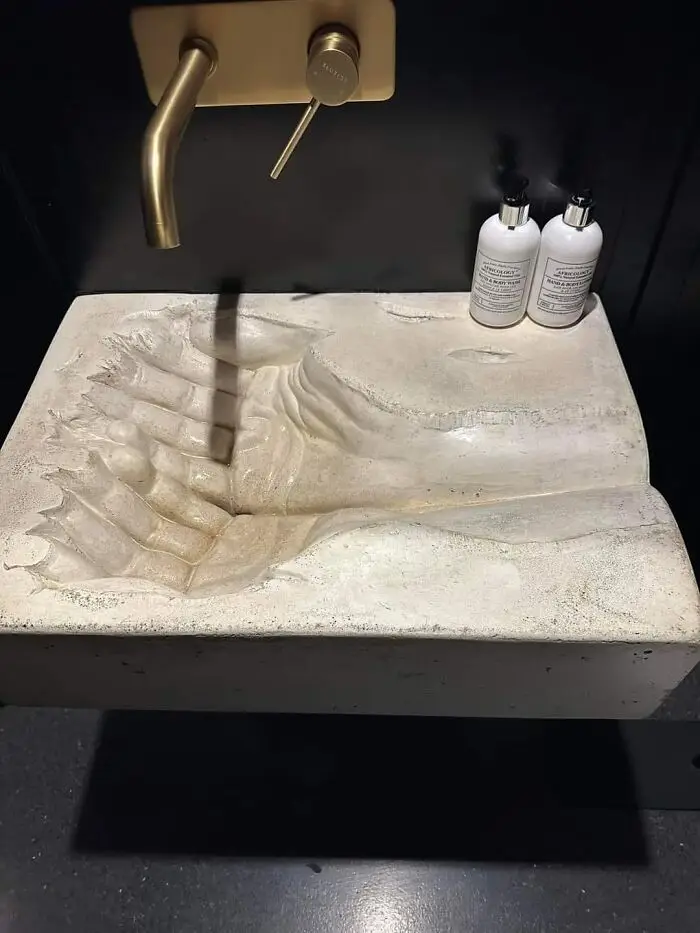
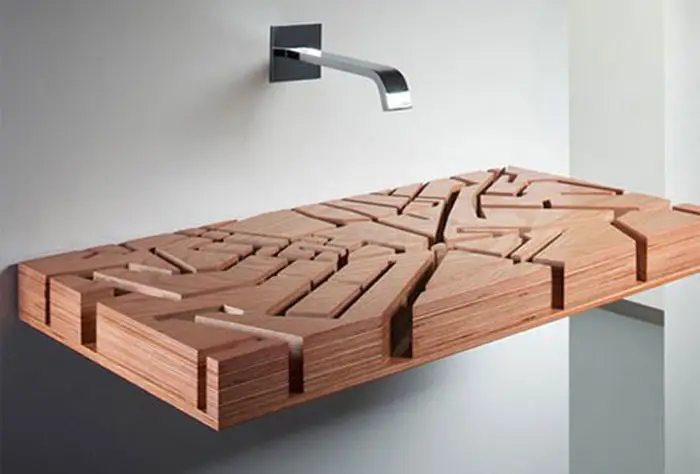
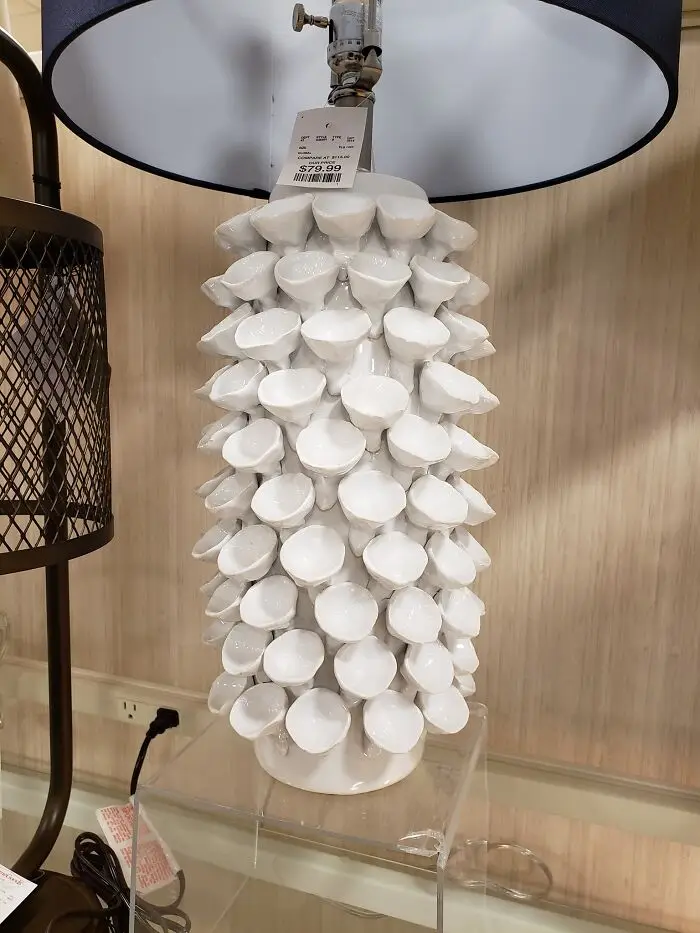
This is important for more than just furniture at home. For example, food processing plants need surfaces that workers can clean and disinfect well to keep products safe and hygienic. The same idea applies at home: a nice-looking countertop or decoration might look great, but if its material traps dirt in small spaces, it becomes much harder to keep clean.
Keeping things clean also means buying products to handle daily messes. In Europe, cleaning products for homes and businesses make up a big market, and different countries use them in different ways. Italy, Germany, Spain, and Poland are some of the biggest players in this industry.
In 2023, Germany led the European Union in market value for non-soap washing and cleaning preparations, reaching approximately $2.3 billion. Poland and Spain were next, each with around $1.9 billion. These numbers show the market value in each country, not how much cleaning product people actually use.
Things look different if we look at how much cleaning product is used by weight. Italy used the most in the EU, with about 1.7 million tonnes. The Netherlands and Germany each used around 1.1 million tonnes. Denmark also saw a lot of growth in use over the last ten years, showing that cleaning habits and markets can change a lot across Europe.

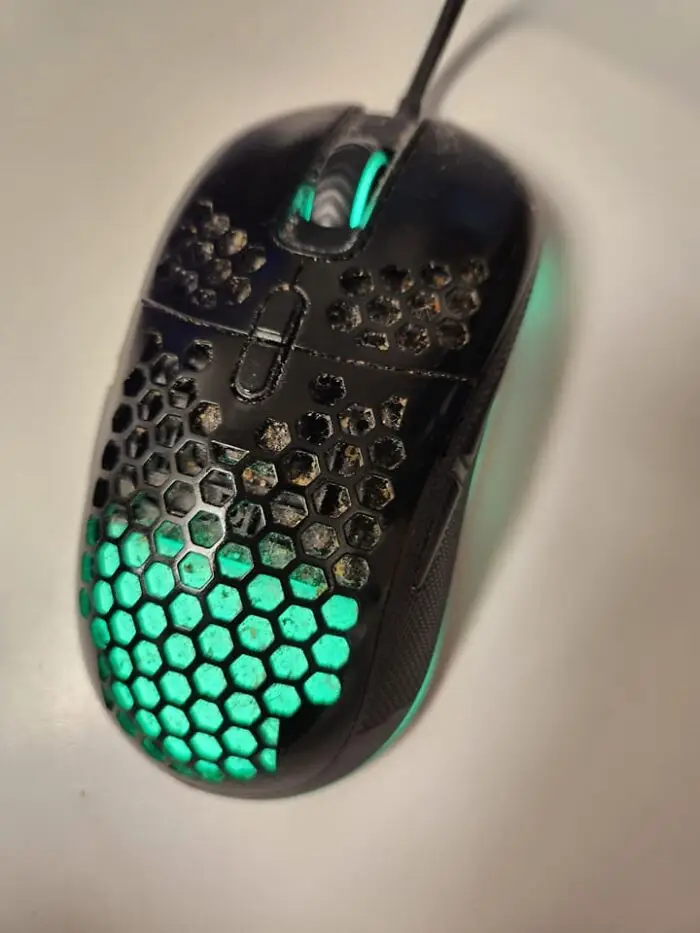
All those cleaning products have plenty of potential uses, especially in places where many people touch the same surfaces throughout the day. Shopping centers, offices, daycare centers, airports, and restaurants all bring many people together, which means more chances for dirt and germs to build up.
A study that checked 1,061 surfaces in four US cities found several hygiene problems. Researchers found protein levels linked to general hygiene issues on 26% of the surfaces they tested. They also found signs of things like saliva, sweat, urine, and blood on some samples.
Children's playground equipment and daycare centers stood out in particular. Researchers found biochemical markers on 36% of playground samples and 46% of daycare surfaces. These results show that places can look clean but still have traces of daily human activity, so regular cleaning is very important.
It already takes a lot of work to keep shared spaces and home surfaces clean, so everyday objects shouldn't make it harder. Good design thinks about how people use things, how easy it is to reach different parts, and how much effort daily tasks take. Practical use should be just as important as how something looks.
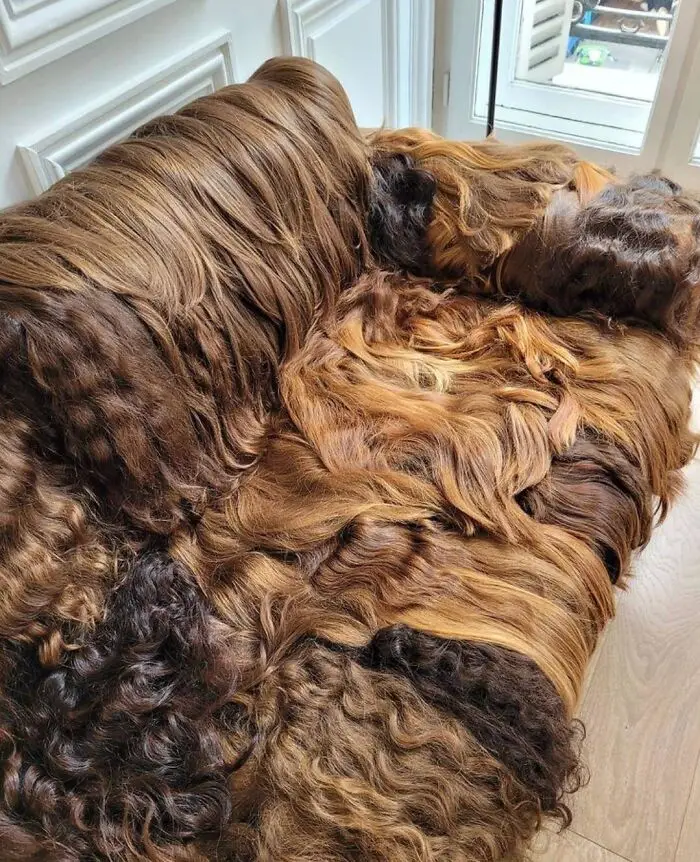

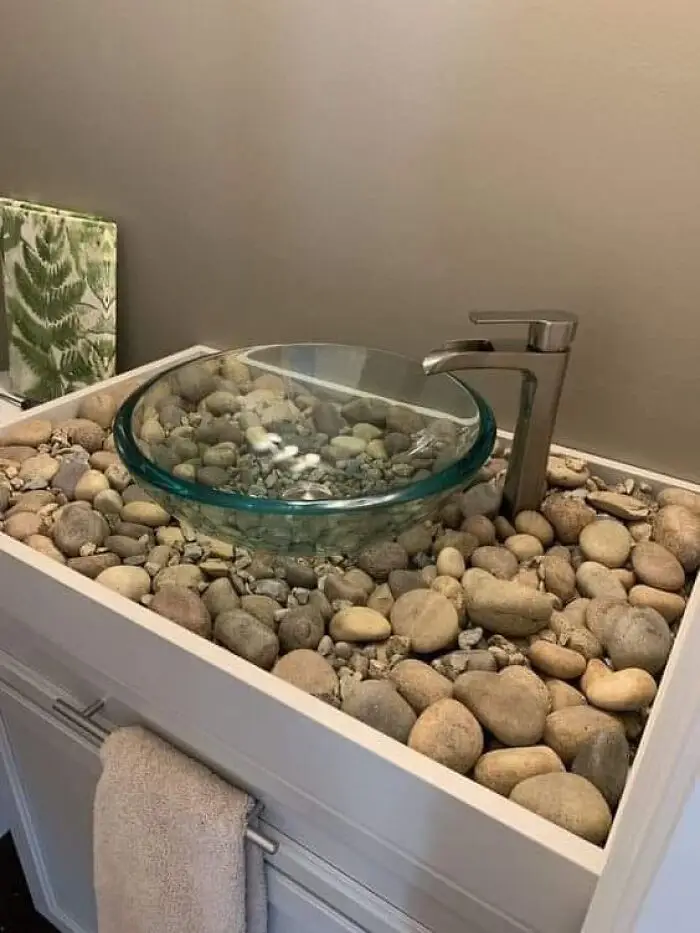
Universal design offers a useful way to think about this. Its seven principles include making things simple and easy to use, flexible, and requiring little physical effort. For example, an object shouldn't make someone stretch in an awkward way, repeat extra steps, or have trouble reaching the parts they need to use or clean.
Even so, how something looks strongly affects how people judge it. A good-looking product can make a strong first impression, even before anyone uses it. This shapes what people expect about its quality and how easy it is to use, which is why looks sometimes matter more than practical details when people buy things.
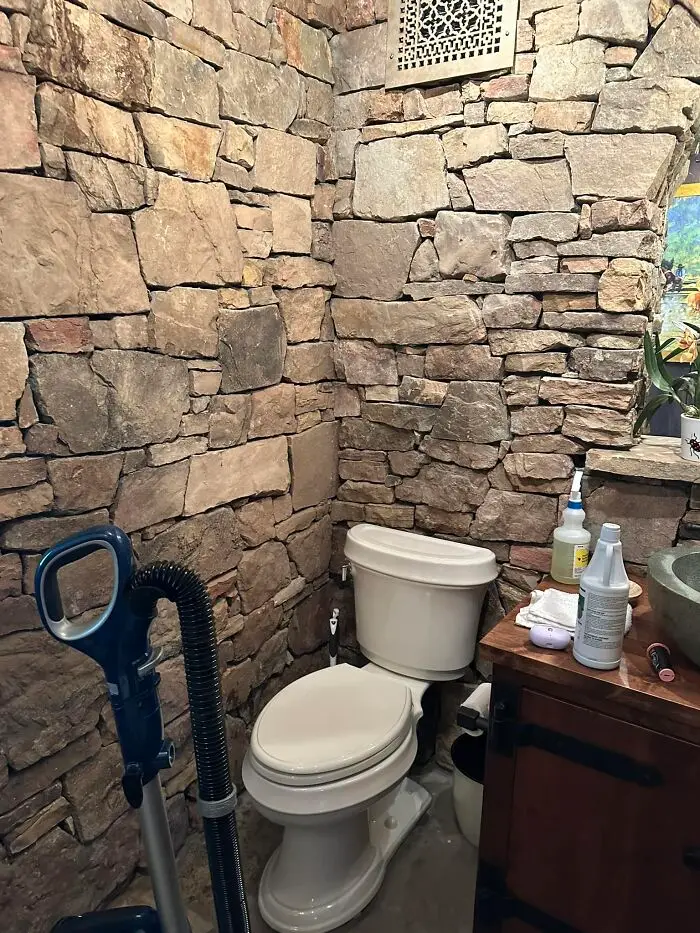

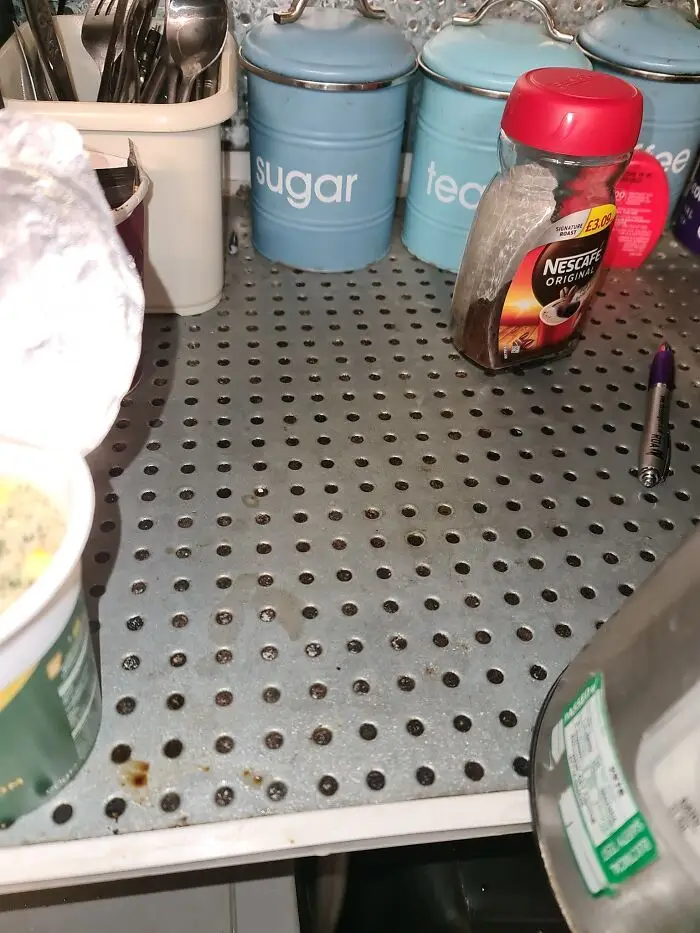
In one experiment with 60 mobile phone users, people first said an attractive phone was easier to use than a less appealing one, even though both worked the same way. But as they used the phones more, that advantage disappeared. Once the newness wore off, their real experience mattered more than how the phone looked.
When designers forget about daily tasks, people often have to do more work than they should. Chores at home already take time and effort, and awkward products can make them even harder. Scrubbing, mopping, vacuuming, and laundry are some of the chores people find most tiring.