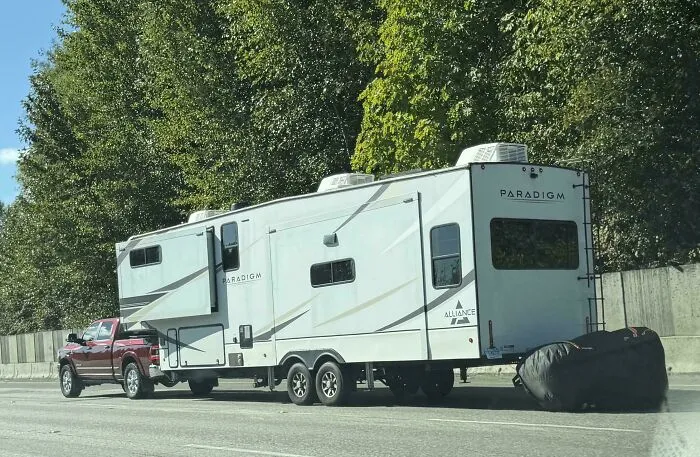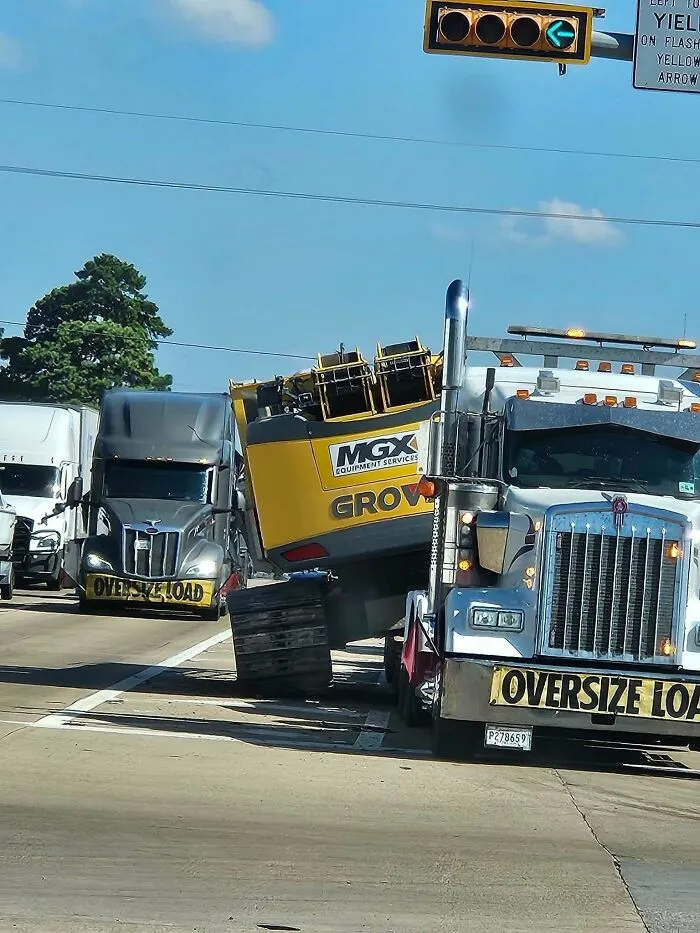



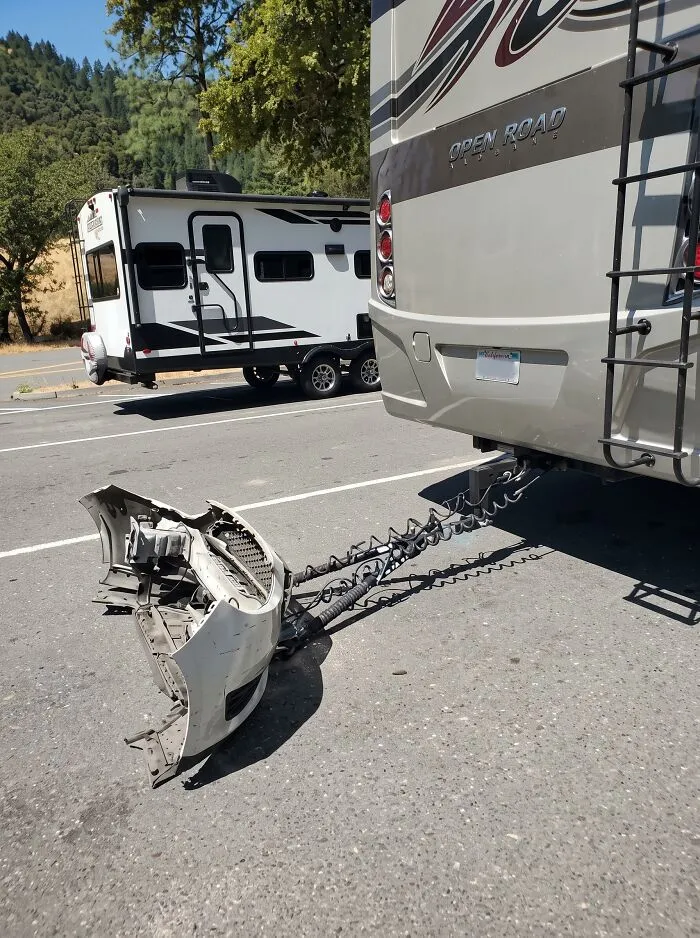
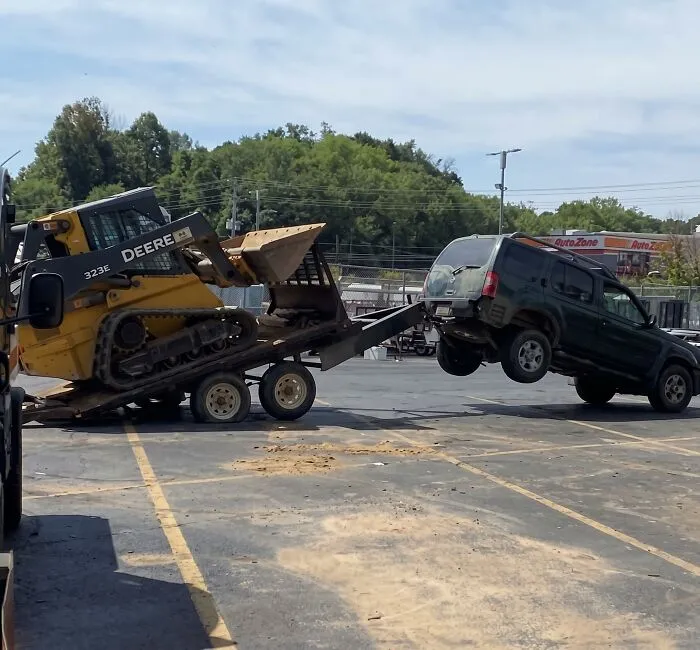

You hook up the trailer, load it with all you can fit, and off you go... If only it were that simple. Experts warn that towing is no child's play, and can be extremely dangerous if a driver lacks experience or doesn't pay attention to safety procedures.
"Driving when towing a trailer requires additional knowledge, safety precautions and driving skills," notes the Arrive Alive website. "The driver must be aware of challenges such as decreased acceleration and braking performance, reduced vehicle control and manoeuvrability etc."
It adds that sadly, many people aren't fully aware of the safest method of towing cargo, and that at many crash sites, trailers are often nearby.

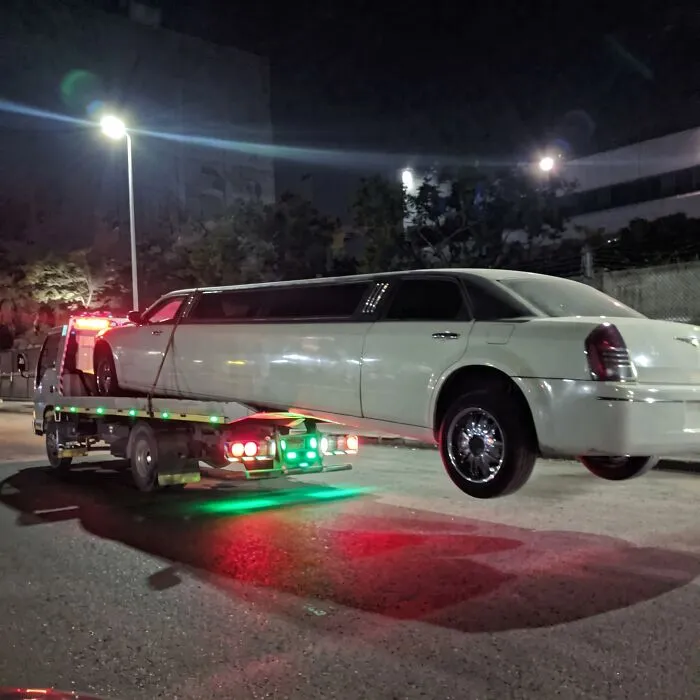
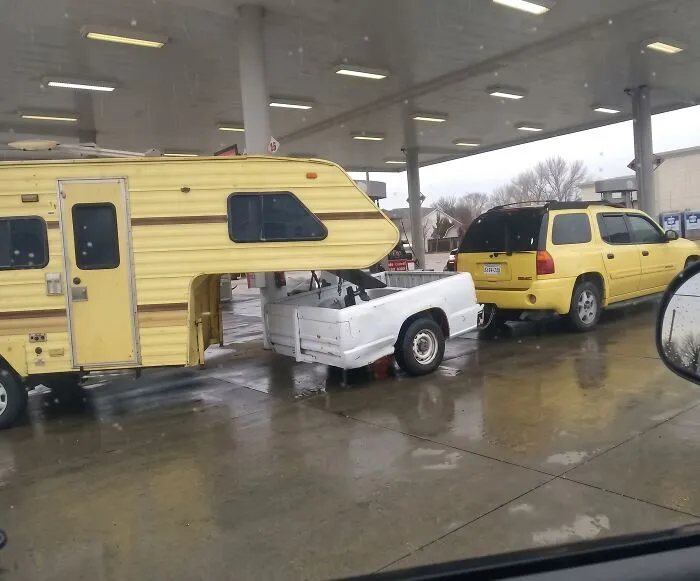
Besides ensuring the trailer is fit to be on the road, drivers should always make sure never to overload it.
"Overloading any vehicle creates significant risks - so much more if the trailer towed is overloaded!" warns the site. "Overloading a vehicle can compromise the vehicle's body, brakes, chassis, wheels and/or engine."
And loading the trailer properly isn't simply a case of guessing how much it can carry.

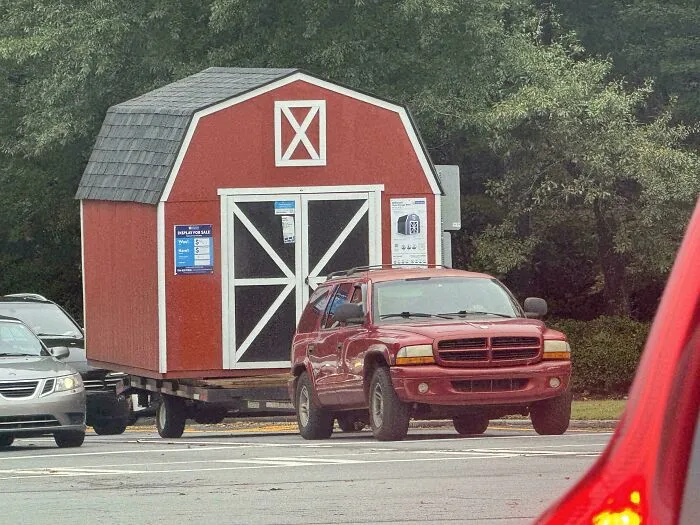
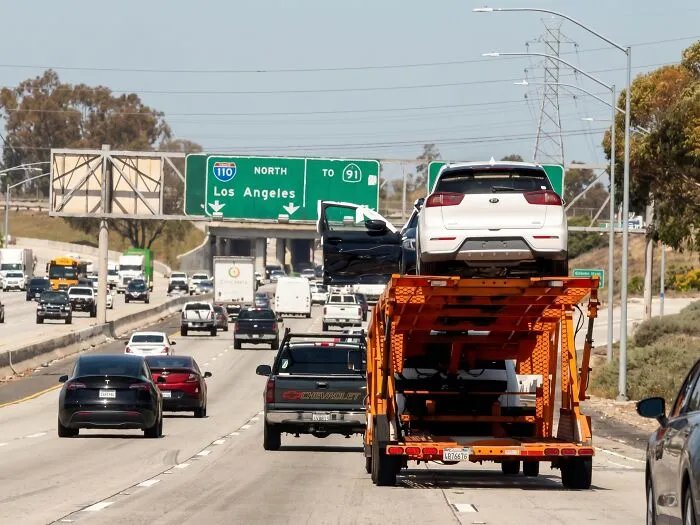
Before you even consider loading a trailer, you need to know how much weight the towing vehicle can safely pull. You should be able to find this information in the owner's manual. You'll also need to be aware of how much weight the trailer hitch and ball mount can handle. This is also known as tongue weight, and can be adjusted by using a weight-distributing trailer hitch or by balancing the load inside the trailer itself.
"Incorrectly sized hitch balls are a common cause of trailer accidents, so make sure the ball on the tow hitch is the same size as the coupler on the trailer," warns the Weekly Safety website. "The hitch balls typically come in 3 sizes: 1 7⁄8 inches, 2 inches, or 2 5⁄16 inches. Also, pay attention to the weight capacity of the hitch ball."
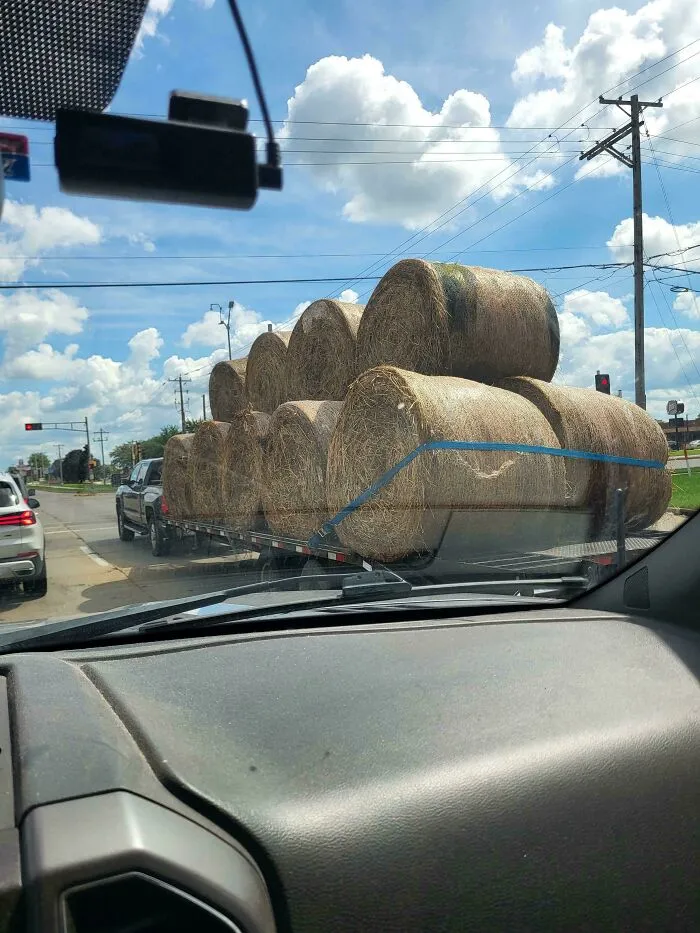
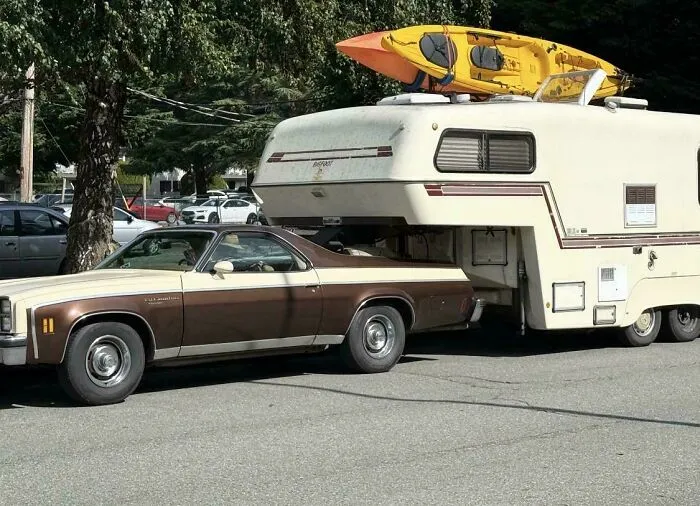
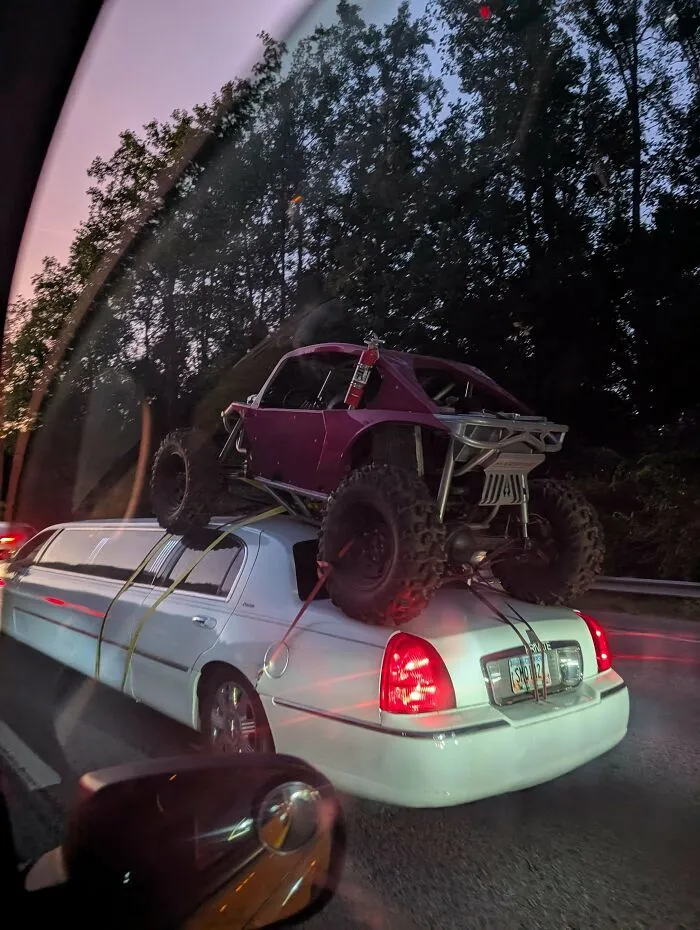
#12 This Is What Happens When You Go To The Auction In Style Unsupervised And Win The Utv But Lose The Trailer
Another important consideration is the Aggregate Trailer Mass for the specific trailer you're using. In other words, explains the site, how much weight can the trailer safely carry? "Ensure that mass/ weight specified by the trailer manufacturer is not exceeded," warn the road safety experts.
And it doesn't stop there...
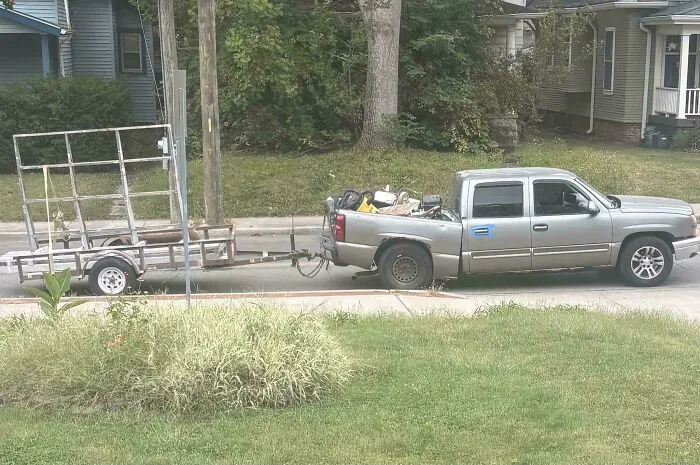
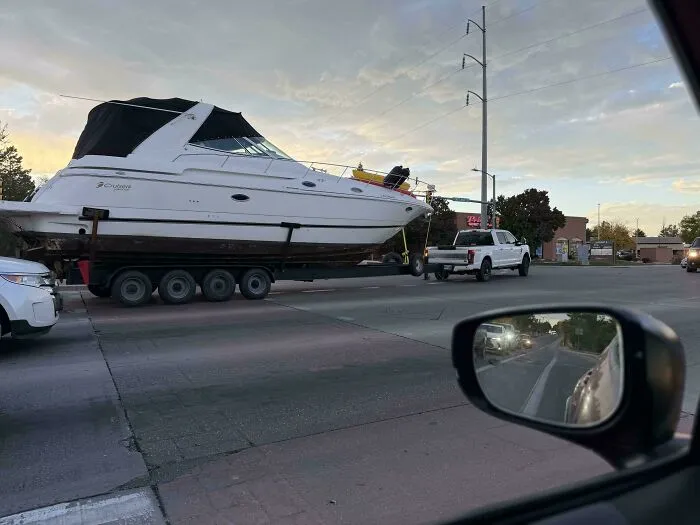
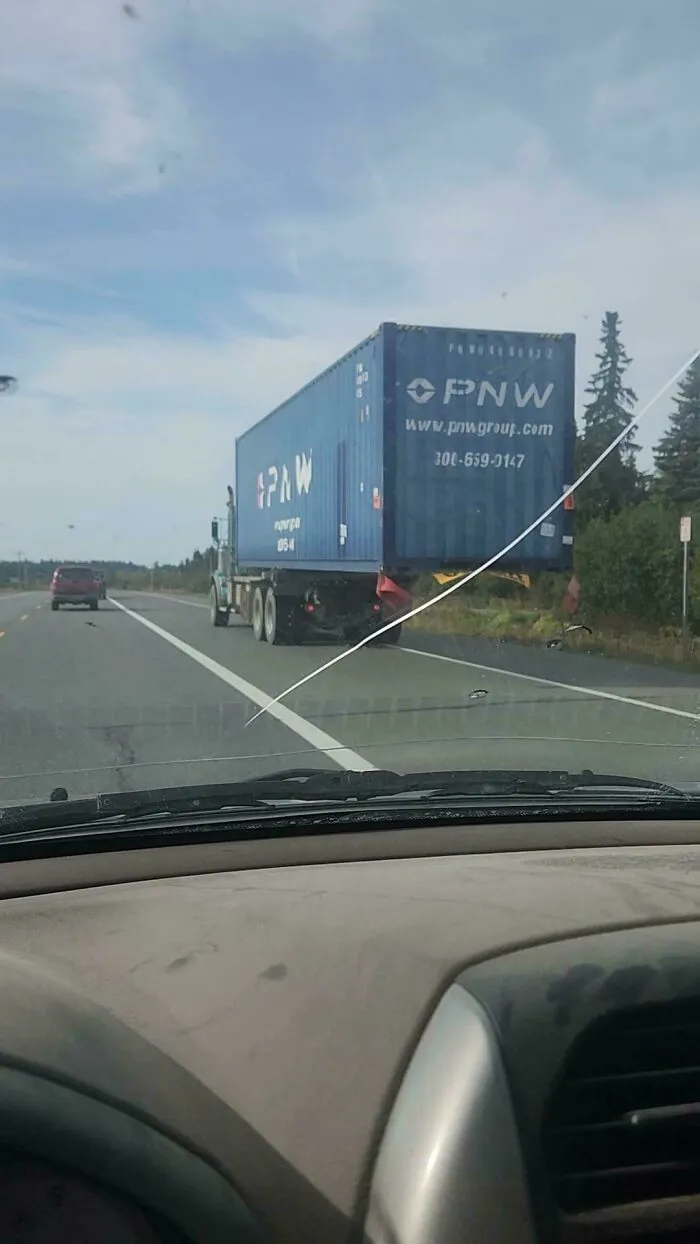
You need to work out how much the trailer will weigh when loaded, or the gross trailer weight (GTW). You'll also need to establish something known as the Gross Combination weight rating.
"The maximum weight of the trailer and tow vehicle combined is the gross combination weight rating (GCWR)," notes the Arrive Alive team. They suggest that you always check what the road legislation stipulates, as well as what the manufacturers' guides suggest for both the towing vehicle and the trailer towed.

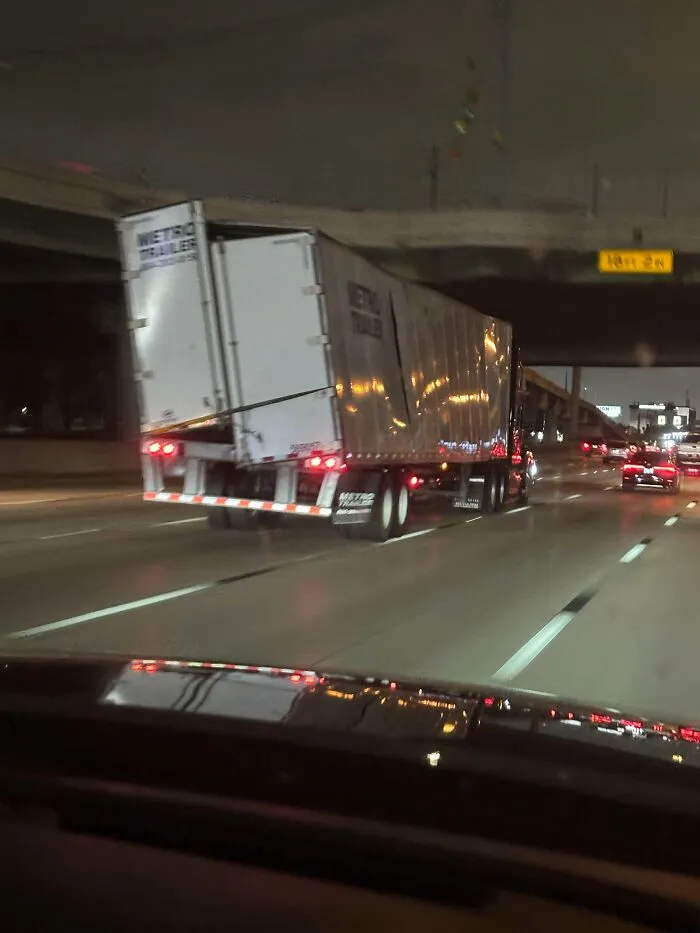
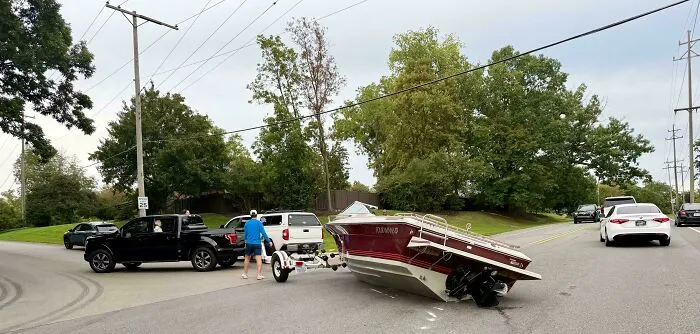
"Trailers loaded incorrectly can start swaying dangerously at high speeds and can easily jack-knife if the driver has to make a sudden stop," warns the Weekly Safety team. "Load the trailer in a way that distributes the weight evenly and ensures that the cargo is equally balanced on each side."
They add that all cargo should be fully contained and supported by the flatbed trailer.
"If the cargo being transported by the trailer is longer than the trailer itself, or overhangs off the trailer in any way, be sure to check your state’s regulations on overhang restrictions and requirement," advises the site.