

Rome is one of the world’s most recognizable tourist destinations, drawing millions of visitors eager to explore its historic landmarks and cultural attractions.
However, an unusual practice involving discarded tour equipment has left locals questioning how much regard some of them have for the Italian capital.
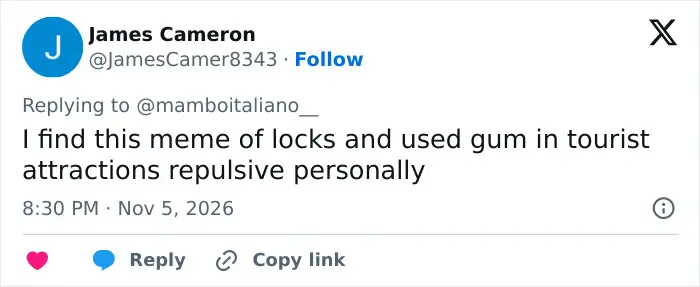
“This is repulsive,” one commenter remarked.
Highlights
- Tourists turned the railings near the Roman Forum into a dumping ground for single-use tour earphones, leading authorities to organize a clean-up.
- Locals called for hefty fines and greater accountability from tour operators, while others argued that Rome had bigger problems to address.
- The controversy came months after Rome introduced a €2 ($2.2) entry fee for visitors to the Trevi Fountain to help manage crowds and fund its maintenance.
The situation eventually caused city officials to step in and organize a clean-up drive.
The controversy comes months after Italy introduced an entry fee for visitors to the Trevi Fountain to help fund its upkeep.
Rome stepped in after thousands of tourists took part in a bizarre trend involving plastic waste
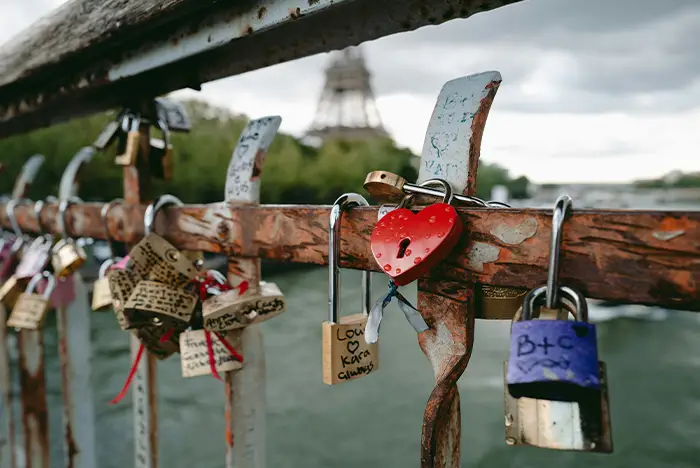
Images and videos circulating on social media showed the metal railing near the Roman Forum transformed into a sea of single-use earphones.
The historic archaeological site is located beside the Colosseum, with tourists frequently visiting both landmarks during the same trip.
The devices were reportedly distributed by guided tour operators to help visitors listen to commentary without having to crowd around their guides.
However, rather than returning the equipment after their tours, some visitors began tying the earphones to nearby fences, eventually turning the practice into a ritual.

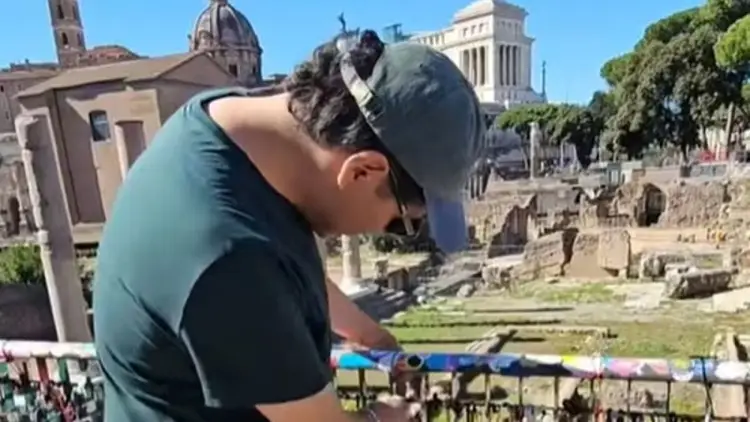
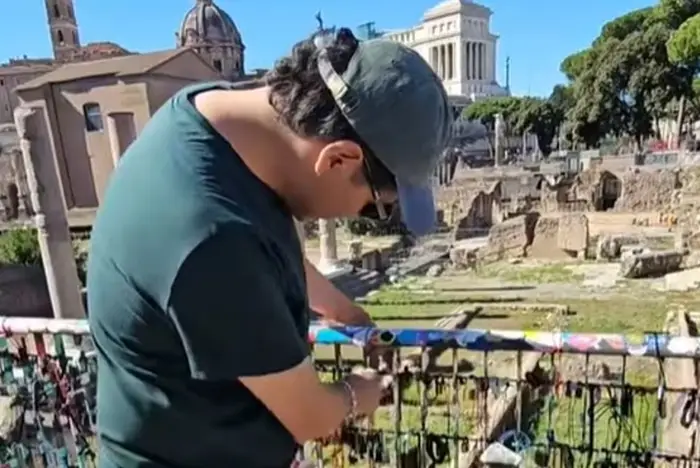
One TikTok user even filmed someone attaching a pair of headphones to the railing.
The video featured a translated caption that read: “Leaving the Roman Forum is this grille full of headphones, obviously we did not miss the opportunity and put headphones on.”
The growing pile eventually caught the attention of local residents, who reported the situation to the municipal administration.
The operation involved untangling the wires, collecting them, and disposing of them through appropriate electronic waste recycling procedures.
Visitors ultimately faced criticism for treating a historic site like a rubbish bin.
Romans called on the government to impose penalties on those caught littering
Wanted in Rome shared a video on X showing a walk-through of the metal fence covered in colorful wires.
Viewers were visibly appalled by the practice and questioned how visitors could justify such behavior.
“These day tripper tourists have no respect for anything,” one person wrote.
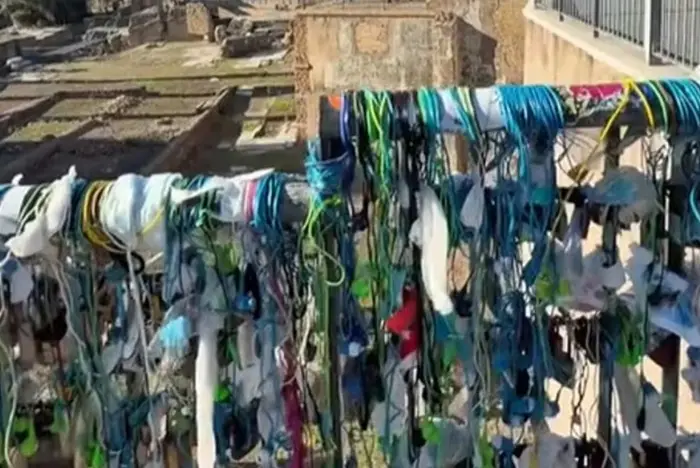
A separate user suggested that authorities take a tougher approach, commenting, “remove everything and issue hefty fines to anyone who doesn’t love and respect this splendid city.”
Tourists have reportedly since been warned to treat the railings as part of the monument rather than a noticeboard.
Not everyone blamed tourists, with some arguing that authorities should do more to address Rome’s problems
One X user suggested that tour operators should also face consequences for the waste generated by their equipment, writing, “this issue only arose because they handed out one-way earphones.”
Another proposed a more direct solution, commenting, “Put a clean-up tax on the guides. And fine the guides. Then this will stop.”
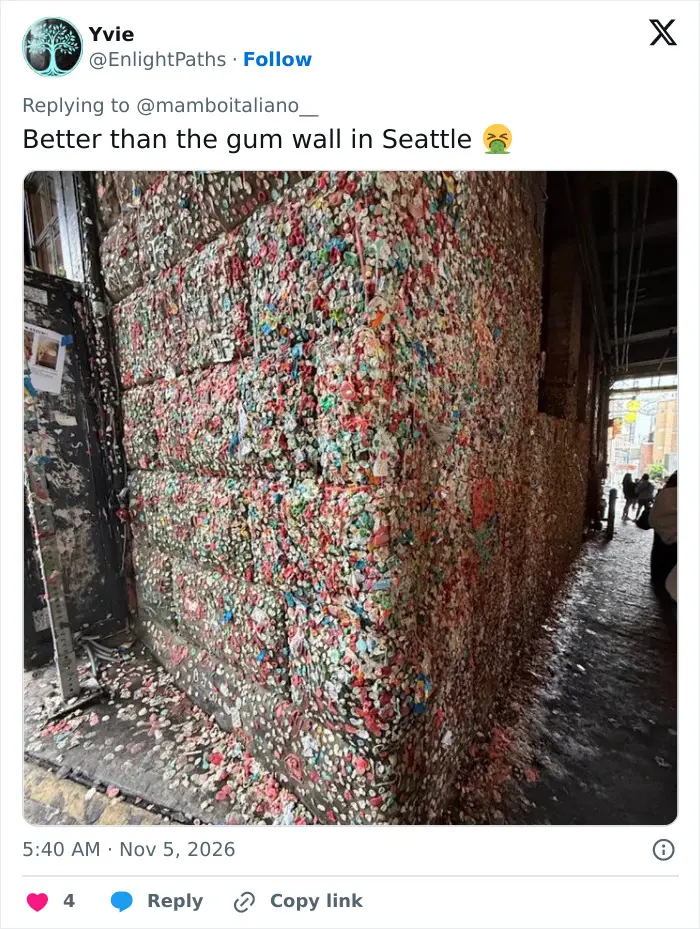
Others, however, felt that the city's priorities needed reconsideration, noting that abandoned earphones were only one part of a much larger problem affecting Rome's aesthetics.
“The municipal authority should focus more on graffiti, which has absolutely covered the city. Just everywhere and ugly. Really disgusting,” one person said.
There were also suggestions that officials should modernize some of Rome’s architectural features, including the fencing surrounding the attraction in discussion.
“Replace the metal grille fencing with plate glass. It's the 21st century.”
The differing reactions came after Rome had acknowledged in February that excessive tourism was contributing to waste management challenges.
Trevi Fountain’s entry fee reflected Rome’s struggle with overcrowding and littering
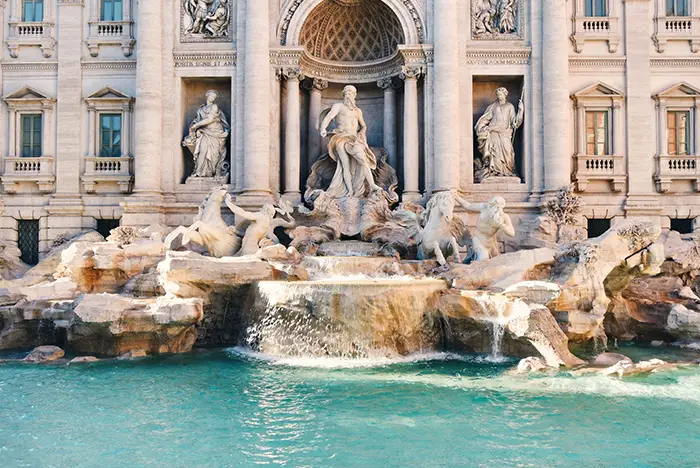
More than 10 million people visited the 18th-century landmark between December 2024 and December 2025, according to reports.
In response, authorities introduced a €2 ($2.22) entry fee for tourists wishing to access its viewing area.
The measure came into effect on February 2, with paid access operating between 10:30 a.m. and 10 p.m. on weekdays and 9 a.m. and 10 p.m. on weekends.
Visitors are allowed to spend 30 minutes at the attraction.
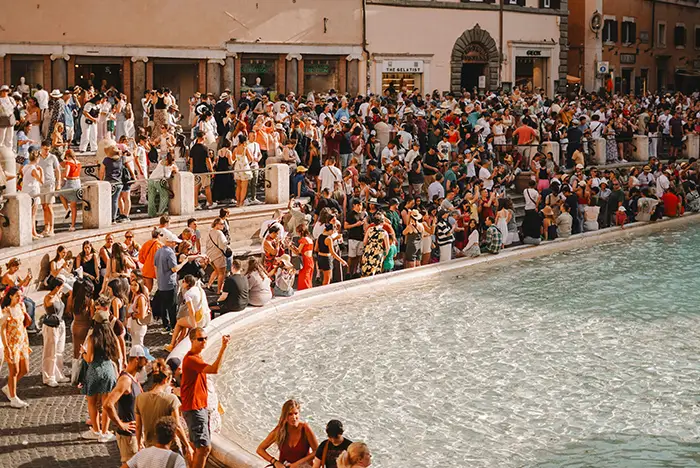
Rome's culture chief, Massimiliano Smeriglio, explained that the initiative was intended to improve crowd management while generating funds for the landmark's maintenance and not to deter visitors.
“What we can do is organize better and use the 7m euros in annual ticket sales to hire stewards to stop people climbing the statues and jumping into the fountain,” he told The Times.
The revenue will also allow residents to access the site free of charge.
“It's a way to let Romans enjoy the beauty of their own city,” Smeriglio said.
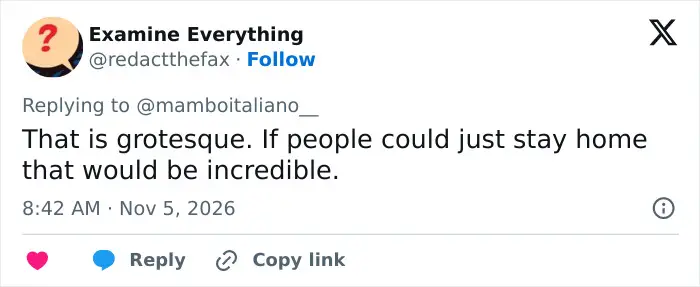
"If people could stay home, that would be incredible," a social media user said