


#1 This Is How My Husband Opens The Bread If I Don’t Get To It First. Just Rips A Hole In The Bag And Leaves It Open Like This Too

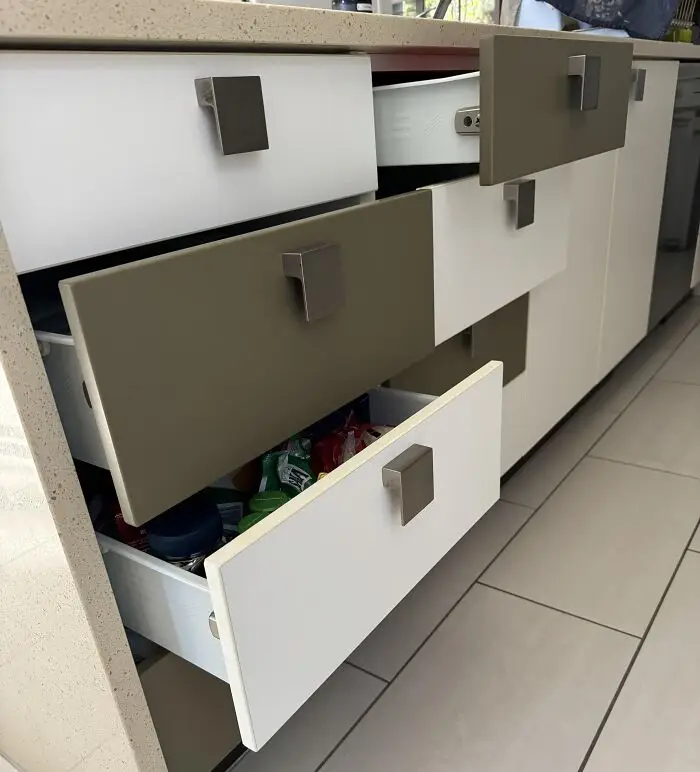

Marriage often comes with the expectation that two people will share responsibilities and make everyday life easier for each other. However, that arrangement can become frustrating when one partner seems unable to handle even the simplest household tasks. According to Psychology Today, husbands who struggle with cooking, cleaning, scheduling appointments, or managing family responsibilities are not necessarily incapable of doing these things.
Their difficulties can stem from how they were raised, the expectations they grew up with, and the habits they have developed over time. Men who were raised in households where women handled most domestic responsibilities, for example, may have had fewer opportunities to learn these skills or develop confidence in managing a home independently.

#5 Last Night I Asked My Husband To Put Some Spaghetti On The Stove So I Could Start Dinner When I Got Home


Traditional gender roles can also influence how husbands approach household responsibilities, even if they do not consciously believe that certain chores belong to women. Some may simply be less aware of everything involved in maintaining a home, from keeping track of groceries to remembering appointments and organizing family schedules.
Others become accustomed to waiting until their wives ask them to do something, especially when they know someone will eventually step in and handle it. Fear of criticism can also discourage them from taking initiative, while procrastination and deliberately avoiding unpleasant tasks can make it seem as though they are less capable than they really are.
In more extreme situations, repeatedly doing chores poorly or claiming an inability to complete them can become a way of avoiding responsibility altogether.
#7 I Asked My Husband For A Glass Of Water


#9 When Your Husband Can See The Garbage Can, But Can't Quite Reach It

This imbalance is closely connected to what the BBC describes as the mental load, the invisible cognitive work involved in keeping a household running. It goes beyond physically completing chores and includes noticing what needs attention, planning ahead, remembering important dates, organizing schedules, and making sure everyone has what they need.
Research cited by the BBC found that mothers in one survey of 3,000 American parents handled 71% of household tasks requiring mental effort. This can mean that even when husbands participate in household chores, their wives may still be responsible for remembering what needs to be done and making sure nothing gets overlooked.


#12 My Husband Insists On Throwing Away The Bottle When There Is Still An Inch Of Ketchup Left

Much of this responsibility involves anticipating problems before they arise. Someone has to notice when groceries are running low, remember that the children's uniforms need washing, schedule appointments, keep track of bills, and ensure household supplies are replaced.
Even a seemingly straightforward chore like doing laundry involves several smaller decisions, such as checking whether there is enough detergent, deciding when the washing needs to be done, and making sure everything is ready on time. The person managing these details carries the responsibility even when they are not physically doing anything around the house.
Because this work is largely invisible, the other partner may not realize how much thought and attention goes into keeping everyday life organized, leaving one person feeling as though they are managing the entire household alone.



Beyond household responsibilities, living with someone also means becoming familiar with their everyday habits, including the ones that can gradually drive their partner up the wall. The British Psychological Society explains that repeated exposure, stress, and unmet expectations can turn relatively minor behaviors into significant sources of irritation.
Leaving dirty socks on the floor, interrupting conversations, constantly checking a phone, or regularly arriving late might not seem like major problems individually. However, when these things happen repeatedly, they can start to represent something bigger, particularly when one partner feels that their concerns are being ignored.
Behaviors that might have seemed harmless early in a relationship can eventually become reminders of recurring frustrations.

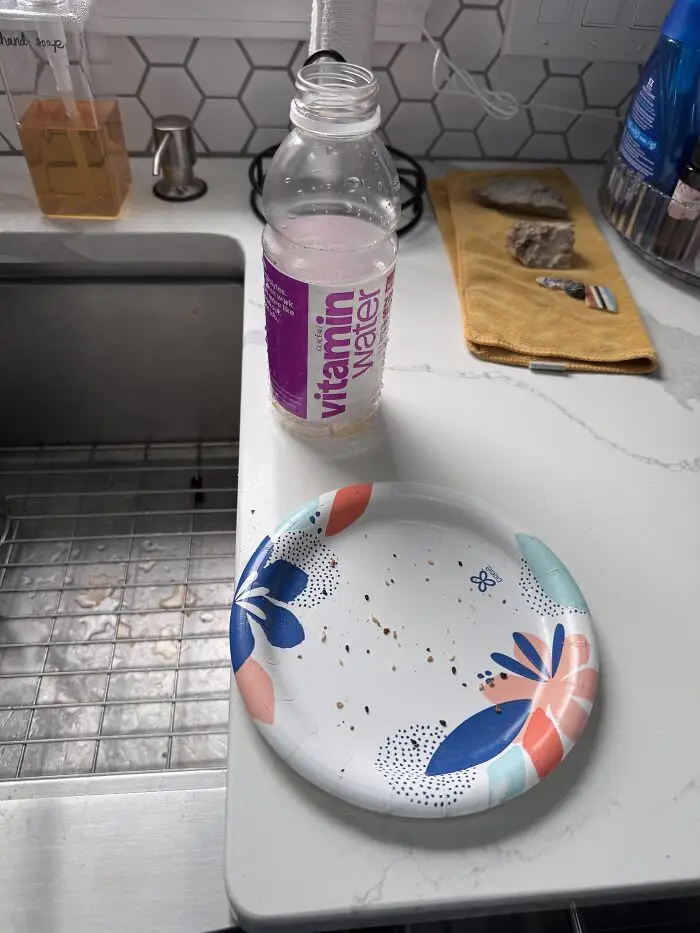

Living together also removes much of the social restraint people tend to maintain around acquaintances, meaning couples become more exposed to each other's habits and less likely to overlook them. The BPS also discusses a phenomenon known as the fatal attraction pattern, in which qualities that initially appealed to someone can eventually become irritating.
A husband's independence, for example, might initially seem attractive but later feel like emotional distance, while his attentiveness could eventually become intrusive. Stress can make these frustrations even more noticeable, as people become more focused on their partner's negative behaviors while paying less attention to their positive contributions.
Consequently, even relatively ordinary habits can become difficult to tolerate when someone is already feeling overwhelmed or unappreciated.
#19 My Husband Unloaded This Mug From The Dishwasher And Put It In The Cupboard 🙃