


The human body is far more different from person to person than we realize. People can have differences in their muscles, bones, blood vessels, nerves, or even the number and shape of certain bones. Most of these differences don’t cause any problems, even if they seem surprising when we notice them.
This means that unusual hands, feet, fingers, and other features are less mysterious than they might seem at first. Doctors often see these anatomical variations during checkups, scans, or surgeries, and some are common enough to be important in medicine. Once we realize how much bodies can vary, it’s natural to wonder what causes these differences in the first place.
Some of these variations start in our DNA. The average human genome has millions of small differences compared to a reference sequence, along with thousands of bigger structural changes. These variants make up only a small part of our DNA, but they help explain why people inherit different physical traits.
Genetic variation can show up as changes in single DNA letters, added or missing sequences, repeated sections, or bigger rearrangements. Some of these changes do not have any clear effect, but others can influence health or physical traits.
So, an unusual feature in a photo might come from a biological difference that was present in the person’s genome long before anyone noticed it.
Our bodies hold clues about our personal history. Bones and teeth can show details like age, ancestry, injuries, disease, and other parts of a person’s life. At the Smithsonian, over 30,000 sets of human remains help researchers identify people and study health patterns in different groups.
When researchers compare many bodies from different times, the evidence can reveal a much bigger story. Human remains have helped show how people lived and died, including their injuries, medical care, and what they were exposed to. One skeleton can tell us about one person’s life, but collections of remains can show patterns in whole populations.
These clues about populations tell us even more when we look further into the past. Over about six million years, our ancestors went through big changes in body shape, movement, diet, and brain size. Early humans usually had thicker, stronger bones, but later humans developed lighter skeletons as their lives became less physically demanding.
Climate and diet also played a role in shaping human bodies. Early humans in hot places developed narrower bodies and longer legs to help release heat. Neanderthals, who lived in colder areas, had short, broad bodies that kept them warm. Modern humans have lighter skeletons, bigger brains, and less noticeable brow ridges compared to earlier human species.
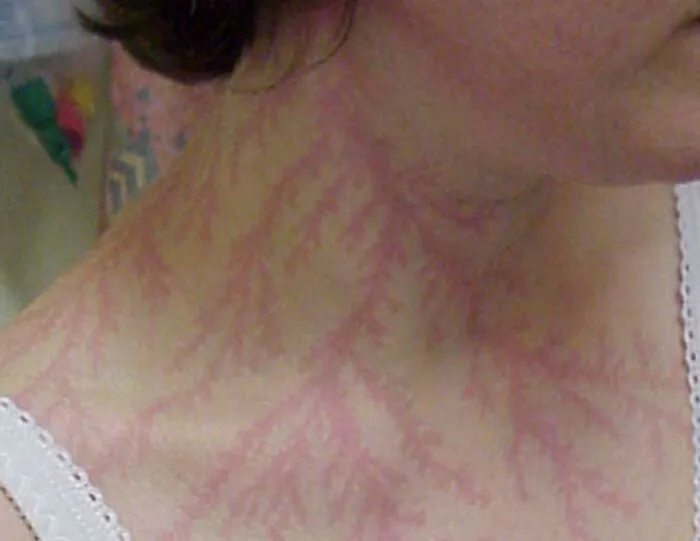
#10 Skin Findings On A Woman Who Was Electrocuted Through Her Landline Phone From A Lightning Strike
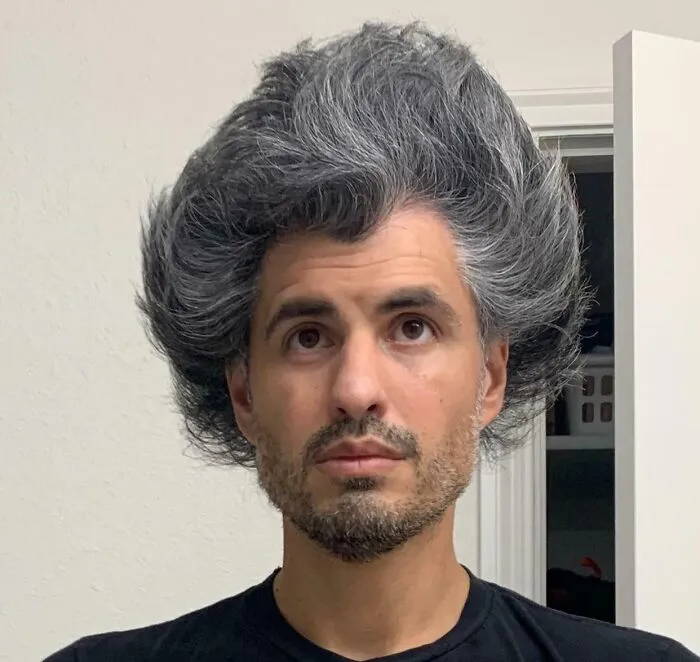
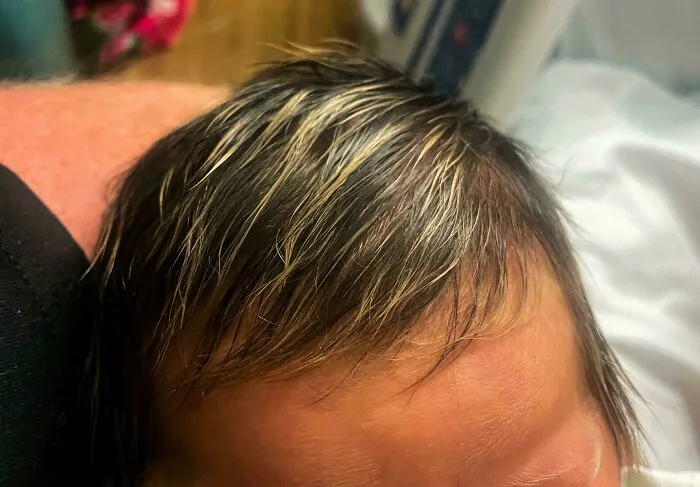
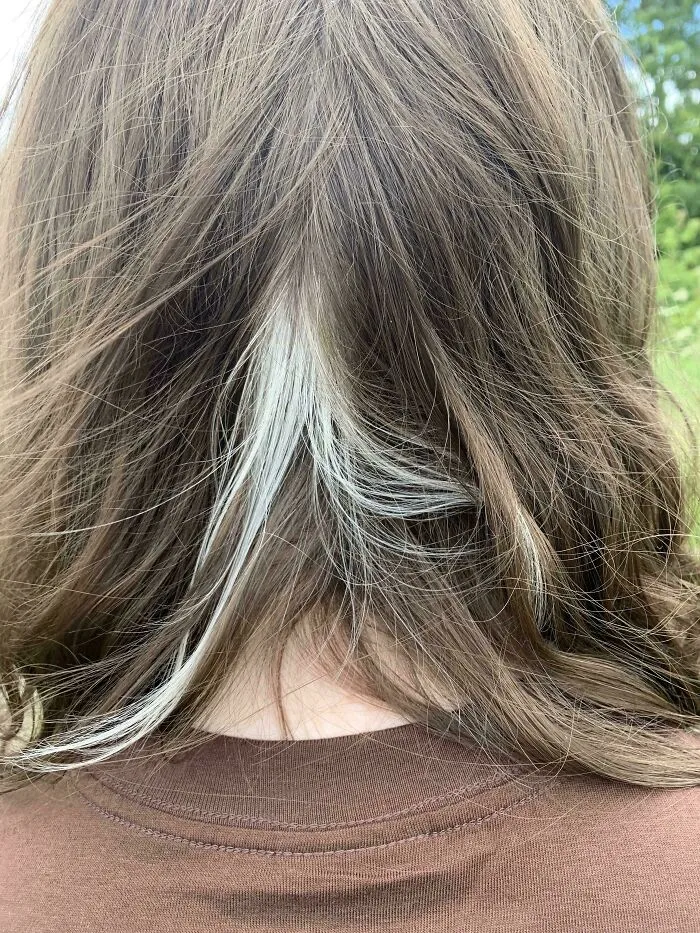
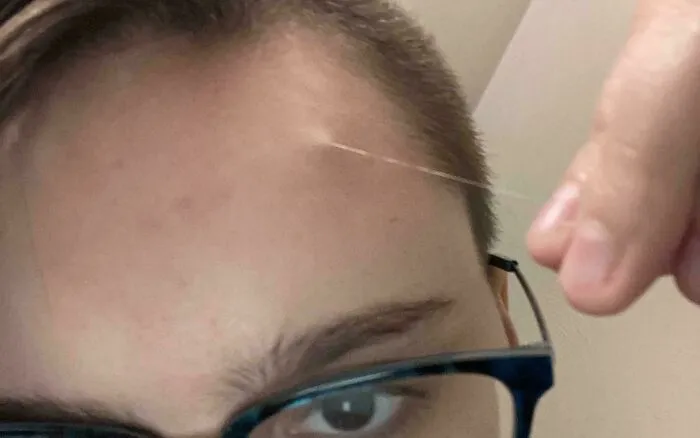
#11 This Patch Of White Hair We Somehow Just Found On My Head Today At Only 20 Years Old
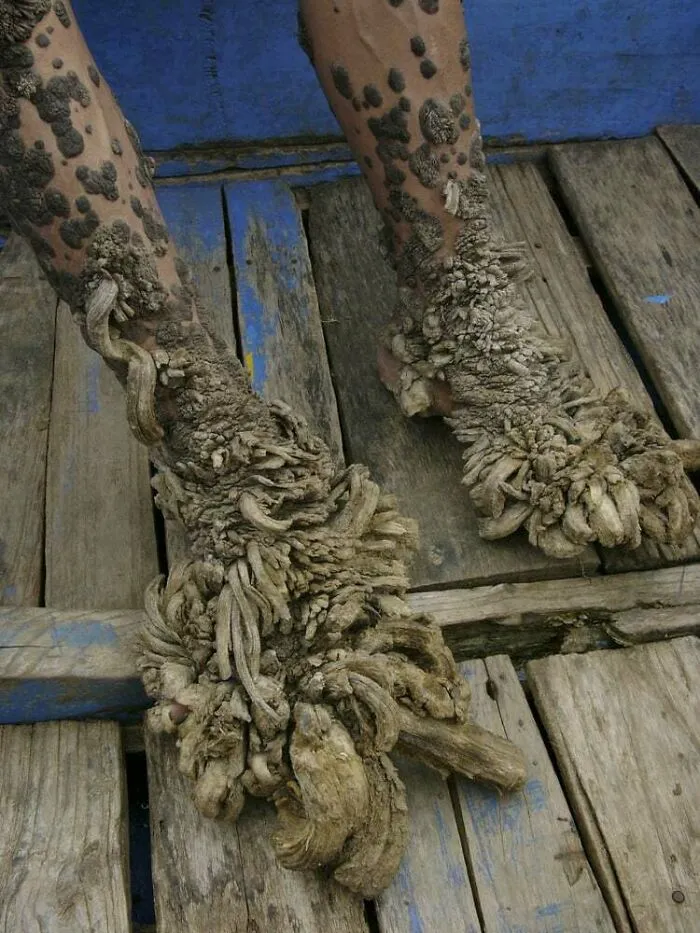
#12 Epidermodysplasia Verruciformis Or "Tree Man" Syndrome Is An Extremely Rare Skin Condition That Causes Bark-Like, Painful Growths That Cover The Body, Especially The Extremities. Low Immune Systems Are Susceptible To This Horrendous Disorder
Human evolution continued even after our ancestors started to look more like us. Today, changes in our environment affect how much we move, what we eat, and how we spend our time. The World Health Organization reports that about 31% of adults worldwide, or roughly 1.8 billion people, did not meet recommended activity levels in 2022.
Cars, computers, and screens for work, school, and entertainment have made our daily lives more sedentary. This change already affects our bodies. Spending more time sitting is linked to higher risks of heart disease, cancer, and type 2 diabetes. On the other hand, regular physical activity helps improve heart, metabolic, bone, brain, and mental health.
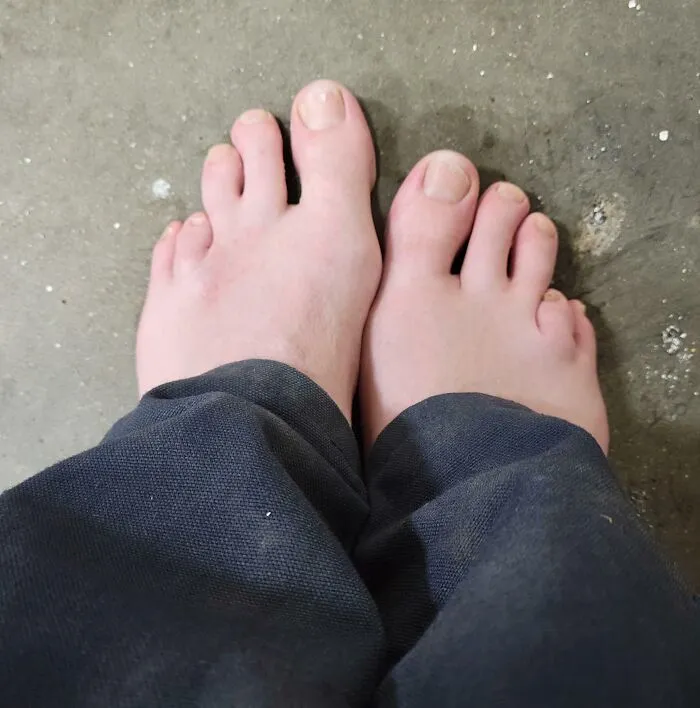
Modern life not only affects how our bodies work today, but also changes the way natural selection happens. The Industrial Revolution changed what people eat, how diseases spread, how we reproduce, and how long we live. These changes have created environments that are very different from those where humans first adapted.
This mismatch opens up interesting possibilities for the future. Traits that once helped people survive might work differently in today’s world. Changes in survival and disease can also shift how natural selection works. While we cannot say exactly how humans will look in the future, we do know that the forces shaping our evolution have changed.
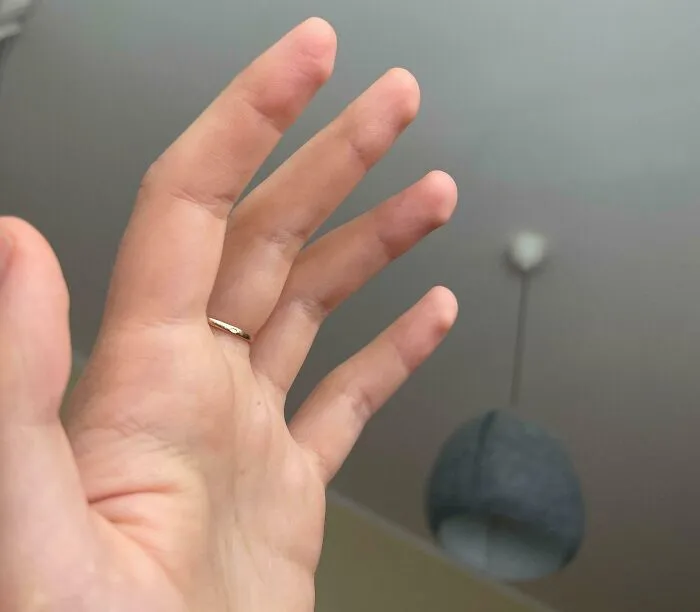
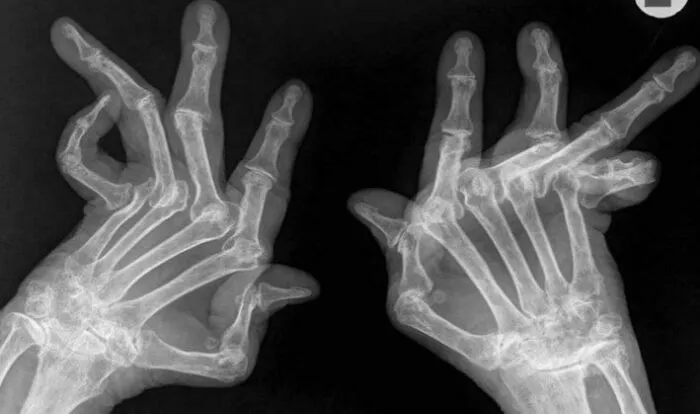
You might think that what makes us all the same is the human blueprint we share, but perhaps it is our differences that truly unite us. Every unusual finger, unexpected feature, and evolutionary change is another reminder that there has never been just one way to be human.
Which of these body features surprised you the most? And did any of them make you look at your own body a little differently?
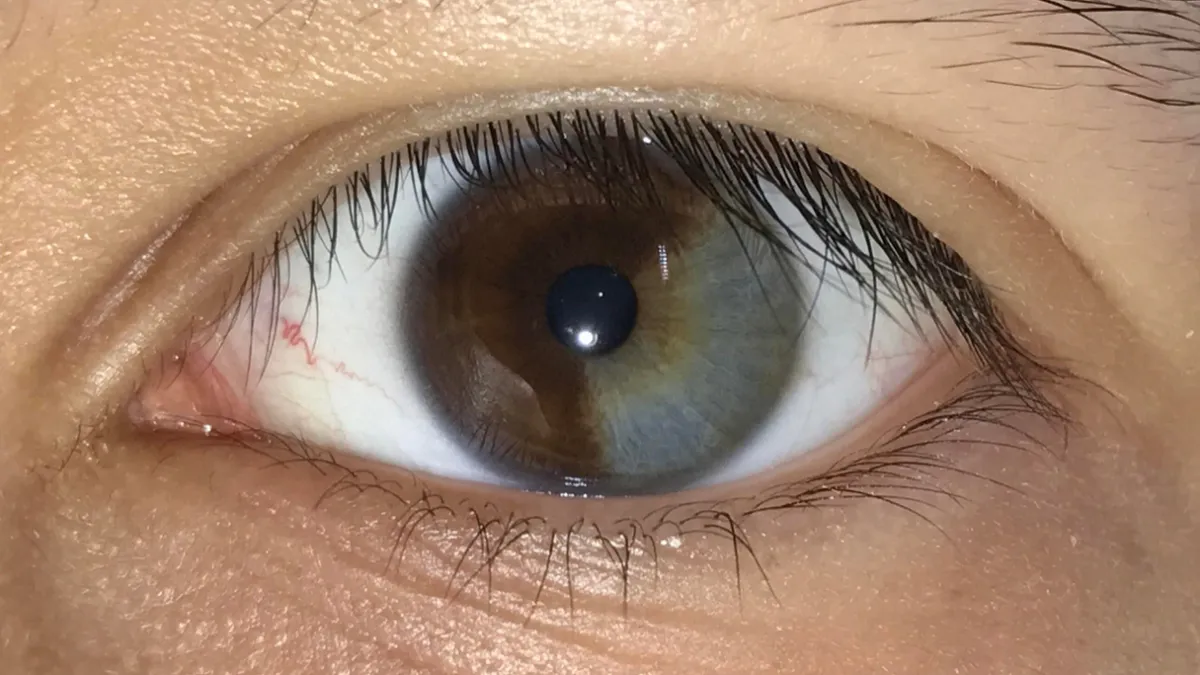
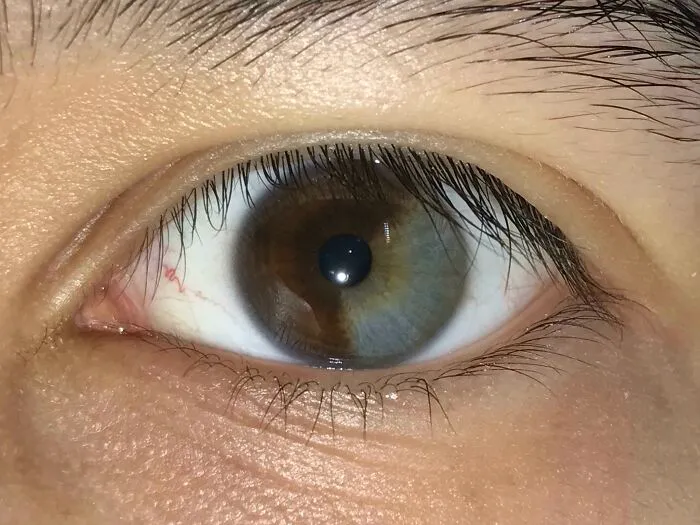
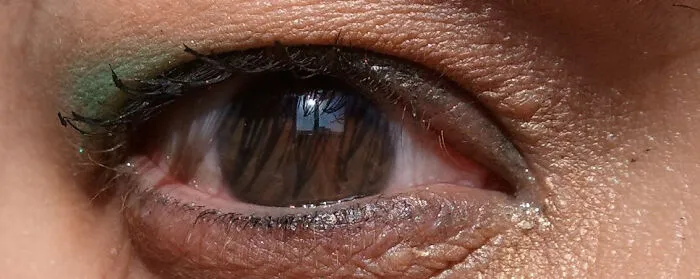
#19 I Am Blind In My Left Eye. Here's What An Actual Pupil-Less Eye Looks Like (Not Gross)
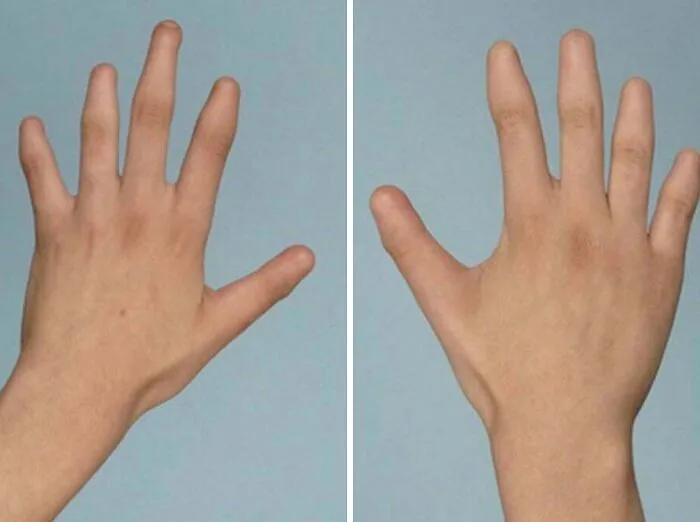
#20 Anonychia Congenita Is A Condition That Causes People To Be Unable To Grow Nails