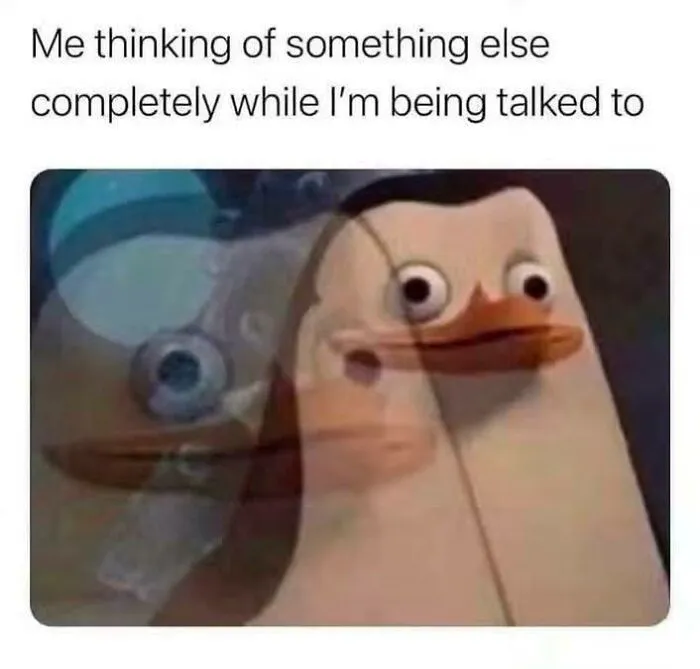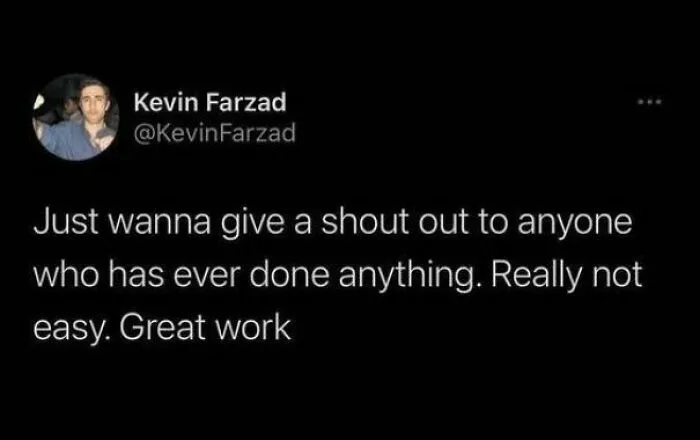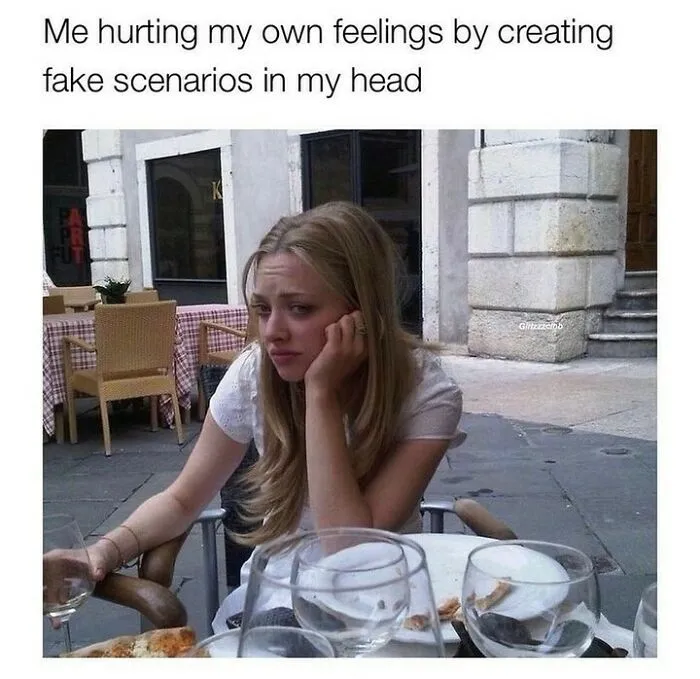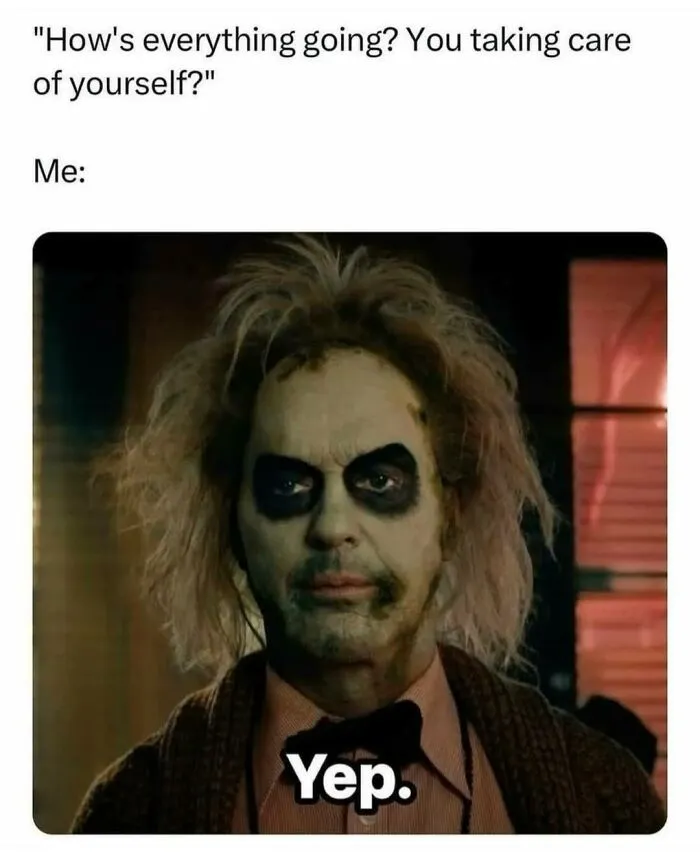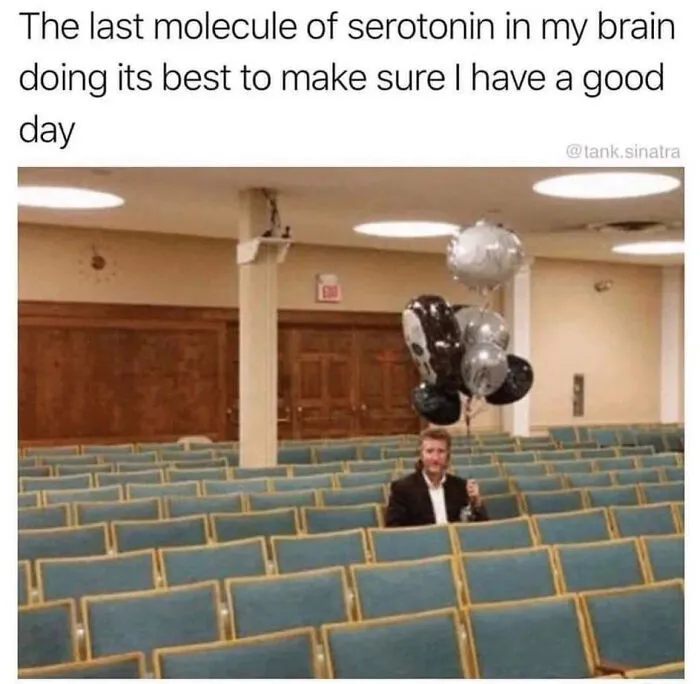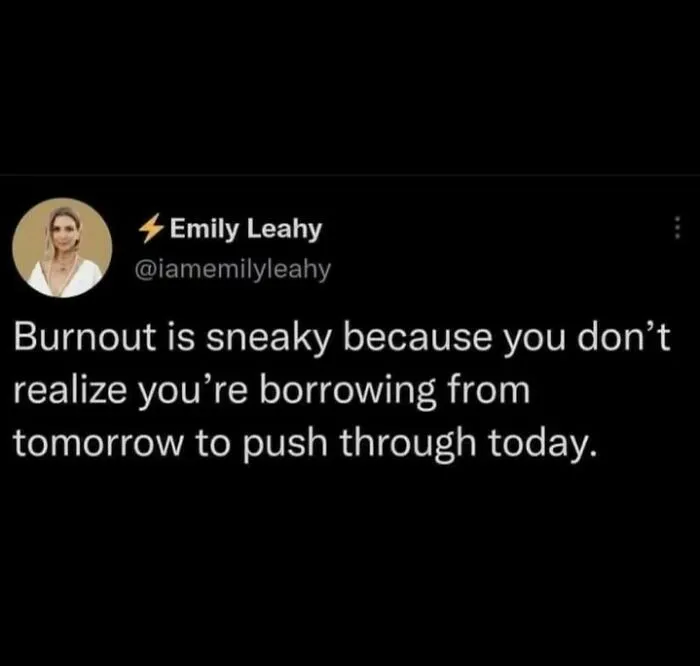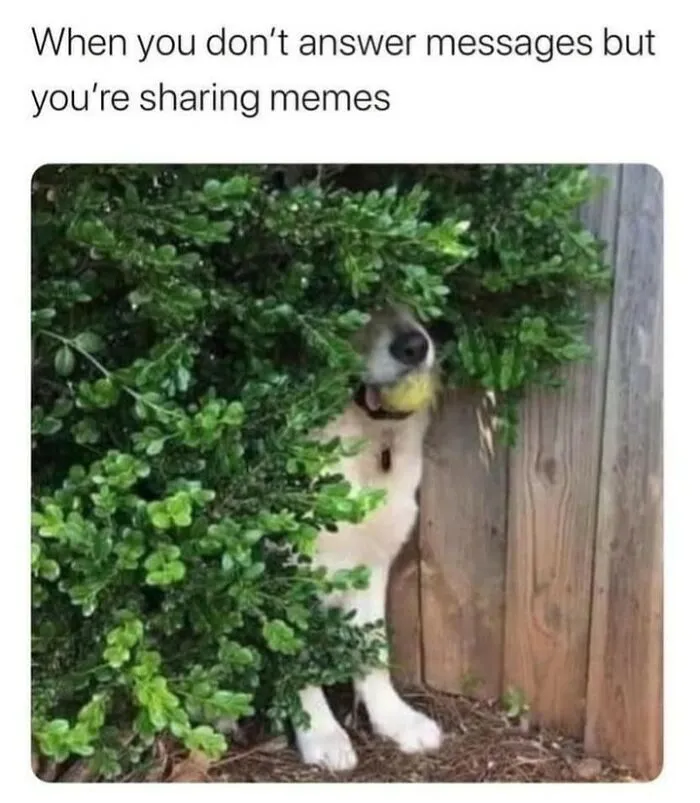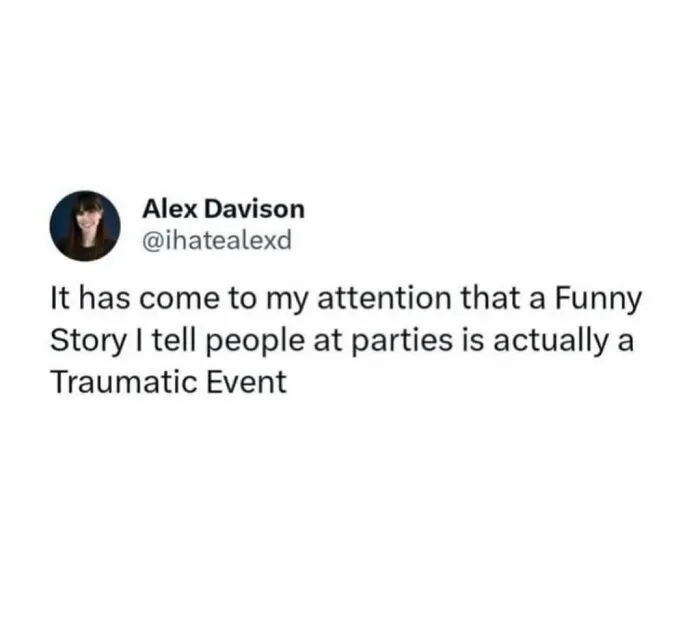
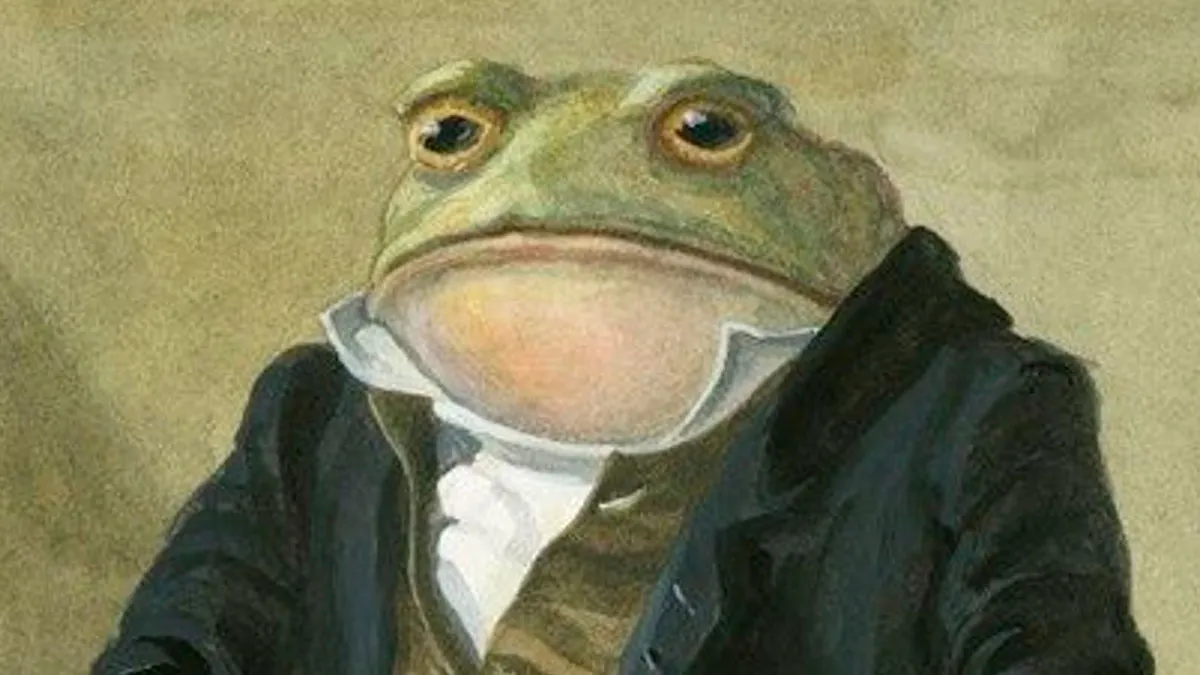



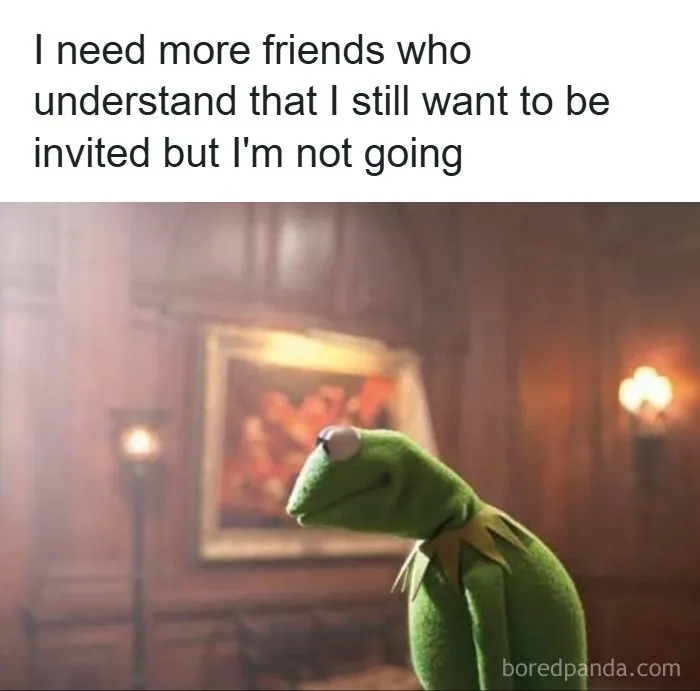
Rather than feeling like a "failure" for having these thoughts, the user sees that their experience is so common it has become a recognizable archetype on the internet. This therapeutic side of humor helps normalize the conversation around mental health, making it feel less like a dark secret and more like a shared human hurdle. It provides a community of support that is accessible at any time, right from the palm of your hand.
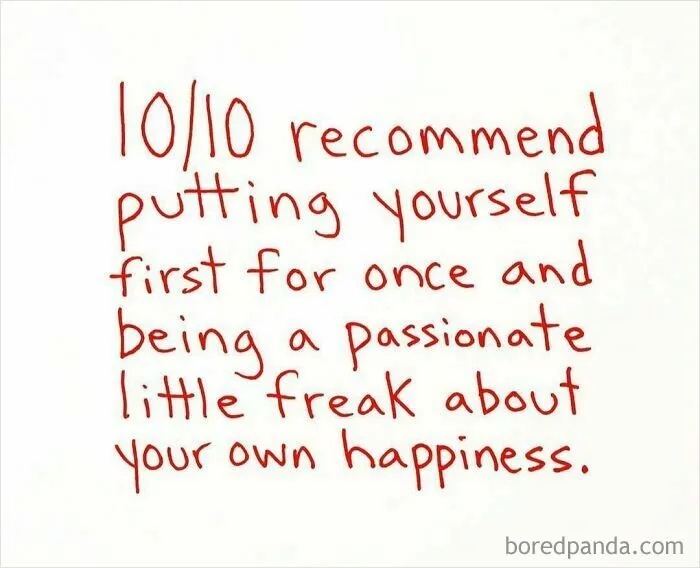
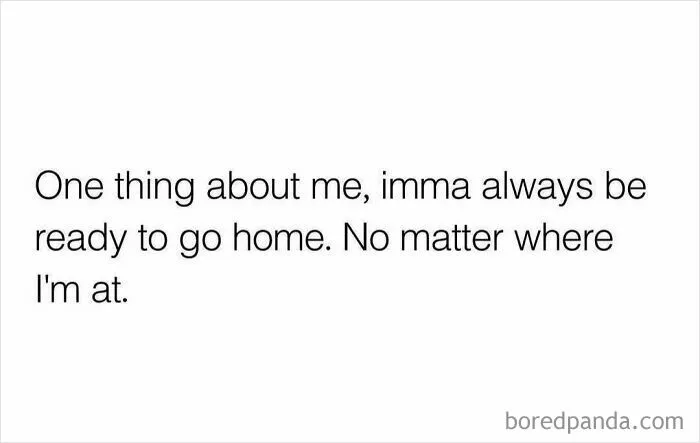
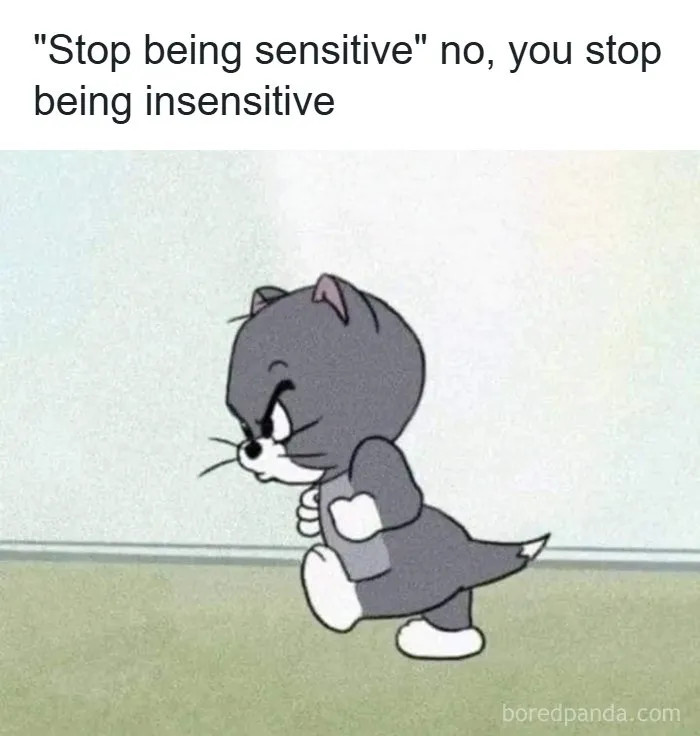
Furthermore, memes offer a unique cognitive benefit by encouraging us to look at our lives through a different lens. To "get" a meme, you often have to understand multiple layers of irony or cultural references, which engages the brain's creative and analytical centers. This brief mental workout can act as a "cognitive reset" when you are stuck on a difficult task.

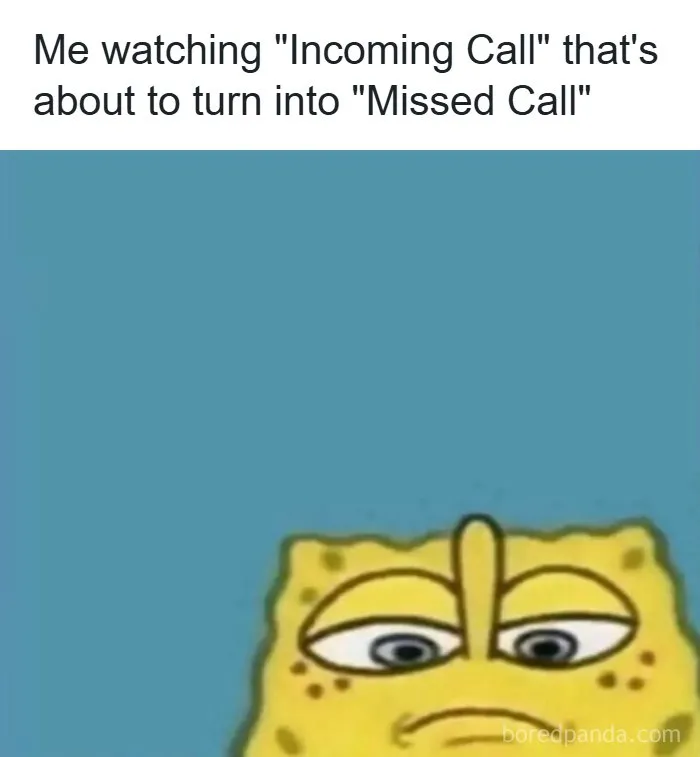
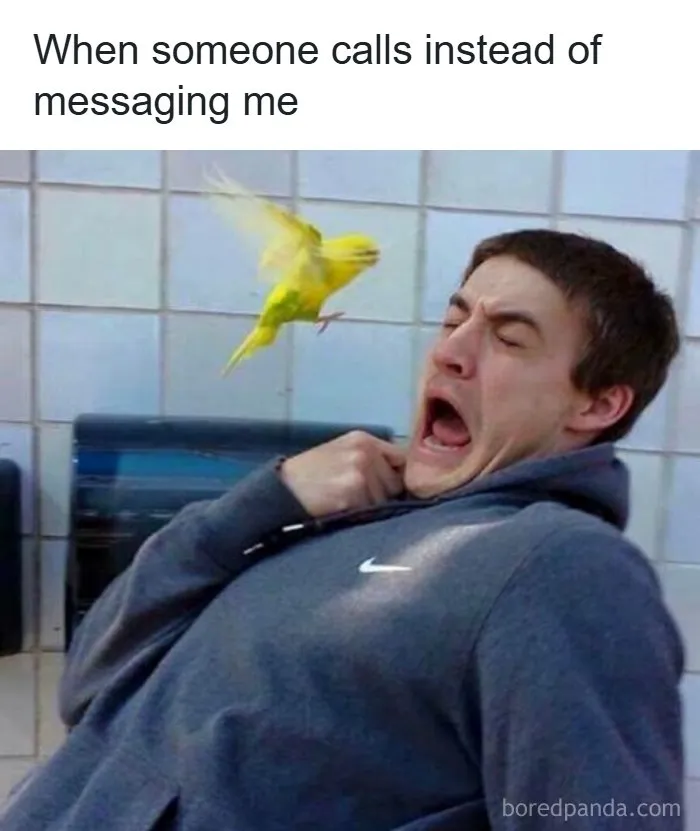
It provides a high-density burst of entertainment that satisfies our brain's craving for novelty without the time commitment of a full television show or movie. These "micro-breaks" can actually improve overall productivity by preventing burnout and keeping our mood elevated throughout the day. It turns the act of scrolling into a series of tiny wins for our emotional regulation systems.
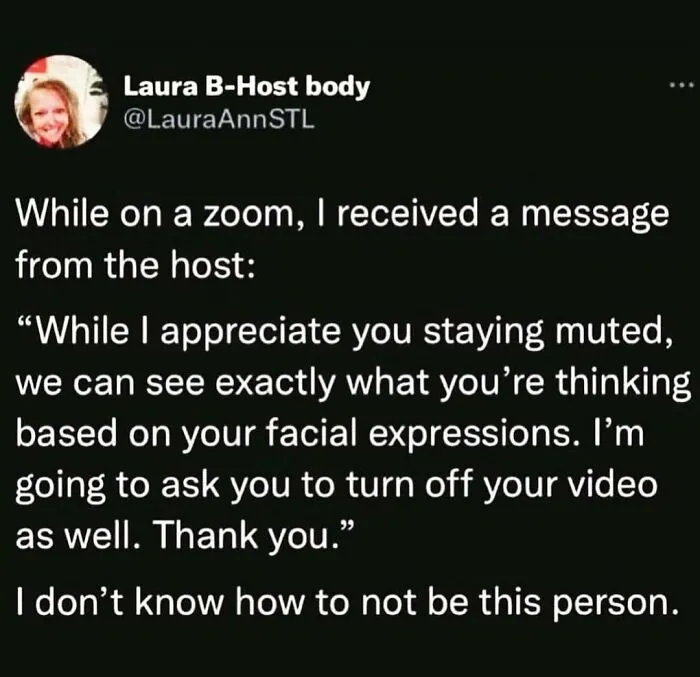

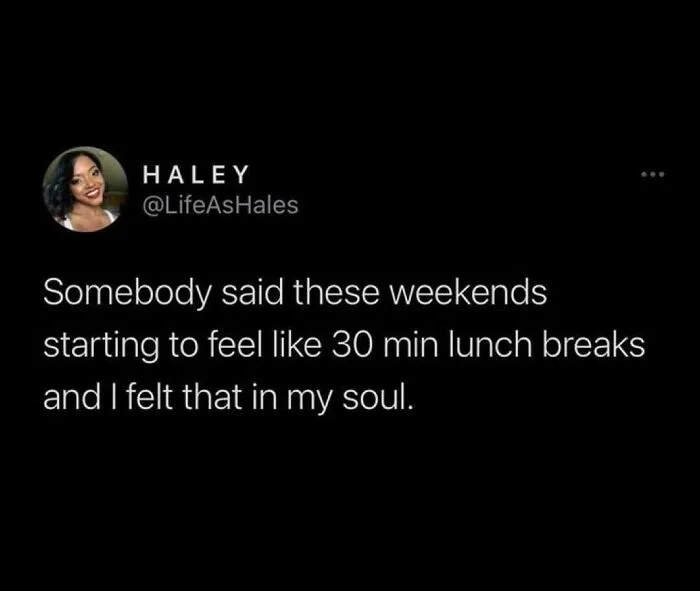
Of course, like all good things, the benefits of memes are best enjoyed in moderation. The goal is to use them as a "digital deep breath" rather than a permanent escape from reality. When used mindfully, they are a testament to human resilience and our incredible ability to find light in the dark. They remind us that no matter how strange or difficult life gets, there is probably a cat picture out there that perfectly explains how we feel, and millions of people who are ready to hit "like" because they feel it too. So, the next time you find yourself giggling at a screen, know that you aren't just wasting time, you are checking in with your community, lowering your stress, and giving your mental health a little boost.