

This post may include affiliate links.
This first comprehensive plan also ushered in what Keane calls city planning dehumanization by formula. To justify widening downtown streets by cutting into sidewalks, engineers used calculations that reflected the cost to operate an automobile in a congested area—including the cost of a human life, because crashes took lives.
Engineers also worked out the value of a sidewalk through a formula based on how many people the elevators in adjoining buildings could deliver at peak times. In the end, Cincinnati's planners recommended widening the streets for cars, which were becoming more common, by shrinking sidewalks. "City planning became an engineering equation, and one focused on separating people and spreading the city out to the maximum extent possible," Keane said.
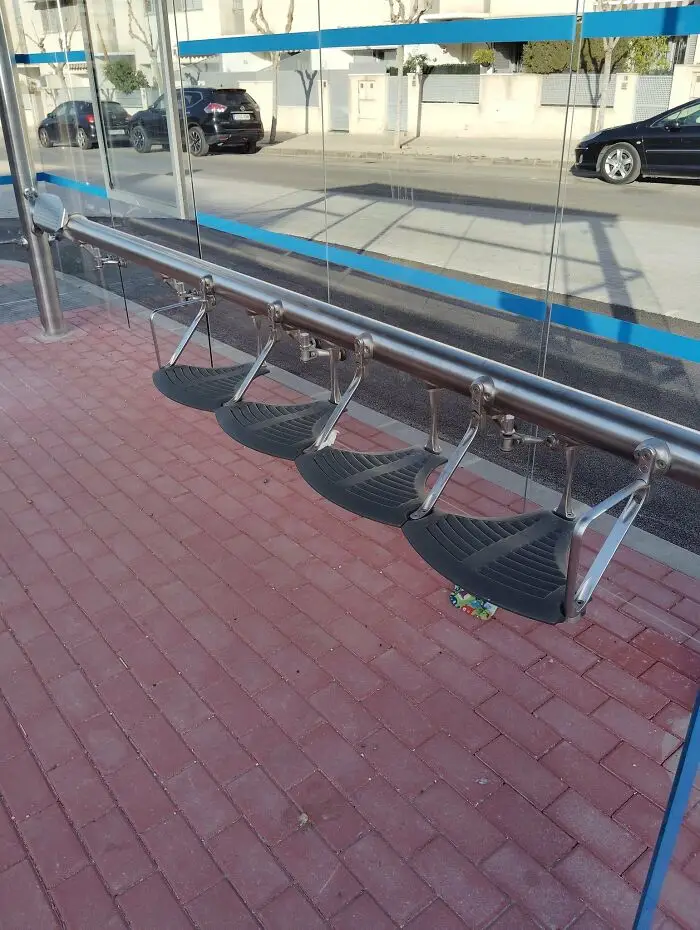
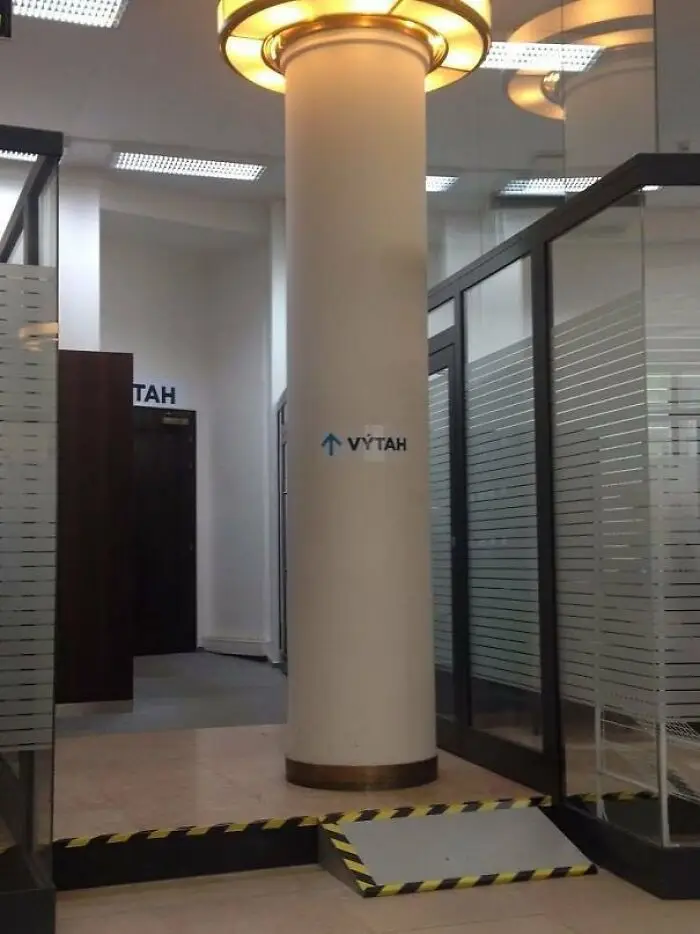

Keane said that to this day, decision-makers argue for months or years about each project and are never satisfied. "What distinguishes city planning from other pursuits is its concentration on the whole community. We have become dreadful at this."
"Moving from project to project, or zoning case to zoning case, is not what differentiates planning; the administrators and lawyers can handle that. Exceptional solutions to our biggest city planning problems, such as housing affordability and climate resilience, will never be achieved piecemeal," he added.
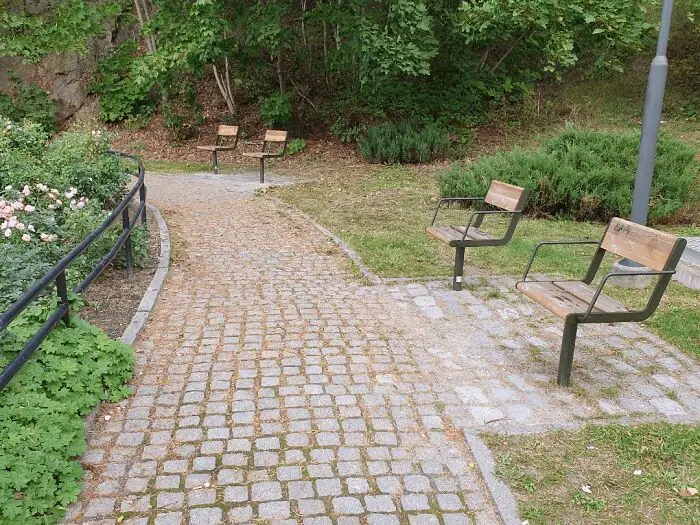
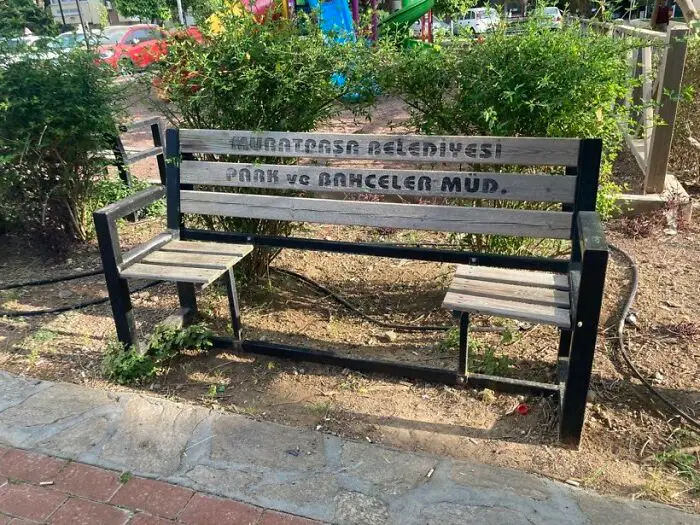
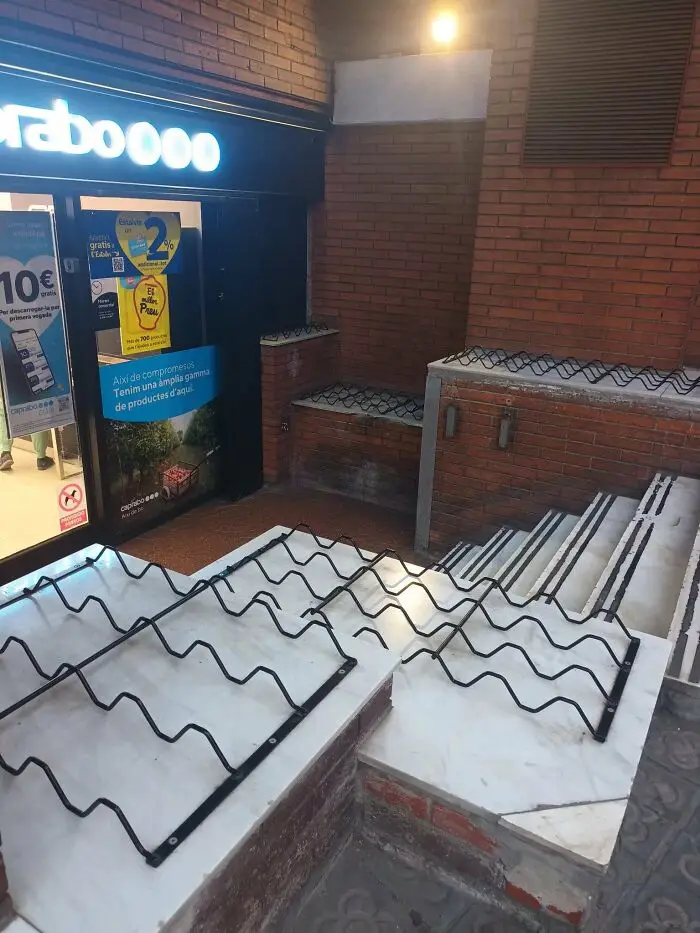
So what's the solution? Keane thinks cities should go for design-based, community-scaled solutions. We must grow within our existing places rather than sprawl, which has ruined too much land, generated too many greenhouse gas emissions, and wasted too much time as we drive for every simple thing. The city and all its neighborhoods must get better for the people in them.
"We need to design physical cities to be more enriching and distinguished. The degree to which a city becomes more equitable and resilient has to do with its physical attributes. How the physical city changes determines the degree to which we can deal with housing affordability, mobility, and climate adaptation," the urban planner said.
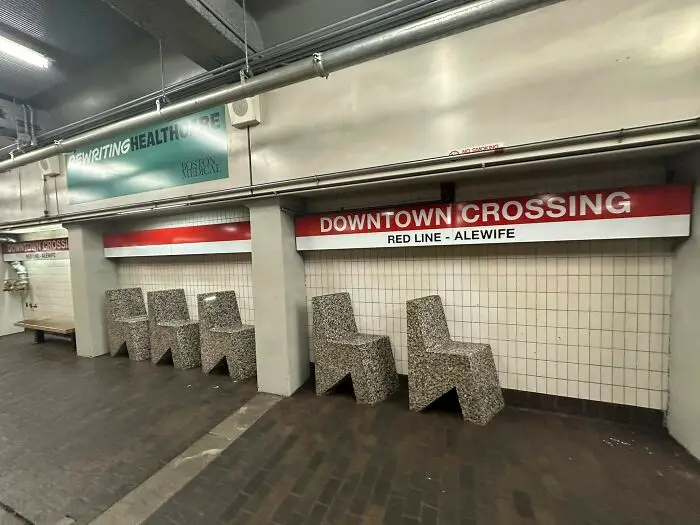
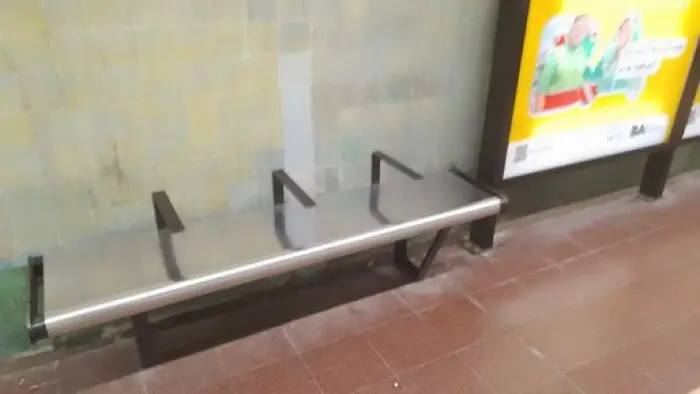
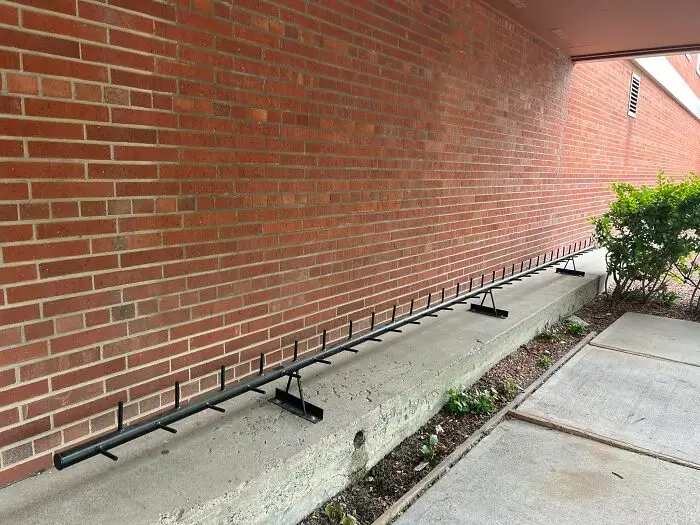
"Hope and action lie not in furthering our most destructive national obsession of consuming more land and greater resources, compounded by procedural and administrative waste," Keane concluded.
"Only by committing ourselves to acknowledge, atone, repair and restore, as we design cities as physical space, is there any chance for being in relation with each other, with nature and with the land."