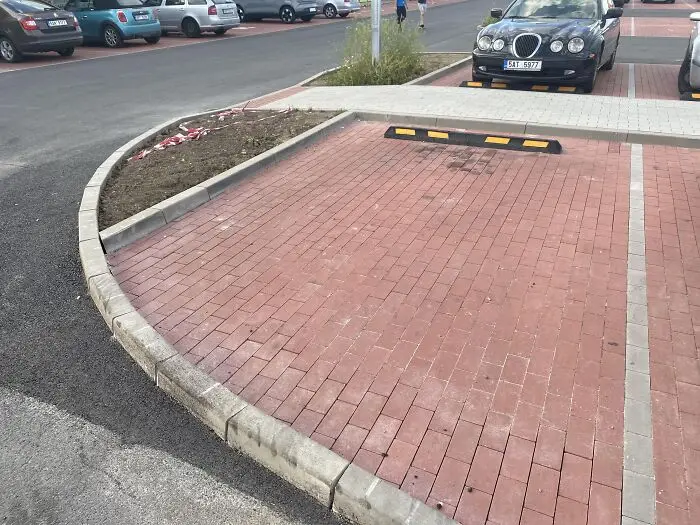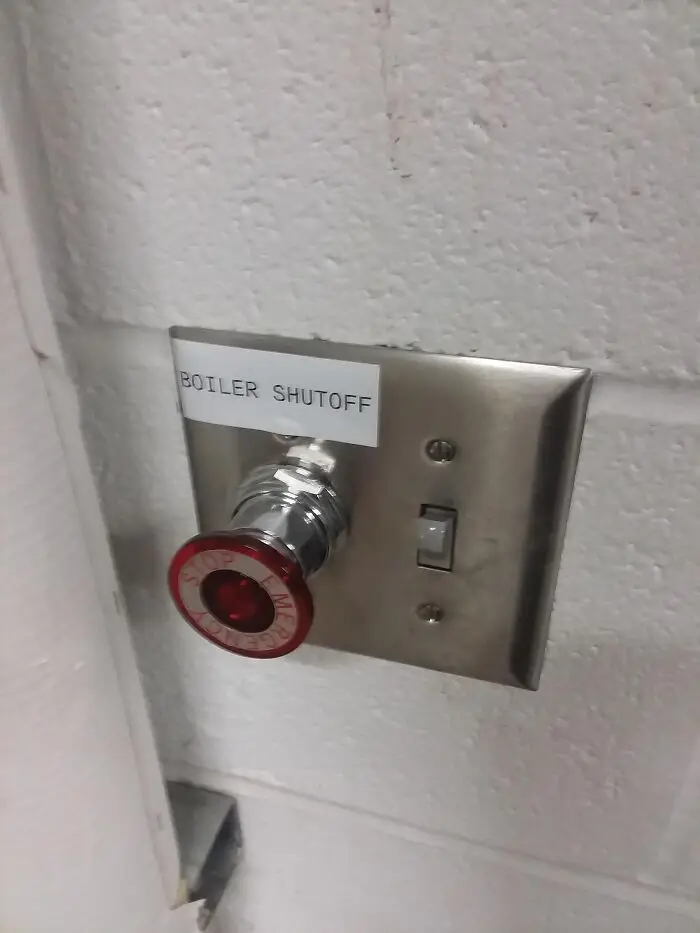



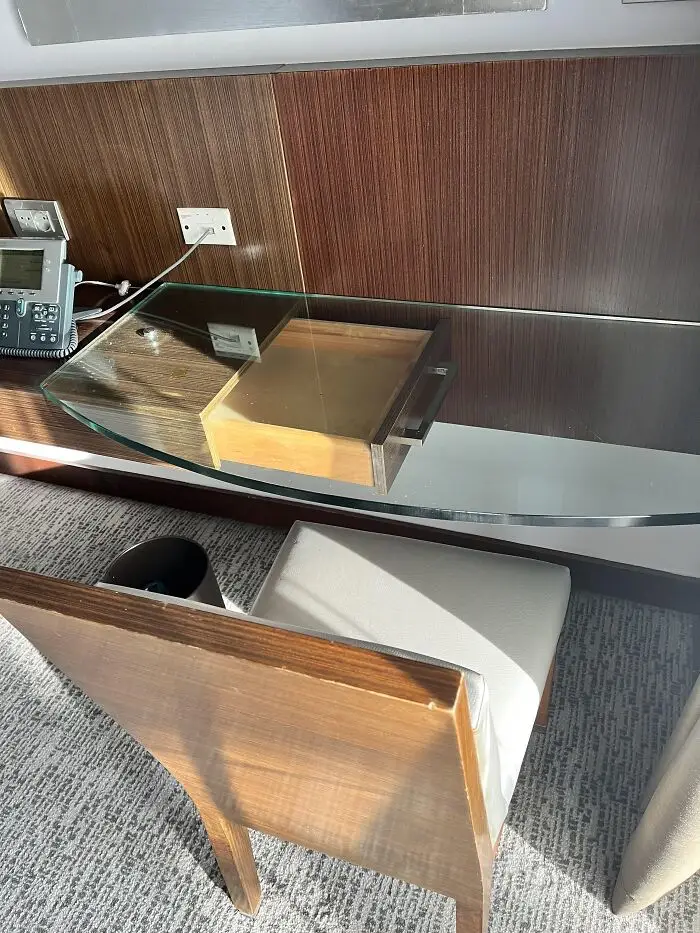
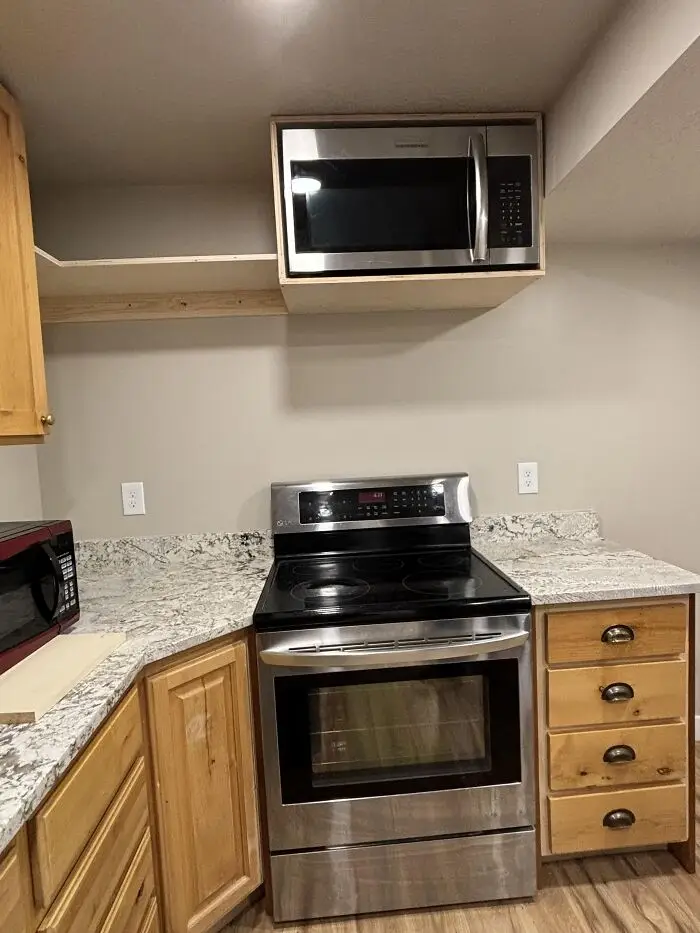
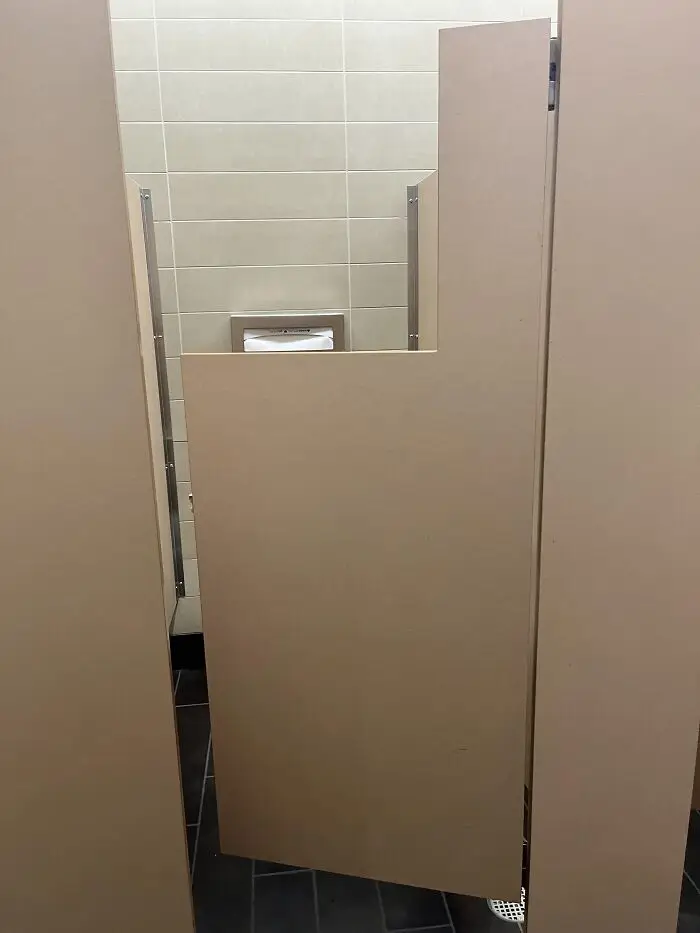
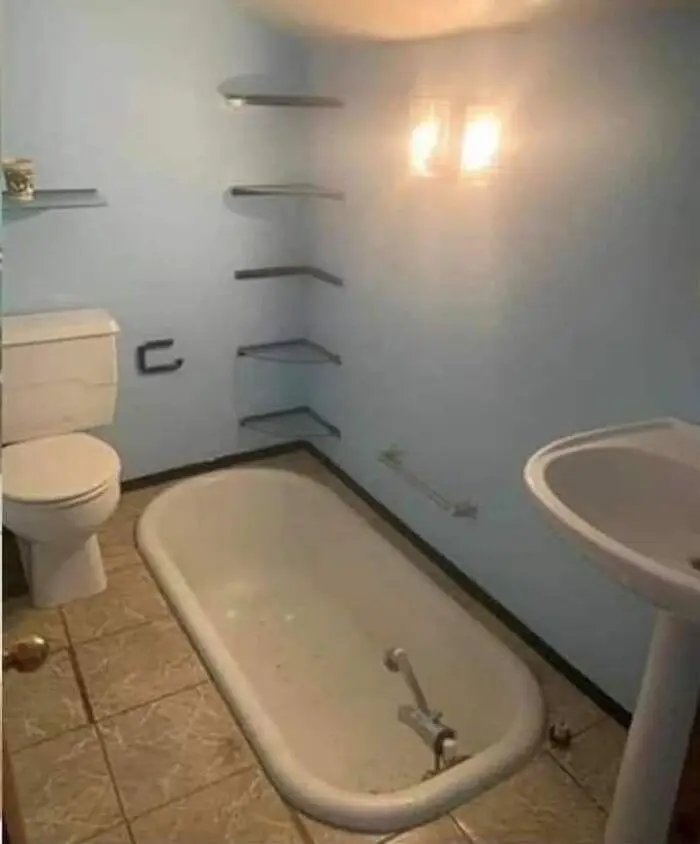
My first thought when watching these pictures, right after “who made these”, is “who on Earth approved the design?” Then, “who made it?”. Don’t you wonder, as well, who makes sure a design is safe?
Creating something is more than just having an idea and making a finished product. It starts when someone sees a need and comes up with a concept. Designers look at different ways to solve the problem, engineers check what’s technically needed, and safety experts look for hazards before any building or manufacturing begins.
The process also means looking over the design and choosing the best solution. Project leaders have to spot risks, find ways to remove them, and share their decisions with everyone involved. For example, a staircase needs more than just to look good. Its size, materials, handrails, and how it’s installed are all important.

Even after construction or manufacturing starts, the work needs careful attention. Contractors, manufacturers, installers, and project managers all play a part in how things turn out. Testing and checking the finished product is important too, since a design that seems fine on paper can show problems once people start using it.
So, if so many people take part in designing, reviewing, and building something, why do dangerous ideas still make it into the real world? One reason is that human decision-making has limitations. People process information through several stages, and distractions, time pressure, and personal biases can affect what they notice.
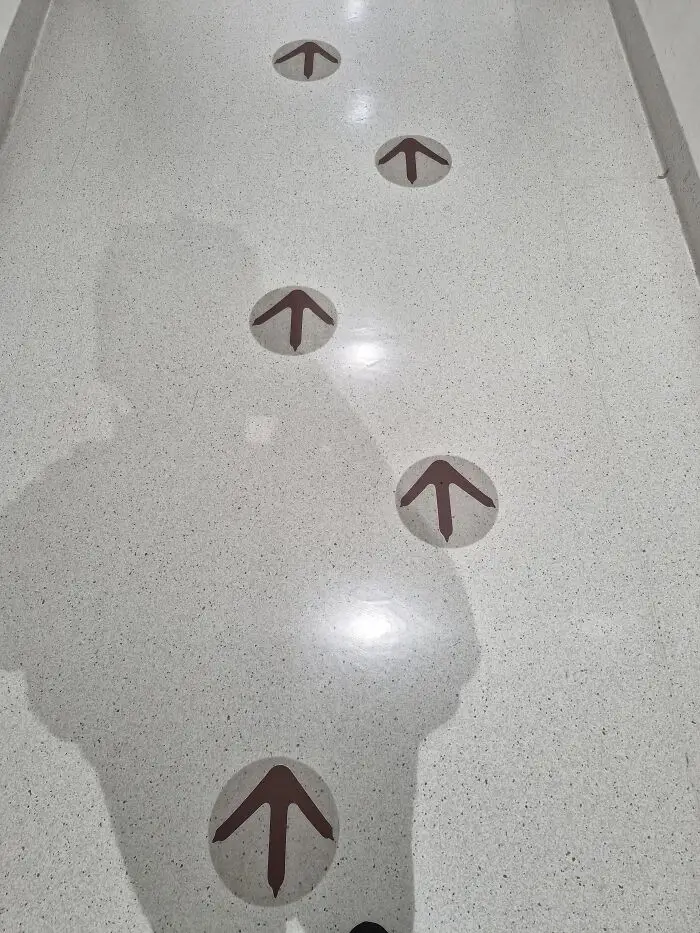
#5 These Directional Markers At My Local Hospital Are Kiwi Footprints. Unfortunately Bird Footprints Look Like Arrows Going The Wrong Way
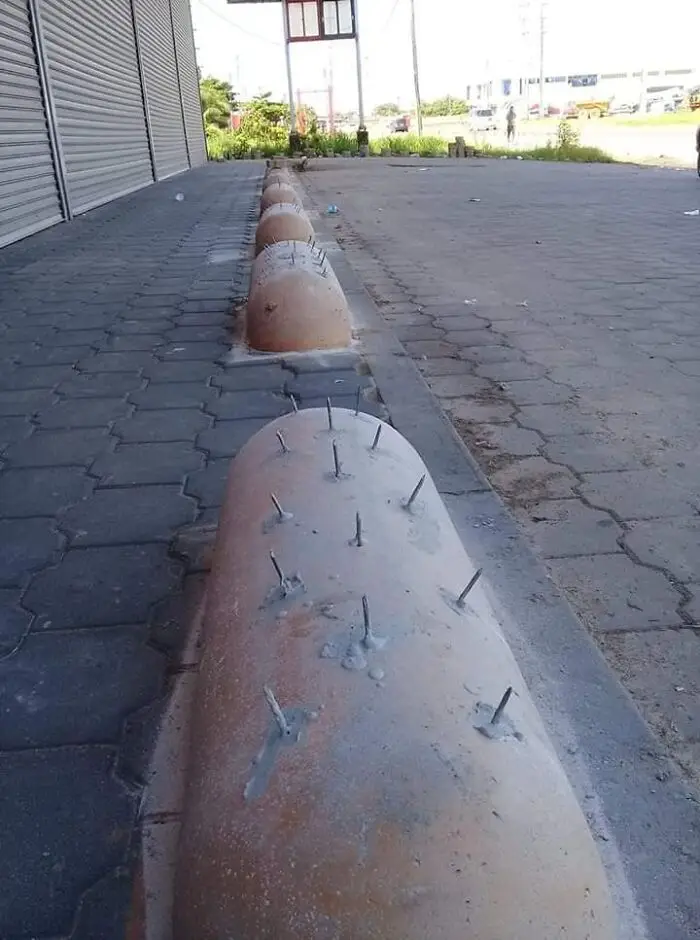
Our brains also rely on shortcuts to handle everyday situations. These shortcuts help us react fast, but they can cause trouble when a task needs close attention. For example, someone looking over a complex design might miss a warning, misunderstand something, or trust an assumption instead of checking the details.
Problems can also happen when people make decisions on autopilot. When tasks feel familiar, workers might stick to routines without checking if anything has changed or if a detail could bring a new risk. That’s why it’s important to review decisions, double-check information, and follow clear procedures, especially when safety is at stake.
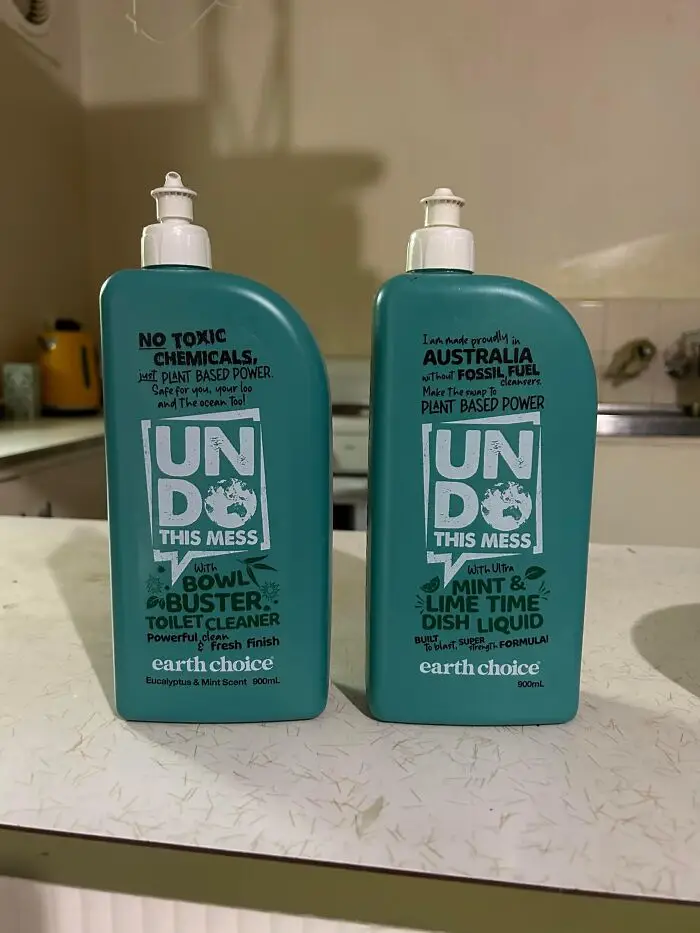
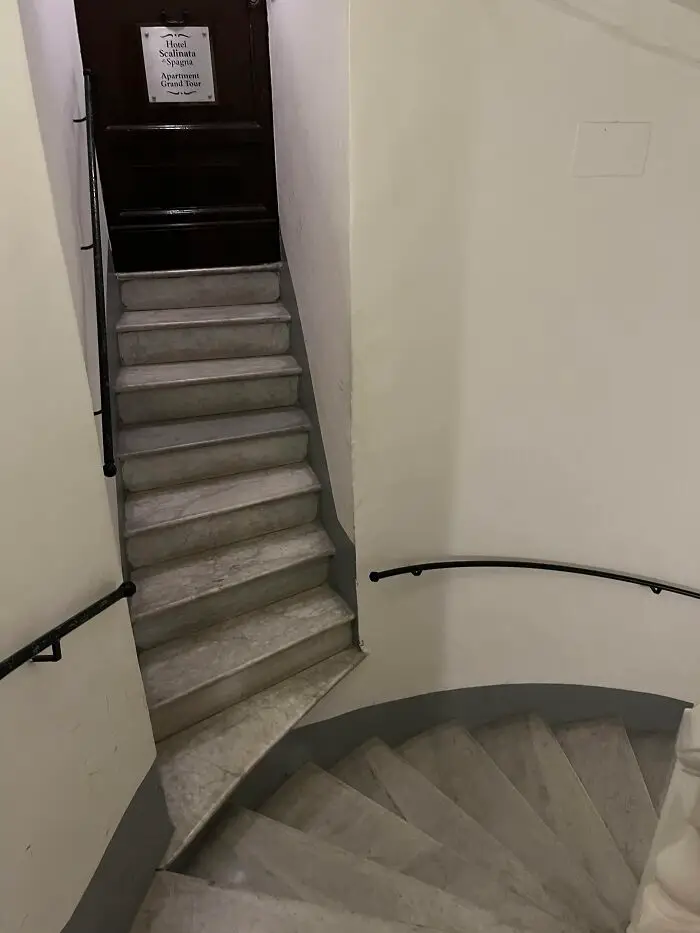

However, designers can sometimes overlook the way people actually behave. Even if they know how a product or space should be used, people don’t always stick to the plan. For example, someone might juggle bags while opening a door, check their phone while going downstairs, or grab a control without reading its label. Good design should consider the human factor.
People have different physical and sensory abilities. Some might have trouble seeing a step that doesn’t stand out, reaching a high handle, telling similar controls apart, or using equipment that needs a lot of strength. What works well for one person could be a real challenge for someone else.
#10 This Water Bottle Has Markings To Show You How Much Liquid Is In It, But You Can’t See Through The Bottle
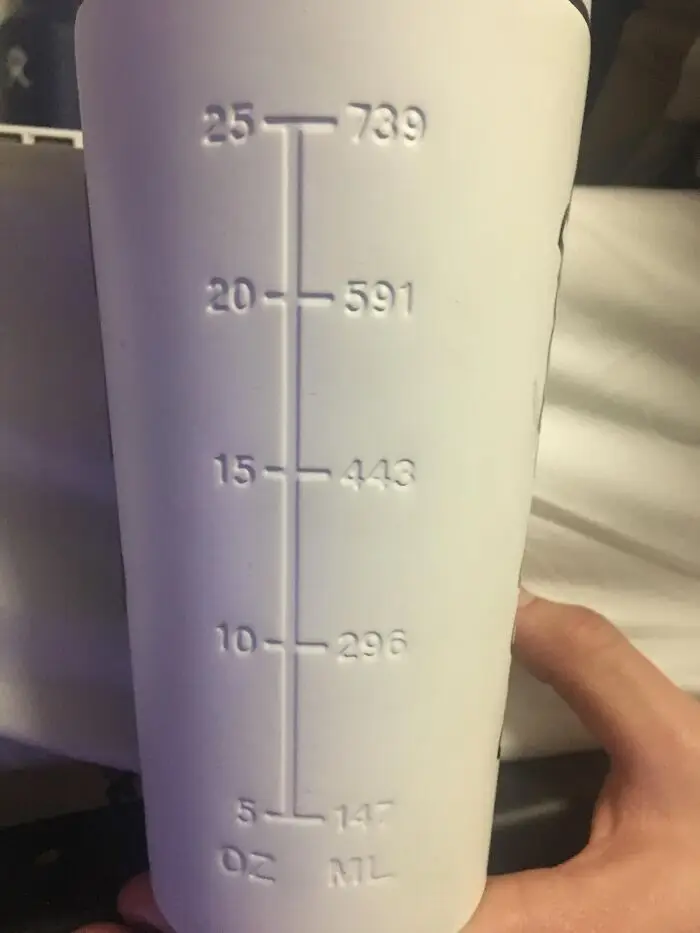


The environment where people work is important too. Bad lighting, loud noise, too much work, and unclear instructions can all change how people act. Rather than expecting everyone to stay perfectly focused, designers should think about human limits and make products, equipment, and spaces that help people use them safely.
And taking human behavior into account is only part of the solution. Safety also needs to influence the design itself, starting long before anyone installs a staircase, opens a building, or puts a new product on sale. When designers spot hazards early, they have more chances to eliminate them rather than fixing issues after the fact.
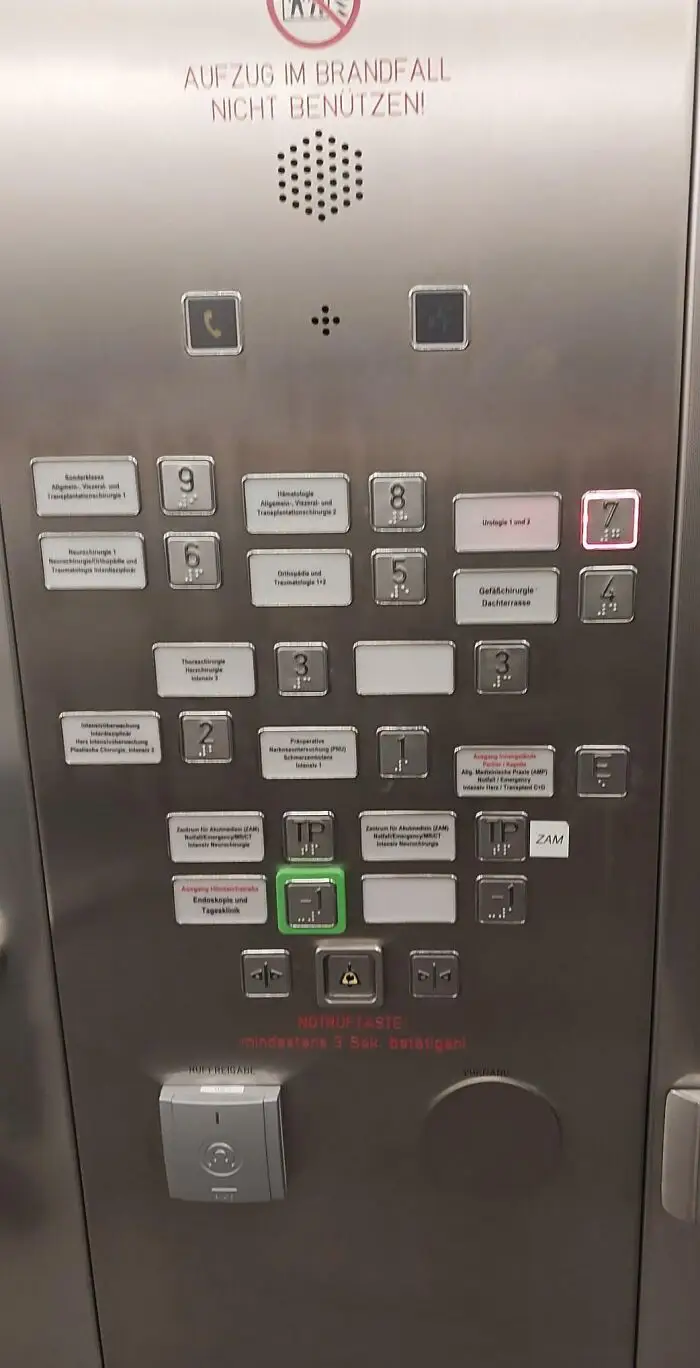
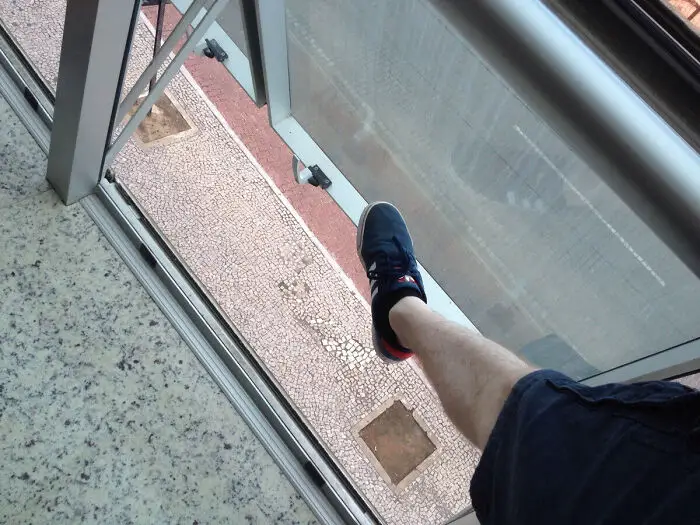
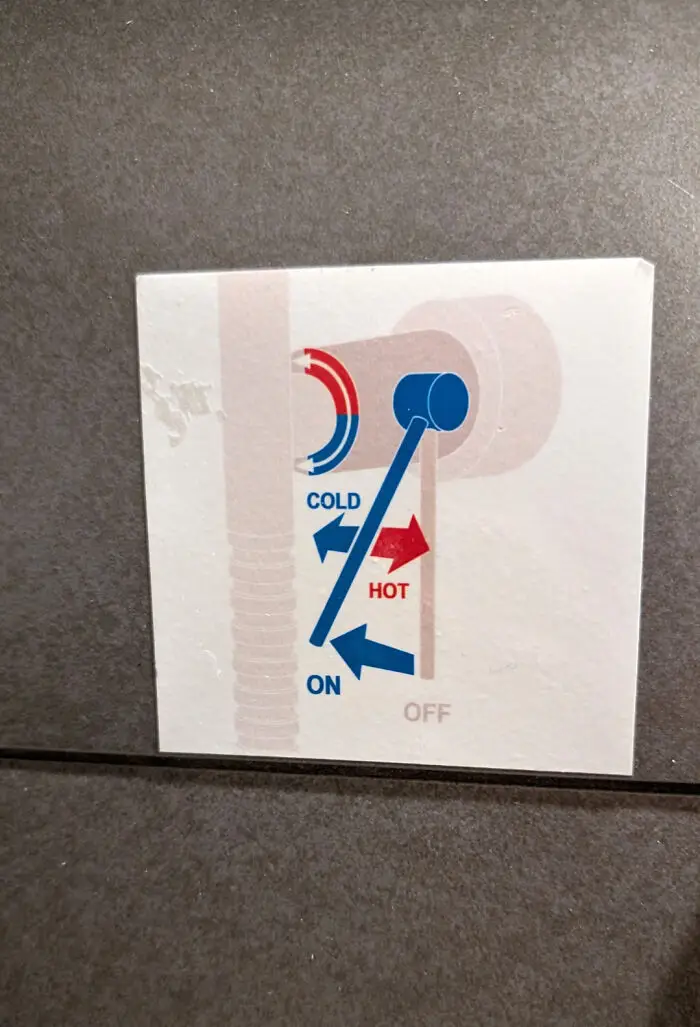
For example, when planning a building, it’s important to think about how workers will build it, how visitors will move around inside, how maintenance teams will reach equipment. Each phase can bring its own hazards, so only checking the finished building can leave key issues unresolved.
Safety checks should keep going even after people start using a product or building. Designers and project teams need to see if their choices work as planned and if daily use uncovers any unexpected problems. A strong design should stay safe for its whole life, not just look good when it first opens.
Especially considering that even small mistakes can lead to serious accidents. A slippery floor, an uneven step, or an obstacle in the wrong place can make someone fall. In workplaces, these everyday hazards often lead to injuries that have simple explanations and could have been prevented.
The type of flooring, lighting, cleaning habits, and walkway design all affect how safely people move. Water, dust, and other substances can make floors slippery. Loose cables, damaged floors, and items left in hallways can cause trips. Even a small change in floor height can be a problem if someone misses it.
Preventing these accidents usually depends on practical choices. Picking the right flooring, keeping walkways clear, making sure lighting is good, and cleaning up spills quickly all help. These details might seem minor when planning, but they can decide if someone walks through safely or ends up in the emergency room.