

#1
If you're constantly trying to figure out where you're sleeping, where your next meal is coming from, how to stay clean, or how to keep your belongings safe, I can see how planning months ahead would become incredibly difficult.
It's easy to look at someone's situation from the outside and think about all the things they *should* be doing. But when you're in survival mode, getting through today can take up almost all of your mental bandwidth.
I think people underestimate how exhausting that must be.
#2
*Being homeless was better than enduring what they’d endured*.
People generalizing homelessness into an addiction issue is so grossly irresponsible.
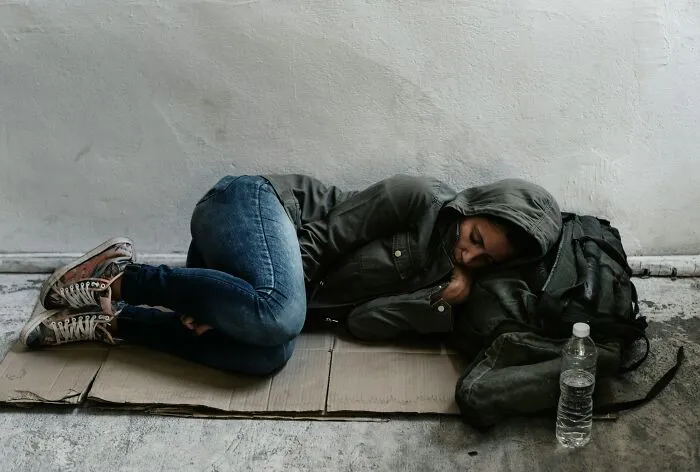
It is easy to develop a sense of learned blindness in our daily lives. We think if we don’t look too hard at the person sleeping on the park bench or the car filled with belongings in a parking lot, it is not a problem — and certainly not our problem.
But that’s where we are mistaken. The line between having a roof over your head and losing everything is actually pretty thin for many people.
In fact, for millions of Americans, that line is slipping away faster than ever.
#3
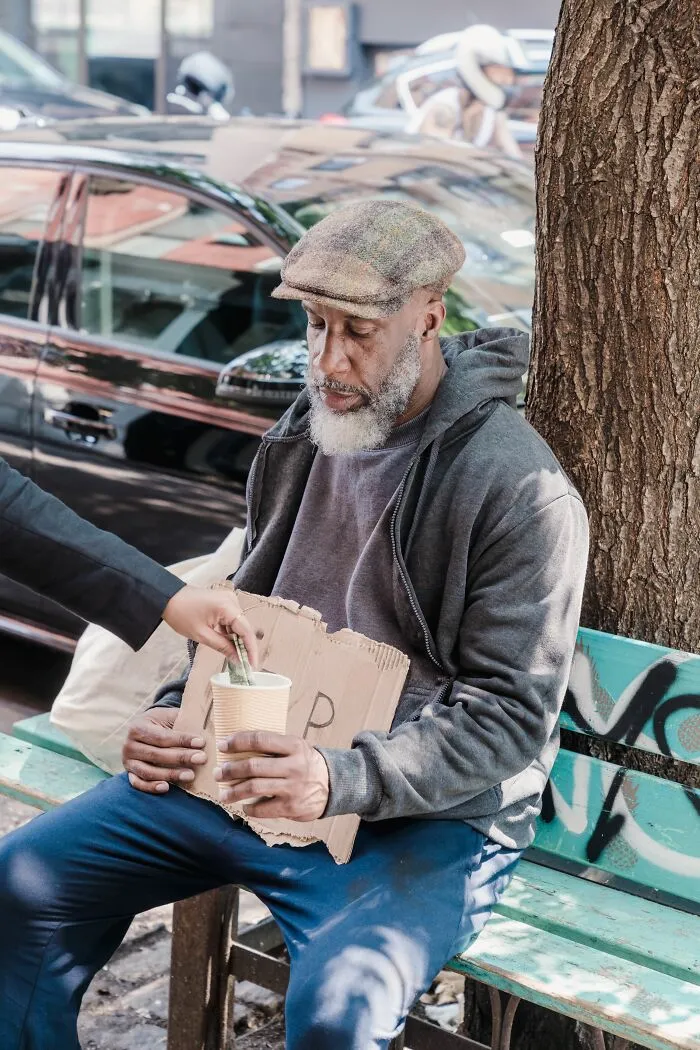
MazogaTheDork:
And a lot of homeless people turn to drugs and alcohol after losing their home.
#4
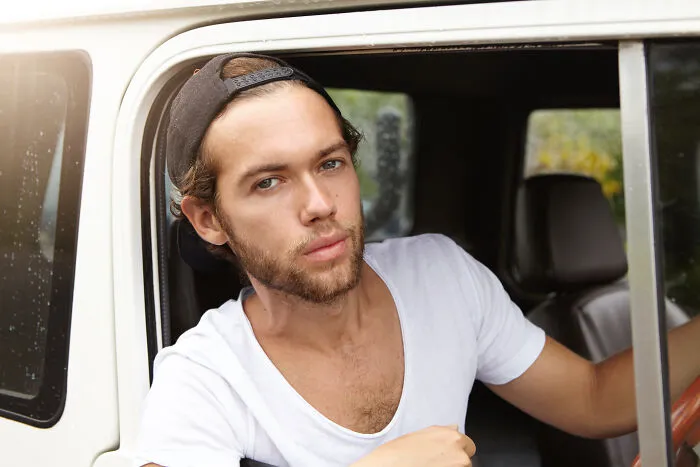
nowhereman136:
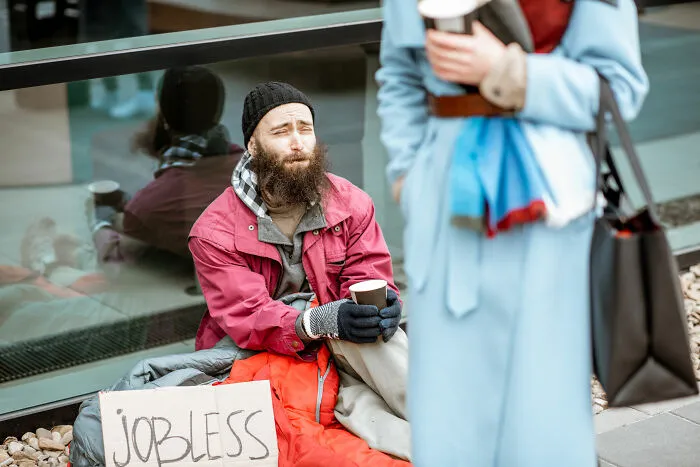
I had a job, showered regularly, and did laundry. My coworkers couldn't tell I was living in a car that didn't run. Homeless people don't all look like what you think.
Homelessness in the United States has reached a record high, driven by a national housing affordability crisis that is fast spiraling out of control.
Over a single year, the number of unhoused individuals jumped by 18% — climbing from 653,104 people during the 2023 count to 771,480 people in 2024. That is the highest total recorded since official data collection first began back in 2007.
Rising rent prices and stagnant wages are even pushing some people into homelessness for the very first time.
On top of that, the social safety nets built to catch them are completely overwhelmed. Today, local service organizations in the US have enough available housing units to assist only about 16% of households in shelters.
#5
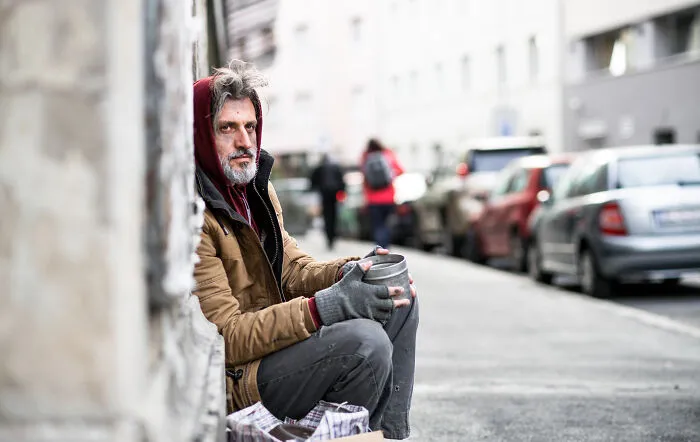
Its hard to find and KEEP a job cause you don't have a home, every little bit she gets goes towards necessities like food and stuff. And since she doesnt have a home, theres only so much food she can get at the food bank without a proper place to store it before it rots, so her options are limited. She has to pay nearly 10 dollars every time she wants a shower because that's how much it costs to go to the public pool.
There's all these little things. But then couple that with the fact most people barely treat her like a human being, and it feels impossible for homeless people to crawl out of this hole they're in.
#6
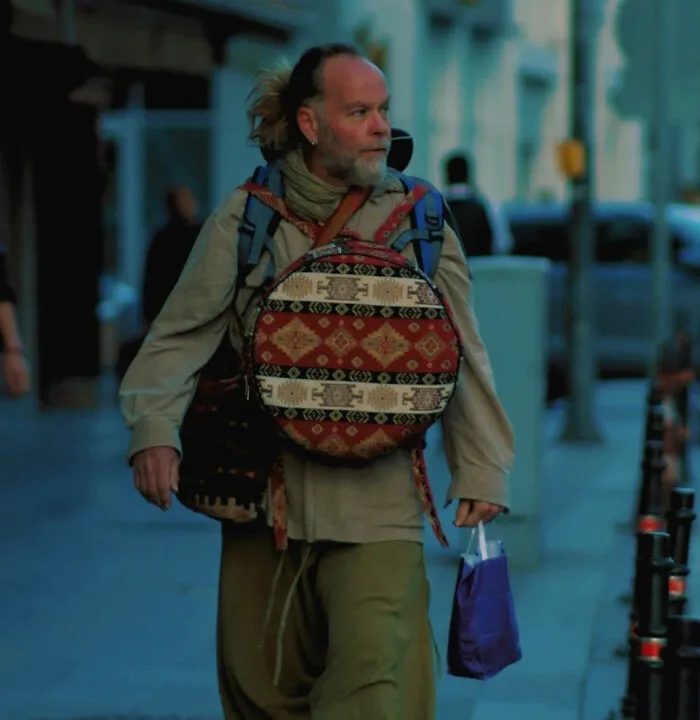
I was homeless because I moved down to Florida with a friend. Was looking for a job, found a job but hard to rent with 1 week of having a job. Worked 60+ hours a week at the gas station chain, including days I'd do 8 hours at one store, walk down a few blocks, pull an overnight at a different store. Then I'd sneak into a little space between 2 buildings sleep for 6 hours and back to work at the first store.
#7
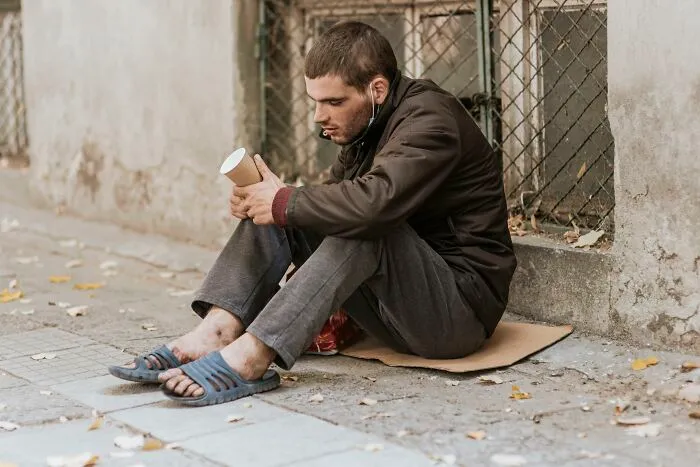
Not homeless but was.
ShotFromGuns:
Even when you're housed, having your water temporarily disconnected or malfunctioning is the most disruptive thing that can happen. Electricity goes out? Fine, whatever, light a candle, use batteries, pull out a book, don't open the fridge. Water stops working? Can't flush the toilet, can't wash your hands, can't shower, can't make any food that requires boiling or washing, etc etc etc. It's my single most hated service disruption. I can't imagine how awful it would be to never have it.
Homelessness affects people of all ages and backgrounds. Entire families with young children now make up roughly 30% of the unhoused population each year in the US. At the same time, counts are rising among vulnerable groups, including senior citizens, kids, and individuals living with disabilities.
However, homelessness does not impact all groups equally. Black, Indigenous, and gender-expansive communities experience it more due to systemic barriers that have existed for generations.
#8
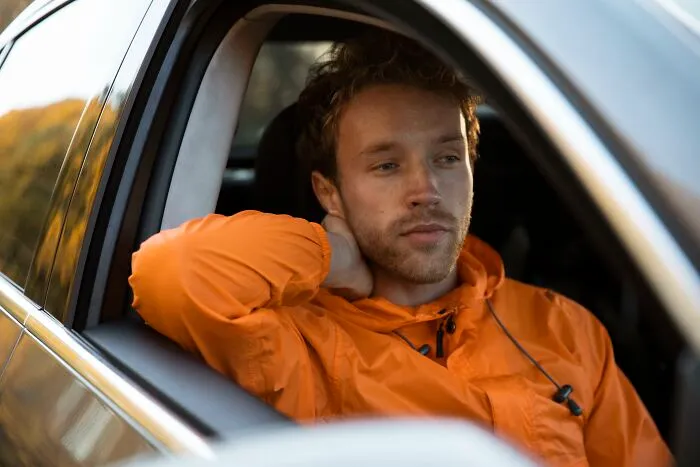
God forbid you are street homeless. All these things are 100x harder.
#9
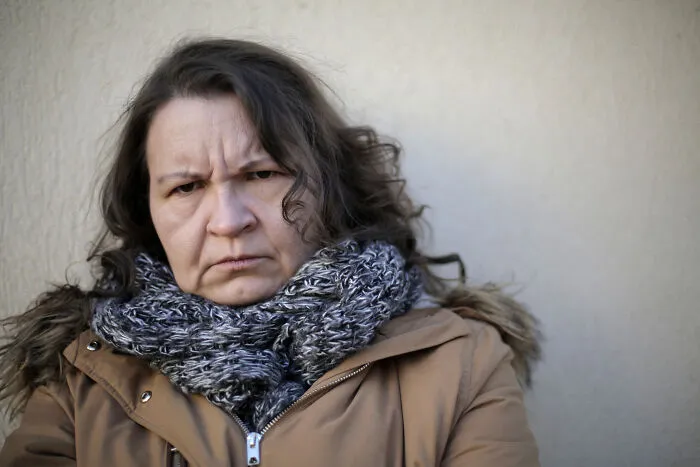
I used to get offered so much food every day and it's not like I had a fridge to put it in. But if you refuse someone's offer of food, they immediately assume you're scamming or just want d***s, or whatever.
Also, while a*******n does cause homelessness for some, a lot of the time it's the other way around. Knew a lot of people who started drinking or drugging to cope with all the stresses that come with being homeless, or to just try find a little bit of a release from it all.
#10
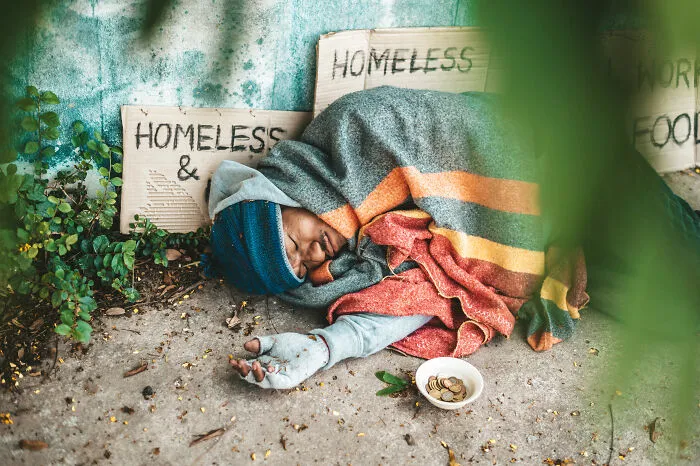
Many mothers with children become homeless because they are fleeing domestic violence. Studies note that up to 80% had previously experienced domestic violence.
“It’s a lot of women who’ve left (violent) relationships. They need childcare so they can work. Or they need job training. They need legal help. There are kids coming out as gay — when they’re growing up at home and their parents kicked them out of the house. What happens to them?” asks Jeffrey Wolin, a photographer in Chicago and professor emeritus at Indiana University.
“People who lost their job and didn’t have a financial backup or a family that could take care of them. So not everyone has… mental illness. Not at all. But that’s what we think of,” Wolin, who has spent many years documenting the circumstances of people who are homeless, explains.
#11
#13
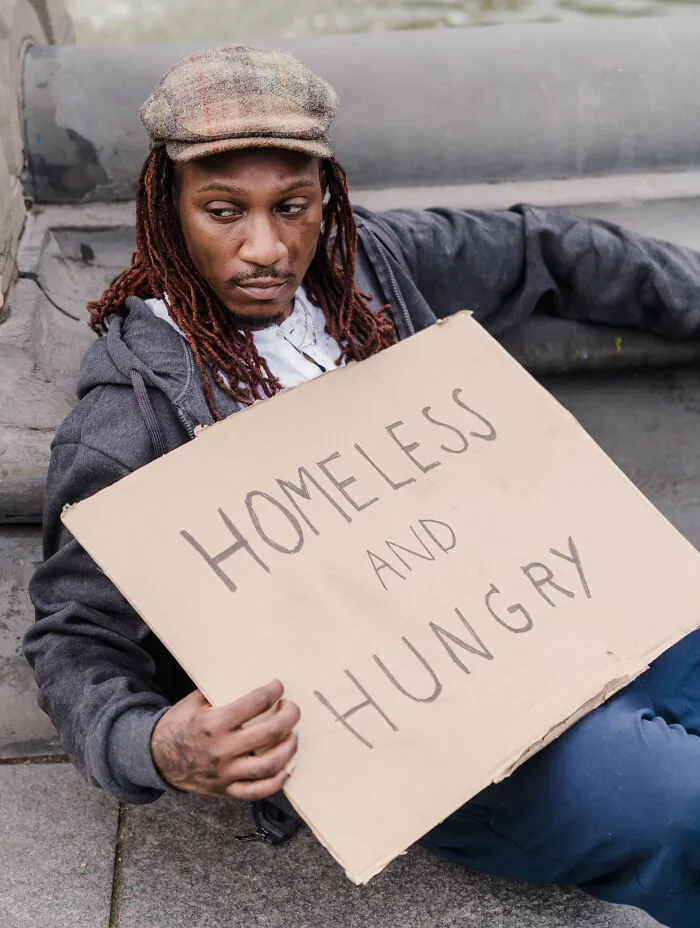
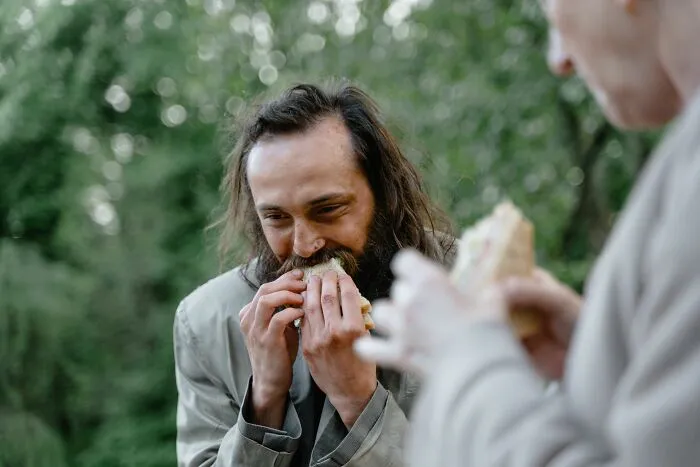
Homeless people are fed endless garbage. Food that they don't even feed to prisoners. it's really hard to come by a good meal that someone hadn't already eaten a portion of. One of the kindest things that you can do for someone that is homeless is to bring them somewhere and have dinner with them. Help them feel normal. Their basic needs are usually met, what is important for them to get is some sense of being a part of society. Being included in things. If you were to develop trust, and invite them to an event that you are hosting, it would mean the world to them. The moments that I remember the most from homelessness are when people treated me as equals, and didn't treat me like I was some charity case. You don't even need to give anything to someone if you can give them your company. There were many people that befriended me when I was on the streets who weren't on the streets. They often invited me into their homes, or took me places. Fed me meals, helped me get places I needed to go. They treated me like a person.
So my answer is that it's misunderstood how best to help homeless people. The best way to help is to actually ask them what they need help with rather than assuming. The second best thing is to just give them money so that they can buy what they need themselves.
You’ve probably heard the line that people on the street “just don’t want to work” or should “just go get a job.” The reality is that many of them already do.
A University of Chicago study found that 53% of people living in homeless shelters and 40% of unsheltered people had jobs (full- or part-time) during the year they were observed.
When rent consumes almost an entire paycheck, people are forced to choose between keeping a roof over their heads and paying for basic human needs like healthcare, groceries, and medicine. For those already struggling, a single unexpected bill, a criminal record, or a lack of legal support can permanently lock them out of the housing market.
#14
We are normal everyday people. Employed even (~60% last I heard). One event can happen and you become homeless.
My big one:
**It's NOT: "most of them just like that lifestyle, and there's nothing you can do for them".**
Our system is f****d and most of us are perilously close to homelessness at any moment.
#15
#16
She always gives a bit now. Hell, have yourself some cigarettes bro. Good luck out there.
When you look at today’s economy and the job market, the threat feels closer to home than many care to admit.
About one in three young adults (33%) under age 35 — totaling a record 25.2 million people in the US — live with their parents.
The reason is quite simple: the median home price has reached $430,000, and average monthly rent has climbed to $1,673, according to recent data.
#17
#18
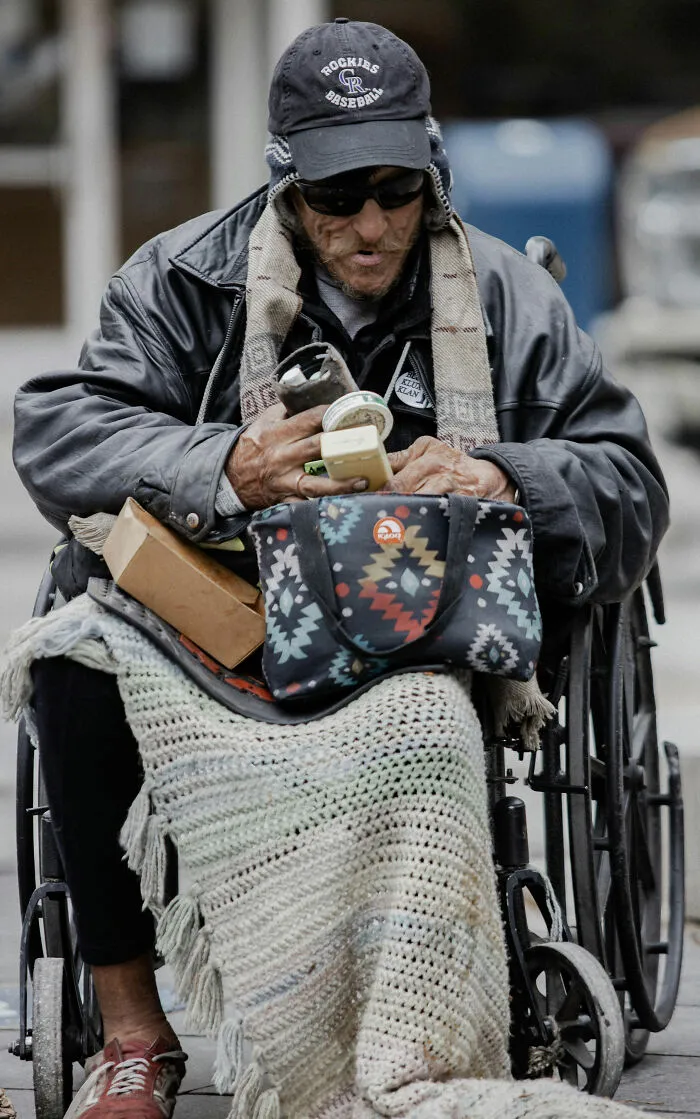
Its not some neat story about bad choices either. Sometimes its a breakup, an eviction, a job loss, one ER bill, an a*****e house, and then youre carrying everything you own in a trash bag and praying the bus still runs. Clean clothes, phone charge, a safe place to sit, keeping your stuff dry - thats the whole day, tbh.
#19
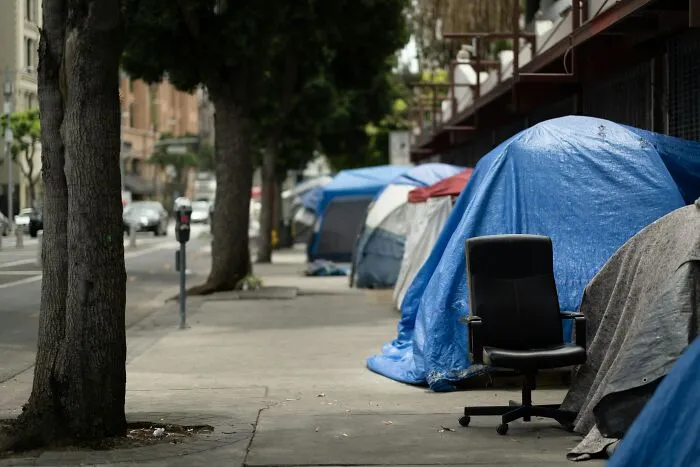
One of the biggest struggles that we saw, after the immediate problems of food/safety/health, was how impossible it was to navigate any systems that might be able to help you. It is really, really difficult to get much done in our bureaucratic world when you don't have any vital documents and no real way to get any. We actually were in a place with an excellent county health system in which they were eligible for free medical care, but you had to be a resident of that county. How do you prove residency when you have no home, no electricity bills, no place for mail to be sent, often no identification at all? And once you don't have identification, because it's lost or stolen, how do you get an ID? You don't have a birth certificate or a passport or anything. Getting either one of those usually requires...an ID.
For a while I ran a course for med students, and I made a rule that if they could get one single person successfully signed up for any substantial benefits and an ID within a semester, they got an automatic A and were excused from all other duties and requirements. In about 10 years, ONE person was able to get it done, and that was largely because the person had family who had some documents and was willing to help.
At the same time, job security is getting even more fragile. US employers announced over 97,000 job cuts in May 2026, with major companies citing artificial intelligence as a primary driver behind nearly 40% of those layoffs.
“There is going to be more disruption in the future, whether that’s coming from AI, whether that’s coming from political uncertainty, whether it’s coming from other parts of the economy… That is the world that we are in today,” says Daniel Zhao, chief economist at Glassdoor.
Just this week, a senior employee at Anthropic admitted he believed there was a greater than 10% chance the technology could destroy “all humans” in the next decade.
#20