

Depending on where you live, many visual aspects of your home, yard or property might actually be regulated by some neighborhood association, including the dreaded HOA. So some folks get creative when push comes to shove.
After being confronted by his home owners association (HOA) over his sunflowers, a man turned to a lawyer for help. Their contract was extensive and quite specific so he rolled up his sleeves and decided to find a loophole. When ensued was a masterful use of malicious compliance.
Being told by strangers that you can’t grow something is infuriating

So one man got creative to get around his HOA



HOAs are often petty and controling
If you have ever lived under a homeowners association, you already know why the sunflower saga lands so well. A rule you never thought about suddenly has a clause number, a deadline, and a neighbor with a clipboard. Whether that feels like a helpful structure or an uninvited houseguest depends on who you ask, so it helps to look at both sides before getting to why a yard full of giant cornstalks feels so satisfying.
The Foundation for Community Association Research estimates that about 78.1 million Americans live in community associations, which adds up to roughly 35 percent of the nation’s housing. That is a lot of people agreeing to a lot of fine print. The foundation is linked to an industry group, so weigh that accordingly, but its 2022 survey found that roughly two thirds of residents rate their experience as good or very good, with about a quarter feeling neutral. So this is not a story of universal misery. Plenty of people enjoy the tidy streets, the maintained pool, and the peace of mind that nobody will paint a house in a shade of neon.
The friction tends to show up in enforcement. The same report counts around 2.5 million board and committee members nationwide, and many serve as volunteers who can find themselves enforcing rules on things like flowerbed heights and mailbox colors. The legal picture for gardens is also surprisingly uneven. Florida passed a law in 2019 that stops local governments from regulating vegetable gardens, but as one property management firm points out, HOAs are private corporations rather than government bodies, so they can still impose limits. Some homeowners are surprised to learn that a contract they signed can reach further into the front yard than city hall can.
Loopholes are a classic part of any malicious compliance story
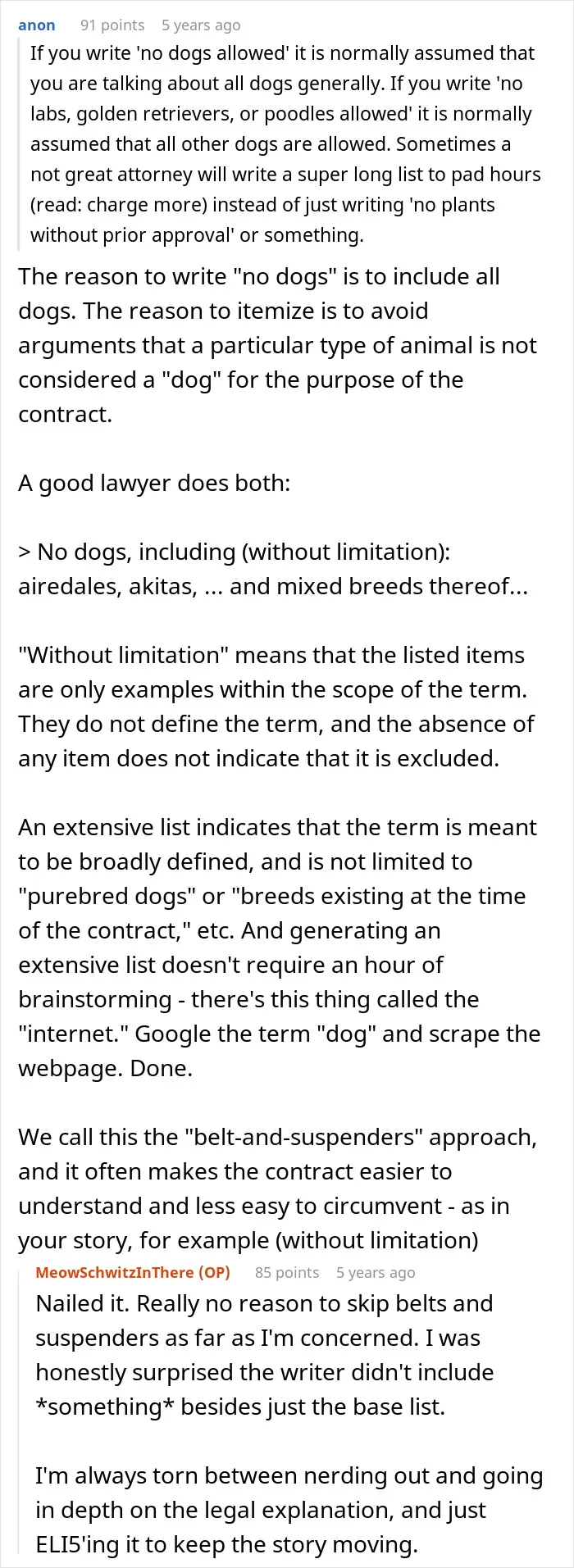
That brings us to the contract loophole. The principle at work has a Latin name, expressio unius est exclusio alterius, which a standard legal dictionary explains as the idea that naming certain items in a class leaves the others out. A list covering every plant from apples to dragon fruit but skipping corn is practically an open invitation. There is a catch worth knowing, though. Legal references note that a list can be read as a set of examples instead of a full roster when it uses wording like “includes” or “such as.” That kind of phrasing would have given the HOA room to maneuver. A bare list gave the corn planter room instead.
Malicious compliance is usually defined as following rules strictly to the letter while ignoring the unspoken expectations and the spirit behind them. The same entry mentions a theory that managers can head it off by avoiding excessive or contradictory demands and by keeping policies clear, which is advice any board could use. Notice that the cornstalk plan never broke a single rule. That detail is the whole magic trick.
So why do these stories feel so good? Part of it is the clean getaway. Nobody can punish someone for doing exactly what the paperwork says, and the rule writers receive precisely what they asked for. Part of it is the underdog factor, because the only weapon here was careful reading. And part of it is recognition. Most of us have met a rule that nobody could explain, and watching one get followed into absurdity feels like a small win on behalf of everyone who has ever sighed at a policy.
So why do these stories feel so good? Part of it is the clean getaway. Nobody can punish someone for doing exactly what the paperwork says, and the rule writers receive precisely what they asked for. Part of it is the underdog factor, because the only weapon here was careful reading. And part of it is recognition. Most of us have met a rule that nobody could explain, and watching one get followed into absurdity feels like a small win on behalf of everyone who has ever sighed at a policy.
The best part of this particular tale is the ending. Instead of a feud, it finished with a deal, cornstalks out and sunflowers in. Malicious compliance at its most appealing works like leverage rather than revenge, and everyone leaves with something. The association got the cornstalks removed, and the homeowner got his moat of yellow. If there is a practical takeaway, it is to read your governing documents before you sign and to ask questions while you still can. Rules and state laws vary a great deal, so check yours, and maybe keep a packet of seeds handy.
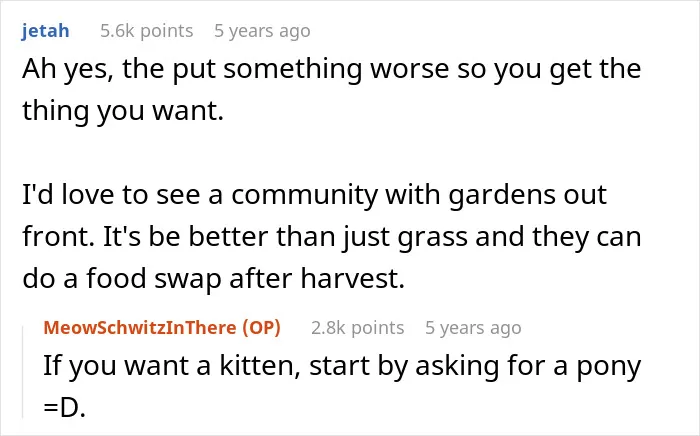
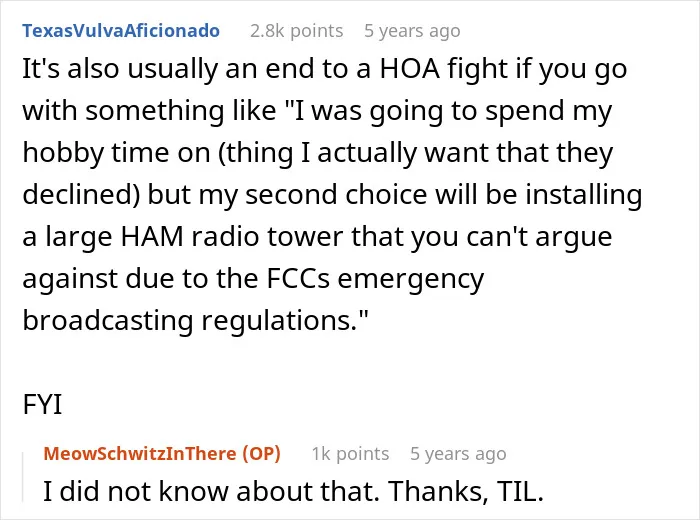
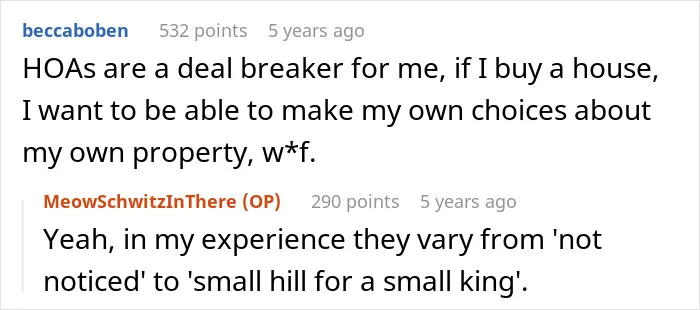
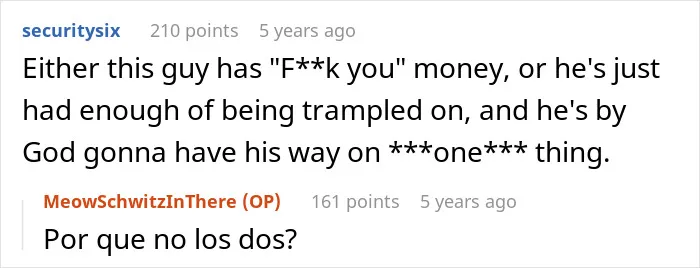
The netizen who posted the story chatted with some of the readers