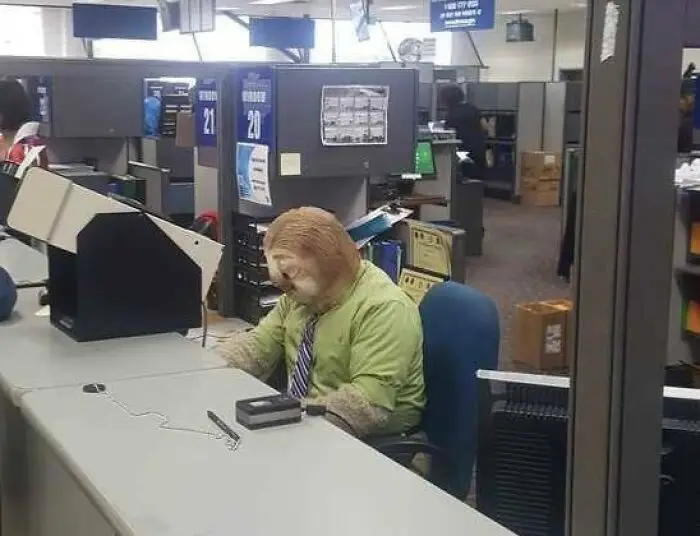




There is a social dimension to this too. Sharing a confusing image with someone is an act of connection. It says, "I found something that broke my brain a little and I think it will break yours too."
#22 Idf Tell Christian And Druze Lebanese Citizens To Not Help/Hide Muslim Lebanese From Idf



The comment sections under these kinds of posts are often some of the most collaborative and good-natured on the internet, full of people pooling their observations and theories to arrive at an explanation together. That communal puzzle-solving scratches a very human itch. It is the digital equivalent of gathering around something strange and saying "do you see what I see?"



Humor plays a role as well. Many unusual images have a comedic quality to them, not because anything funny has happened, but because the universe has briefly arranged itself in a way that seems to be making a joke at the expense of logic. This kind of is one of the oldest and most studied forms of comedy, rooted in the same mismatch between expectation and reality that makes confusing images so engaging in the first place.

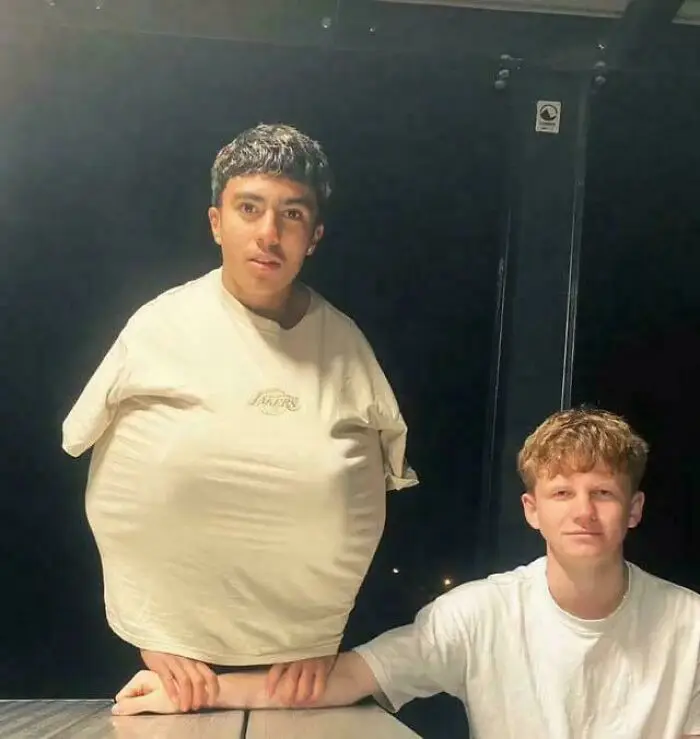
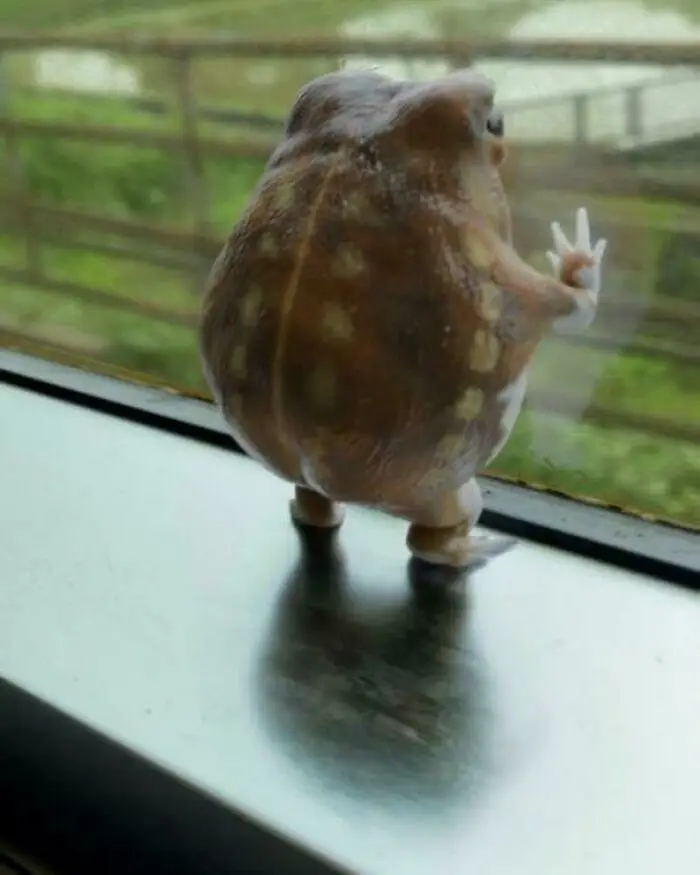
Ultimately, loving weird images is just a very human thing to do. It reflects our curiosity, our hunger for novelty, our love of a good puzzle, and our appreciation for the moments when the ordinary world glitches just enough to remind us that reality is stranger and more interesting than we usually give it credit for. The pictures ahead are a pretty good reminder of that.