


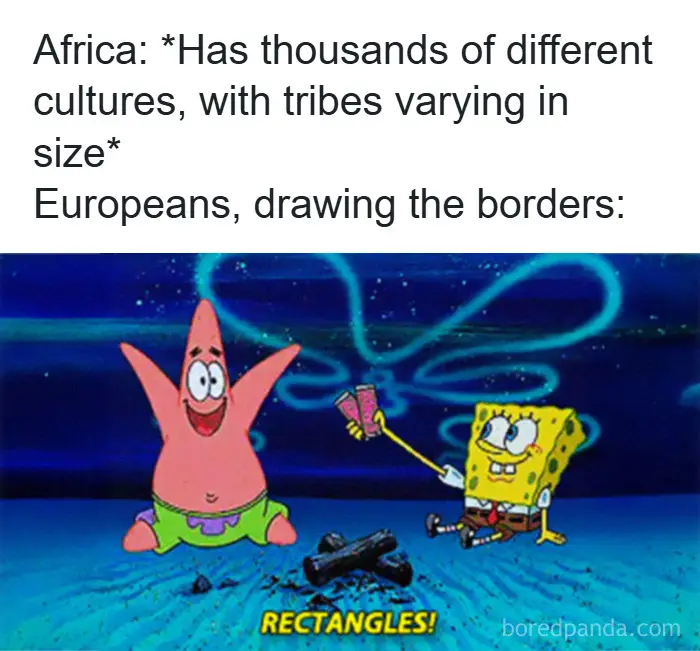
The 20th century expanded the discipline even further. Historians began studying everyday life, local communities, and groups that had been overlooked, including workers, women, and colonized peoples. New approaches such as oral history, feminist history, and postcolonial history widened the scope. World histories grew in popularity again, and technological advances made large-scale data analysis possible.


Today, historians combine traditional skills with digital tools. They read manuscripts, analyze inscriptions, use restoration software, explore online archives, and collaborate across countries. Many collections that once required special permission can now be viewed by anyone with an internet connection. The work still reflects the original idea behind historiā: curiosity, investigation, and the desire to understand how people lived.