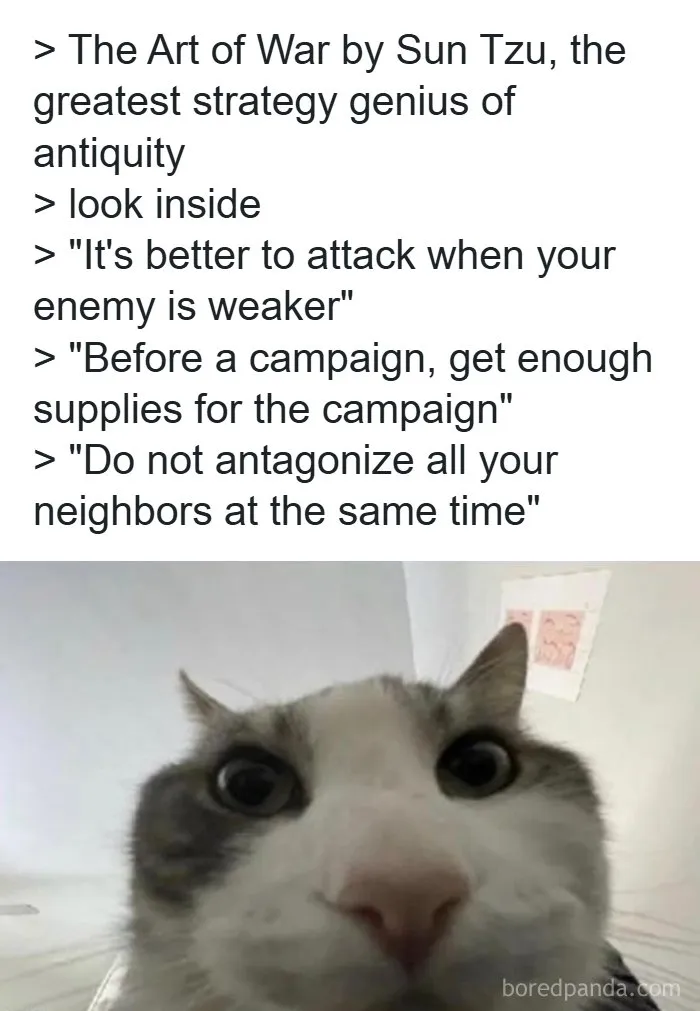



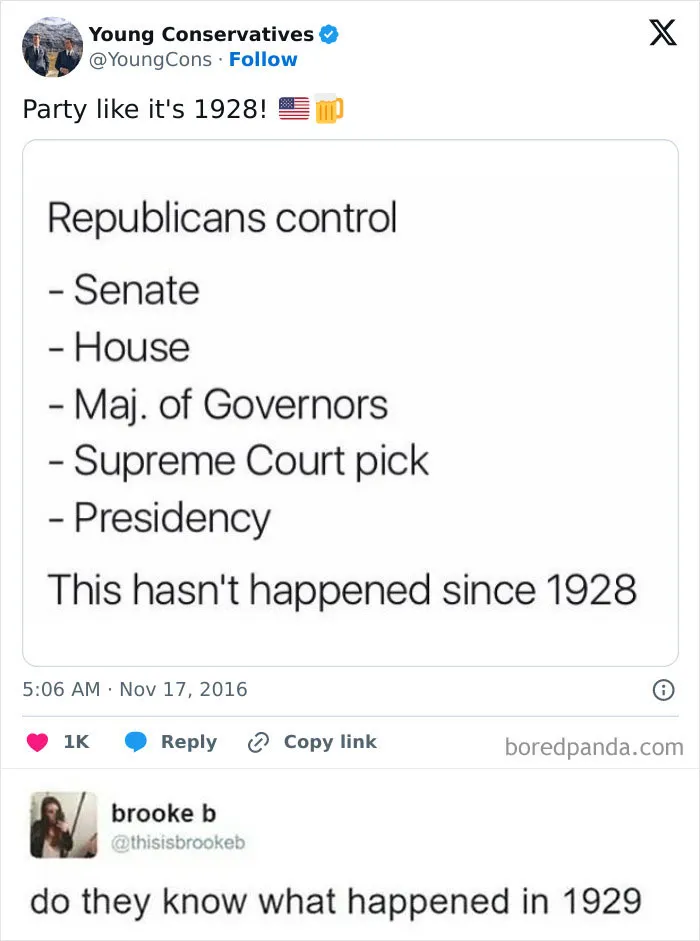
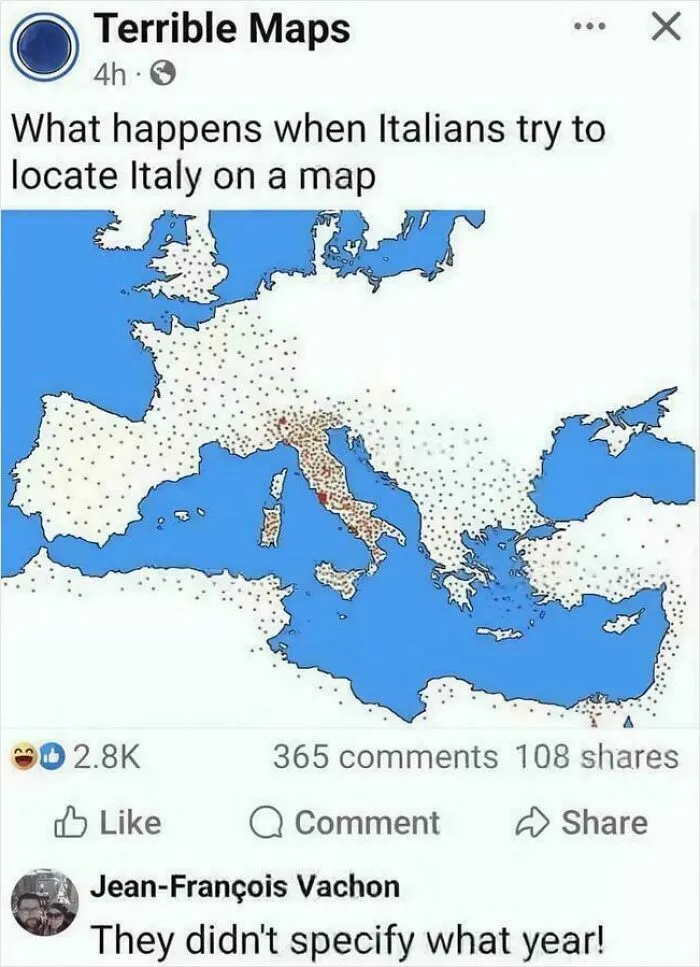
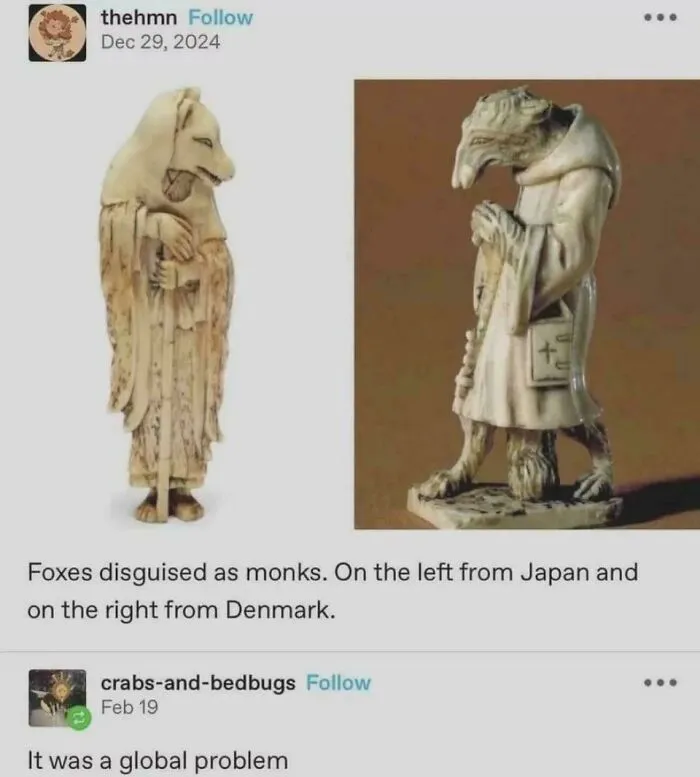
When we think of memes, we usually think of casual entertainment, Internet culture, and irony. We wouldn’t associate them with learning and knowledge per se. However, research indicates that memes can help us gain and retain knowledge. A small study from the University of Padova found that memes can have an educational purpose.
35 university students participated in the study, and 85% reported that including memes in the learning process gives them more motivation. Memes can also make it easier to understand complex concepts, as they usually contain no more than a few sentences. When done right, a meme can make difficult information more digestible, as 77% of the students agreed that memes can be great in summarizing complex lecture topics.
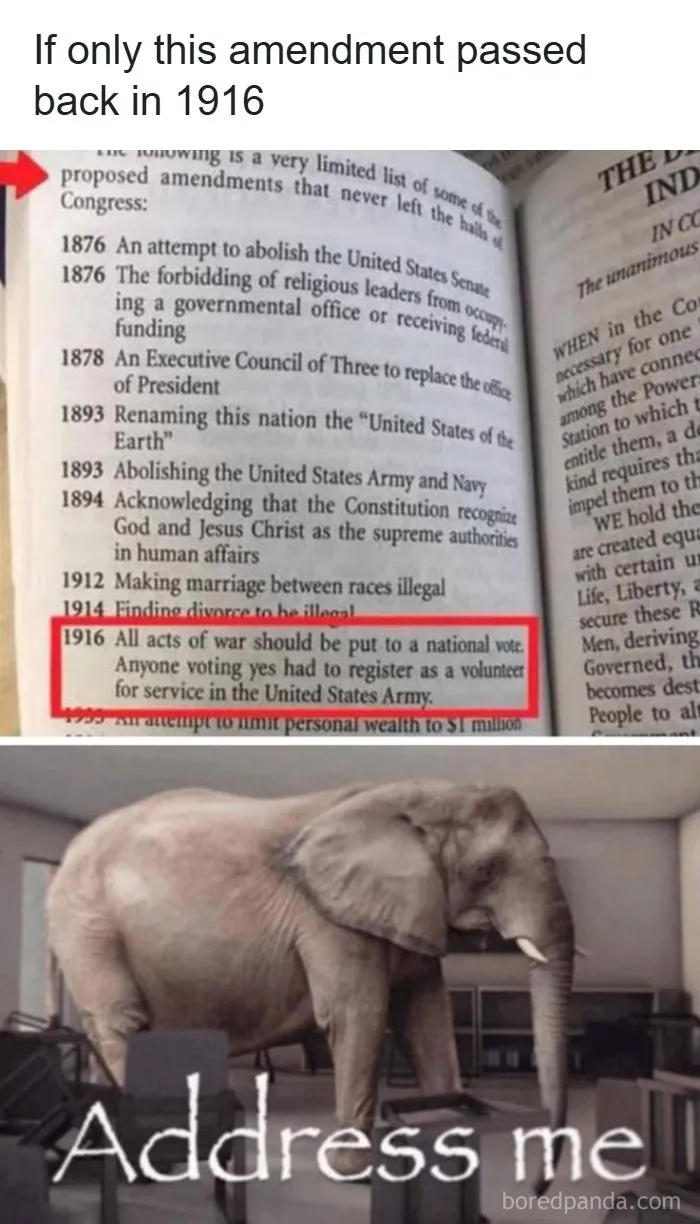
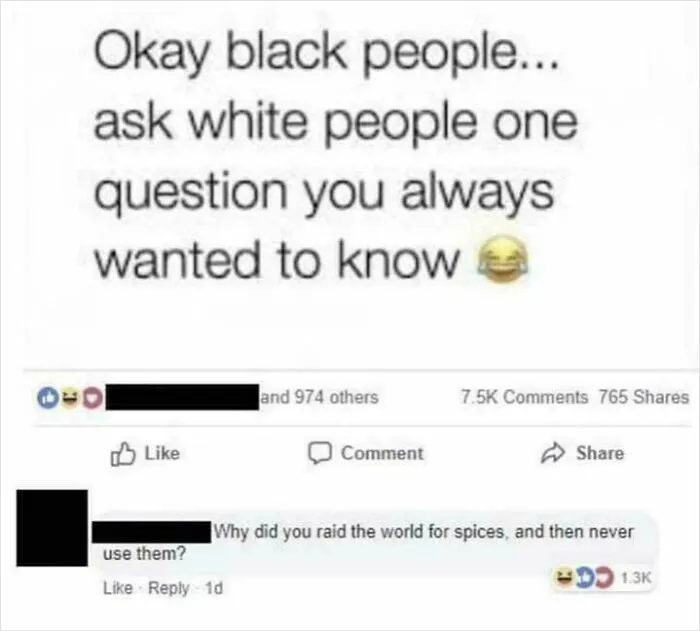
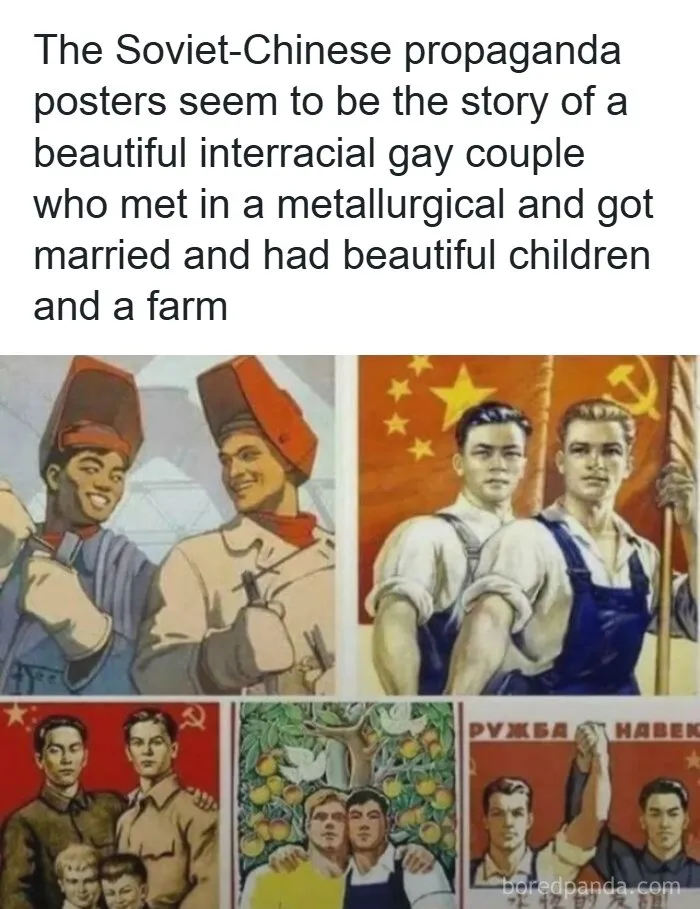
At the same time, it’s best to use memes in education with some caution. The lecturer behind the study, Corrado Petrucco, explained that relying too heavily on memes can cause cognitive overload and convey cultural stereotypes. He recommends teachers use memes for summaries or as an assessment tool.
Indeed, making memes about a particular school subject requires some knowledge of the subject. It’s also a great exercise in summarizing what the student learned and presenting the main points of the topic succinctly. Senior Lecturer in the School of Psychology & Neuroscience at the University of Glasgow, Carolina Kuepper-Tetzel, adds that students have to use both visual and verbal content, driving their brains to engage in dual coding.

#8 What Would The Founding Father's Priorities Be If They Were Actually Alive Today? It's Actually Really Interesting To Think About

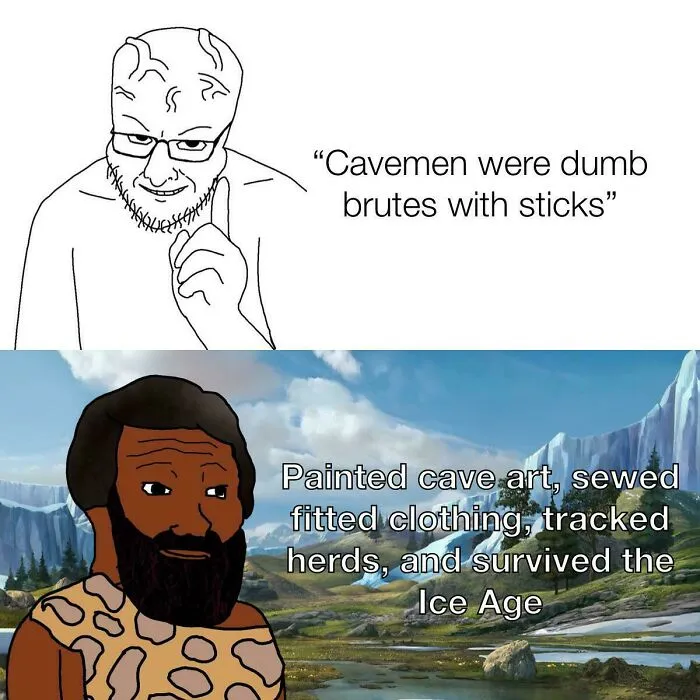
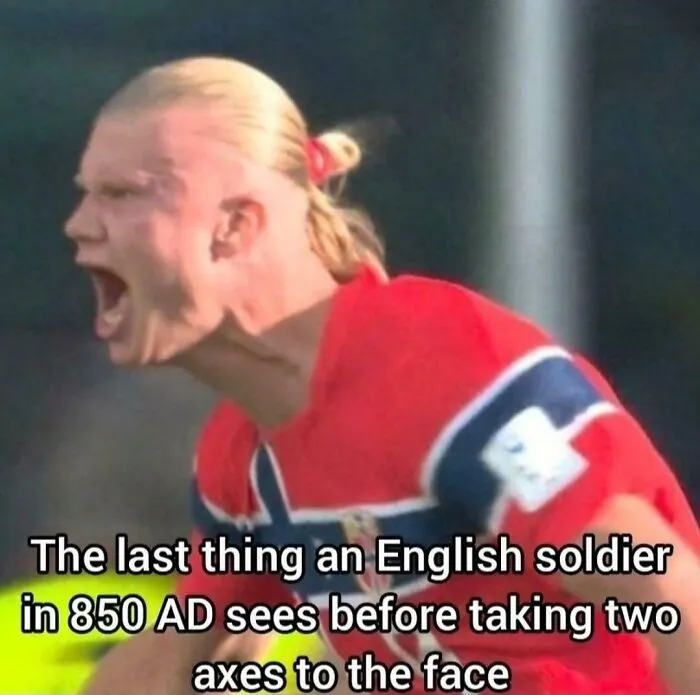
History is a particularly good subject for memeing. There are maps, historical photographs, portraits of world leaders, and many more visuals that can make a meme instantly make sense. A 2023 study involving high school students showed that using memes to teach history can result in a 22.8% increase in students’ interest. A whopping 76.85% also agreed that it was way easier to learn when teachers used memes.


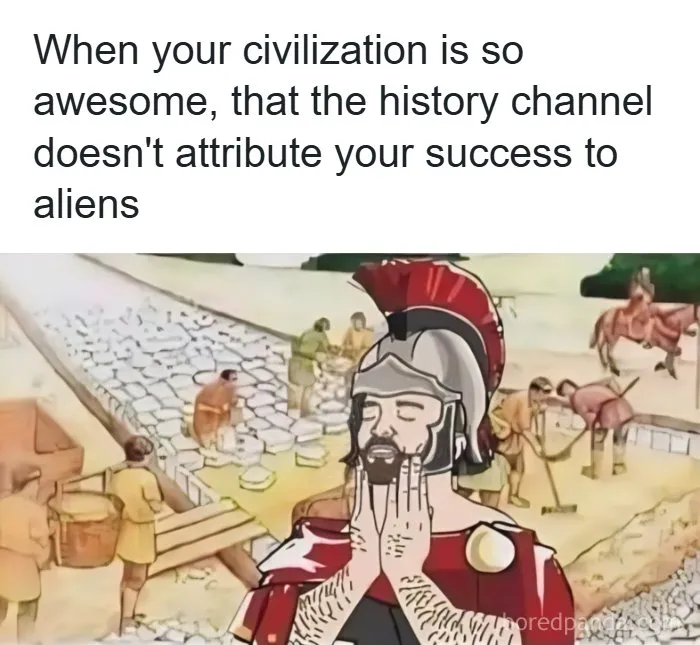
But history memes aren’t always educational; in fact, they might be more harmful when they’re full falsehoods. You may remember the viral “Princess Qajar” meme: a supposed Persian princess with facial hair who had so many suitors they were willing to end their lives despite her refusals to marry them. Although the meme went mega viral, it lacked historical accuracy. As Ph.D. researcher Victoria Van Orden Martínez at Lund University calls it, it was a “junk history meme.”
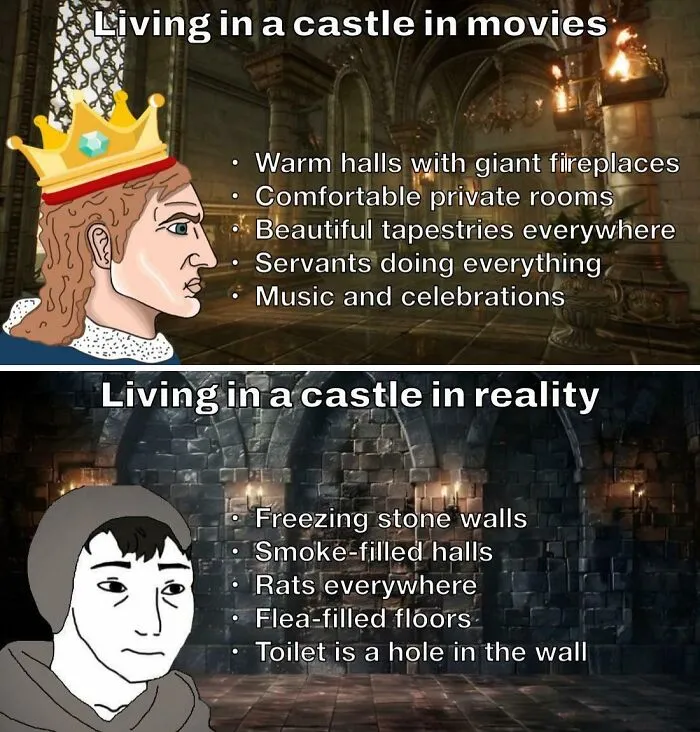
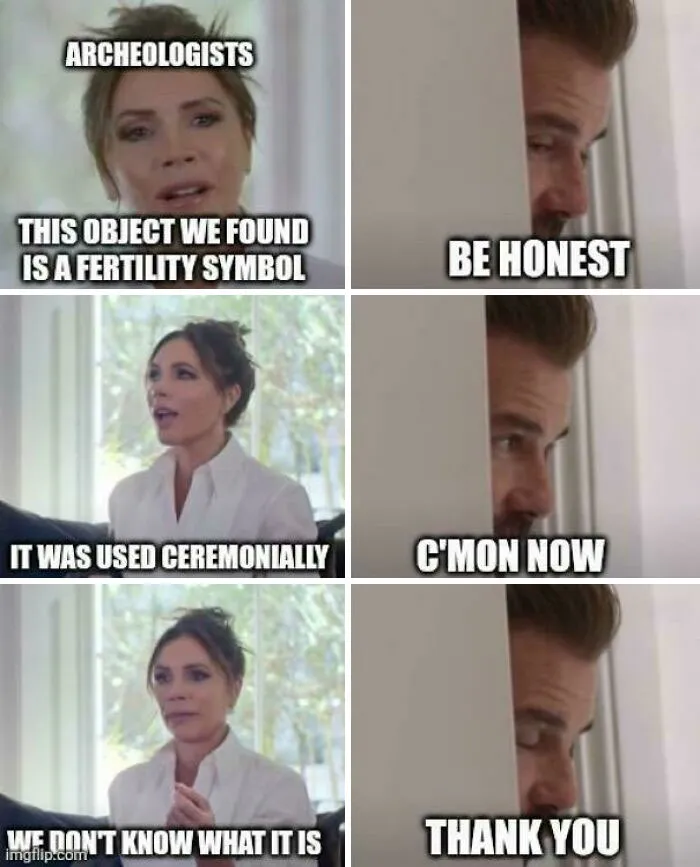

Yes, memes may present complex historical concepts and events in an easy-to-digest manner. The problem is that in doing so, they often leave out vital context and complex historical processes. Martínez explains that the so-called Princess Qajar was most likely two people: Princess Fatemeh Khanum “‘Esmat al-Dowleh”, a daughter of Nasir al-Din Shah Qajar, and Princess Zahra Khanum “Taj al-Saltaneh.”


One of the reasons the meme went viral was just a tad misogynistic: many modern netizens couldn’t imagine how men would trip over themselves for a princess with a mustache. However, this piece of information that made the meme so ridiculous and hard to believe to many has been disproven. While a mustache-clad woman might’ve been the beauty standard in the 1800s Qajar Iran, it was not in the 1990s, as the meme claims.