




History is packed full of great thinkers, amazing finds, and a shocking number of lies. For centuries, people have fallen for hoaxes that appeared too convincing to question. From fake monsters to viral internet stories, some were born out of curiosity, others out of sheer boredom, and a few just for the thrill of fooling everyone. What makes them interesting isn’t only the deception itself, but how deeply people wanted to believe they were true. Here are 30 of history’s most unforgettable lies, hoaxes, and deceptions that fascinated the public, made headlines, and now remain a constant reminder of just how easy it is to twist the truth.
Click here & follow us for more lists, facts, and stories.
WMD In Iraq

In the early 2000s, the United States and its allies invaded Iraq under the premise that the country, led by Saddam Hussein, was stockpiling weapons of mass destruction. This marked the beginning of the Iraq War. Interestingly enough, after extensive investigations and an 8-year-long war, intelligence agencies found no evidence of any WMDs.
Credits: Rob Bogaerts / Anefo, BBC
Paul Mccartney Replaced By A Look-Alike
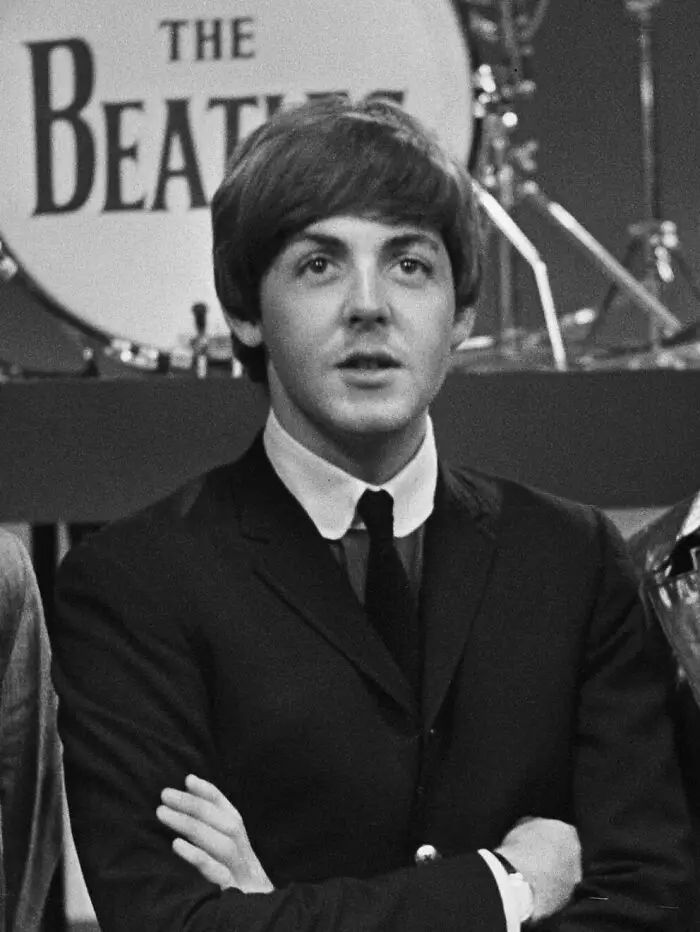
This conspiracy theory was fueled by American college students in 1969, who claimed the real Paul McCartney had passed away in 1966 and that a look-alike was used to take his place. The rumor gained more traction in 1969 after the Beatles released their album 'Abbey Road'. Students claimed they had found clues hidden in the music and album art, but these were debunked in November 1969 when Life Magazine interviewed McCartney.
Credits: Eric Koch, Wikipedia
The Original Ponzi Scheme
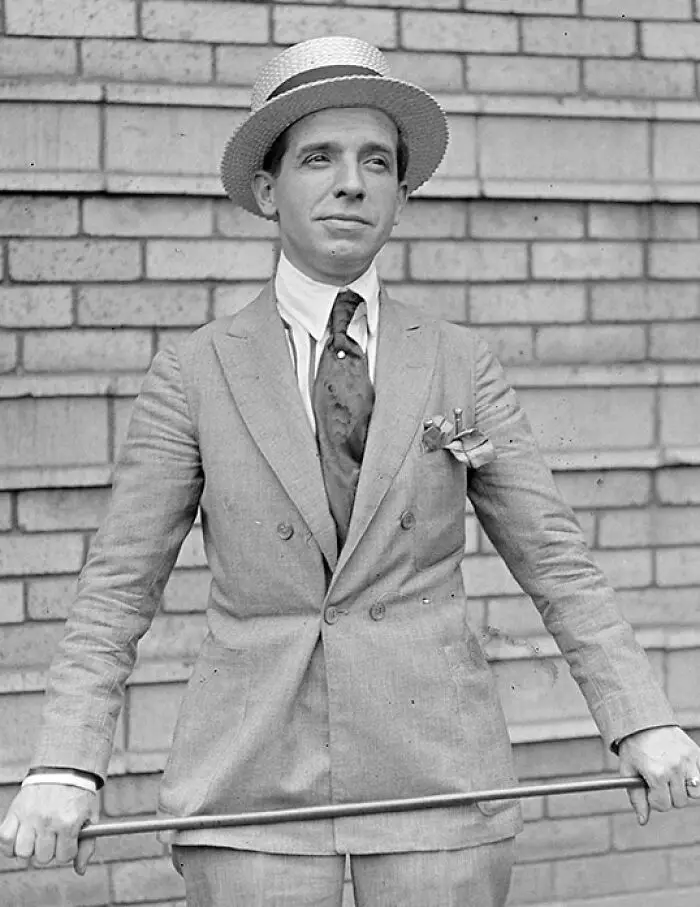
This scheme got its name from the infamous swindler Charles Ponzi, who defrauded investors of over $8 million in 1919 through his shifty business involving international postal reply coupons. Ponzi would use the money he conned from new investors to pay off older investors, all while promising them huge returns, which, in reality, most of them never received.
Credits: Mgreason, Wikipedia
The Loch Ness Monster
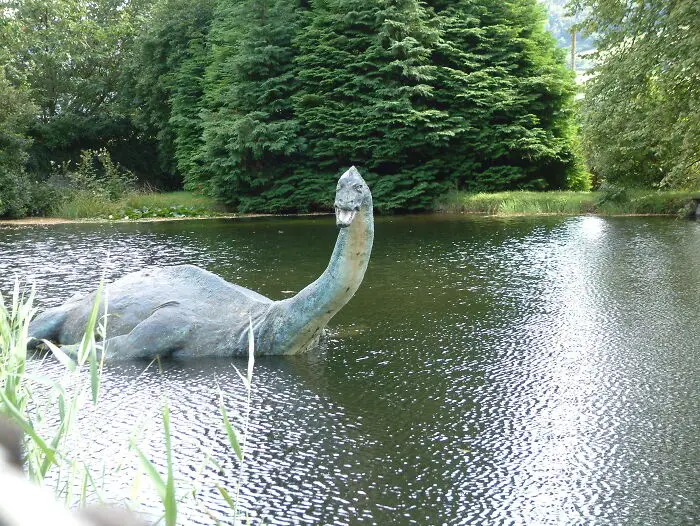
The infamous “surgeon’s photograph” of the Loch Ness monster published in the Daily Mail in 1934 turned out to be nothing but a hoax. It has been reported that the image was created by photographing a toy submarine with a model head and neck made out of putty. Surprisingly, many speculate it may have been sent to the Daily Mail as an act of revenge by a hunter named Marmaduke Wetherell.
Credits: StaraBlazkova, Britannica
The Unsinkable Ship
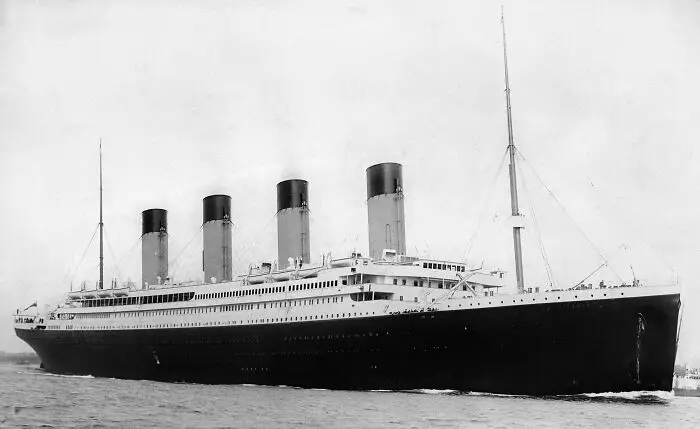
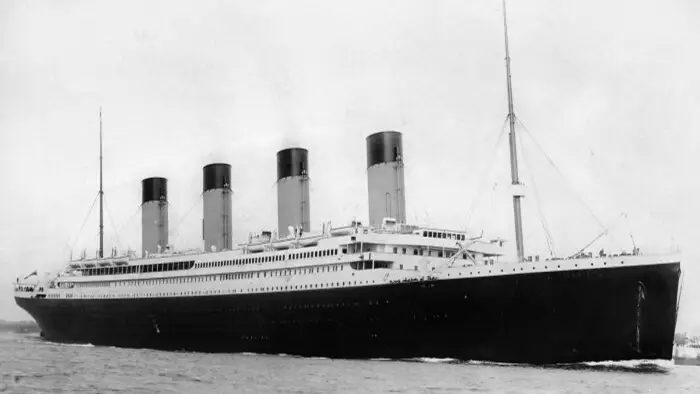
After its launch in 1911, the RMS Titanic was branded unsinkable by the media, despite its builders, Harland and Wolff, never actually claiming or confirming it. The idea became so pervasive that even after learning the ship had struck an iceberg on April 15, 1912, White Star Line Vice President Philip A. S. Franklin announced, “We place absolute confidence in the Titanic. We believe the boat is unsinkable.” Tragically, over 1,500 people lost their lives when the ship eventually sank on that day.
Credits: Francis Godolphin Osbourne Stuart, History On The Net
The Trojan Horse
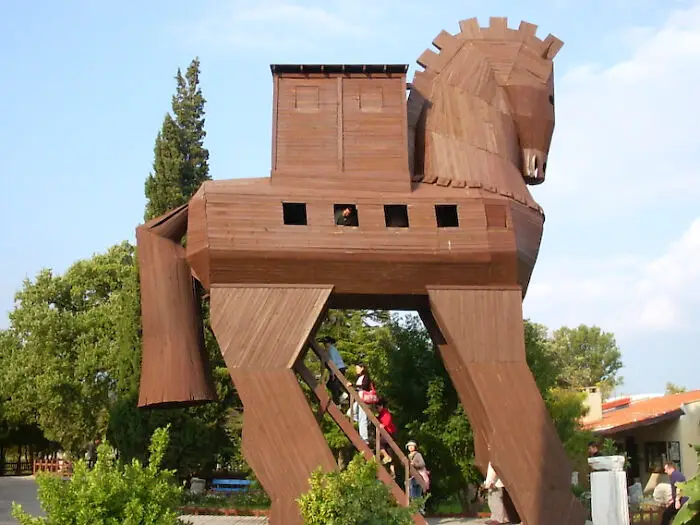
The Trojan Horse was a clever deception tactic used by the Greek army to defeat Troy. After pretending to retreat, the Greeks left behind a gigantic wooden horse, which the Trojans assumed was a token of their victory. Unaware that soldiers were hidden inside, the Trojans pulled the horse into their city. In the cover of darkness, the soldiers snuck out of the horse and opened the gates for the rest of the Greek troops, leading to Troy’s defeat.
Credits: Babak Fakhamzadeh, Britannica
The Royal Impostor

Anna Anderson, pictured here, claimed she was Anastasia, the youngest daughter of Tsar Nicholas II, and filed an unsuccessful lawsuit to confirm her identity. Sadly, Anderson’s lawsuit was unsuccessful, and she passed away in 1984 without proving her identity. In an interesting turn of events, the Romanov family's remains were eventually located in the early 1990s, and DNA testing found no genetic match between them and Anderson. Turns out she was actually Franziska Schanzkowska, a Polish factory worker with a history of mental illness.
Credits: Pierre Gilliard, History
The Black Sox Scandal
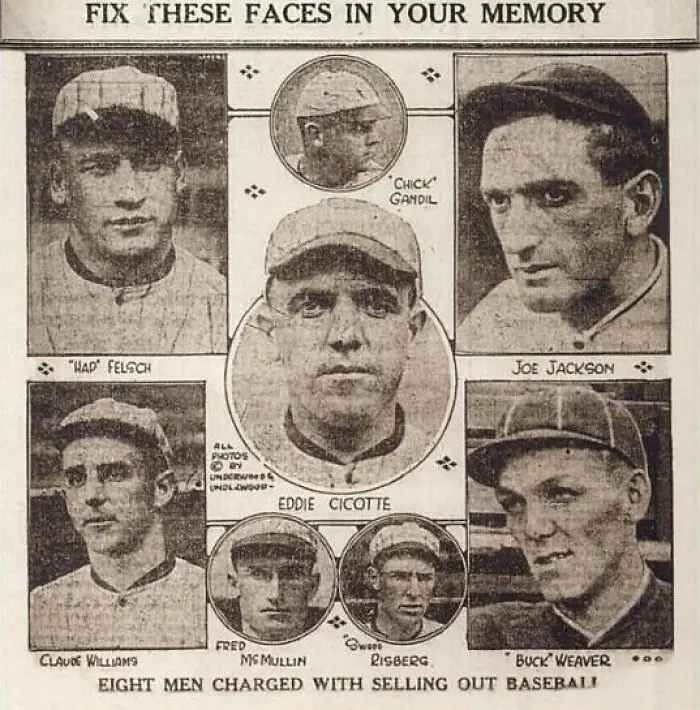
The Black Sox Scandal rocked the baseball world from 1919 to 1921. Eight members of the White Sox baseball team were accused of match fixing by allegedly accepting bribes to intentionally lose the 1919 World Series game against the Cincinnati Reds. Despite their acquittal in 1921, all the players involved were subsequently banned from professional baseball.
Credits: Underwood & Underwood, Wikipedia
The Watergate Scandal
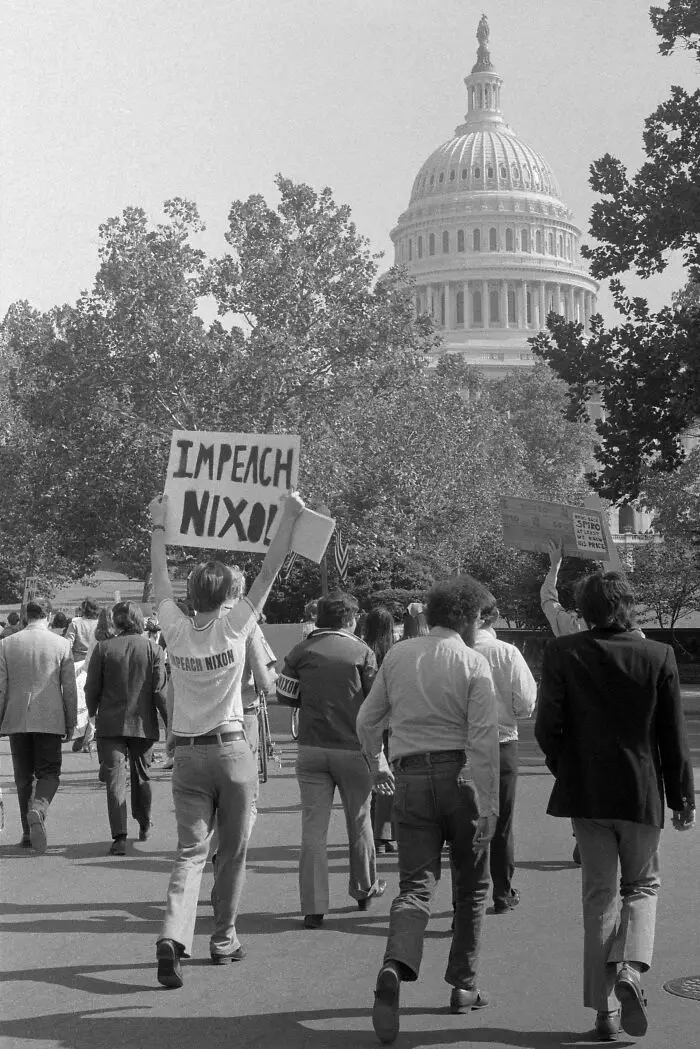
In 1972, a group reportedly associated with the US president Richard Nixon burglarized the Democratic National Committee headquarters at the Watergate complex in Washington. While the purpose of the break-in has never truly been established, the scandal it caused was so severe that it eventually led to Nixon’s resignation just two years later.
Credits: Marion S. Trikosko or Thomas J. O'Halloran, photographer, Wikipedia
A Woman Giving Birth To Bunnies

In 18th-century Europe, a woman named Mary Toft came up with a pretty gross hoax that became so famous it even made King George I curious for some time. She would smuggle bunnies and other animal bits into her room to insert into herself so she could “give birth” to them later. Her fame eventually came to an end when a German surgeon discovered corn and hay in the dung of one of her ”bunny children”.
Credits: John Laguerre, University Of Glasgow Library
The Berlin Wall

After famously declaring, “Nobody has the intention of building a wall” in June 1961, East German leader Walter Ulbricht ordered the construction of the Berlin Wall just two months later. The wall popped up overnight and remained standing for 28 long years, separating thousands from their families, until 1989, when it was finally torn down.
Credits: Noir, BBC
The Milli Vanilli Scandal
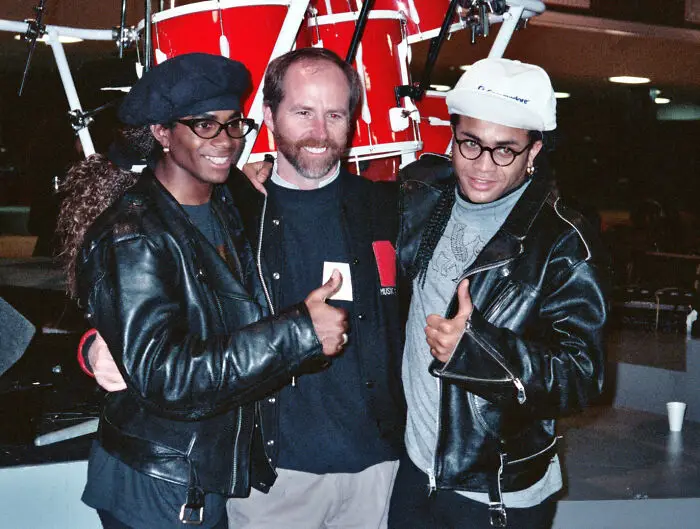
Lip-syncing probably doesn’t seem like a big deal now, but in the early ‘90s, German pop duo Milli Vanilli caused one of the biggest scandals in music history because of it. During a 1989 live performance of their song 'Girl You Know It’s True, a glitch with the duo’s pre-recorded vocals exposed that they were lip-syncing. Once word got out that they never actually sang any of their songs, their hopes of ever having successful music careers were ultimately shattered.
Credits: Alan Light, Forbes
Bill Clinton's Affair
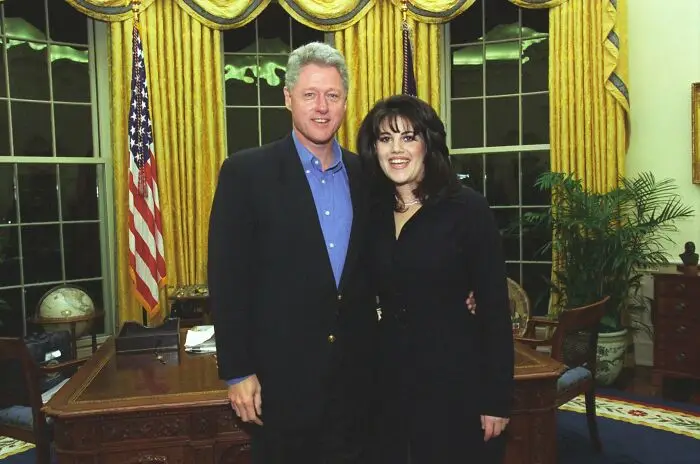
Bill Clinton’s DNA was found on intern Monica Lewinsky’s dress, just a few months after he publicly denied having an inappropriate relationship with her. When confronted with the findings, Clinton had no other choice but to admit to the affair. The scandal that followed eventually led to his impeachment, although he was later acquitted and allowed to complete the rest of his term.
Credits: Clinton White House, Wikipedia
The Invasion Of Martians

In 1938, actor Orson Welles sparked widespread panic and confusion when he presented fake news reports detailing a Martian invasion of Earth during a radio broadcast. As it happens, many listeners actually believed the reports of an invasion were genuine since they missed the opening disclaimer at the beginning of the show.
Credits: Acme Newspictures, Inc., Smithsonian Magazine
The 20th Century Art Forger
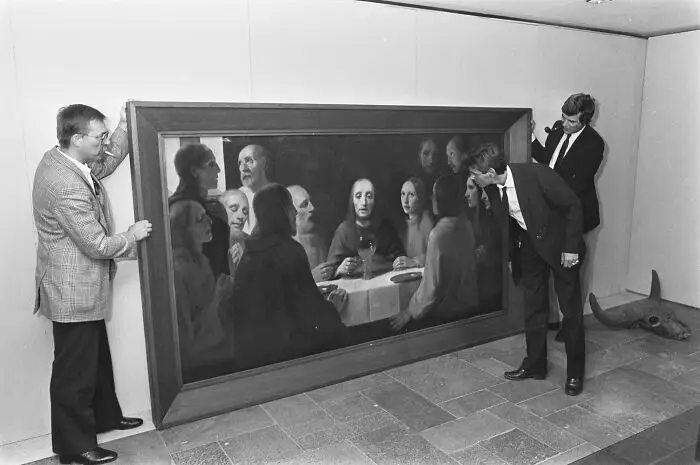
Dubbed one of the most brilliant art forgers of the 20th century, Dutch painter Han van Meegeren managed to deceive some of the sharpest art historians with his work. He forged paintings belonging to some of the world’s most prominent artists, like Johannes Vermeer and even Pieter de Hooch. Van Meegeren’s forgeries were eventually exposed through chemical analysis.
Credits: Photographer Croes, Rob C., Fotocollectie Anefo, Nationaal Archief NL., Wikipedia
The 18th Century AI Chess Player
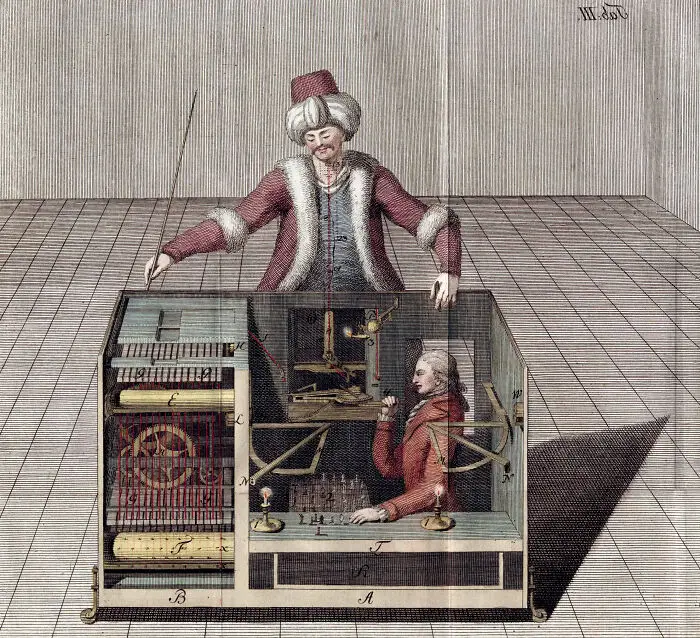
The Mechanical Turk, also known as the Automaton Chess Player, was a device created by Wolfgang von Kempelen in 1770 that could play chess autonomously against humans. Touring and exhibiting for over 80 years, the device truly was something to marvel at. This was until 1857, when it was revealed that a hidden chess master was controlling it from the inside the entire time.
Credits: Joseph Racknitz, Wikipedia
The Tiara Of Saitaphernes
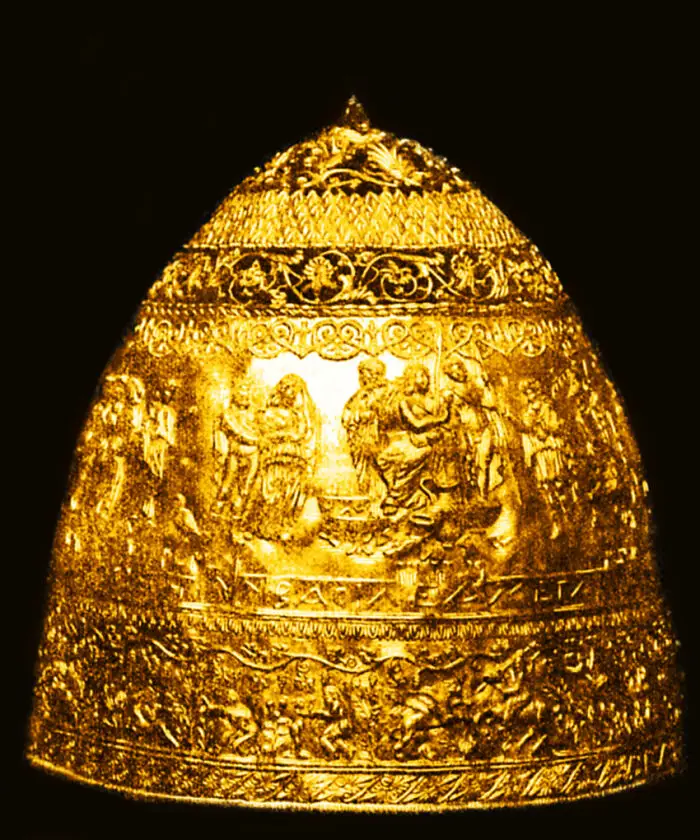
It’s hard to believe an establishment as prestigious as the Louvre once fell victim to an art scam, but sadly, that is exactly what happened in 1896. The museum paid about $50,000 for a tiara they assumed was an ancient Hellenistic artifact. Shockingly, after experts began questioning its authenticity, investigations were carried out, and in 1903, it was uncovered that goldsmith Israel Rouchomovsky had crafted it just a few years earlier.
Credits: Le Petit Journal, Wikipedia
Bernard Madoff’s Ponzi Scheme
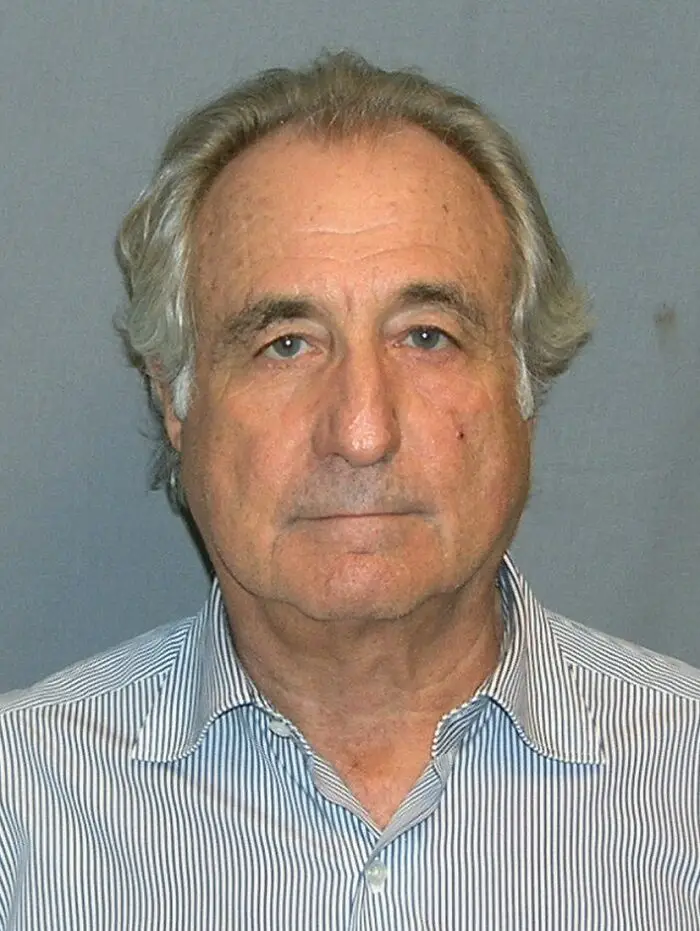
Investment adviser Bernie Madoff took a page out of Charles Ponzi’s book by pulling off one of history’s largest Ponzi schemes. He defrauded investors of an estimated $65 billion over many years, until his own sons turned him in 2008. By 2009, Madoff was hit with a 150-year prison sentence for securities fraud, money laundering, perjury, and a slew of other crimes.
Credits: U.S. Department of Justice, FBI
The Cuban Missile Crisis

A 13-day standoff between the United States and the Soviet Union in 1962 was sparked by the discovery of secret storage of nuclear arms in Cuba, belonging to the Soviets. Initially, Soviet Union leader Nikita Khrushchev claimed the arms were purely defensive; however, camouflaged offensive arms were later found in photographic evidence. This led to intense clashes between the countries, almost escalating into a full-on war.
Credits: US Government, Unknown photographer, Wikipedia
The Popish Plot
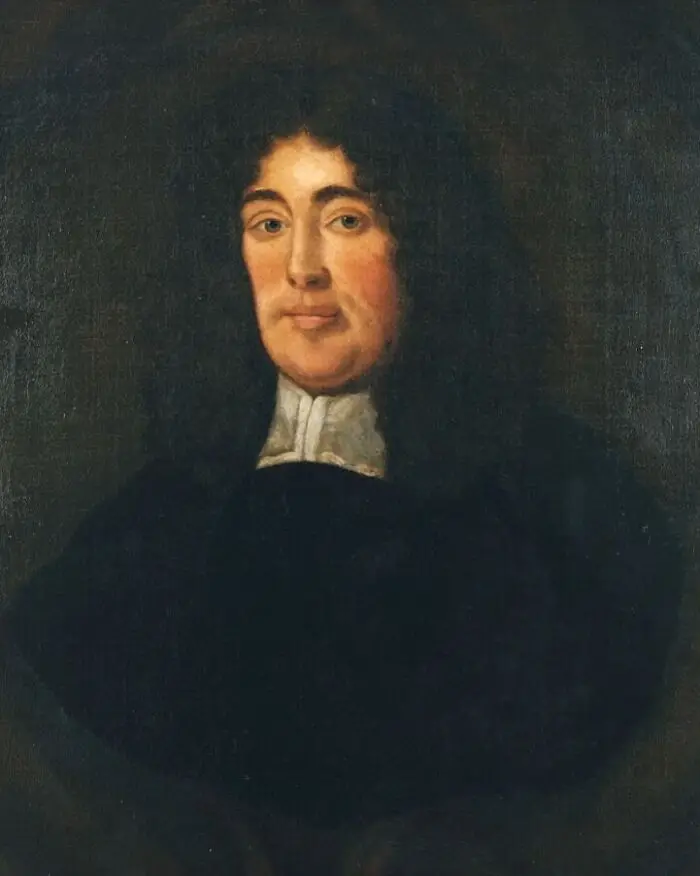
In 1678, Titus Oates, an English priest, claimed he had uncovered a supposed Catholic conspiracy to take the life of King Charles II. The conspiracy sparked widespread anti-Catholic sentiment across England and Scotland for three years before it was discovered that Oates had fabricated the whole thing. Sadly, in those years, many people wrongfully lost their lives as a result of his lies.
Credits: Godfrey Kneller , Wikipedia
The Adolf H. Diaries
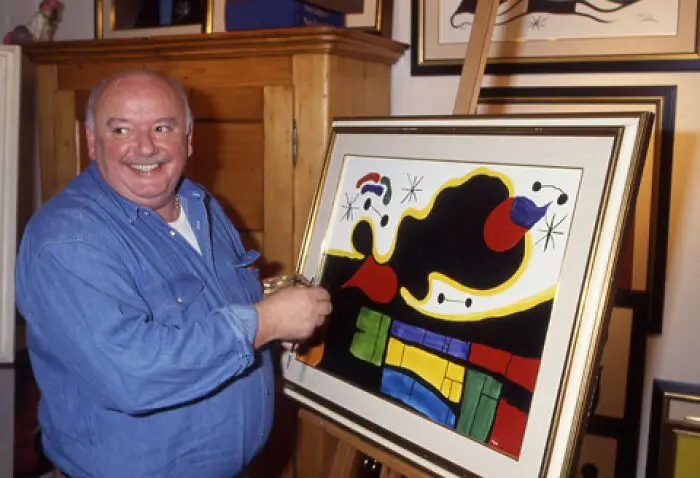
In 1983, German Stern magazine published an announcement claiming one of their reporters had uncovered a series of journals supposedly written by Adolf H. himself. After investigations proved the journals were nothing but forgeries, several newspaper editors involved lost their jobs, and Konrad Kujau, the forger, was thrown in jail.
Credits: Telephil, Wikipedia
The 'Piltdown Bird'
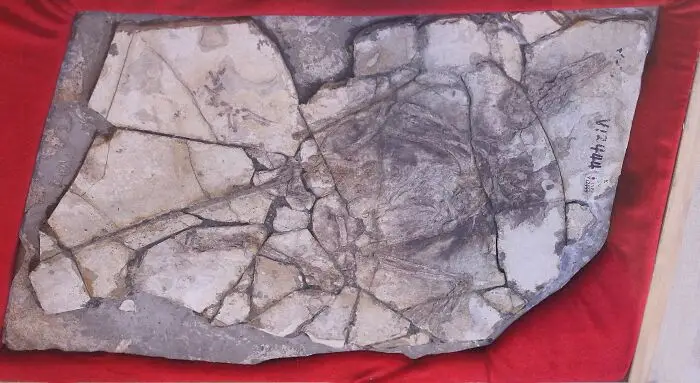
This scandal started in 1999, when National Geographic announced the discovery of Archaeoraptor liaoningensis, the supposed missing link between birds and dinosaurs. It wasn’t long before scientists uncovered that the fossil was a fake, made from many different pieces of real fossils just glued together. Sadly, much like the Louvre, the U.S museum that purchased the fossil was conned out of thousands of dollars.
Credits: Jonathan Chen, Wikipedia
The Bathtub Hoax
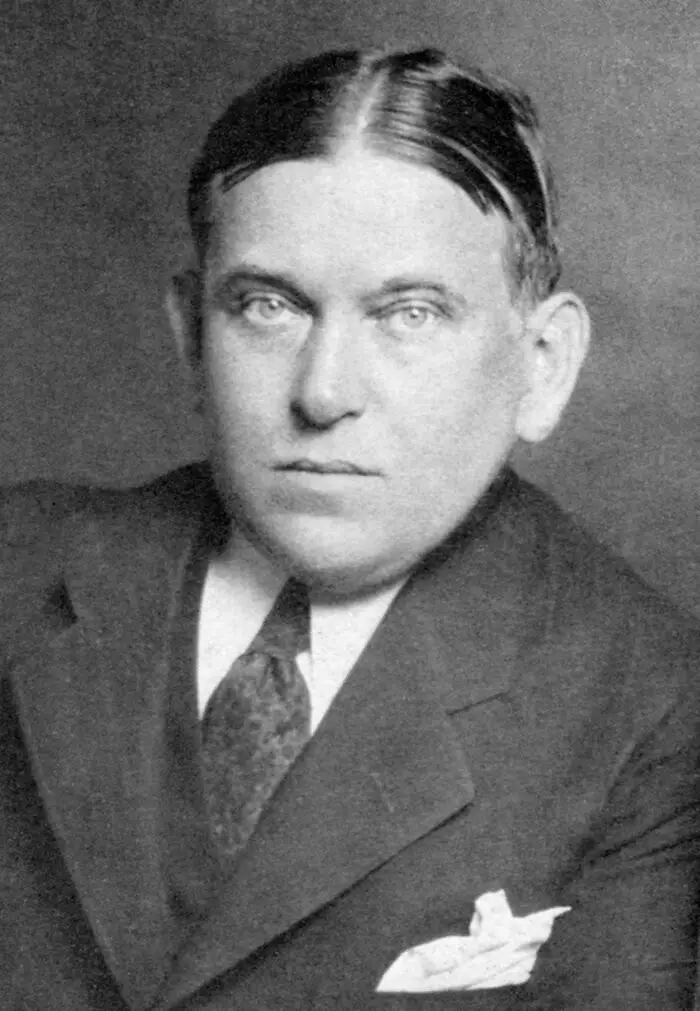
In 1917, journalist H.L. Mencken published an article claiming the first bathtub was installed in Cincinnati by Adam Thompson. Allegedly, President Millard Fillmore was so impressed with the invention that he requested it to be installed in the White House. In reality, this story was completely made up, but unfortunately, readers and newspapers actually took it seriously. Even after Mencken confessed to the deception in 1926, the fake facts continued to appear virtually everywhere.
Credits: Ben Pinchot, Museum Of Hoaxes
The Dreyfus Affair
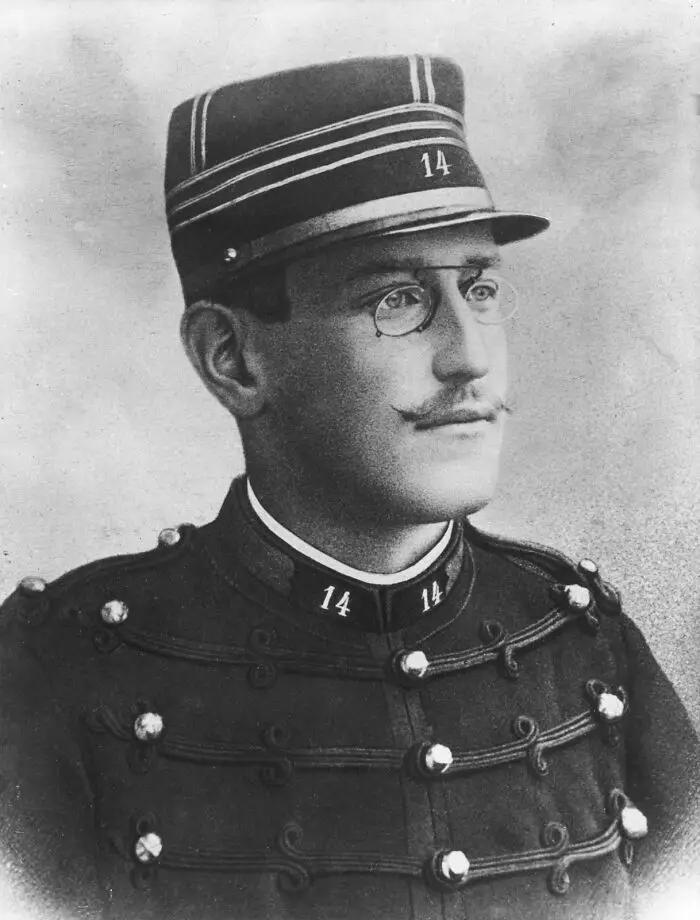
In the late 19th century, Captain Alfred Dreyfus, a Jewish officer in the French army, was wrongly convicted of espionage and sent to Devil’s Island. The real culprit was later exposed as French Major Ferdinand Walsin Esterhazy, but shockingly, the army attempted to sweep it under the rug. The infamous case drew strong reactions from the public, especially after writer Émile Zola publicly accused the government of anti-Semitism and corruption in her open letter J'Accuse...!
Credits: Aron Gerschel, Wikipedia
The Feegee Mermaid
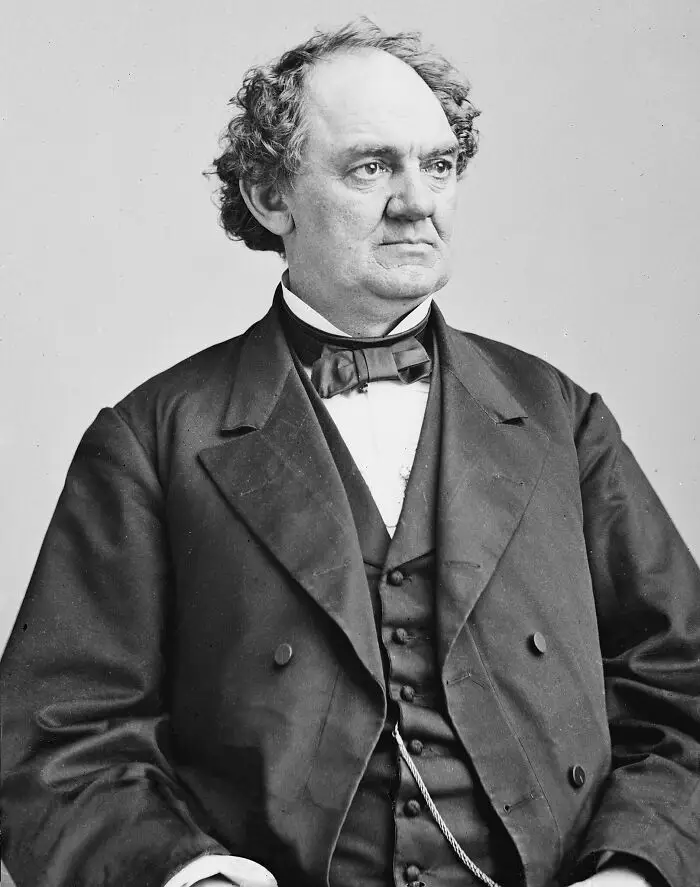
In 1842, American showman Phineas Taylor Barnum revealed the so-called Feejee Mermaid, a strange creature with the upper body of a monkey and the tail of a fish. He marketed it as a real mermaid, drawing huge crowds of curious spectators. In reality, it was just a fabrication, stitched together from animal parts. Despite being a total fake, it became one of Barnum’s most popular attractions.
Credits: Brady-Handy Photograph Collection (Library of Congress), Museum Of Curiosities
The Lonelygirl15 Channel

Launched on YouTube in 2006, the Lonelygirl15 channel featured Bree, a teenage girl sharing vlogs about her daily life. What began as innocent posts soon took a sinister turn, involving strange rituals and a secret cult. Viewers believed it was authentic until online sleuths discovered Bree was actually an actress named Jessica Rose, and the entire series was scripted.
Credits: Lonelygirl15 Studios, Wikipedia
Follow Bored Panda's daily dive into internet culture on MSN for more curious finds, quirky content, and offbeat observations.