



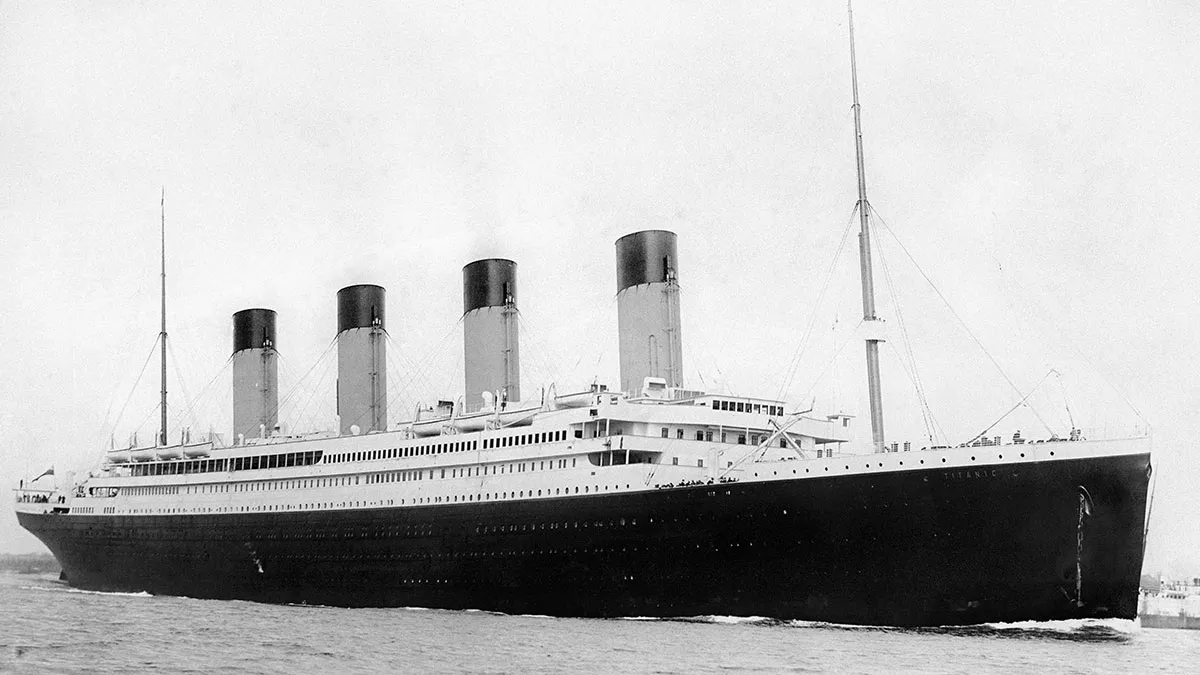



“Okay, I’m getting something… I predict that the cost of living will continue to rise, birth rates will continue to fall, and you will be very happy in the future. That’ll be $100.”
Now, you might not be willing to pay a psychic to run their hands across a crystal ball and prophesize about your future. But there have been some people throughout history who have managed to make surprisingly accurate predictions about what's to come, so Bored Panda has compiled a list of their forecasts down below. From projections about technological advancements that became reality to eery anticipations of tragedies, this list is full of reminders that the future might not be as mysterious as you think.
#21 America’s Population Boom
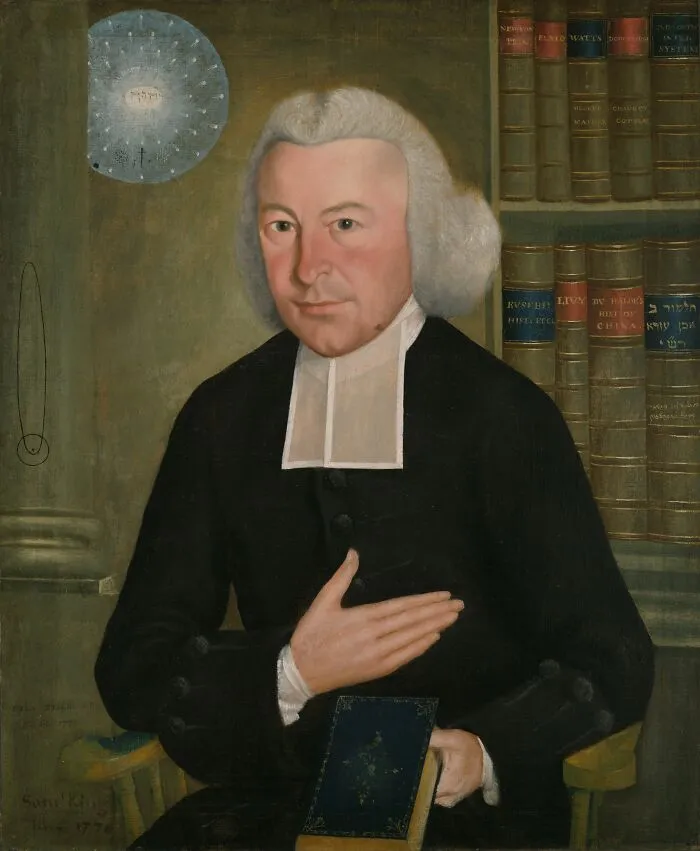
In 1783, Ezra Stiles, then president of Yale University, made a remarkably accurate demographic prediction. He projected that the population of the United States would surpass 300 million within approximately 200 years. This forecast proved astonishingly correct, as the U.S. population reached the 300 million mark in the early 21st century, underscoring Stiles' keen insight into long-term population trends.
18points
#22 GPS
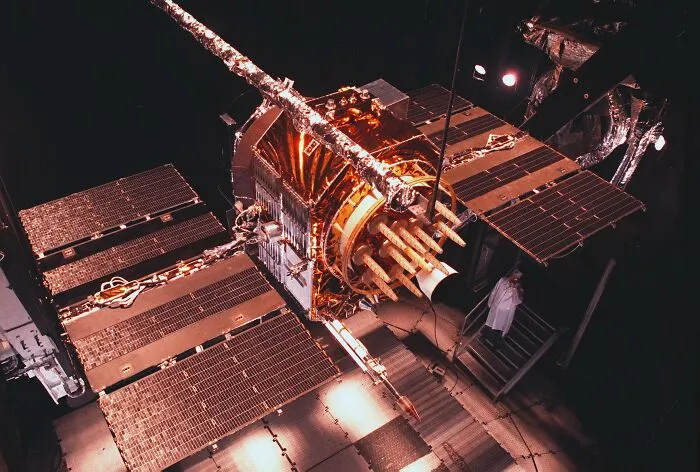
In a 1993 AT&T commercial, actor Tom Selleck posed the question, "Have you ever crossed the country… without stopping for directions?", hinting at a future navigation technology. Although other parts of the ad were less accurate, this particular prediction foreshadowed the widespread use of GPS systems. Just six years later, President Bill Clinton declassified GPS technology, making it commercially available and eventually transforming how people navigate.
Report
16points
#23 H. G. Wells Predicted The Atomic Bomb
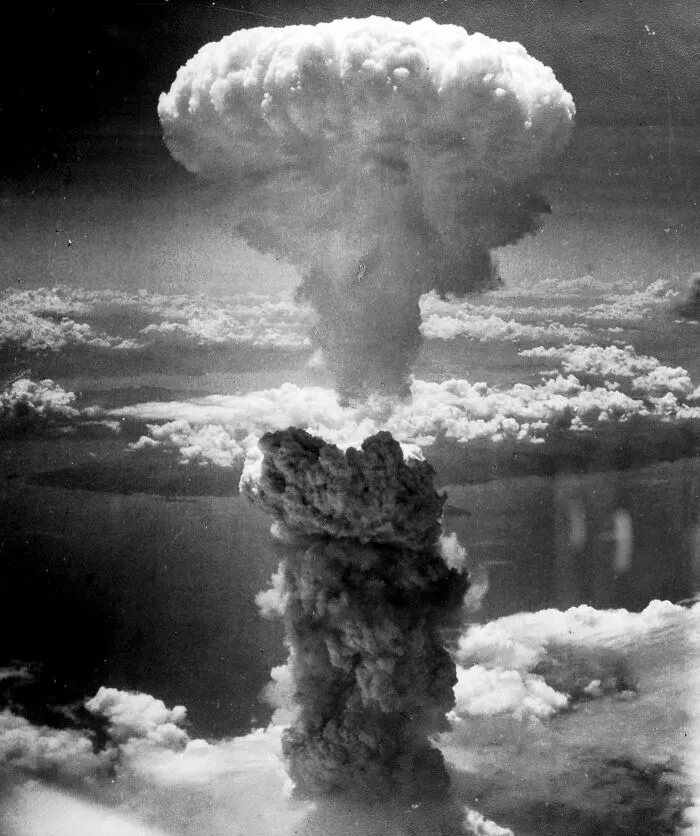
In his 1914 novel The World Set Free, H.G. Wells conceived of horrifying "atomic bombs" capable of destroying entire cities. While he lacked the scientific understanding of nuclear fission that would later lead to the real atomic bomb developed during the Manhattan Project (starting in 1942), Wells understood the destructive potential inherent in radioactive elements. He presciently recognized that harnessing this power for weaponry would have catastrophic consequences for humanity.
Report
15points
#24 Touchscreen Devices And Siri
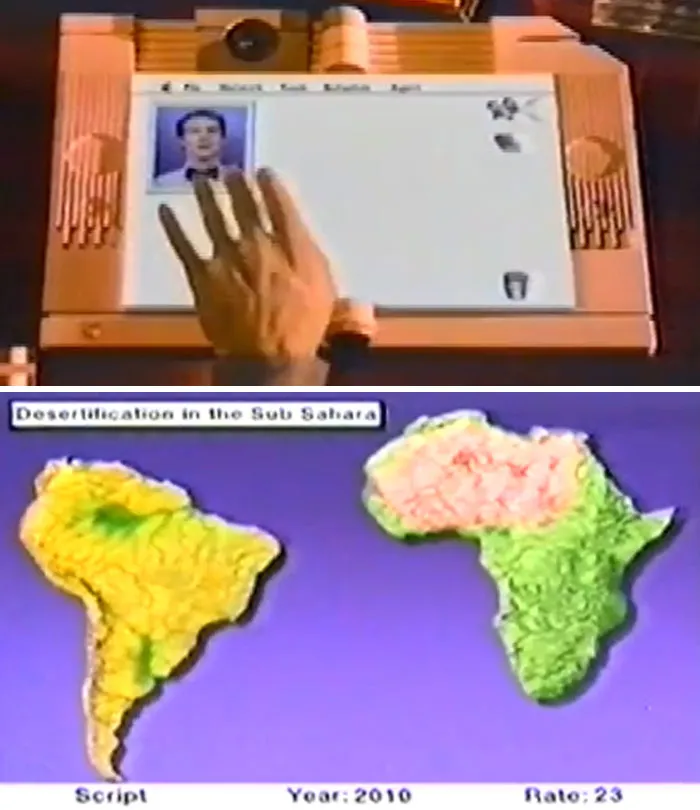
In a 1987 promotional video titled Knowledge Navigator, Apple presented a vision of future technology that proved remarkably accurate. The video showed a professor interacting with a flat, touchscreen tablet similar to an iPad and using a voice-controlled digital assistant—the "Knowledge Navigator"—to access information and even take video calls, much like modern Siri and FaceTime. Intriguingly, the video's fictional timeline was set in late 2011, precisely when Apple launched the iPhone 4S and introduced Siri to the world.
Report
15points
#25 DVDs And Streaming Movies
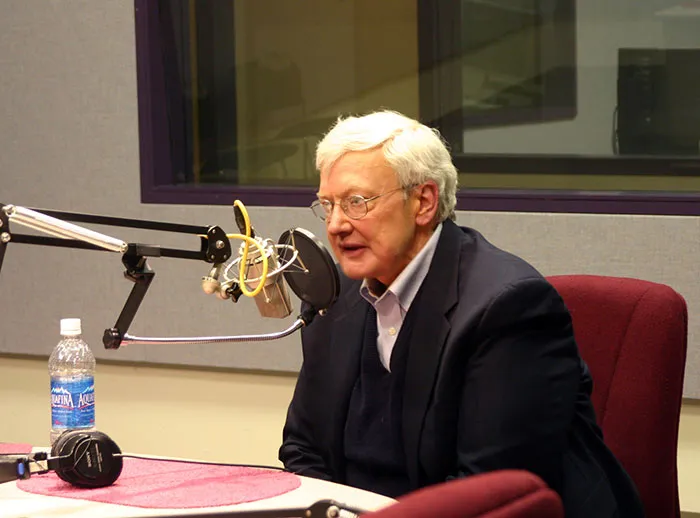
In a 1987 interview with OMNI magazine, film critic Roger Ebert accurately predicted major shifts in how people would watch movies at home. He envisioned a future without video stores, where viewers would "order a movie on demand and then pay for it," and foresaw the obsolescence of videocassettes, suggesting playback would rely on "laser-disk/CD technology." These predictions presaged the rise of video-on-demand services in the 1990s, the development of DVDs (based on CD tech and standardized in 1995), and ultimately, the streaming platforms that dominate today.
Report
14points
#26 Coffee Machines, Microwaves And Meal Prep

In a 1964 piece for The New York Times imagining life 50 years later, science fiction author Isaac Asimov predicted that "gadgetry will continue to relieve mankind of tedious jobs." He specifically envisioned conveniences like "automeals" ready in seconds, frozen semi-prepared meals, and machines that could instantly heat water into coffee. These concepts accurately foreshadowed modern technologies such as microwaves, meal kit services, and automatic coffee makers.
12points