





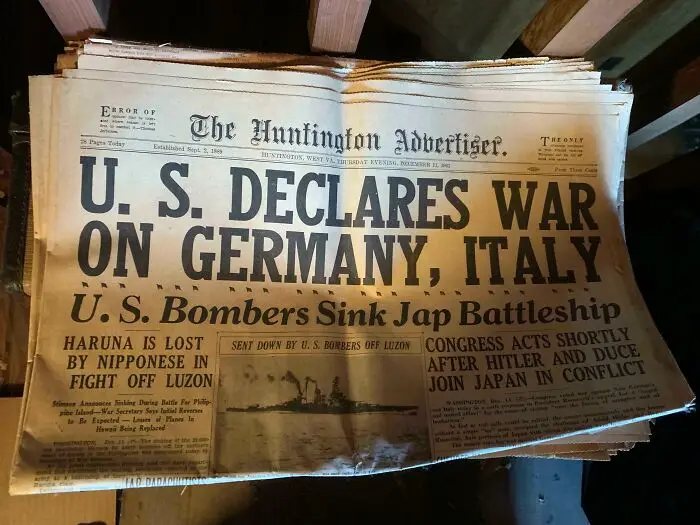
Acids from the environment (like from air pollution or poor-quality enclosures) or from within the paper cut these glucose chains into shorter and shorter lengths in the presence of moisture. “This acid hydrolysis reaction produces more acids, feeding further, continued degradation.”
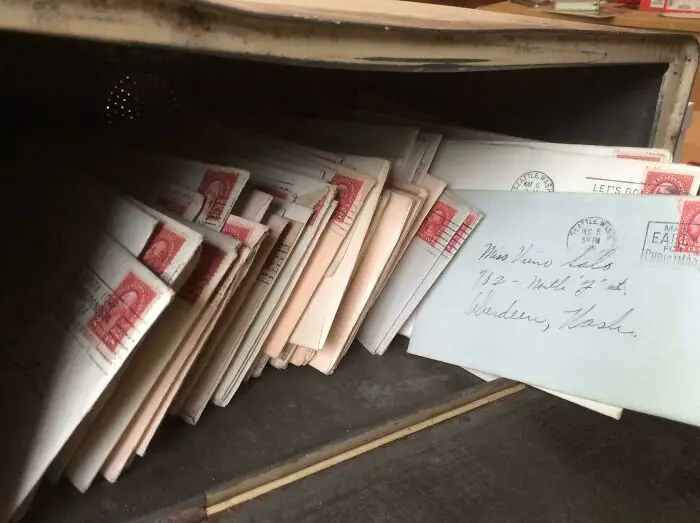
#23 Garage Sale Find (1929) - About 100 Love Letters Over Two Years From A Guy In Seattle To A Girl In Aberdeen, Wa
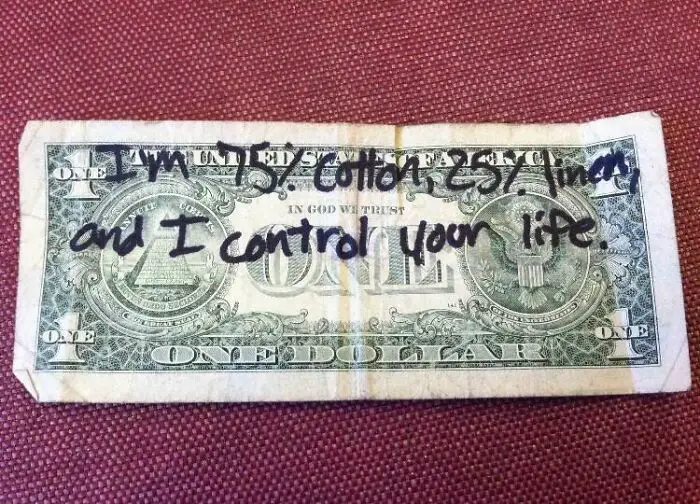
#24 Historicfound This On The Street In Downtown Sd About 4 Years Ago When I Needed It Most. It’s Been In My Wallet Ever Since

One of the reasons why newspapers don’t last for long is because they’re printed on mechanically pulped paper, meaning the paper has got the shortest fiber length. Meanwhile, the lignin from the wood isn’t removed (as in the case of chemical pulping) and promotes acid hydrolysis, shortening the glucose chains even more.
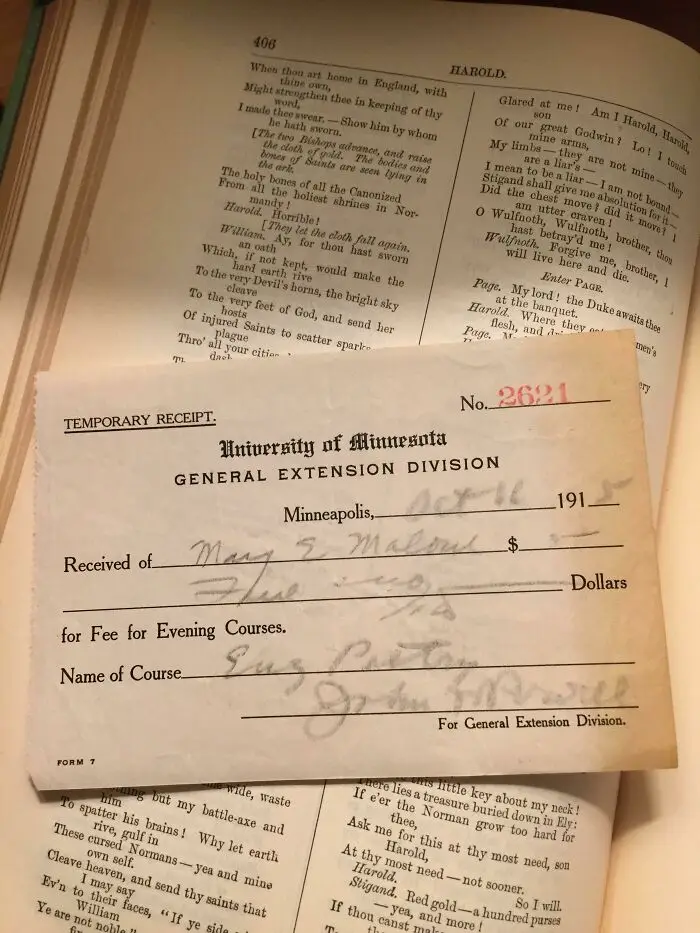
#26 Purchased Old Poetry Book At Flea Market And Found This Old Receipt For A College Poetry Class. This Receipt Has Been In This Book For 102 Years!
What’s more, it’s not just acid hydrolysis that threatens a piece of paper’s structural integrity. It can also be damaged by light (what’s known as being susceptible to photolytic degradation) and oxygen (oxidative degradation).
The poorer quality of the paper, the more light degradation affects it. Meanwhile, oxygen degrades paper in a very limited way, unless there are nitrogen oxide pollutants in the air.
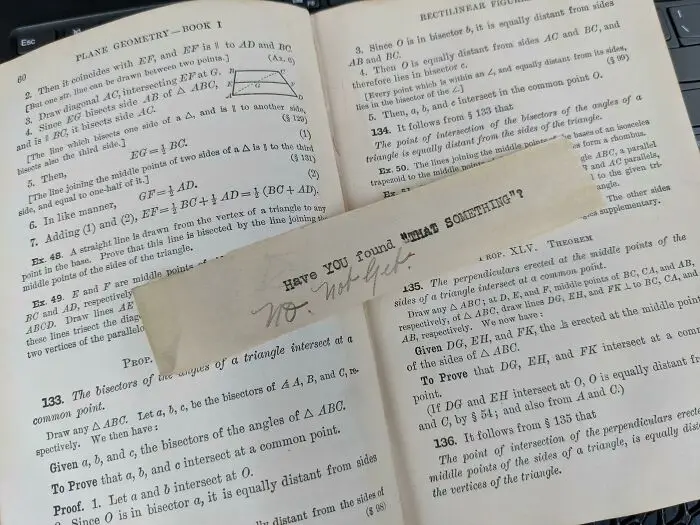
Generally, what you want to aim for is having high-quality paper that’s stored in good conditions. Cooler temperatures and 30 to 40 percent relative humidity can help paper last for a very long time, according to the Library of Congress. That’s something to keep in mind if you want to take good care of the interesting finds and documents you may have picked up on your scavenger hunts.
