






#21
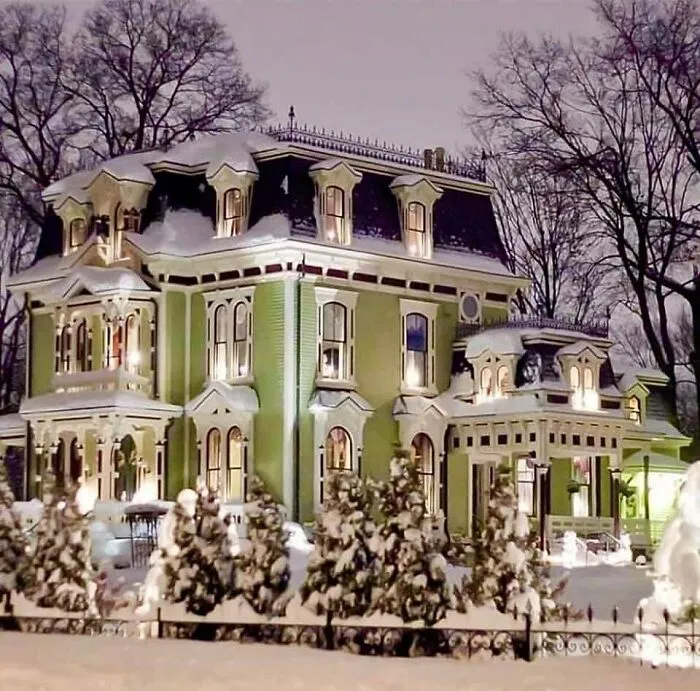
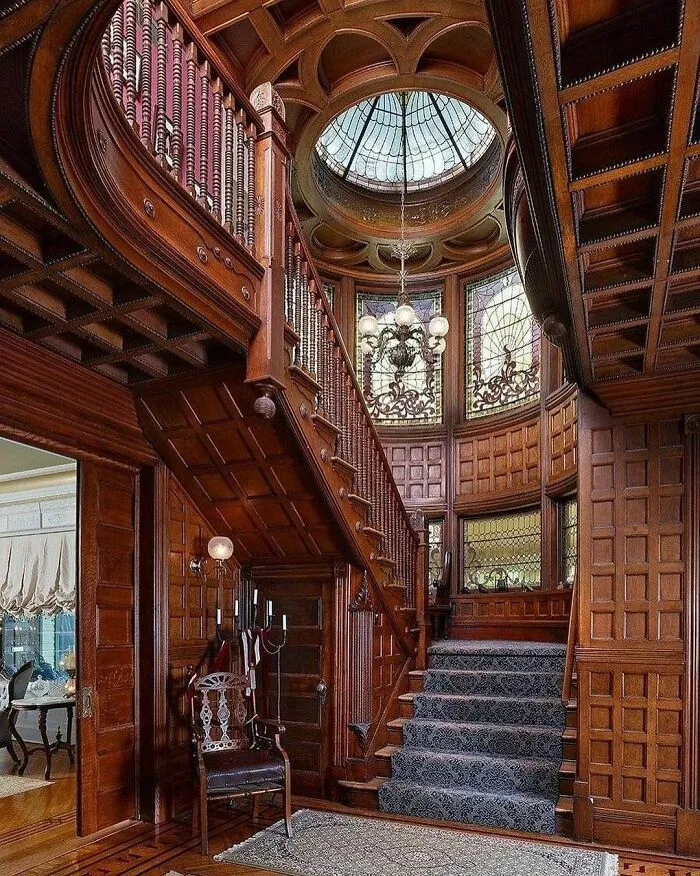
“What you decide to do really depends on your style and how much of the house's original character you want to preserve. It's possible to strip out the character elements and add them back in if you have enough money.”
Ariane told us a bit about matching new furniture to the interior of old homes. She said that she encourages people to choose a core color-and-finish scheme for their house, and revealed to us that hers is white, oak, chrome, and rose gold.
#23
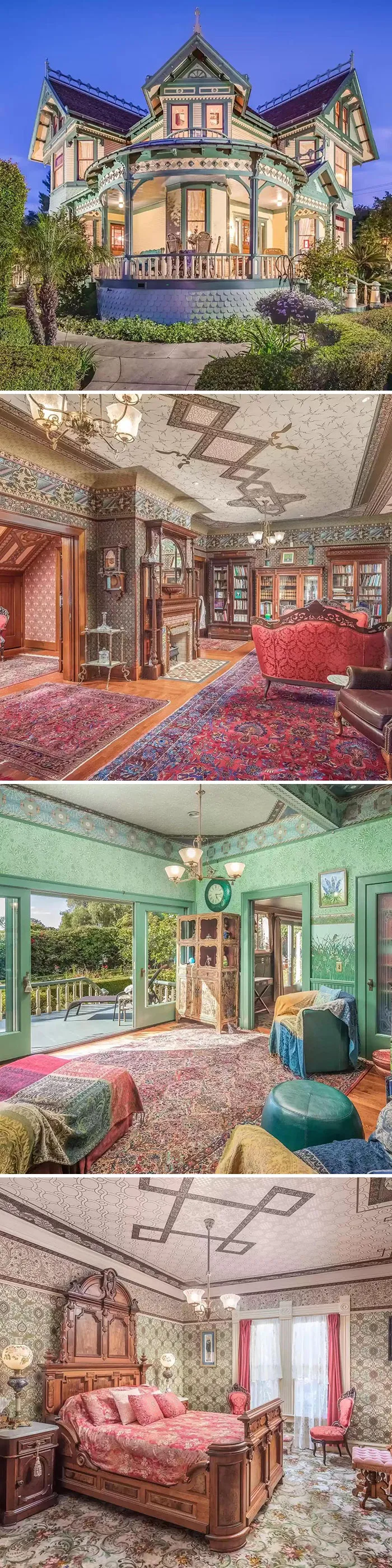
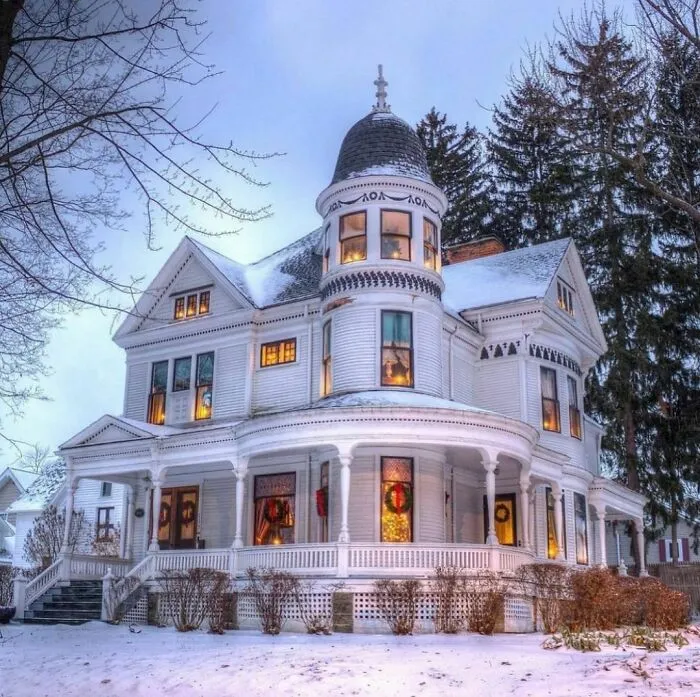
“For instance, if you have oak floorboards as I do, go for oak furniture to match. If you choose most of your furniture to fit into this scheme, the interior will look cohesive and pulled together. You can then add accents in different tones and shades,” she explained. If you’d like to know more about moving, you should definitely check out Ariane’s ultimate advice guide to moving into a new home right over here.
#25
#27
While folks over in Manhattan are struggling to keep up with the massively rising rent prices, wealthy Americans are actually holding off from buying as much expensive property as they usually do.
The US saw a 17.8% drop in the sales of luxury homes, from February to the end of April, compared to last year. Meanwhile, the sale of non-luxury homes fell 5.4%. This implies that the very wealthy might look at cheaper buildings to purchase as investments due to the current economic uncertainty. More expensive homes might be left sitting in listings for longer and longer.
#29
#30
#31
#32
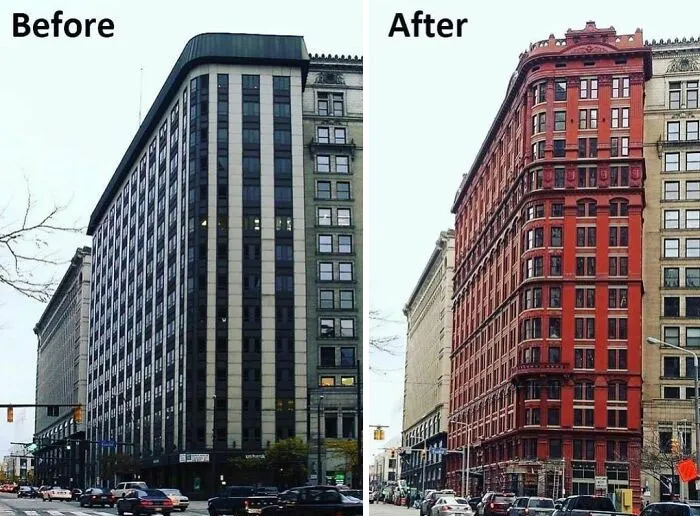
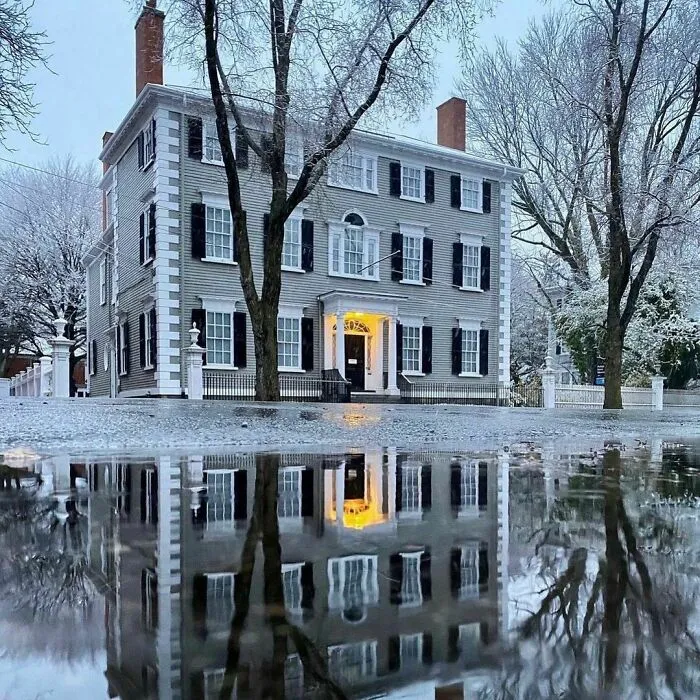
#34
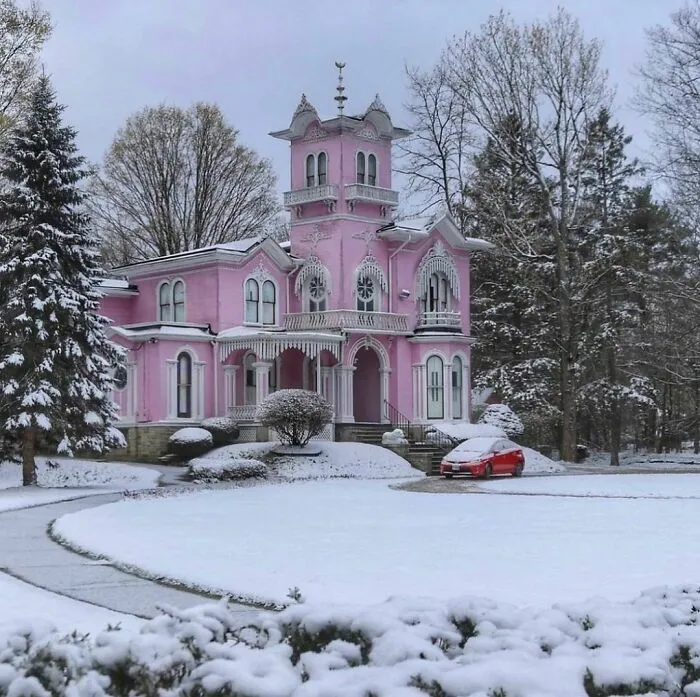
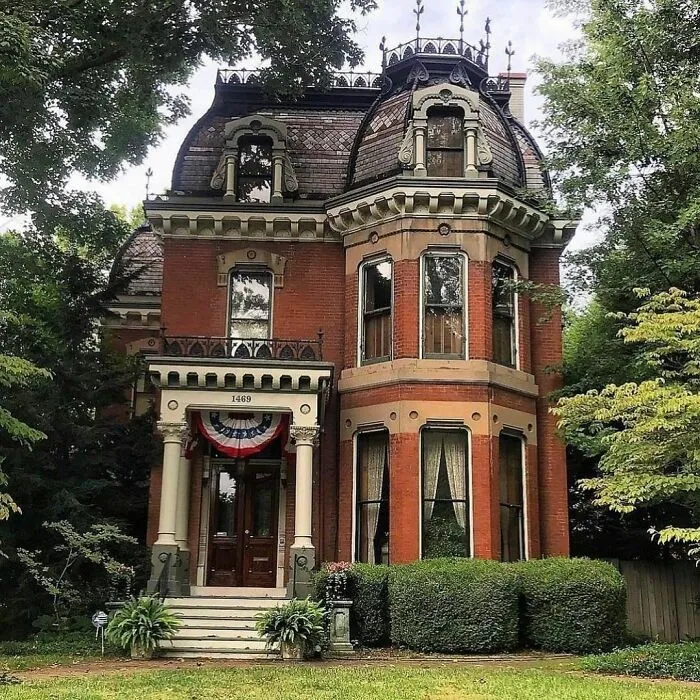
#36
#37
#39
#40
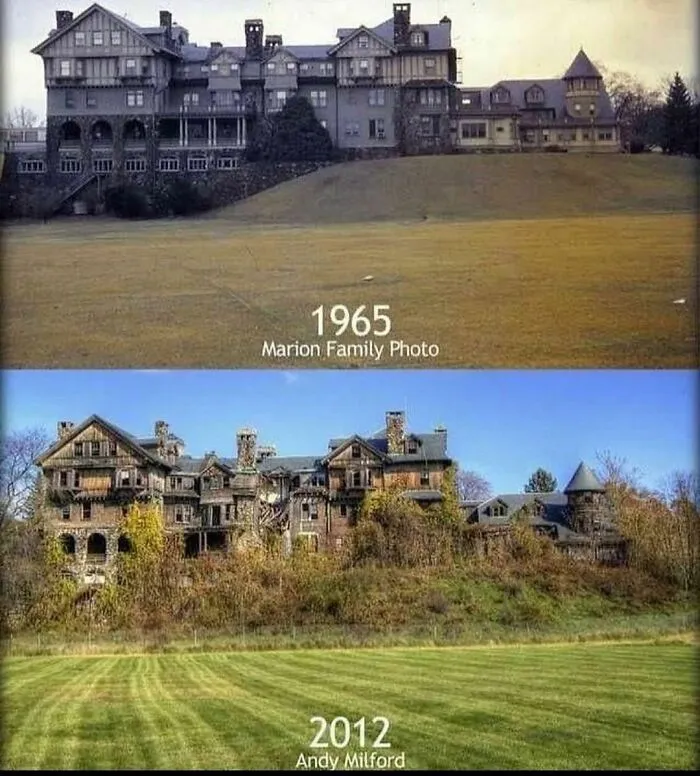
The main building of Bennett College, Halcyon Hall, was built in 1893 by H. J. Davison Jr., a publisher from New York. The 200-room Queen Anne structure was designed by James E. Ware. It has five stories, a basement and sub-basement. Originally built as a luxury hotel, the building became home to Bennett College in 1907 after the hotel failed to catch on. The Bennett campus also included a chapel, stables, dormitories, an outdoor theater, and the Kettering Science Center, a state of the art building completed in late 1972. The cost of constructing the science building (needed to comply with new state science education requirements), along with other campus upgrades, contributed to the school's bankruptcy.