

This post may include affiliate links.
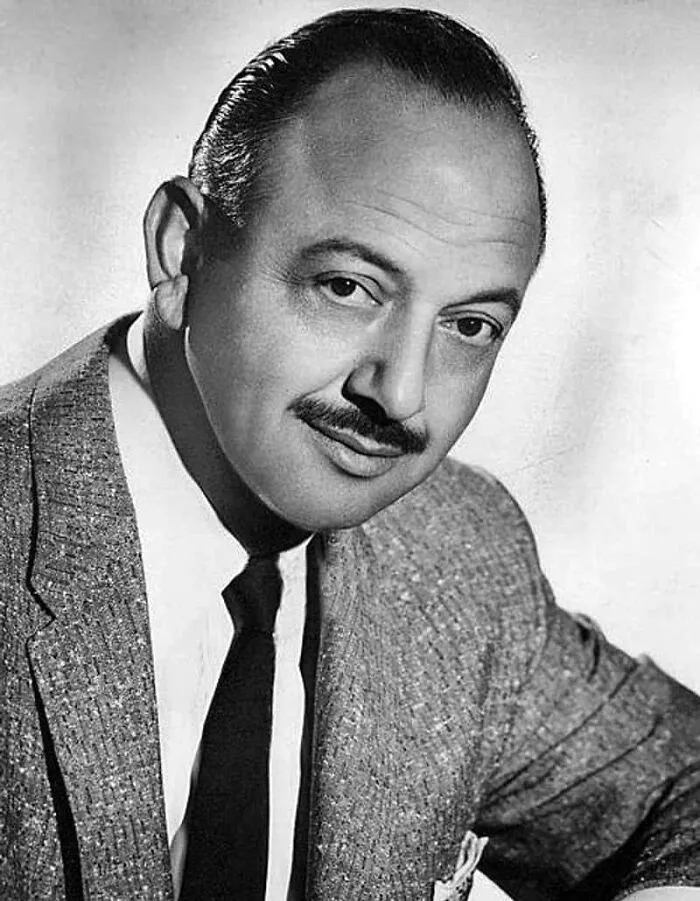
#1 Mel Blanc Has The Most Acting Credits - 1,069
#2 Humanity At Its Peak

The 4,855 registrants more than doubled the previous UK single-day record of 2,200 for the charity.
#3 The Man Who Survived 438 Days Adrift At Sea,alone And No One Believed Him Until Scientists Proved It Was Possible
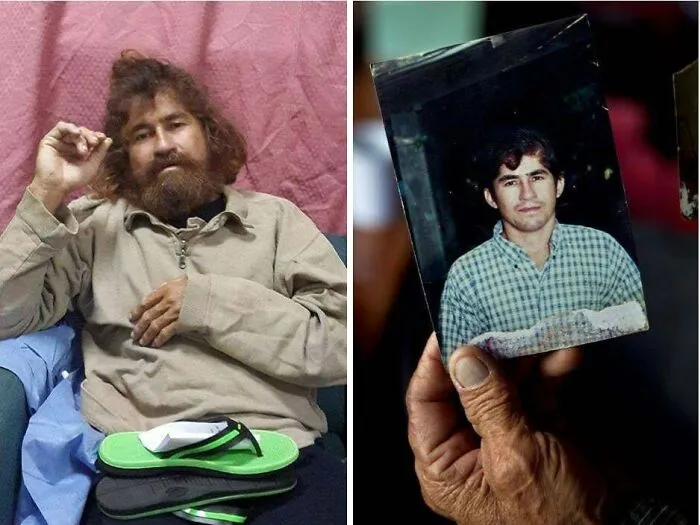
He didn’t come back for 14 months.
His boat’s engine died during a storm, and he was blown thousands of kilometers into the Pacific Ocean, with no engine, no paddles, no radio, no sails.
Everyone assumed he was gone. Even his family held a funeral.
But Alvarenga survived.
He survived by: • catching birds with his bare hands • drinking turtle blood and rainwater • eating raw fish he caught with improvised tools • hallucinating from isolation • talking to the sky to stay sane
At one point, his only companion a younger fisherman died after losing the will to live. Alvarenga stayed with the body for days before finally letting it go to the ocean.
He was alone for the next 300+ days.
When he finally washed up on the Marshall Islands, barefoot and covered in sores, the world didn’t believe him. People said it was impossible. Then oceanographers traced the currents. Medical teams analyzed his body. His story matched the drift patterns perfectly. It turned out he really had traveled over 6,700 miles with nothing but survival instinct and sheer force of will. A literal real-life Cast Away, but far, far worse. Even today, scientists call it one of the greatest survival stories ever recorded and most people still have no idea it actually happened.
Human civilization has always been proactive in documenting the biggest, oldest, and most formidable elements of existence.
As early as 3400 BCE, Egyptian administrators recorded royal deeds, cattle counts, and crop totals using crude hieroglyphs carved into stone or bone.
In ancient Ebla (modern-day Syria), administrators stored over 2,500 clay tablets detailing massive trade deals, land ownership, and tax records — forming the world’s oldest known organized archive.
#4 Most Lightning Strikes Survived By A Single Person Is 7
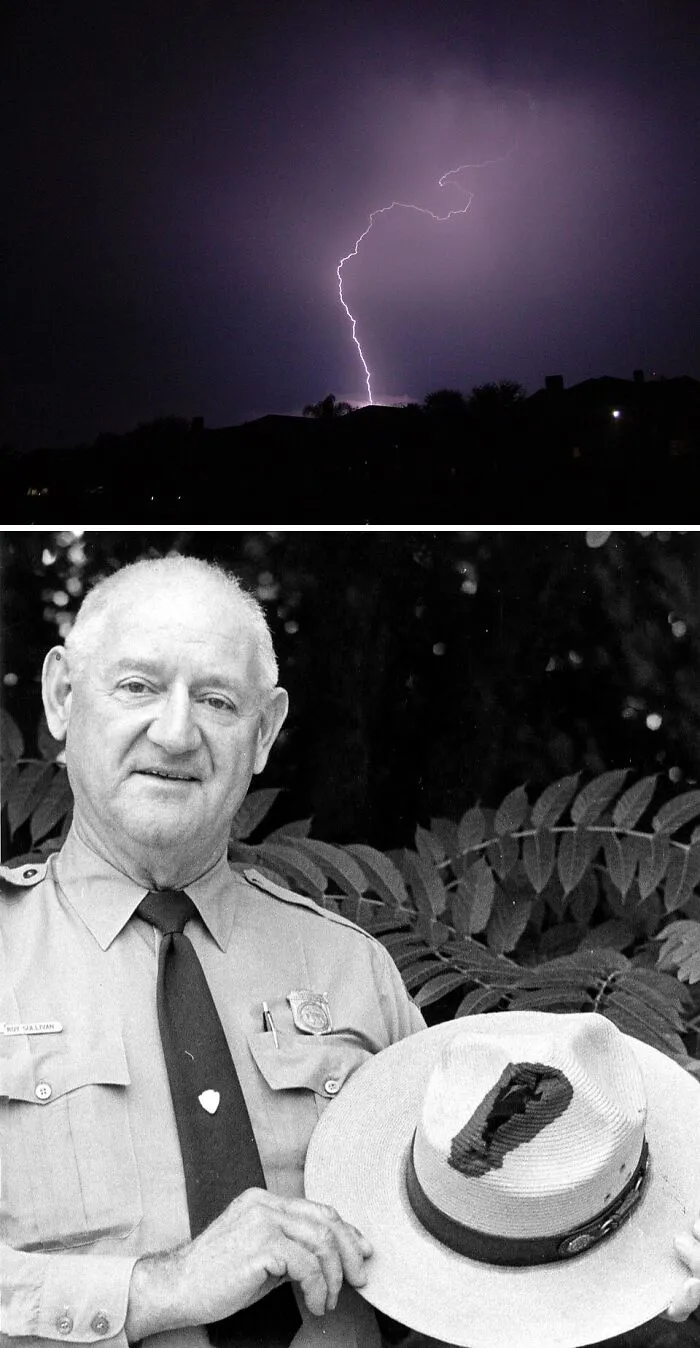
Roy Sullivan survived an incredible seven lightning strikes over 35 years, between 1942 and 1977, mostly while working as a park ranger in Virginia. His first strike happened while he was taking shelter in a fire lookout tower, burning his leg. Years later, lightning struck his truck while he was driving, knocking him unconscious and burning off his eyebrows. He was later struck in his yard, inside a ranger station, while patrolling the park, walking on a trail, and even while fishing. Several of the strikes set his hair on fire, leaving him with burns and other injuries, but remarkably, he survived every single one.
#5 The Oldest Verified Person In History: Jeanne Calment (122 Years Old)

#6 One Of Threcognized By Guinness World Records As The Highest Number Of People Ever Carried On A Single Commercial Aircrafte Wildest Moments In Aviation History

By 776 BCE, the Greeks began inscribing the names of Olympic sprint champions onto stone pillars. They effectively created humanity’s first official sports record hall to grant athletes immortal fame.
Meanwhile, somewhere in Rome, author Pliny the Elder compiled Naturalis Historia in 77 CE. It was a massive collection detailing the longest human lifespans, the tallest monuments, and the most extreme physical phenomena known to the ancient world.
#7 The Man With The Most Degrees In History

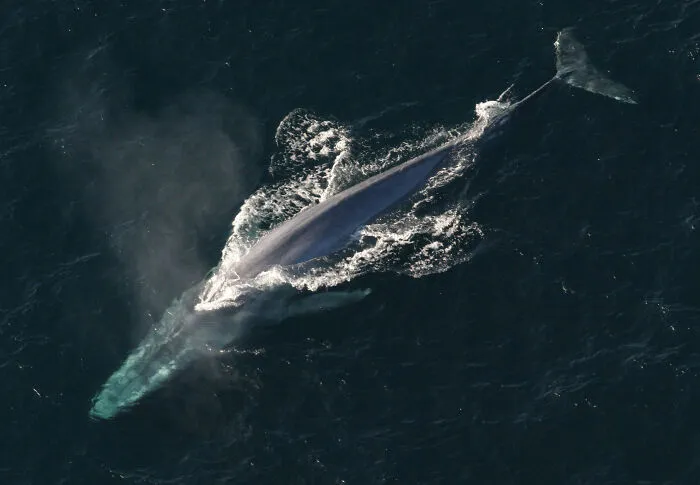
#8 The Largest Animal Ever Recorded
While Pliny blurred the lines between facts and opinions across his 37-volume treatise, he effectively created the Western world’s first scientific encyclopedia. For centuries, Natural History stood as the primary authority on scientific theory and information.
By the 19th century, the rise of organized sports and printed almanacs formalized statistical tracking.
And then came the Guinness World Records, a place where any wild, verifiable achievement could claim its spot in history.
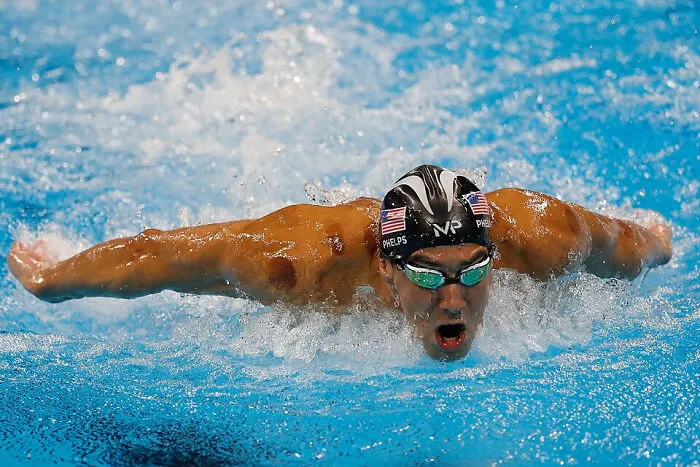
#9 Michael Phelps Has Won 28 Olympic Medals
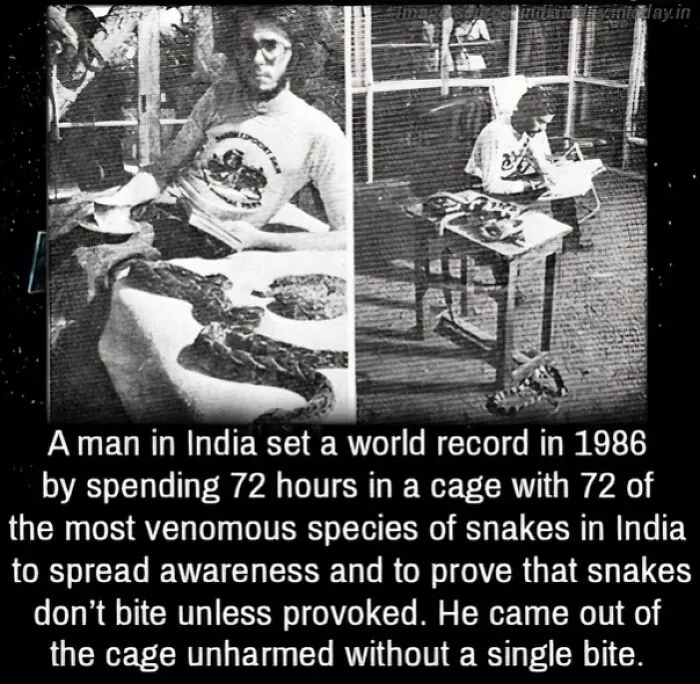
#10 A Man Spends 72 Hours In A Cage With Most Venomous Species Of Snakes
#11 The Fastest Human Ever Recorded Running On Foot Is Usain Bolt

But did you know that the famous record book started with a simple argument?
It began in world-records-how-did-it-start-how-many-records-exist-and-more" rel="noopener noreferrer" target="_blank">1951 when Sir Hugh Beaver, head of the Guinness Brewery, got into a debate about Europe’s fastest game bird. They searched reference books, but found no answer.
Beaver soon had a brilliant idea and hired two fact-checkers to compile facts about world extremes.
First published in 1955, the book instantly became a global bestseller. It evolved from a promotional brewery item into the ultimate worldwide authority on record-breaking feats.
#12 Most Children To One Couple Is 69

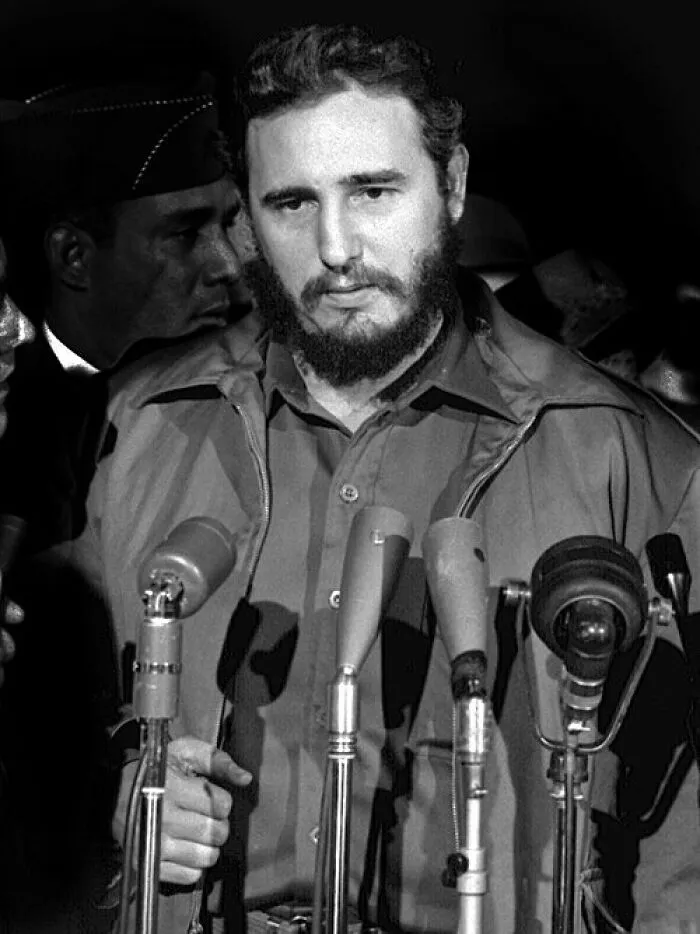
#13 Fidel Castro Survived 638 Assassination Attempts
#14 Tallest Man In History (8'11" Or 272 Cm)
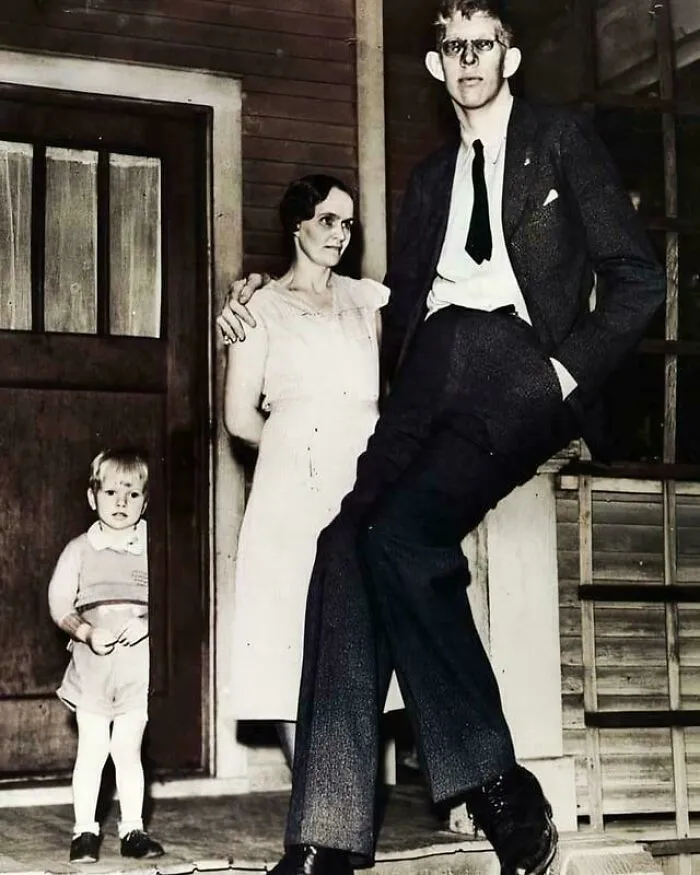
Known as the “Alton Giant” or the “Giant of Illinois,” Wadlow continued growing throughout his life due to a condition called hypertrophy of the pituitary gland, which caused an abnormally high level of439 pounds (199 kg) and had unusually large hands and feet—the latter requiring custom-made shoes.
Wadlow passed away in 1940 at the age of 22 from complications caused by an infection from a leg brace. Despite his short life, his height record remains unbroken and is recognized by Guinness World Records as the tallest human height ever reliably measured.
According to the Guinness Book, since new record titles are being created every day, there are well over 70,000 official record titles.
In 2025, the organization received 49,052 record applications from 190 countries, out of which only 3,247 records were approved and made official.
“It found this momentum, this life of its own, and took off and became much more than Sir Hugh ever imagined it could be because it was a unique way of thinking about the world,” says editor-in-chief of the Guinness World Records, Craig Glenday.
#15 The Heaviest Man In History, Jon Browner Minnoch. He Weighed 1,400 Pounds

He later regained weight and passed away in 1983 at the age of 41, weighing approximately 798 pounds (362 kg). His peak estimated weight remains the highest ever medically documented for a human being.
#16 The World's Largest Handmade Book In Szinpetri, Hungary

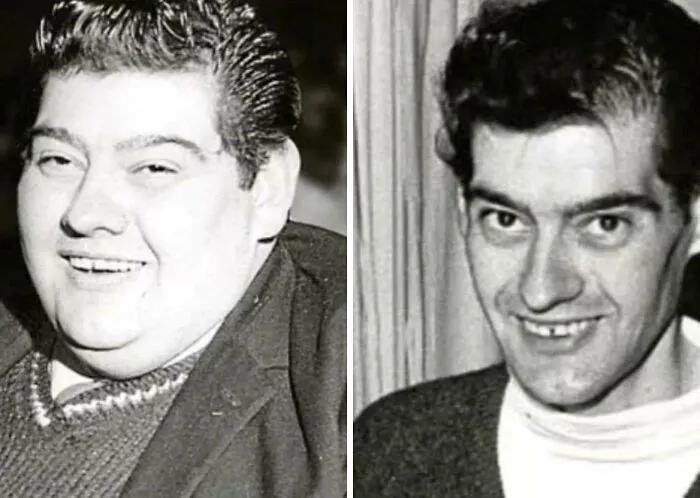
#17 Scottish Man Angus Barbieri Fasted For 392 Days
Even though new records are being broken, some famous legends still hold their ground. Elvis Presley remains history’s best-selling solo artist. Michael Phelps’s eight swimming world records at the 2008 Beijing Olympics remain unbroken.
At the same time, some records remain forever unbreakable because of simple logic and historical finality. Certain milestones can only happen once — as Sir Edmund Hillary’s 1953 Everest ascent stands as the ultimate first. Or Charles Lindbergh becoming the first person to fly solo nonstop across the Atlantic Ocean.
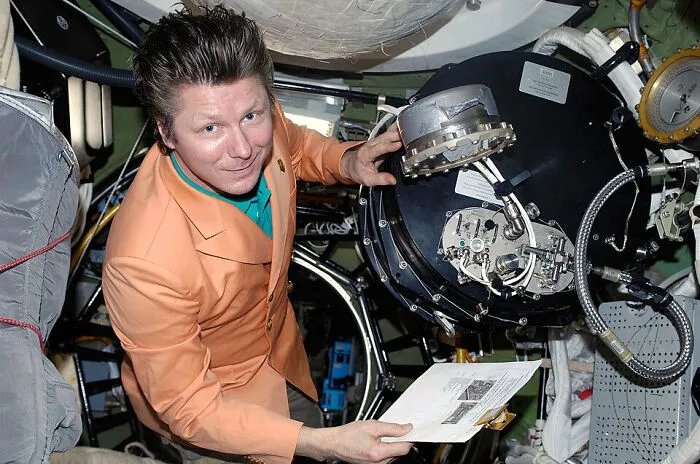
#18 878 Is The Most Days Spent In Space
#19 The Emperor Who Ruled For Decades Before Most People Could Remember Him

He became king in 1643 at just 4 years old after the death of his father, Louis XIII, and ruled until his passing in 1715 at the age of 76. Known as the “Sun King,” Louis XIV transformed France into the dominant European power of his era and famously built the lavish Palace of Versailles as a symbol of royal power.
This leads to a fascinating question about human nature: why do people push themselves to set such extreme or unusual records in the first place?
According to psychology professor Ian Robertson, the drive behind setting a world record — whether winning an Olympic gold or attempting something utterly obscure — stems from a fundamental human need for achievement and recognition.
“The thing that motivates the person to win a race or an athletic performance is a mix of motivations similar to what you get in trivial things like setting bizarre records."
“What you have is a burning achievement motivation, and someone maybe just doesn’t see the opportunity to satisfy that achievement in more conventional ways. So they find the strange niche," Robertson, the author of The Winner Effect: The Neuroscience of Success and Failure, says.
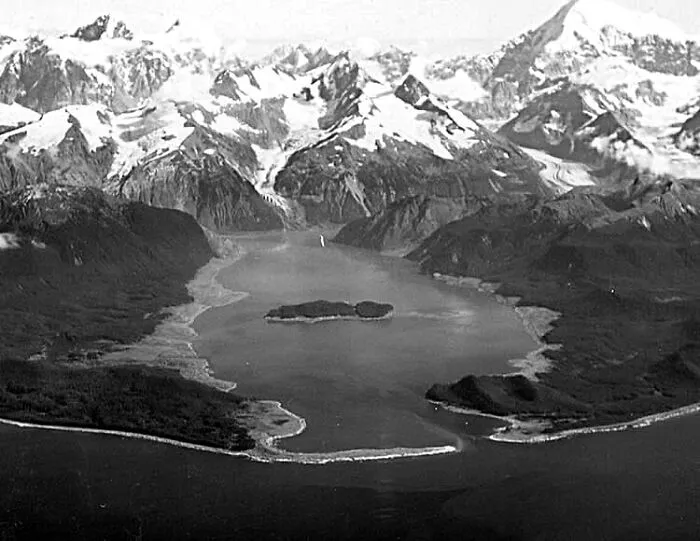
#20 The Largest Wave Ever Recorded