



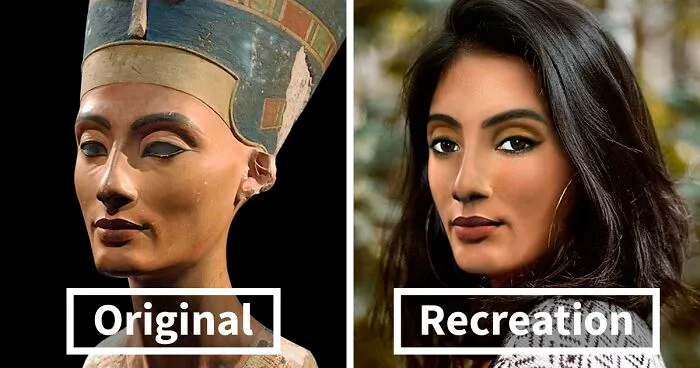


All of you history, anthropology, and archeology-loving Pandas out there, hang on to your seats. Have we got a treat in store for you! If you’ve ever wondered what historical figures would look like if they were alive right here and now, then look no further—Becca Saladin has you covered. Becca, who works as a full-time graphic designer, created the Royalty Now series as a way to bring the past into the present and to help us look at history from a new angle. Check out Becca’s newest historical reimaginings below and remember to upvote your faves. Let us know which of the artist’s pieces you enjoyed the most, too.
Becca told Bored Panda that each image takes her from 4 to 5 hours to create. Sometimes, even longer. "Many people think I just use an app or just simply face-swap them, but it's much more complex than that in order to make it look as realistic as possible," she said. Read on for our full interview with the graphic designer.
This post may include affiliate links.
#21 Catherine De’ Medici
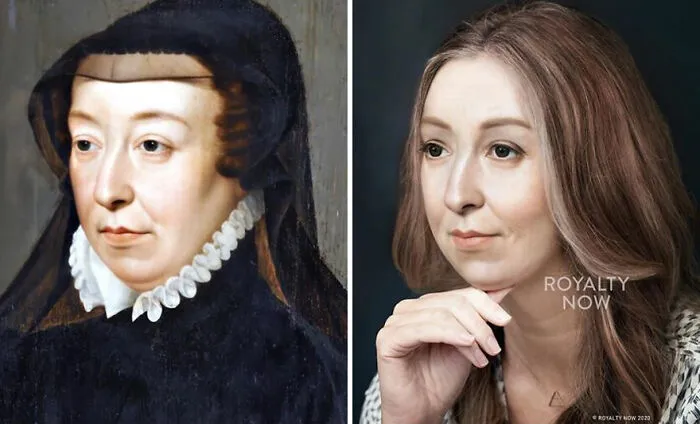
Catherine (1519 – 1589), was an Italian noblewoman from the famous and powerful Medici family. She was Queen of France from 1547 until 1559, alongside King Henry II until his death in 1559. Catherine and Henry had three sons - Francis, Charles, and Henry - and she watched them all become King in succession to one another. The three sons reigned in an age of almost constant civil and religious war in France. The problems facing the monarchy were complex and daunting, but Catherine was able to keep the monarchy and the state institutions functioning even at a minimum level. Intelligent but ruthless, she resorted to hard-line policies that included excessive persecutions and violence, leading the people of France to become extremely disillusioned with the monarchy. She is known for doing anything for her family and for the Valois line to remain on the throne. This is demonstrated by the amusing tidbit that Catherine had a group of elite female spies called the “Flying Squadron” who did her bidding. Without Catherine, it is unlikely that her sons would have remained in power. According to Mark Strage, one of her biographers, Catherine was the most powerful woman in 16th-century Europe.
Report
32points
#22 Hürrem Sultan
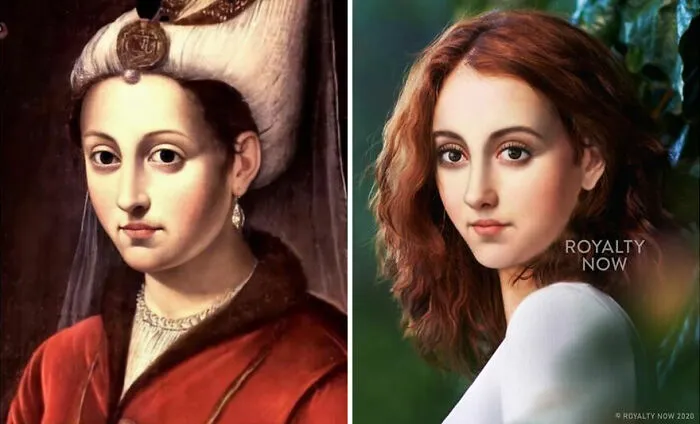
Hürrem Sultan, also known as Roxelana, was the chief consort and legal wife of the Ottoman Sultan Suleiman the Magnificent. She became one of the most powerful and influential women in Ottoman history and a prominent and controversial figure during the era known as the Sultanate of Women. Born in what is now modern-day Ukraine, Hurrem was originally a captive from a slave raid in her home country of Ruthenia. She entered the Imperial Harem of Suleiman (a former Royalty Now subject). Famously, Hurrem rose through the ranks of the harem, catching the special attention of Suleiman. The pair fell in love, and breaking with Ottoman tradition, Suleiman made Hurrem his legal wife and the first imperial consort to receive the title of Haseki Sultan. The pair had six children. Hurrem is famous for not only being beautiful and the wife of the great Sultan, but also for being smart and active in the affairs and direction of the empire. She acted as Suleiman’s chief advisor and corresponded with politicians on matters of state both foreign and domestic.
Report
32points
#23 Suleiman The Magnificent
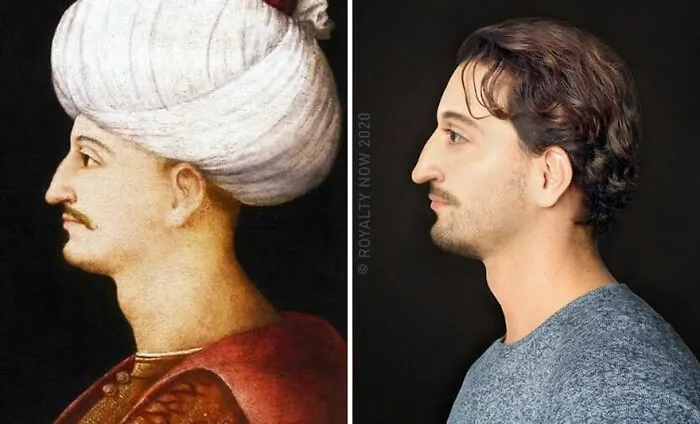
Suleiman I, known as Suleiman the Magnificent in the West and Kanunî Sultan Süleyman in his realm, was the longest-reigning Sultan of the Ottoman Empire from 1520 until his death in 1566. Under his rule, the Ottoman state ruled over at least 25 million people - what many scholars call the apex of the Empire. Suleiman and his military were a force to be reckoned with - shortly after ascending the throne, he began campaigns against Christian powers of Europe and the Mediterranean. Changes made by Suleiman to the Empire included major overhauls of society, education, taxes, and law.
Report
31points
#24 Elizabeth Of York
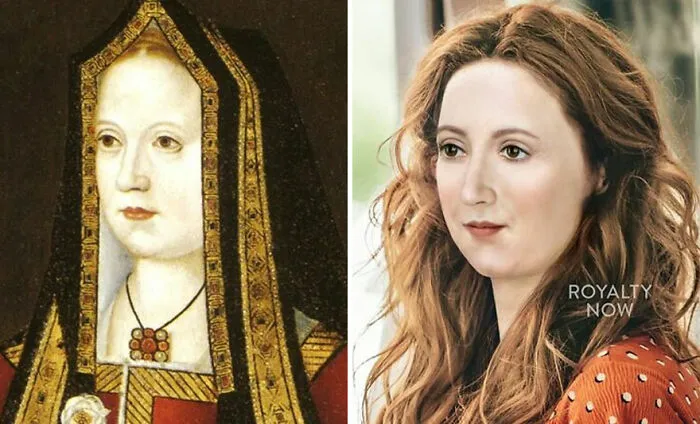
Elizabeth was the wife of King Henry VII and the mother to the future King Henry VIII. Their union began the “Tudor” period as we know it. She married Henry in 1486 after his victory at the Battle of Bosworth Field against the other claimant to the throne, Richard III, which marked the end of the Wars of the Roses. The War of the Roses was one of the most tumultuous periods of English history, involving two main warring factions, the Yorkists and the Lancastrians. Both sides were vying for the throne and both sides had legitimate claims. The marriage of Elizabeth of York and Henry VII (of Lancaster), marked a political union that worked as intended - to show that the war was over, and that the two sides had joined. Obviously there is much more nuance to the events, but that is the cliff-notes version.
Report
28points
#25 Shah Jahan
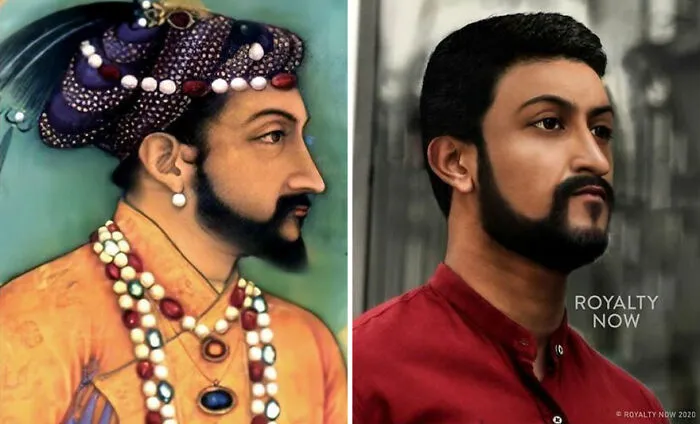
Shah Jahan was the 5th Mughal emperor, coming after Bâbur, Humâyûn, Akbar, and Jahângîr, his father (hopefully all will be created as future subjects!). As a child, he was very intelligent and showed promise very early in life. Taking over the throne in 1628, Shah Jahan is considered to be one of the most successful Mughal emperors - reigning for 30 years. The empire thrived under his long rule. He is most famously known for constructing the Taj Mahal for his late wife Mumtaz Mahal and being a great constructor of monuments.
Report
22points