
Bored Panda
Historical Records: 41 Notable Facts For Every History Lover
CuriositiesJAN 28, 2026

Historical Records: 41 Notable Facts For Every History Lover

0
0
History is sometimes labeled as boring, reminding people of school days spent memorizing endless dates and reading through textbooks. But what if it could be genuinely exciting?
There’s an Instagram account called ‘How History Looks’ that proves it can. With over 1 million followers, this page shares fascinating photos and intriguing facts from the past. Curious to see what George Washington’s teeth looked like, what you could order from an old McDonald’s menu, or how students lived in an early 20th-century dorm? Look no further: these pics and more are waiting for you below.
Click here & follow us for more lists, facts, and stories.

#1

Volvo invented the three-point seatbelt in 1959 and shared the patent to save lives, a key history fact.
Report
0points

If history can indeed be interesting, why is it not commonly treated as such? Experts believe the issue lies in how it’s taught—mainly through textbooks. In his book Lies My Teacher Told Me: Everything Your American History Textbook Got Wrong, sociologist and historian James W. Loewen explains why they fail to capture our imagination:

“The stories that history textbooks tell are all predictable; every problem has already been solved or is about to be solved,” he writes. “Textbooks exclude conflict or real suspense. They leave out anything that might reflect badly upon our national character. When they try for drama, they achieve only melodrama, because readers know that everything will turn out fine in the end.”
#2

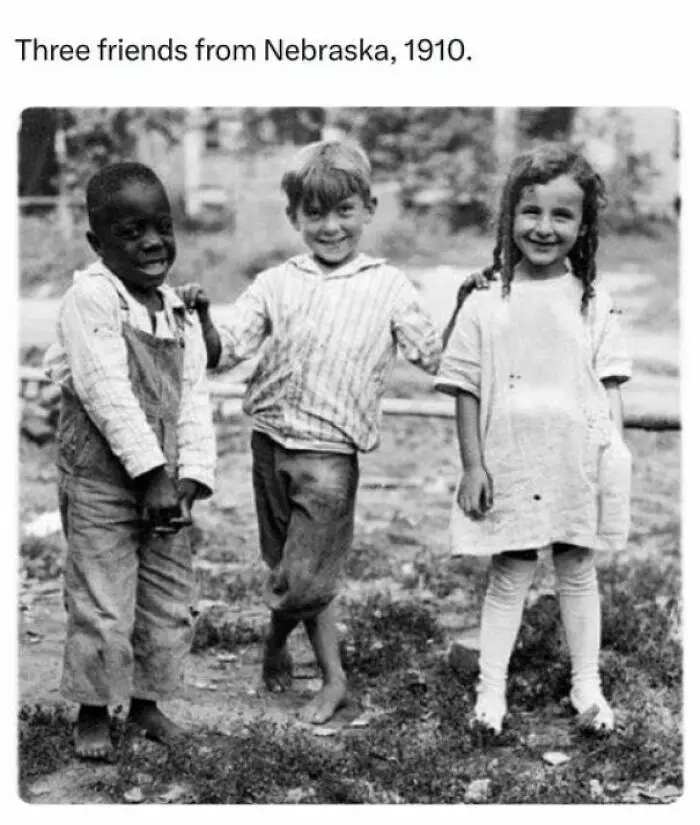
Three friends from Nebraska in 1910, a historical photo shared by a popular history facts page.
Report
0points

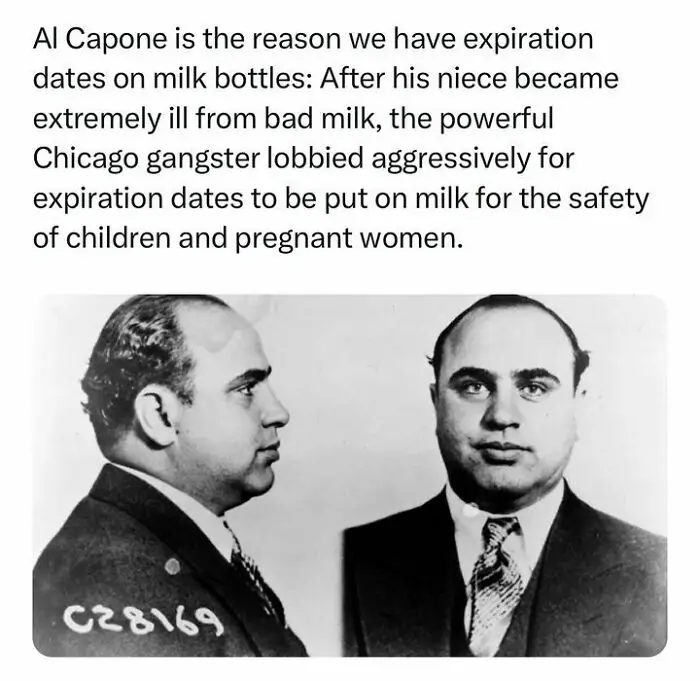
#3

Black and white mugshot of Al Capone with a fact about his influence on milk expiration dates for safety, history facts.
Report
0points

“Textbooks also keep students in the dark about the nature of history. History is furious debate informed by evidence and reason. Textbooks encourage students to believe that history is facts to be learned,” Loewen adds.

Studying it this way meets a certain need—“a need that should not exist”—to simply absorb information in order to pass standardized tests. “It is the need for teachers who are not, first and foremost, teachers of history or social studies,” Loewen says.
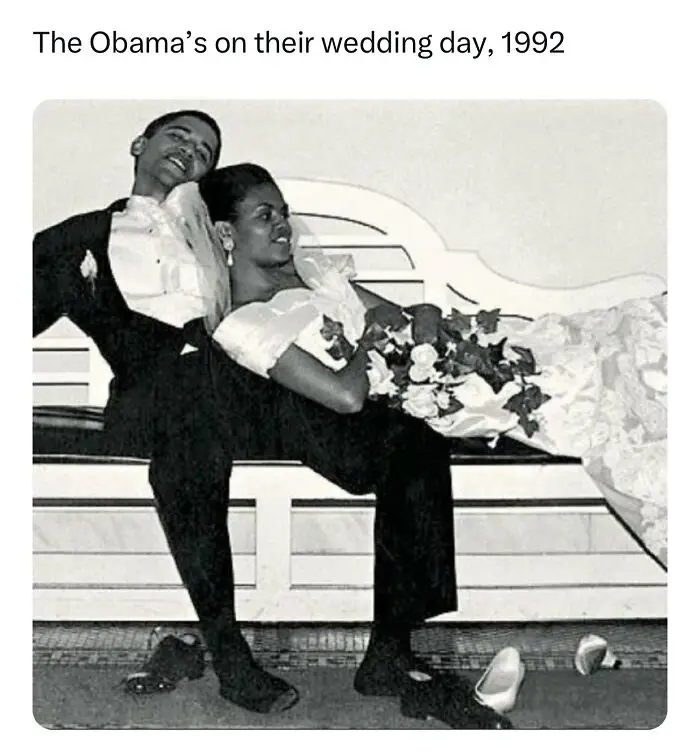
#4

Black and white photo of a couple on their wedding day, representing history facts about over 1M followers.
Report
0points

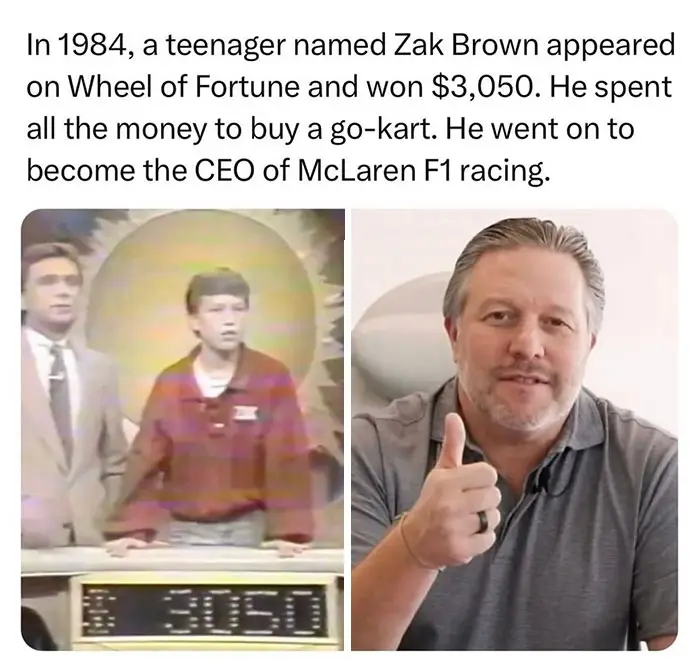
#5

Side-by-side images of Zak Brown as a teenager on Wheel of Fortune and as McLaren F1 racing CEO, history facts.
Report
0points

David Cutler, a teacher of history and journalism at Brimmer and May in Chestnut Hill, Massachusetts, calls textbooks intimidating. They’re typically massive, around 1,000 pages long. “With so much dense, mind-numbing text, too many students give up trying to understand what’s really important,” he says.


#6

Historic moment in 1996 with leaders exchanging nuclear weapons agreement, featured in popular history facts page.
Report
0points

#7

Text about Super Mario's name origin and tribute to Mario Segale, with images of Super Mario figure and the real businessman.
Report
0points

#8

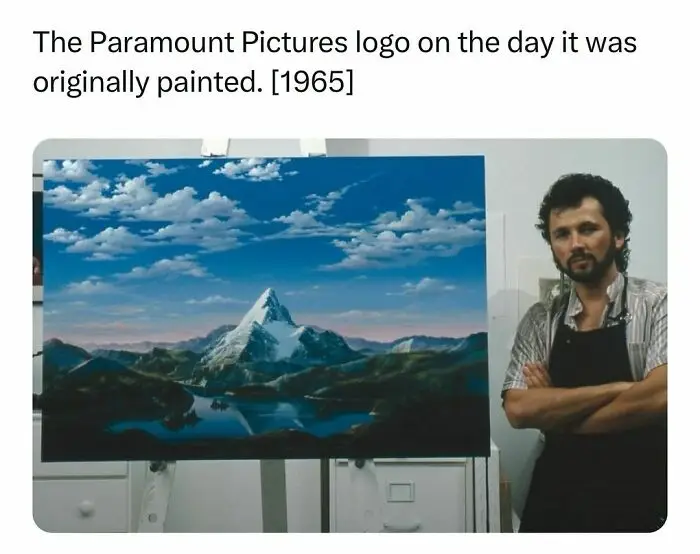
Painter standing next to the original 1965 Paramount Pictures logo mountain painting, a notable history fact.
Report
0points

“None of the facts is remembered, because they are presented simply as one [darn] thing after another,” Loewen notes. He drives the point with a simple metaphor, “While textbook authors tend to include most of the trees and all too many twigs, they neglect to give readers even a glimpse of what they might find memorable: the forests”.

#9

A black and white photo of a mother with her eight sons in military uniforms, a rare historical family moment.
Report
0points

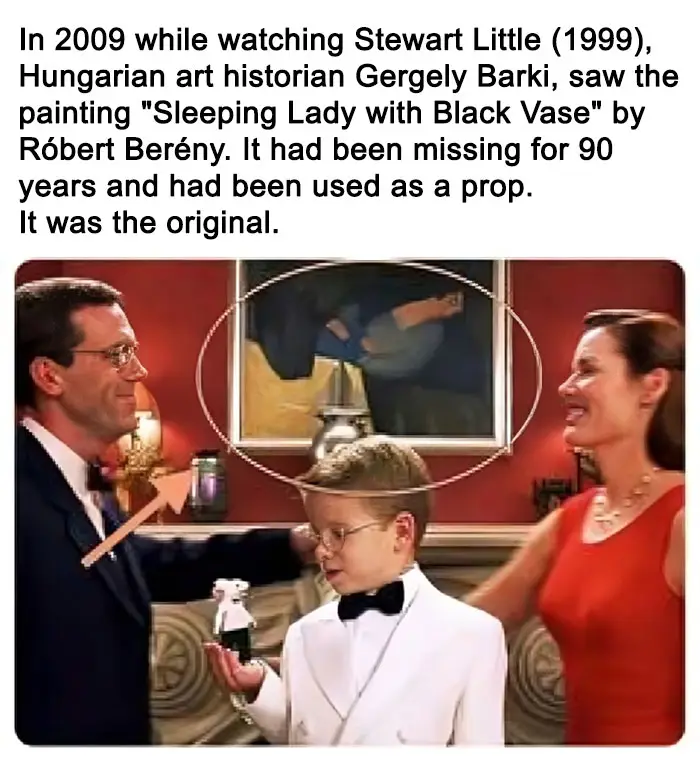
#10

Scene from Stewart Little showing a boy in a white tuxedo, adults, and the hidden original history painting in the background.
Report
0points

#11

Black man rides bus for white passengers only in Durban, South Africa, resisting apartheid, part of daily history facts followed by 1M people.
Report
0points

History truly comes alive when it feels tangible and allows you to make your own conclusions instead of blindly following someone else’s retelling of events. Photos, records, speeches, songs, even old newspapers, diaries, and letters—these are all ways to connect with the past in a personal and thought-provoking way.
#12

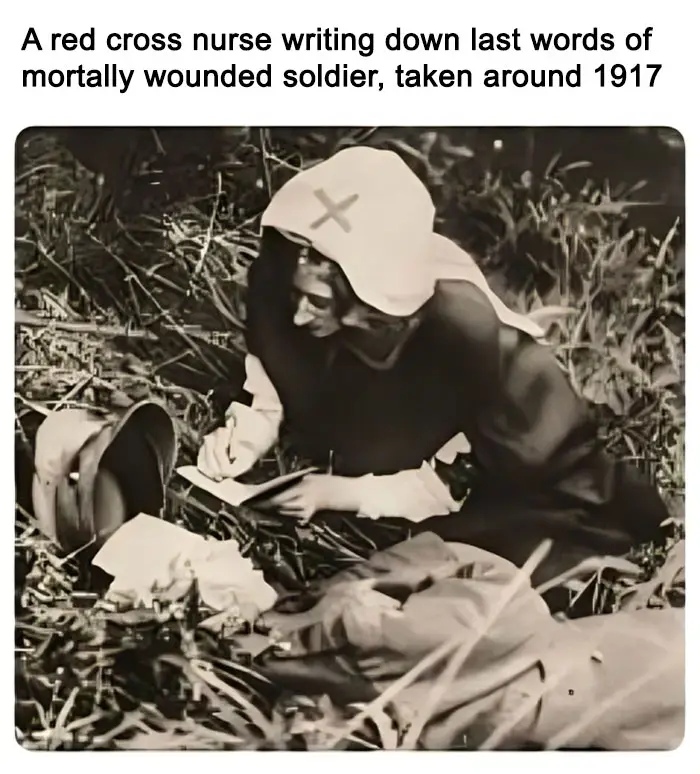
Red cross nurse writing last words of wounded soldier on battlefield, historical moment included in daily dose of history facts.
Report
0points

#13

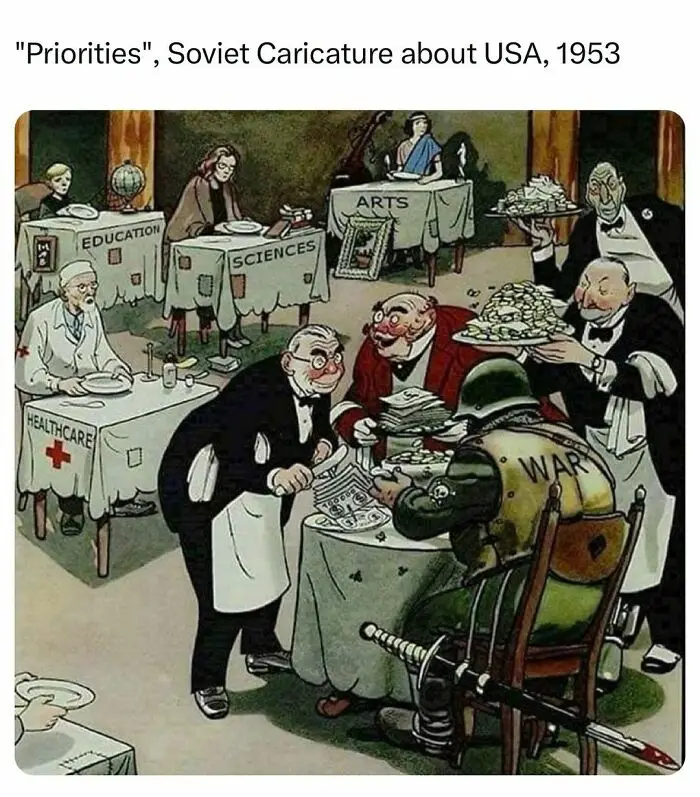
Soviet caricature showing USA priorities with war receiving the most attention over education, sciences, arts, and healthcare.
Report
0points

#14

Võ Thị Thang smiling after sentencing with guards nearby, featured on a popular history facts social media page.
Report
0points

Kyle Blackmer, a humanities teacher at The Heights School, shows how just a few photos can turn history into an immersive experience. For example, when teaching about the American Civil War, he lines up portraits of generals and asks students to describe their personalities based on their appearance.

“Seeing the proud, manicured, Napoleonic McClellan, the melancholic, humble Grant, and the anxious, intense Sherman all side by side is a great primer for studying the differences in leadership between these three and sets up a deeper look at their actions in the war,” he explains.
#15

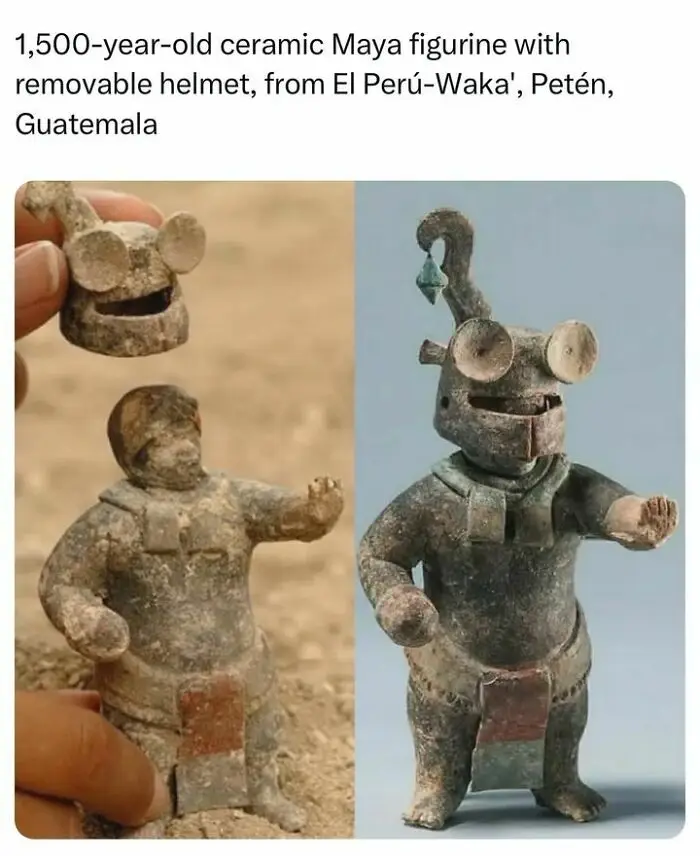
Ancient 1,500-year-old ceramic Maya figurine with removable helmet from El Perú-Waka', featured in daily history facts.
Report
0points

#16

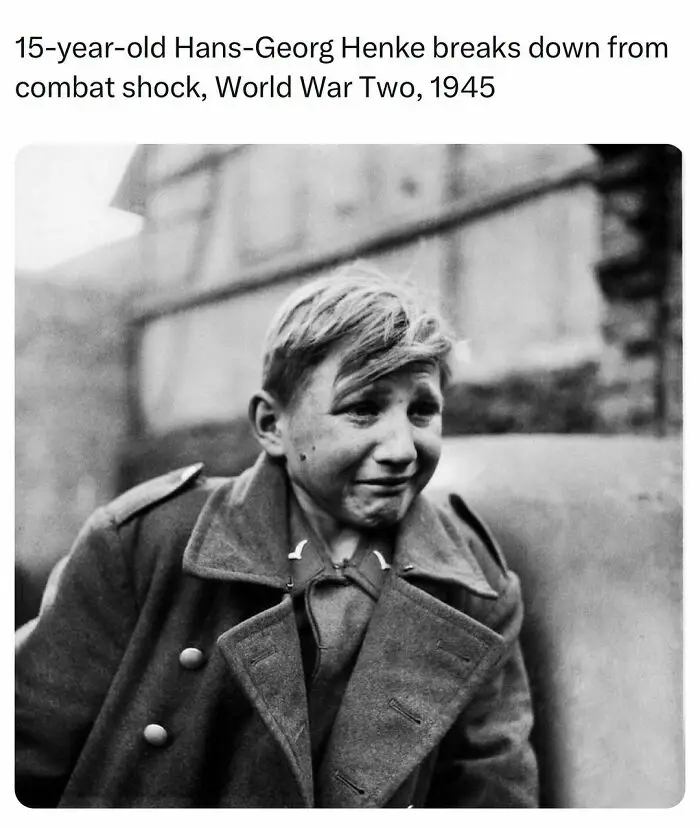
15-year-old soldier shows emotional combat shock during World War Two in a powerful history facts moment.
Report
0points

#17

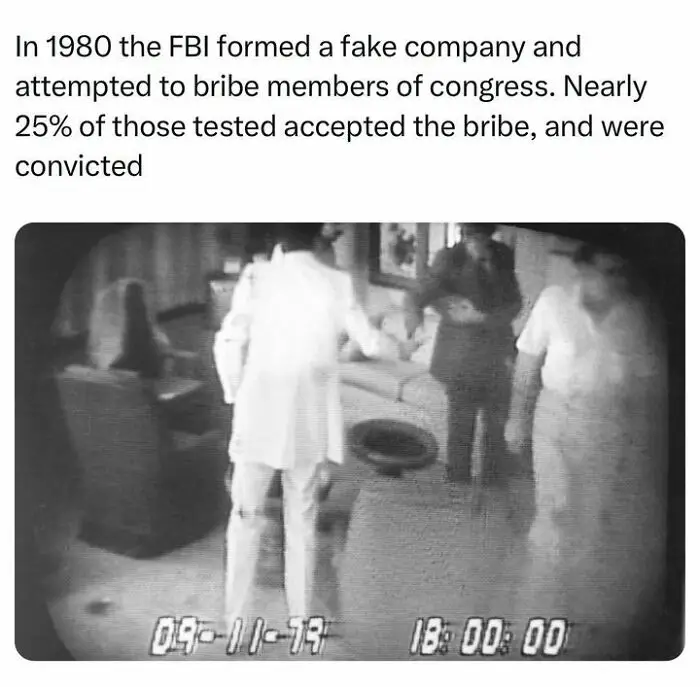
Black and white photo showing the FBI bribery sting in 1980, part of popular history facts shared daily by over 1M followers.
Report
0points

Truth is, it’s natural for humans to be curious about the past. We have an innate drive to explore what came before us, something that 16th century British antiquarian William Camden described as a “back-looking curiositie”. Psychologists refer to this as epistemic curiosity—a thirst for knowledge that motivates us to discover new ideas and learn.

#18

Young student at Princeton University in the 1980s, featured on a popular history facts page with over 1M followers.
Report
0points

#19

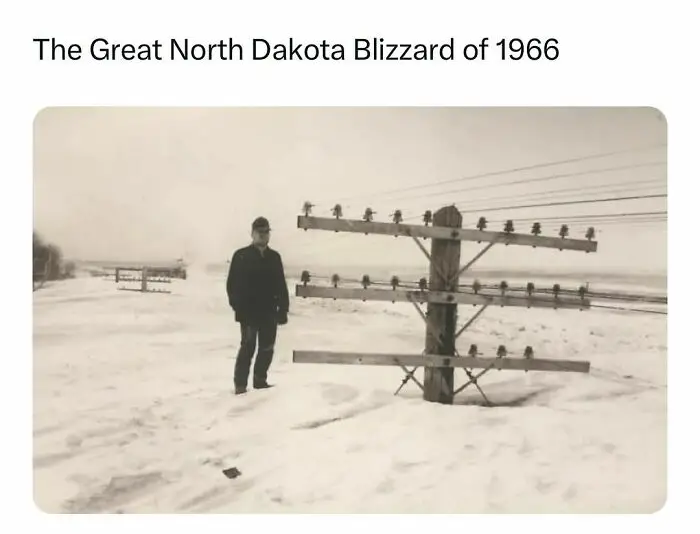
Historic image of the Great North Dakota Blizzard 1966 showing deep snow and a man near a telephone pole winter landscape, history facts.
Report
0points

#20

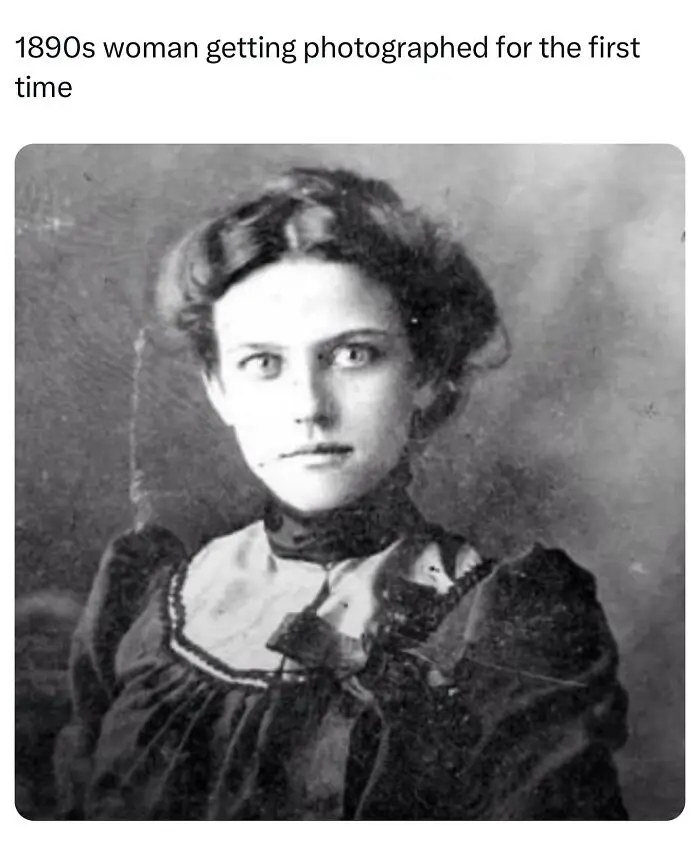
1890s woman in vintage dress captured in historic moment, shared by history facts page with over 1M followers daily.
Report
0points

So when people have the opportunity to engage with history in an enjoyable way, their enthusiasm shines through. According to a survey by Conner Prairie, 91% of Americans are eager to visit history museums that promise to spark their curiosity and offer fun ways to learn. Moreover, 89% are interested in museums that help them feel more connected to the past, giving them insights into both today’s world and the future.

Add New Image

Not your original work?

0
0