

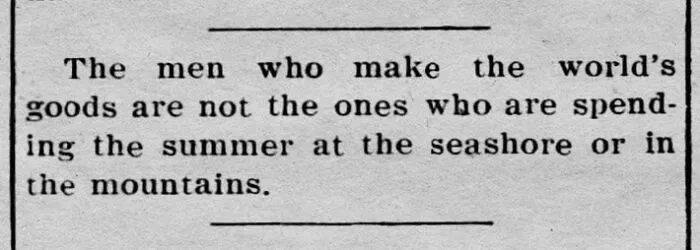
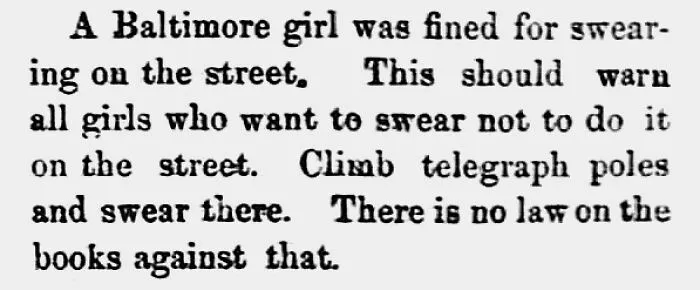
Newspapers have been around for a surprisingly long time. According to the World Association of Newspapers, Relation aller Fürnemmen und gedenckwürdigen Historien is officially recognized as the world’s oldest newspaper ever printed.
In English, the Relation’s German name translates to “Account of all distinguished and commemorable news.” Printer Johann Carolus produced the newspaper in Strasbourg, Germany, in 1605.
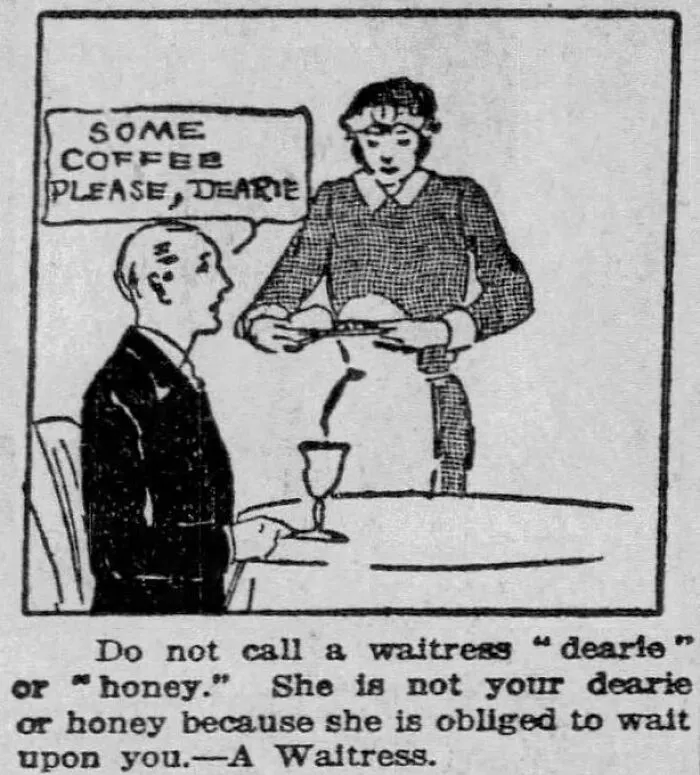
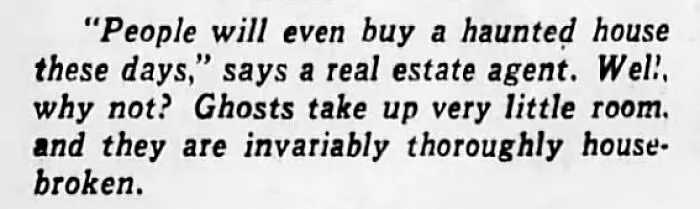
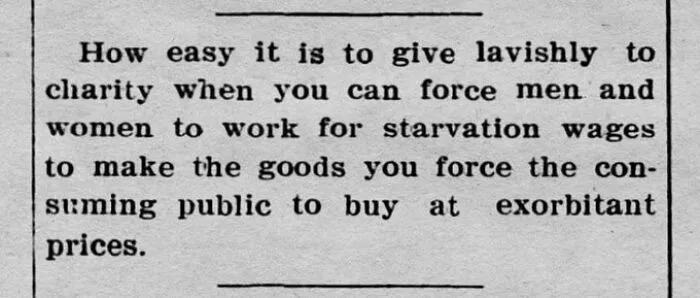
You might be wondering what exactly people read centuries ago. Well, it was a little bit of everything. Historical newspaper collections contain political news, local events, business information, advertisements, social announcements, sports, obituaries, comics, and stories about major events of the day.
Newspapers back then did not just focus on major historical moments. They also covered the everyday stuff that mattered to ordinary readers, which is part of what makes these old clippings so much fun to look through now.
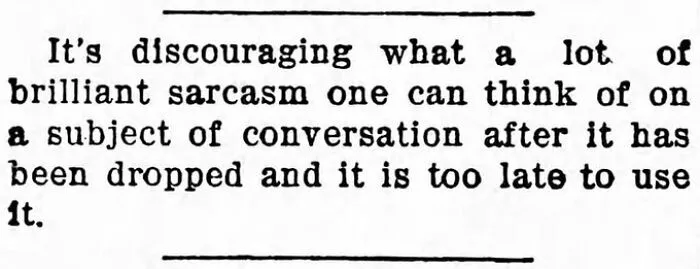
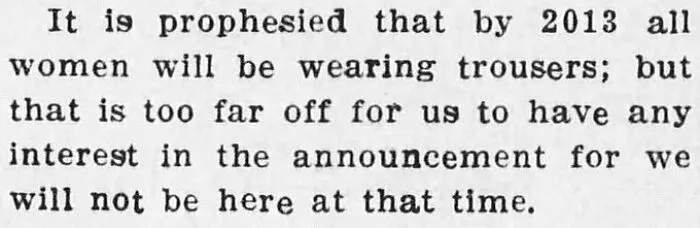
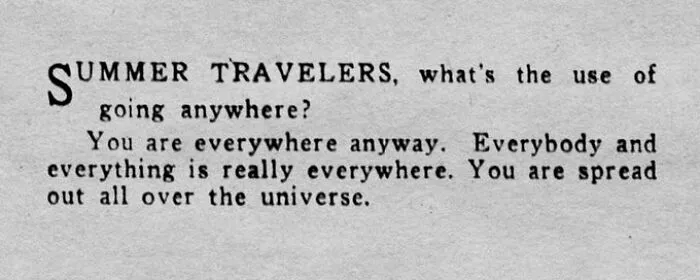
Local news can be revealing because it brought history down to a very human level. An old newspaper might tell you what was happening in a particular town, what businesses were advertising, which events were taking place, or what people were talking about in their communities.
These details felt completely ordinary when they were printed. Years later, though, they become tiny snapshots of how people actually lived. A major historical event can tell you what happened. But an old newspaper can also show you what people were buying, worrying about, celebrating, and arguing over while it was happening.
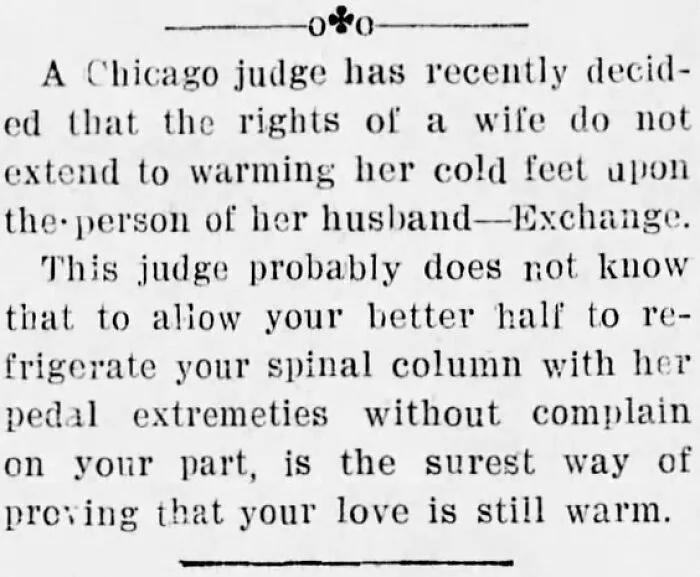
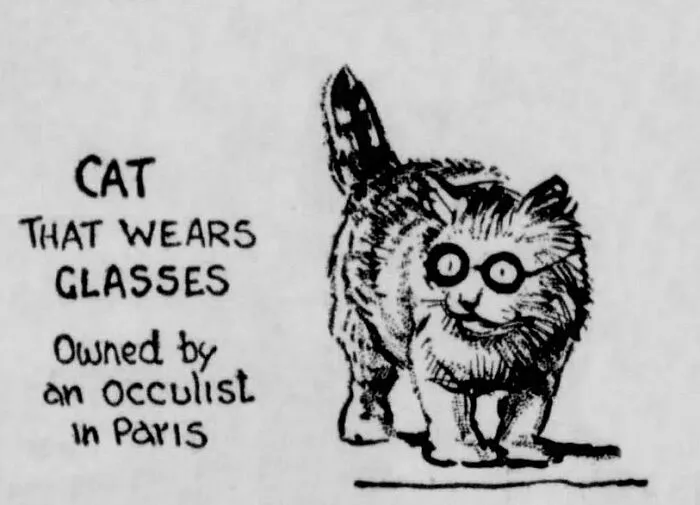
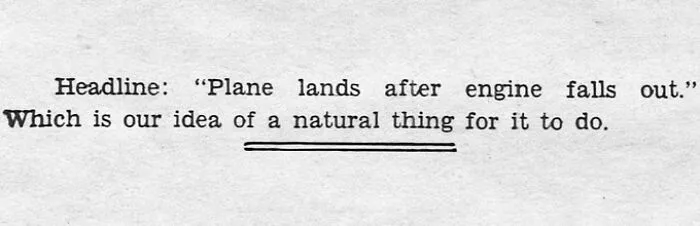
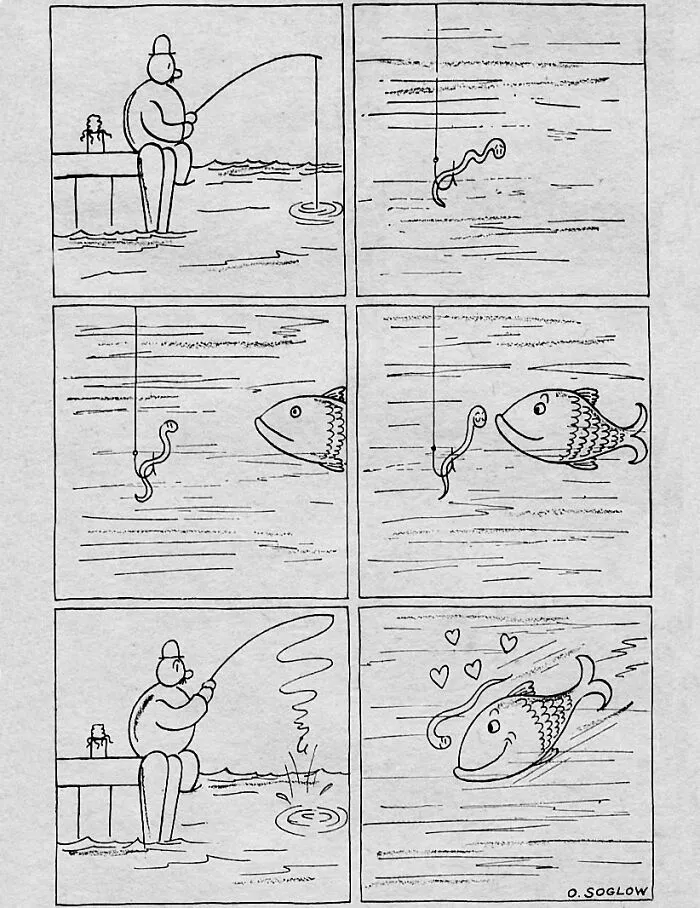
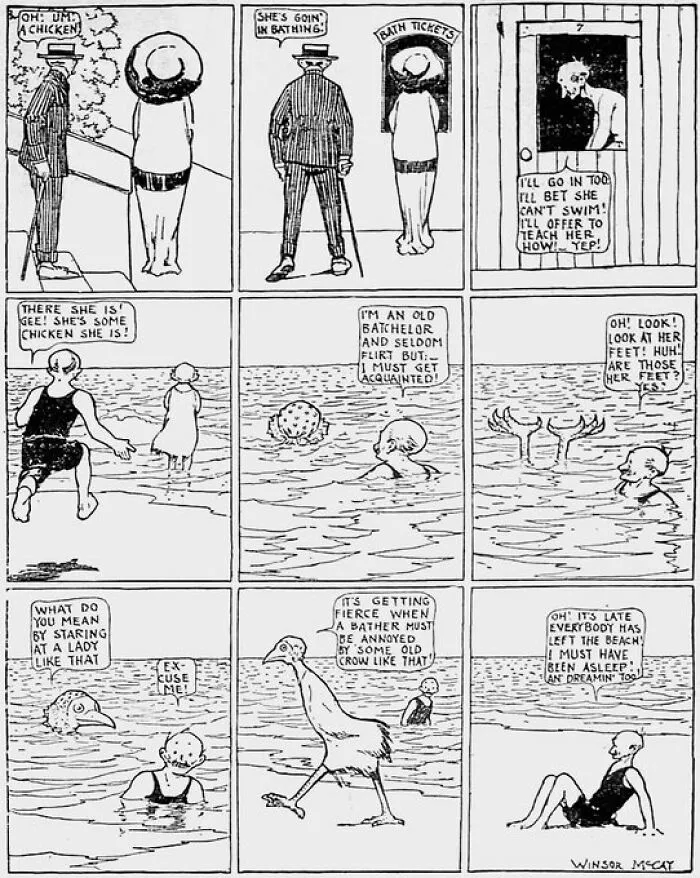
Humor and cartoons became an important part of newspaper culture, giving readers something fun to look at alongside all the serious news. Richard Felton Outcault’s The Yellow Kid is a good example.
The character first appeared in the New York World in 1896 as a little boy in a bright yellow nightshirt, and the cartoon became so popular that other newspapers soon followed with their own comic characters. Outcault even added slangy messages to the character’s shirt, giving readers another reason to stop and read.
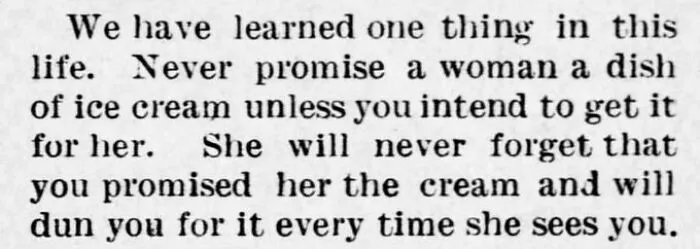
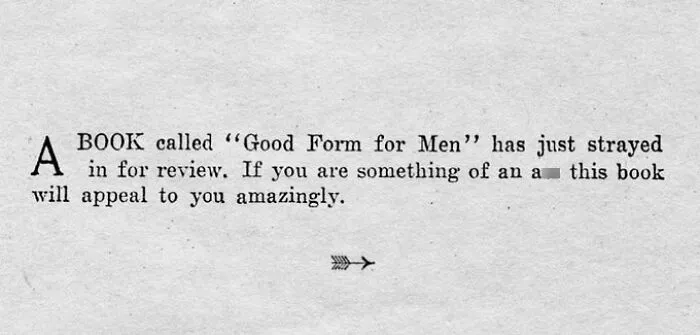
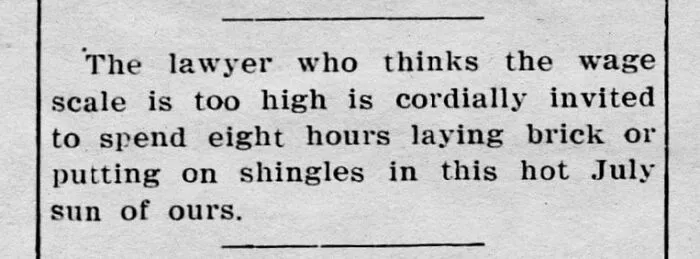
Historical newspapers are packed with advertisements for businesses, products, services, jobs, property, and pretty much anything else someone was hoping to buy or sell. Newspaper advertising has been around for centuries, giving businesses a way to get their products in front of readers while helping newspapers make money too.
Looking at those old ads today is like getting a little peek into what people were shopping for back then. From household goods to jobs and property, they show what people needed, wanted, and were willing to spend their money on.
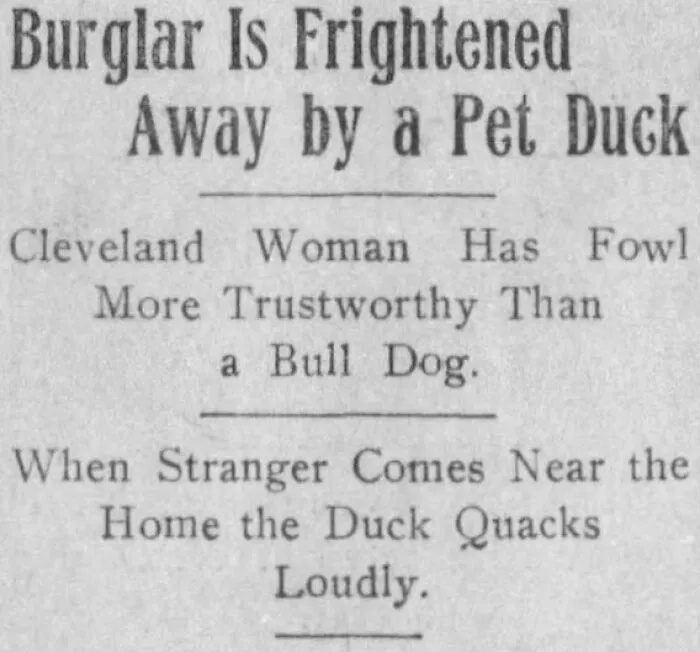
These old publications carried political news and commentary alongside stories about society, business, culture, and local affairs. Some papers were closely tied to particular political viewpoints, so they could show readers not only what was happening, but also how they were encouraged to interpret it.
The British Library’s records, for example, show newspapers with clearly stated political leanings and strong involvement in political debates. So while the names, parties, and issues have changed over the years, people having very strong opinions about politics is one tradition that has clearly survived.