
Dr. Krauss Whitbourne goes on to explain that being gullible is likely not just a lack of critical thinking; it may actually be out of an individual’s control. If someone is low on the facet of social intelligence that allows most of us to spot a scam or realize when a romantic partner is not being completely genuine, they might always be gullible. These same people tend to also be highly influenced by persuasion tactics, such as a charming and convincing salesperson, Dr. Krauss Whitbourne notes. “Later on, you regret having given in to these people because neither the deal nor the partner were as good as they sounded in the heat of the moment,” she writes. “It’s not that the offer was necessarily based on false pretenses, but that you became pressured by their highly manipulative tactics into a decision that was not exactly ideal.”


For individuals who are particularly gullible, it may help to score themselves on the scale developed by Alessandra Teunisse and her colleagues. Including 12 statements that participants can score themselves between 1-7 on (1 being strongly disagree and 7 being strongly agree), this test features two factors: persuadability and insensitivity to untrustworthiness cues. Some of the test’s statements include: “I’m pretty good at working out when someone is trying to fool me”; “I’m not that good at reading the signs that someone is trying to manipulate me”; “My family thinks I am an easy target for scammers”; and “People think I’m a little naïve”.
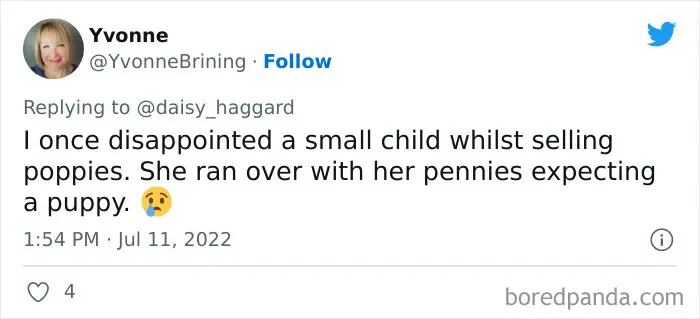
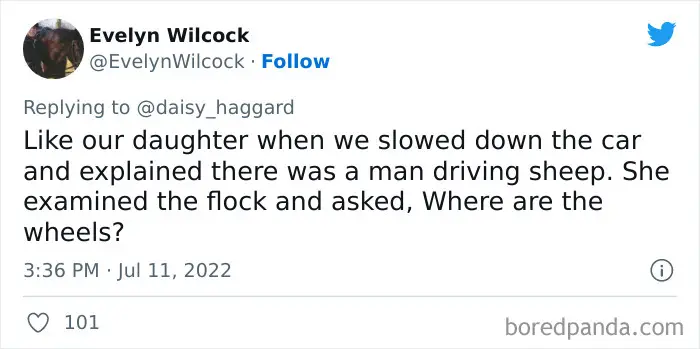
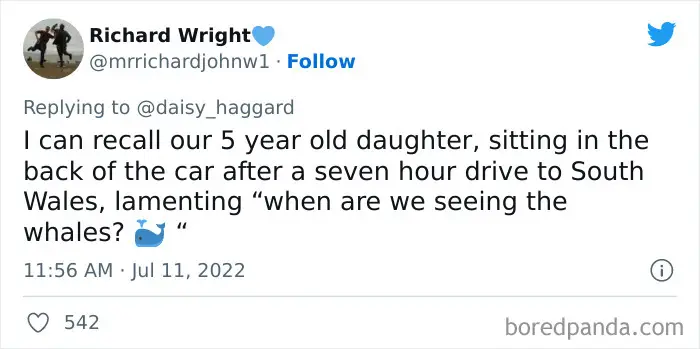
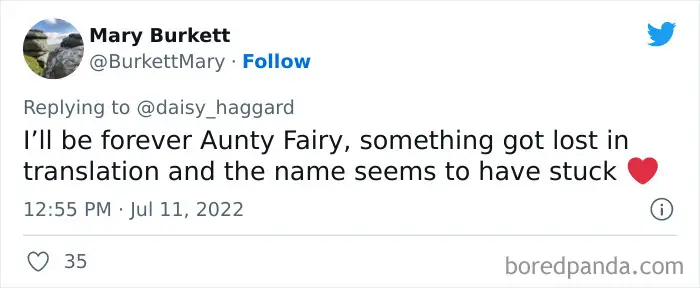
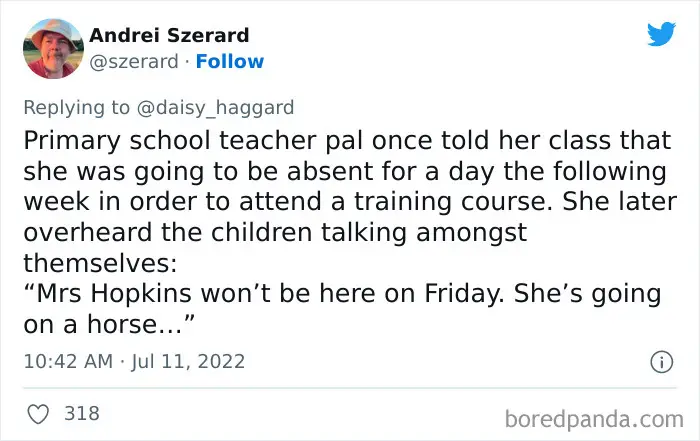
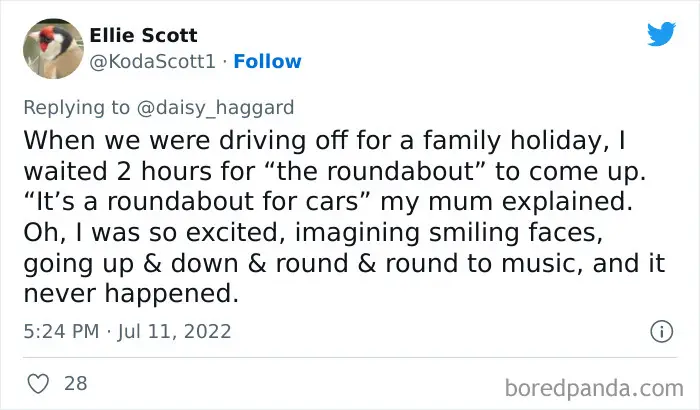
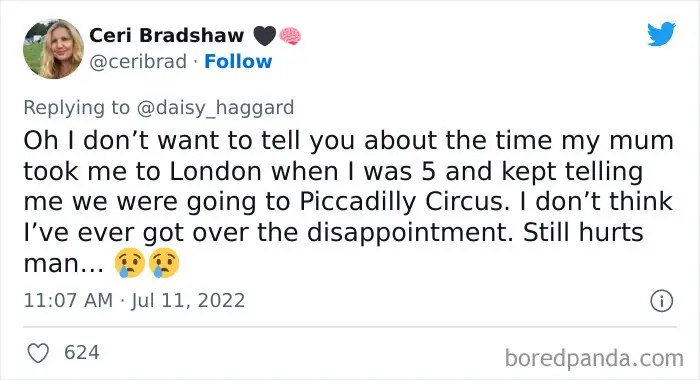
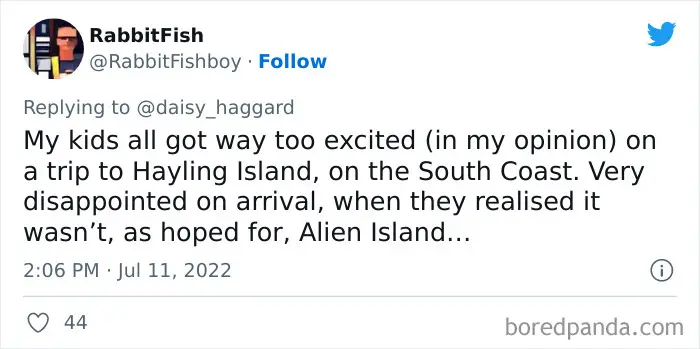
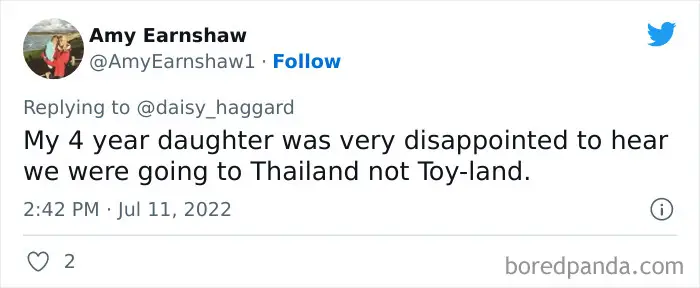
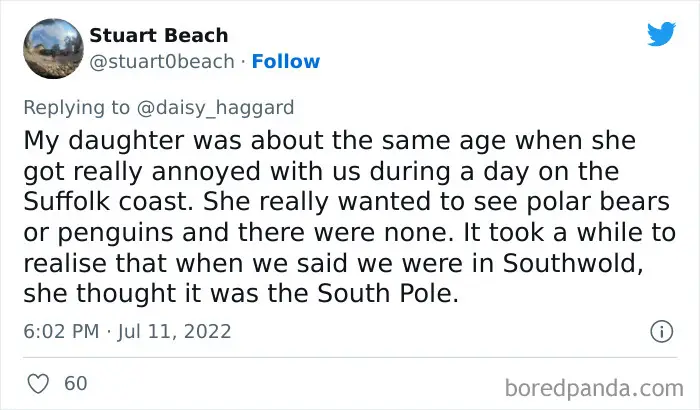
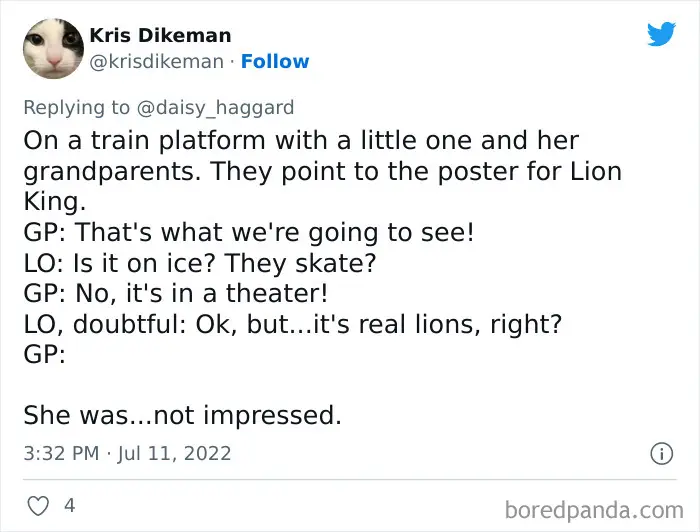
Whether this list is bringing back memories from your own childhood or reminding you of all the times you unintentionally misled your own kids, we hope you are enjoying these hilarious misunderstandings. Be sure to keep upvoting your favorite tweets so your fellow pandas catch the best ones, and then let us know in the comments if you have any personal stories that could have made it onto this list. Then if you want to hear even more funny things kids have said, check out this Bored Panda story next.