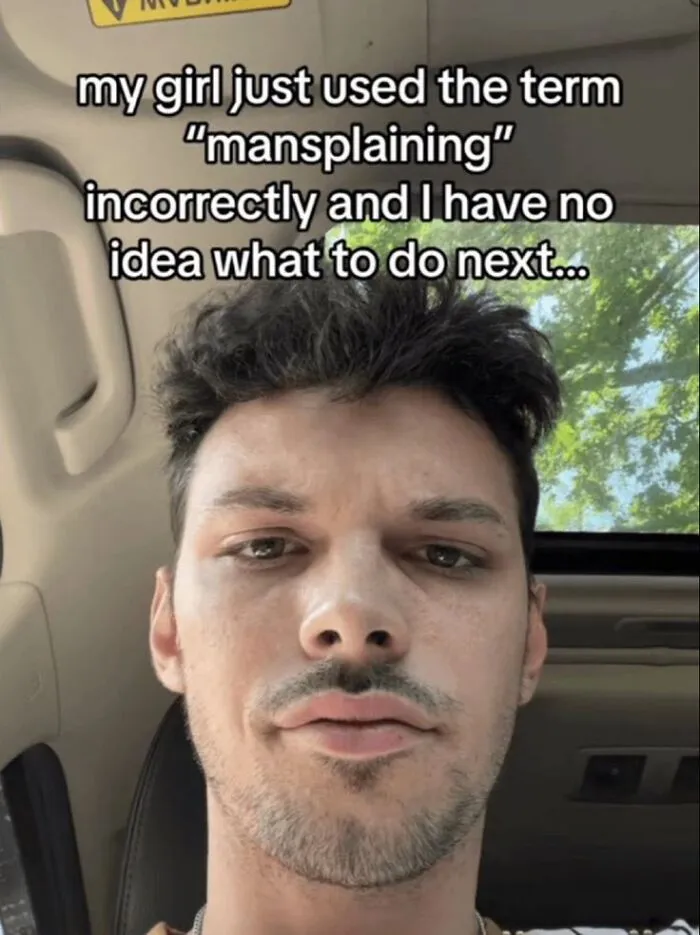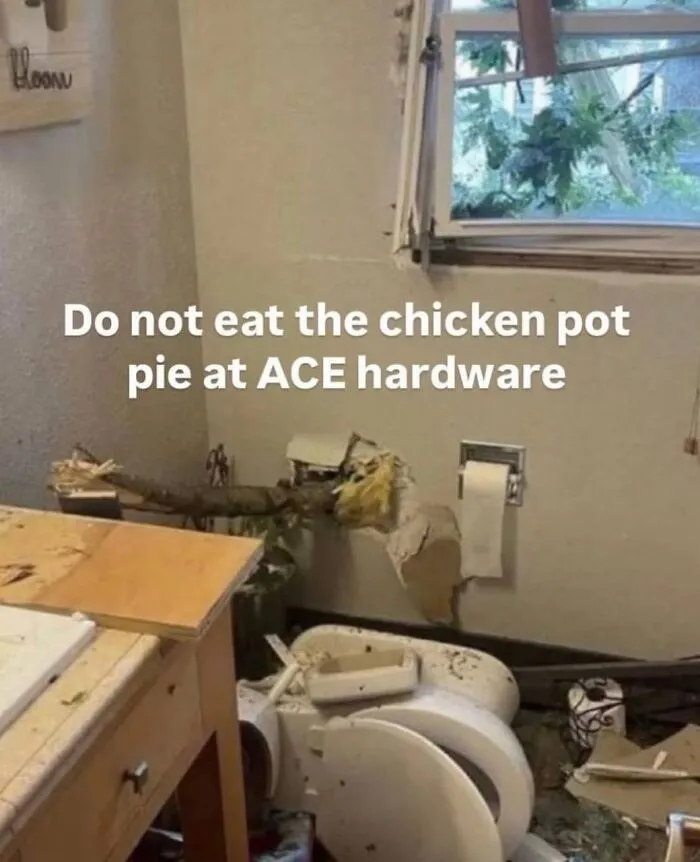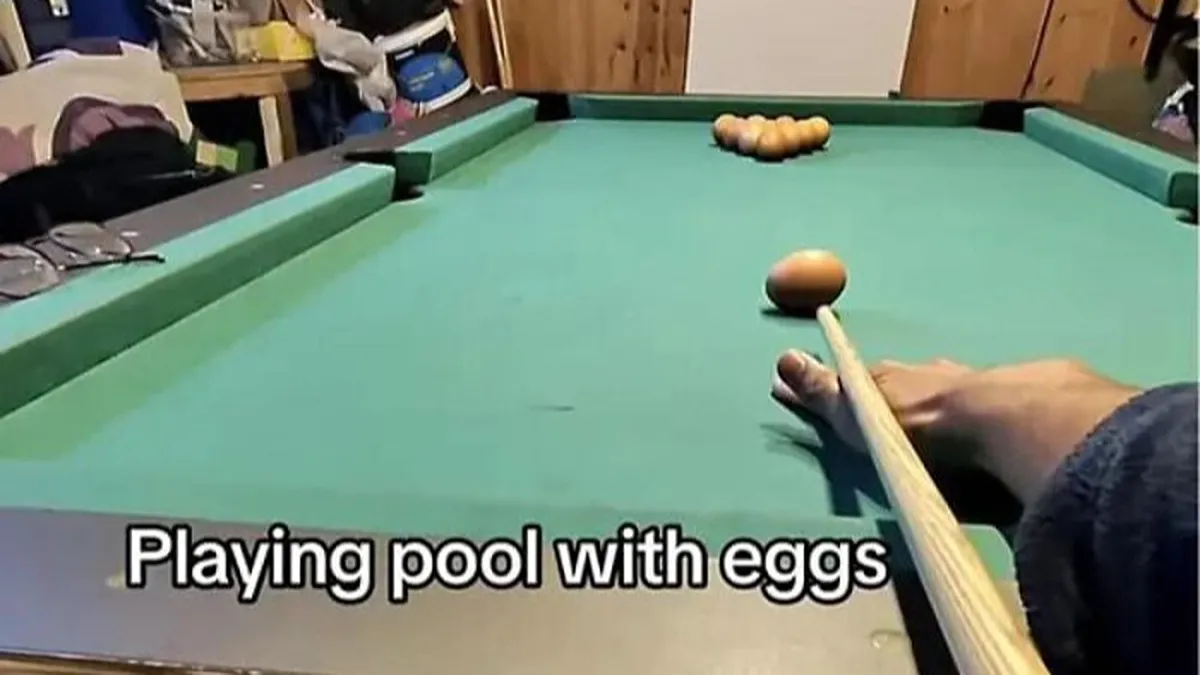

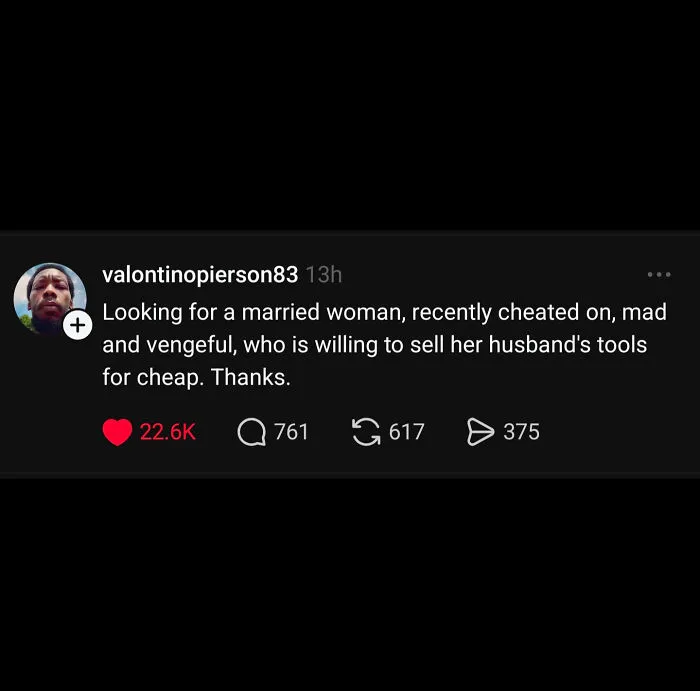
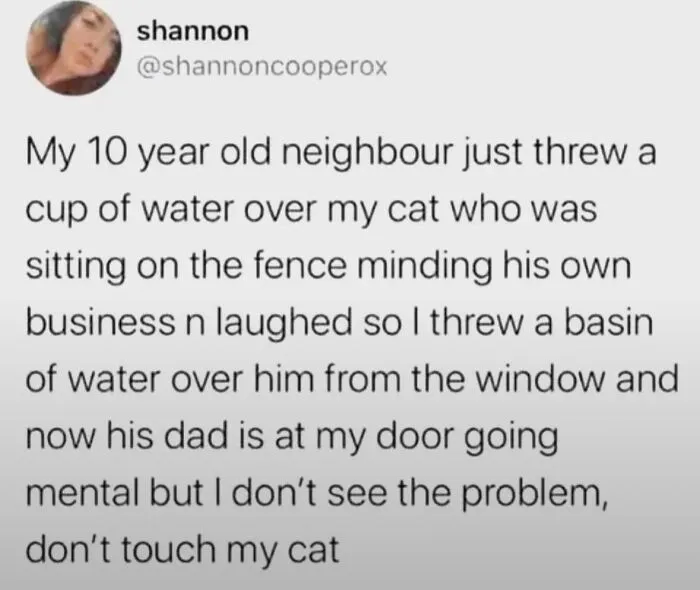
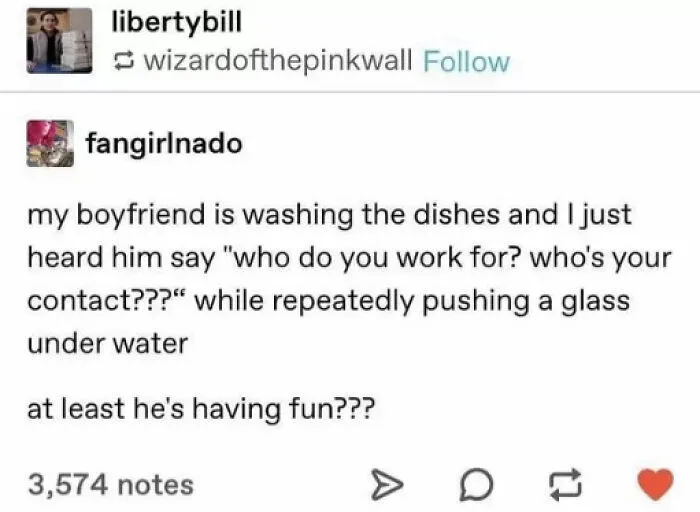
A photo of a man in a fancy suit holding a rotisserie chicken in a kiddie pool is already funny. Add a caption explaining that the pool was a gift and the chicken was dinner, and suddenly it is just a Tuesday. Take the explanation away and the joke roars right back. That odd little effect has more serious research behind it than you might expect, and it starts with a question philosophers have been chewing on for centuries.
The most popular answer is called incongruity theory, which the Stanford Encyclopedia of Philosophy lists among the three big traditional explanations of humor, and which many modern researchers lean on most. The idea is that we laugh when something breaks the pattern our brain was expecting.
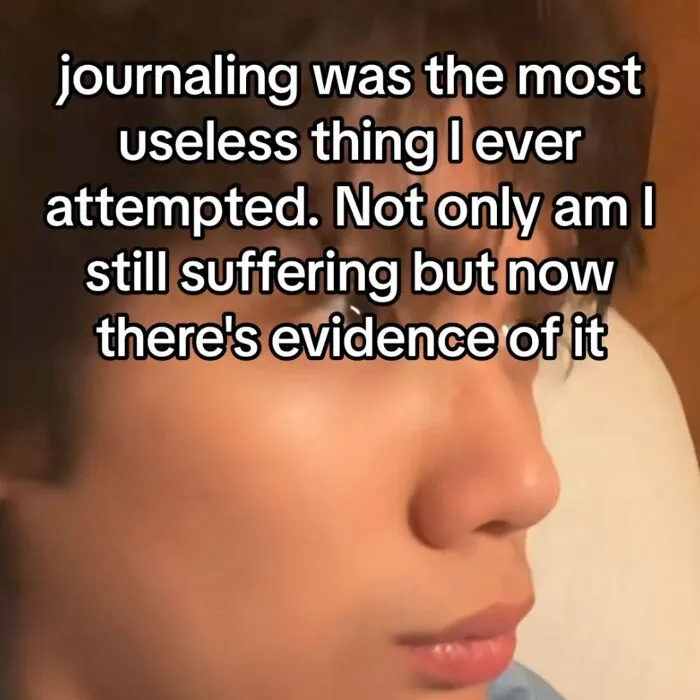
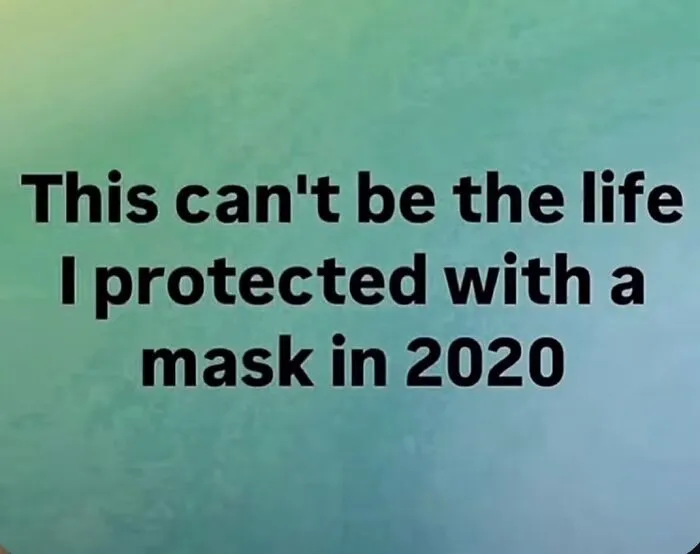
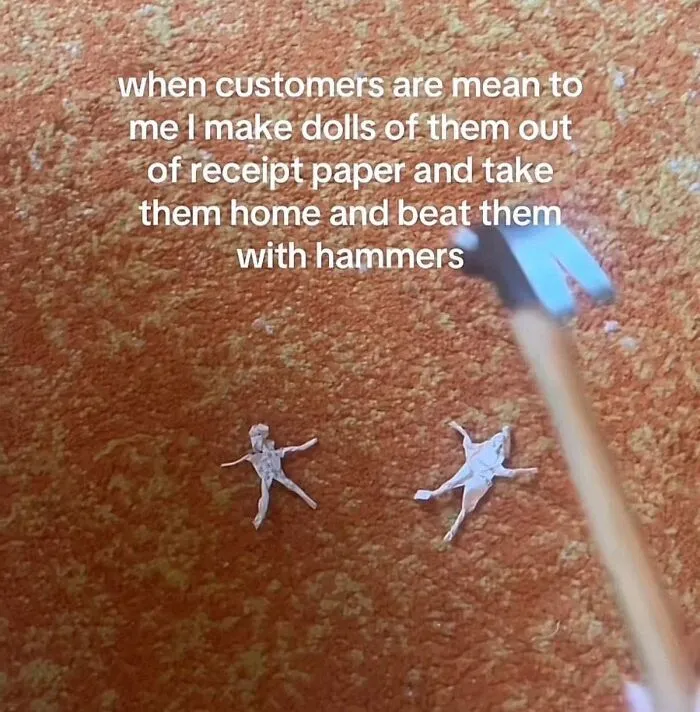
Kant described comedy as a stretched expectation that suddenly collapses into nothing, and he even stuck a few jokes into his famous Critique of Judgment to show it off. A no context picture is incongruity at its most concentrated. It hands you a puzzle, refuses to give you the answer, and lets your brain stumble around in the gap. That half second of confusion followed by a delighted shrug is the whole show.
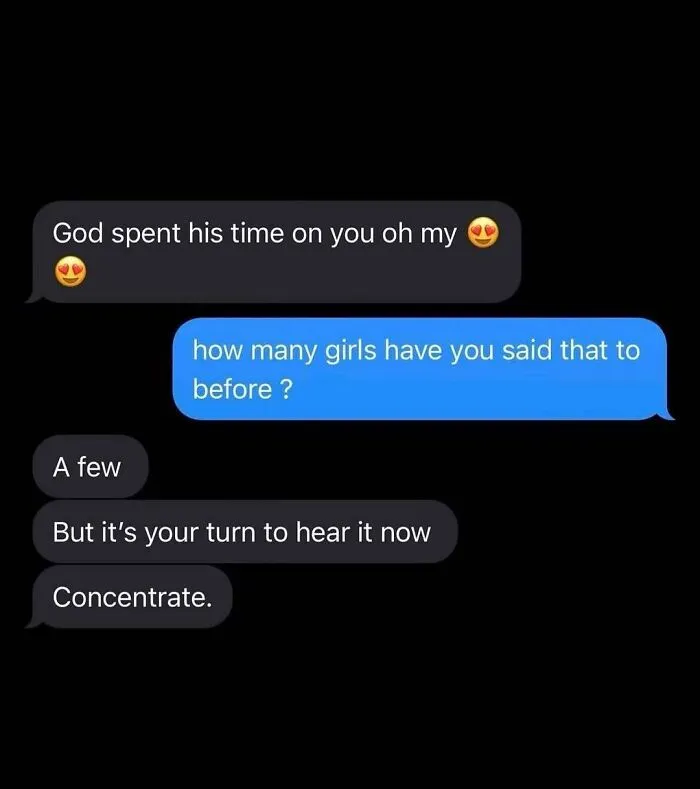
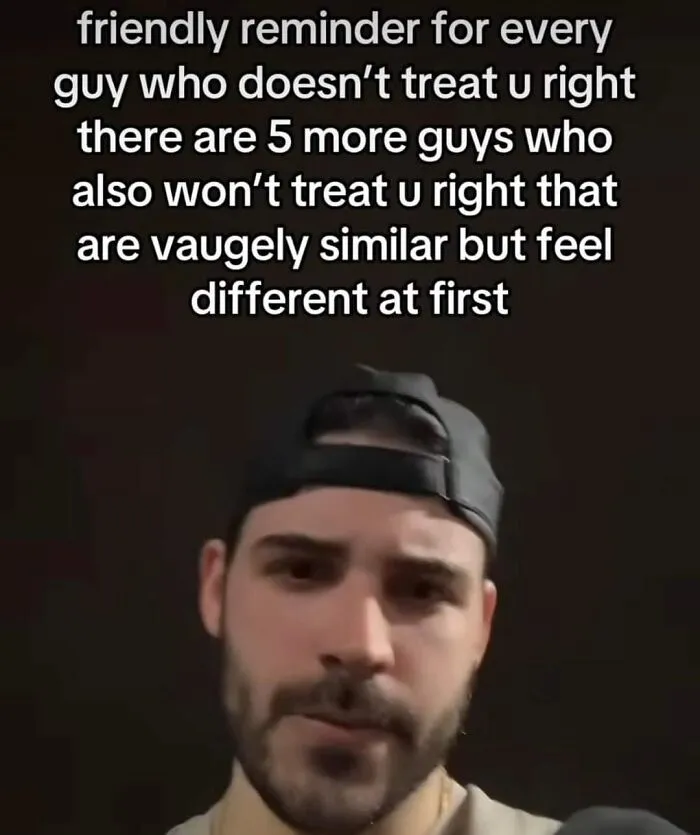
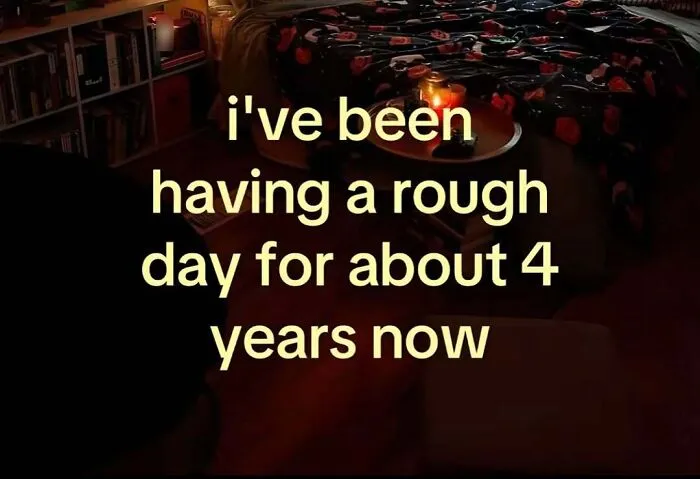
Surprise alone is not enough though, because a truly alarming picture is not funny, it is just alarming. That is where the benign violation theory comes in. Researchers Peter McGraw and Caleb Warren, who tested the idea through McGraw’s Humor Research Lab in Boulder, Colorado, argue that humor appears when something seems wrong and perfectly safe at the same moment.
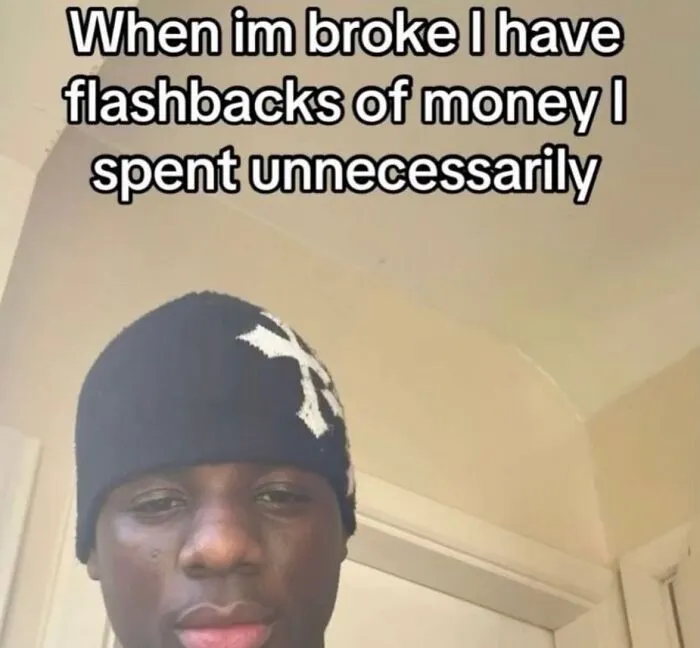
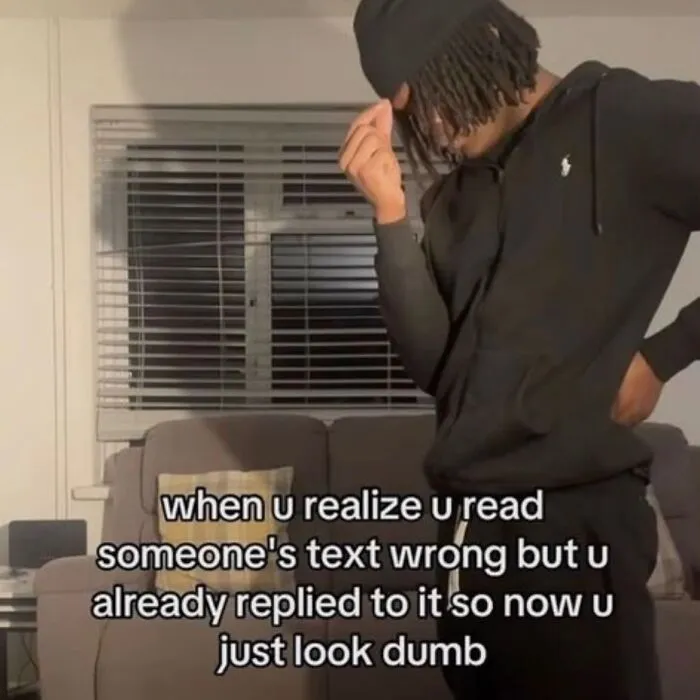
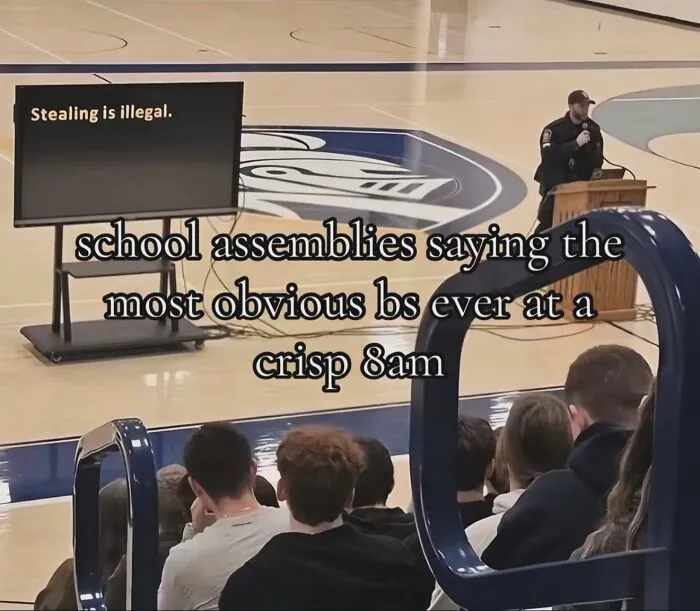
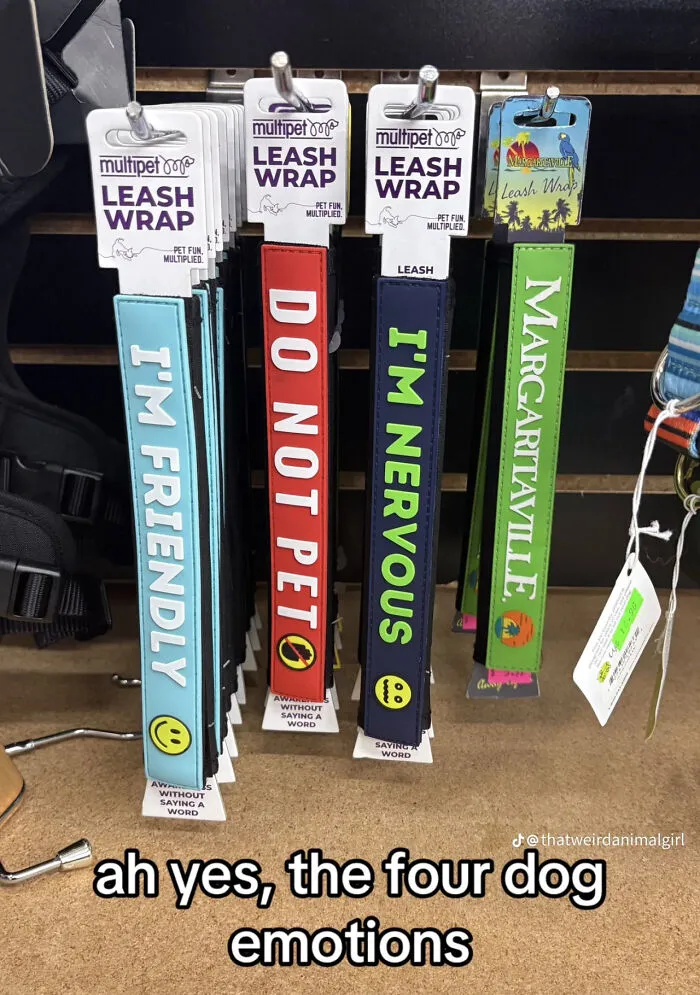
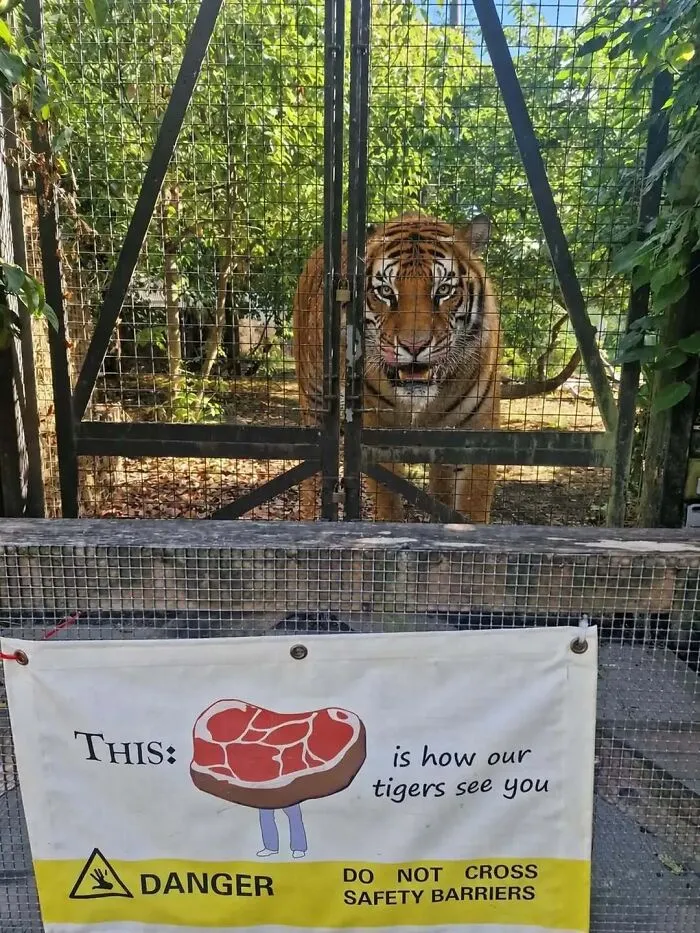
Tickling and play fighting are classic examples, since both stop being funny the instant the attack ends or gets too real. No context content lives in that sweet spot. A sheep standing in a school hallway breaks the rules of how the world should look, but it is also just a screenshot, so nobody is in danger and the mood stays friendly.
#14
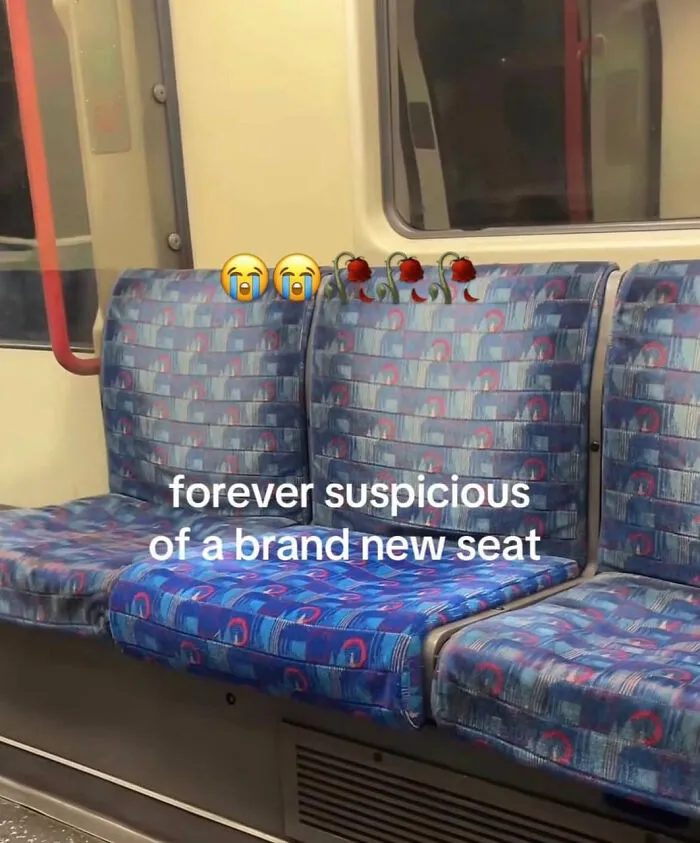
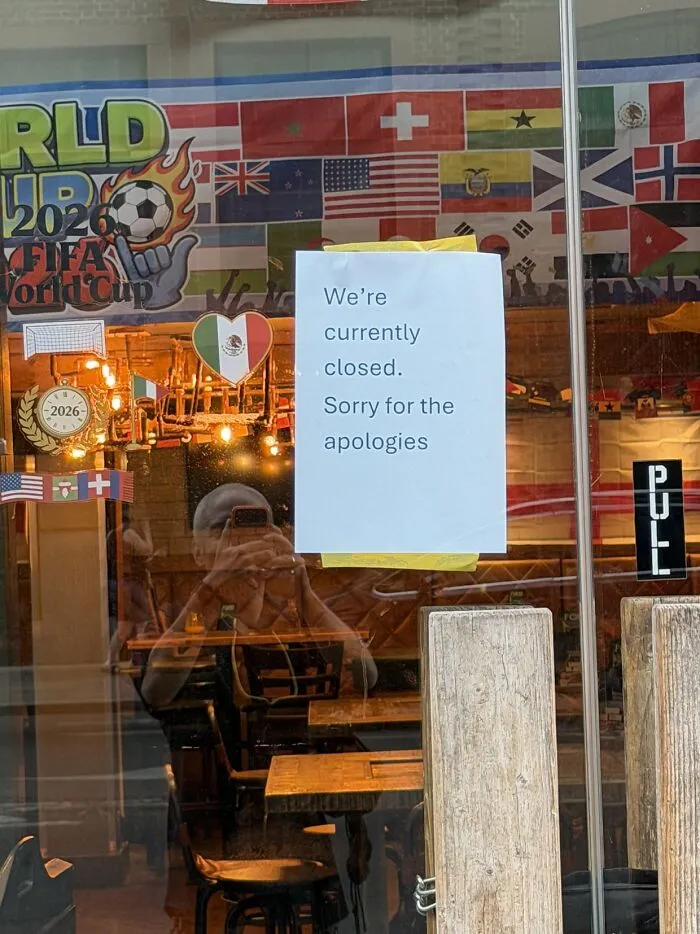
The format itself has a fun backstory too. According to Know Your Meme, one of the earliest known examples was a Tumblr blog called Out of Context Science, which started posting in December 2010. In November 2013 came NYT Minus Context, a Twitter account that lifted sentences from New York Times stories and posted them without their surroundings.

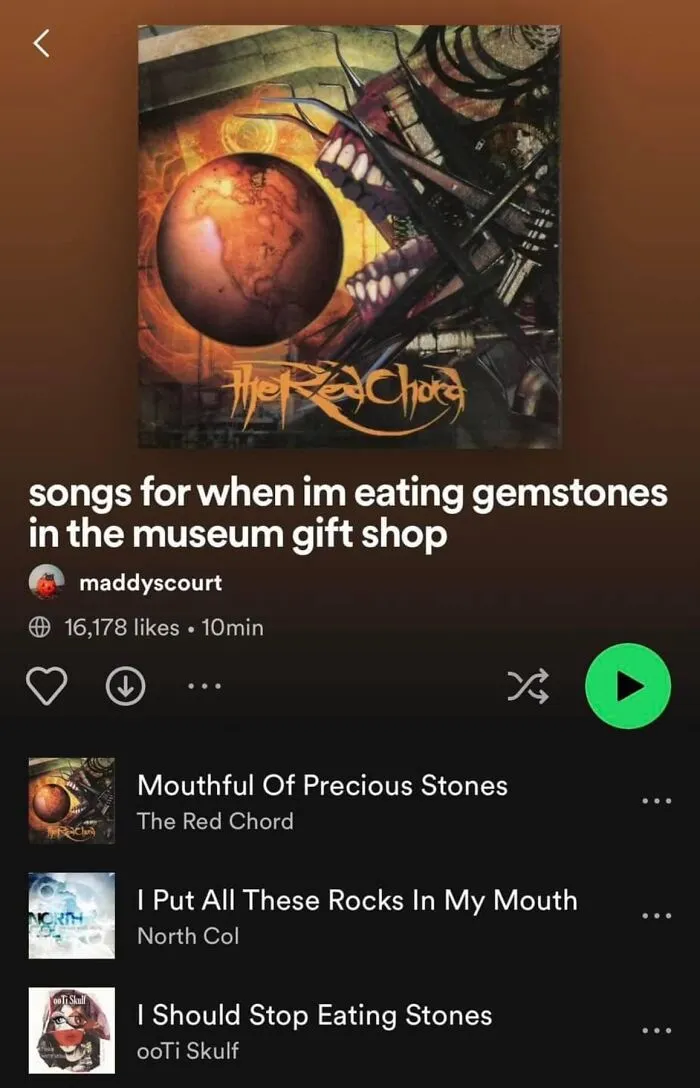
By 2016 accounts began using screenshots, with pages for Louis Theroux and The Great British Bake Off helping the style spread. Then No Context Brits arrived on April Fool’s Day in 2021, collected more than 1.8 million followers.