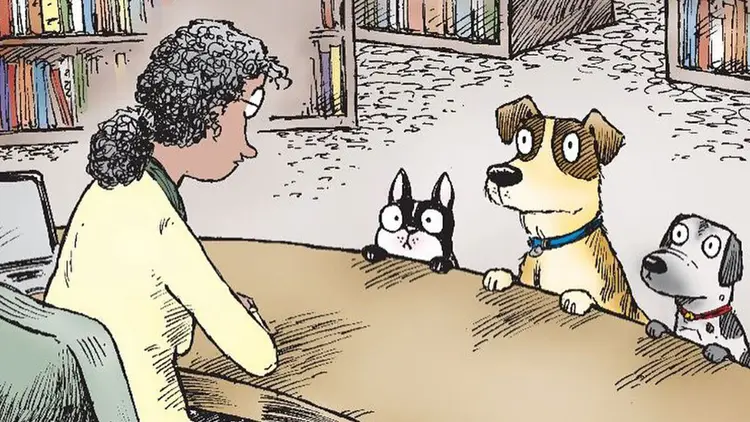


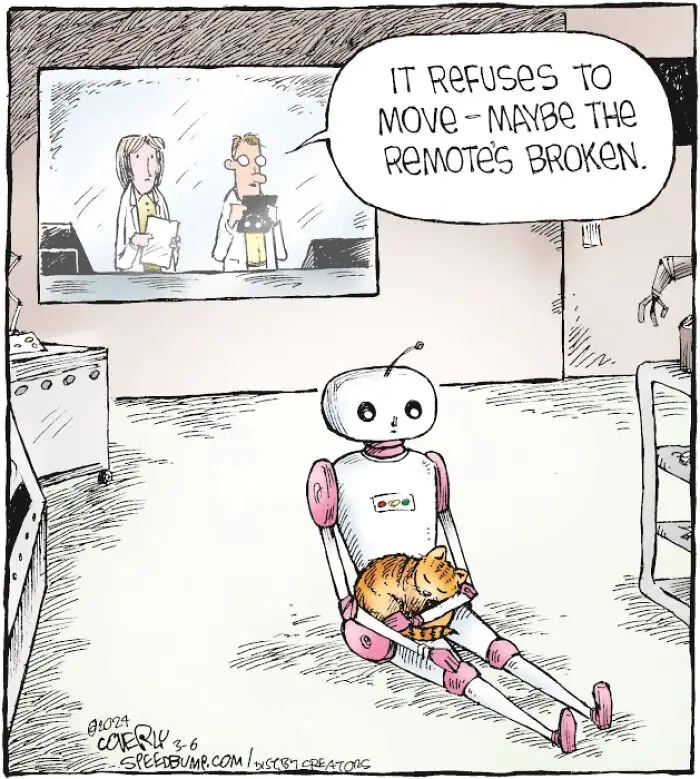
During one of our interviews with Dave, we talked about how his approach to cartooning had changed over the years. The artist explained that finding his own voice was a gradual process. When he first started out, he was still influenced by other cartoonists and had to figure out how to make his work feel more personal. One piece of advice that helped him came from fellow cartoonist Jim Borgman, who encouraged him to stop looking at other people's work for six months and discover what kind of cartoons he would draw himself. Dave experimented, made mistakes, and gradually developed his own approach. Looking back, he described the process quite fittingly: “The errors eventually piled up into a style, haha.”
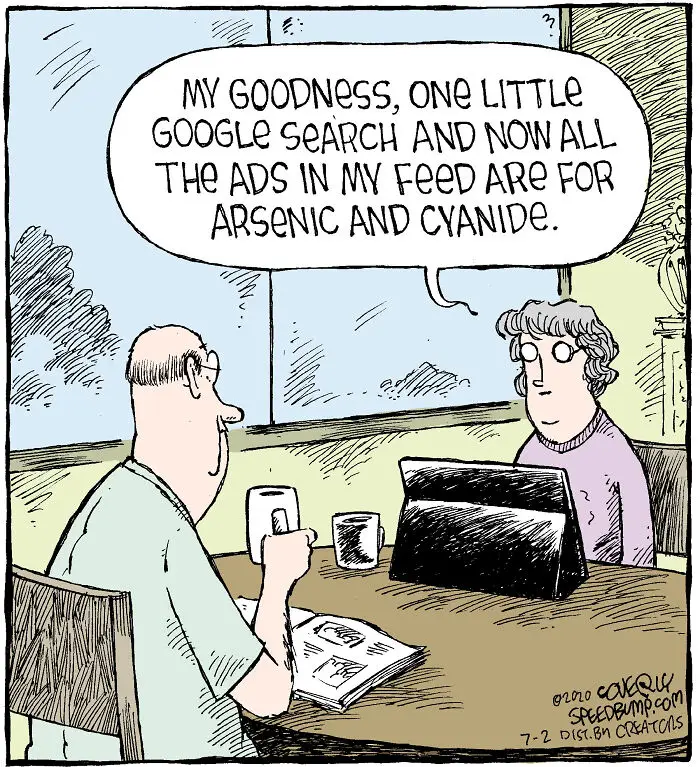
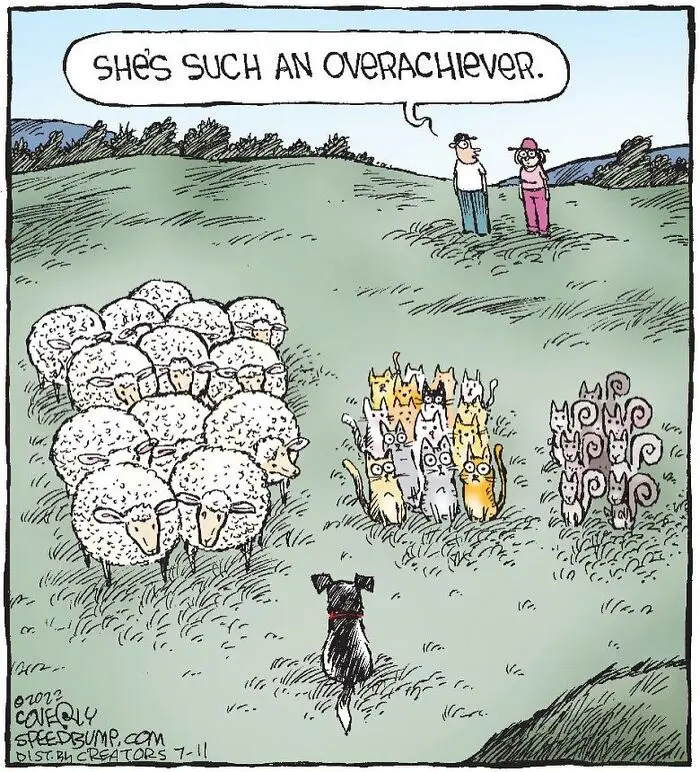
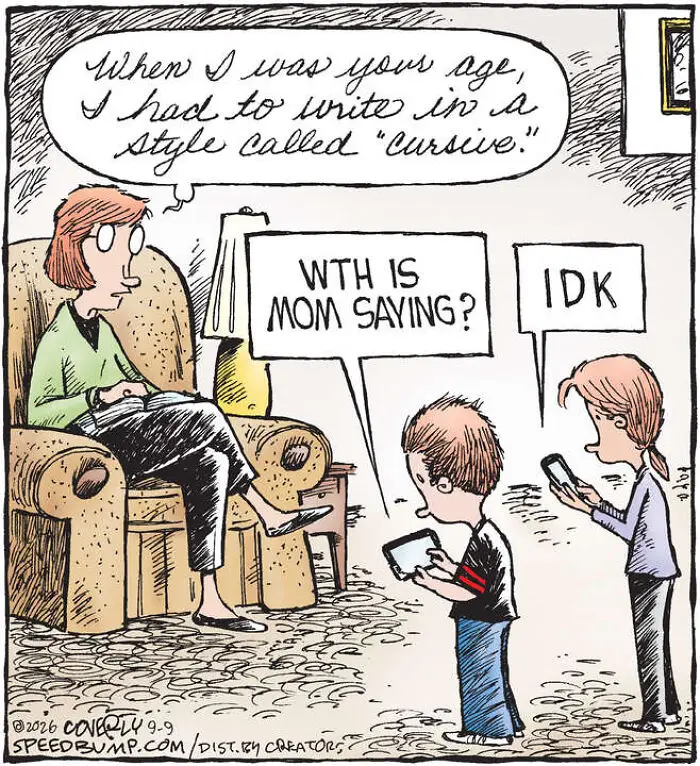
We also wanted to know where Dave finds inspiration for his ideas and what helps him keep coming up with new material. The author of 'Speed Bump' told us that reading and social media help him stay in touch with what's happening, but there's something even more important when it comes to observational humor: paying attention to people and their everyday lives. As he explained, “Single-panel humor is very observational,” so it's important to understand not only what people are talking about but also what they care about. He added that he is “always trying to pay attention” and that simply listening can be surprisingly helpful. Sometimes, the smallest observations can eventually turn into the funniest ideas.
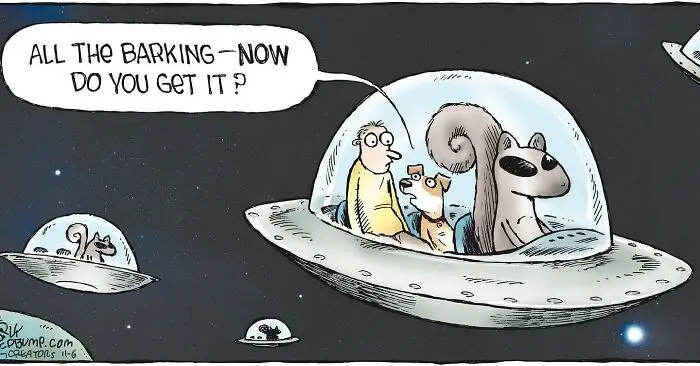
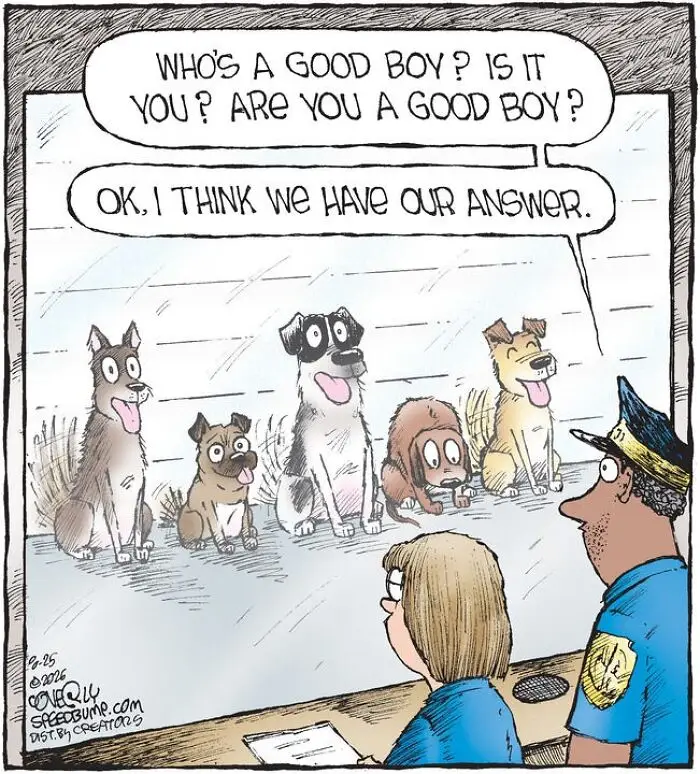
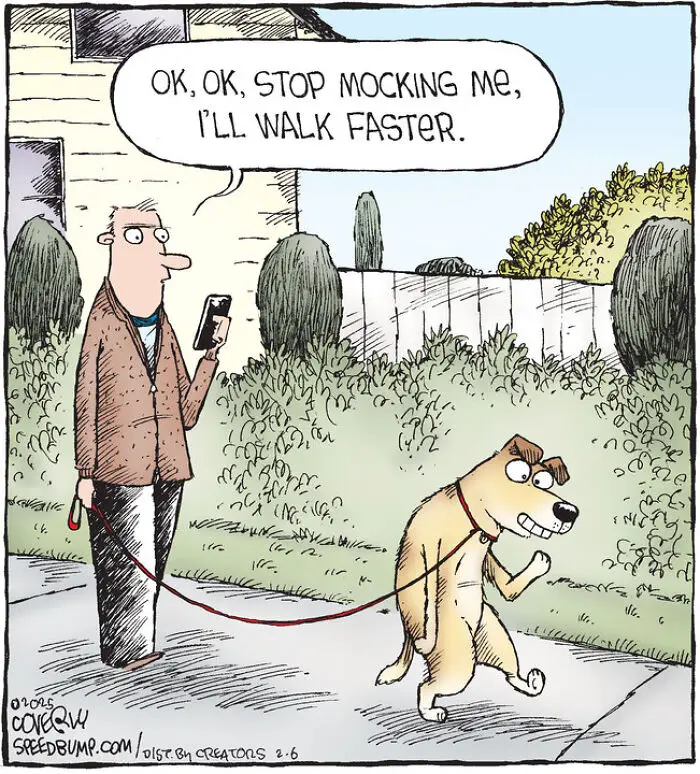
In another conversation, we asked Dave about his approach to character design. Although 'Speed Bump' cartoons feature different characters in every panel, he explained that their appearance and expressions play a much bigger role than readers might expect. As he put it, “character design is actually crucial.” A character's eyes, facial expression, and body language all need to fit the situation and help deliver the joke. Sometimes a deadpan expression works best, while other times the character needs to show a very specific reaction. When all these elements come together, they can make the humor even stronger.
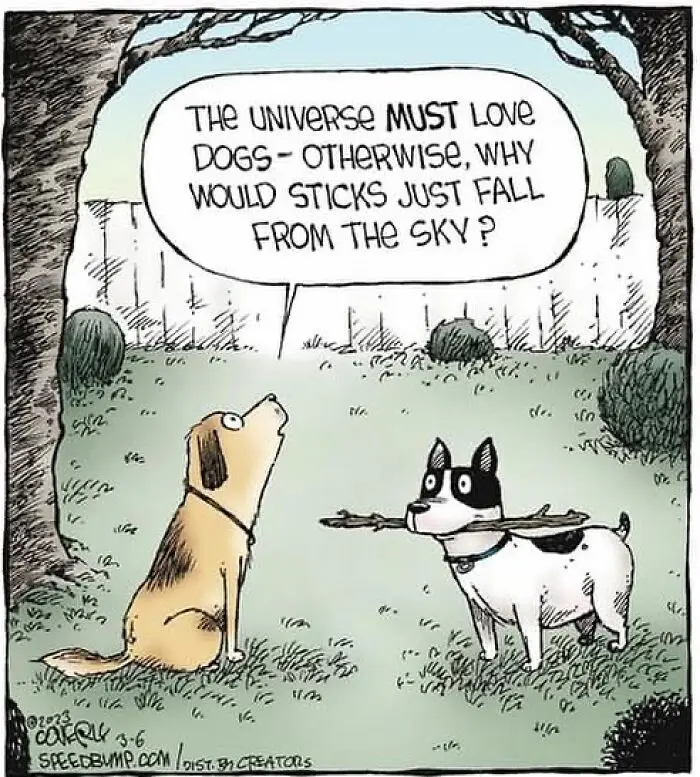
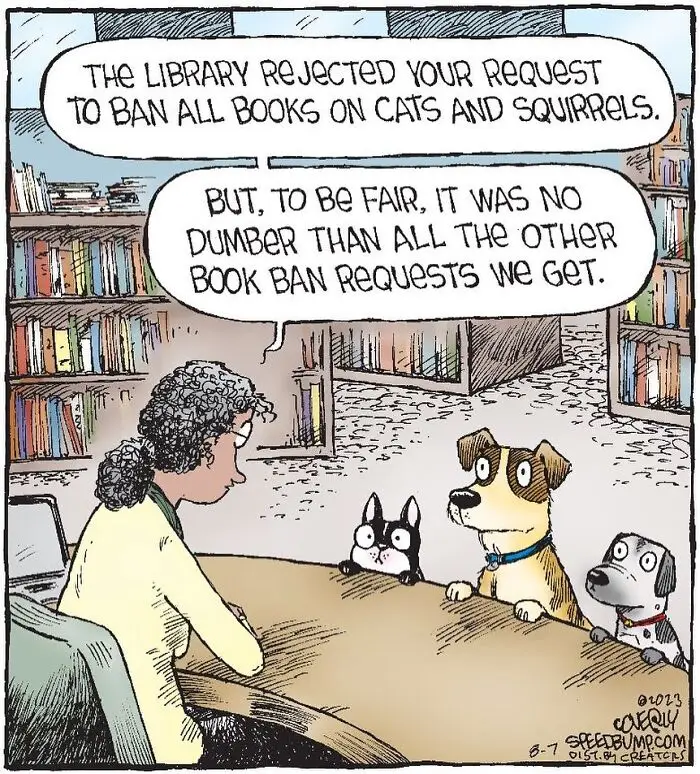
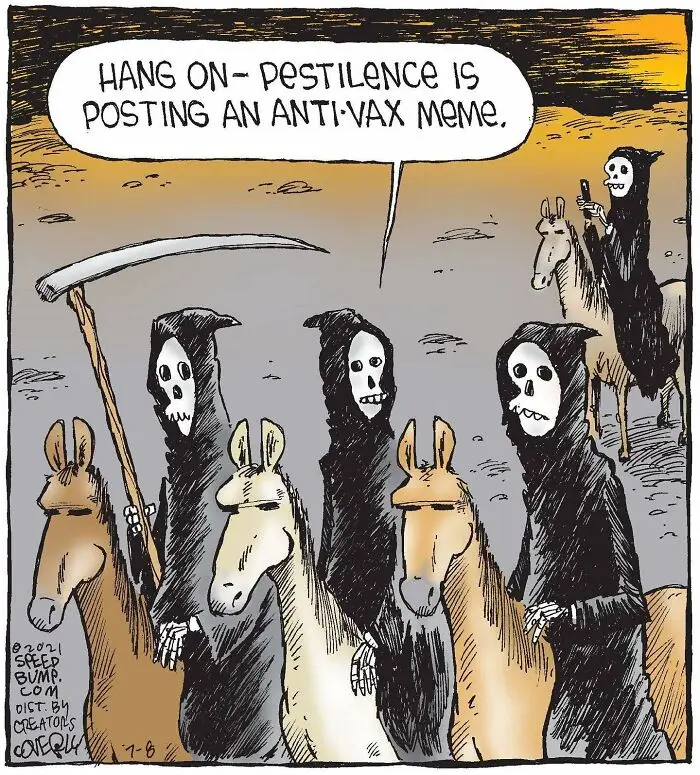
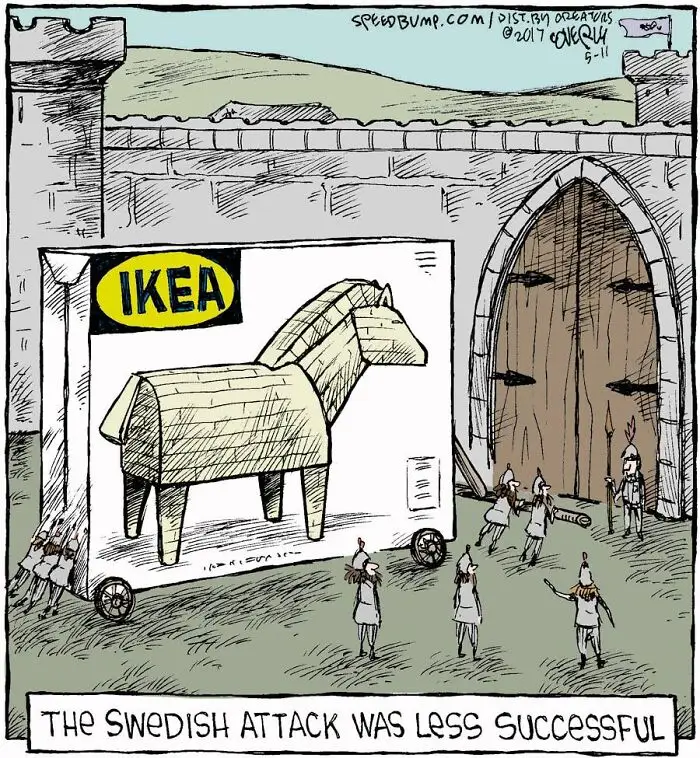
Finally, Dave explained what he thinks makes a cartoon truly successful. For him, it all starts with a strong idea. A beautiful drawing alone isn't enough if there's no interesting thought behind it, and sometimes a clever concept can make up for a less polished illustration. Dave explained that “the best ideas contain a truth or an insight” and that a great idea can even save a bad drawing. He also shared what he believes a comic should ultimately achieve: “a comic should feel like the artist had something to say and had fun saying it.” It's a simple approach, but one that helps explain why his cartoons can be both funny and surprisingly thought-provoking.