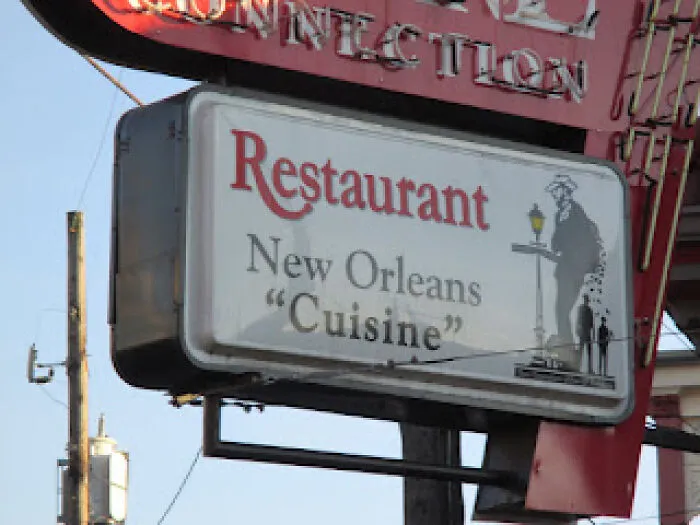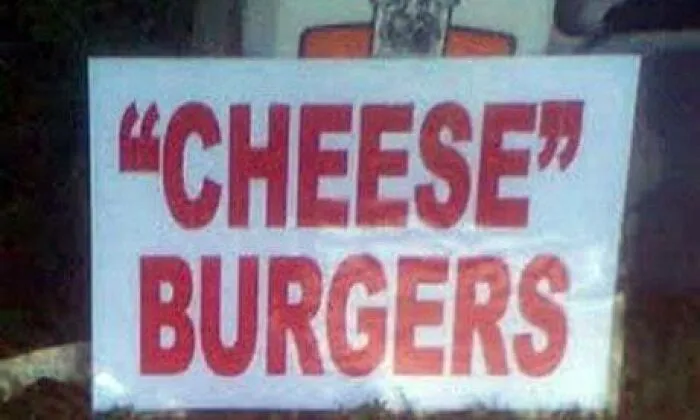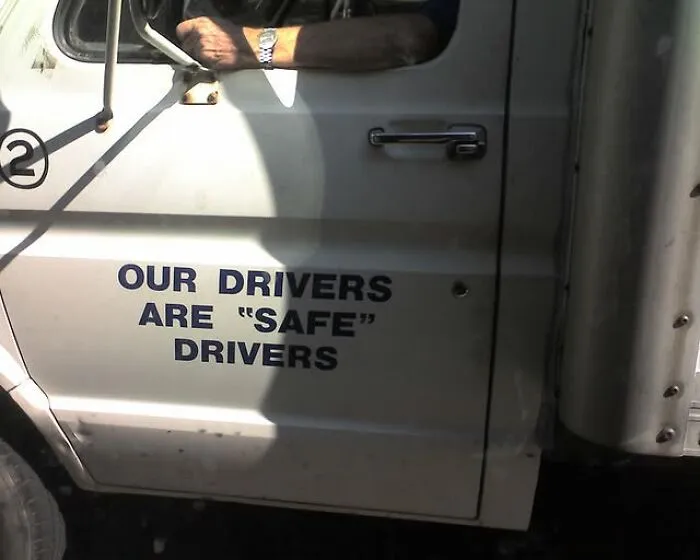

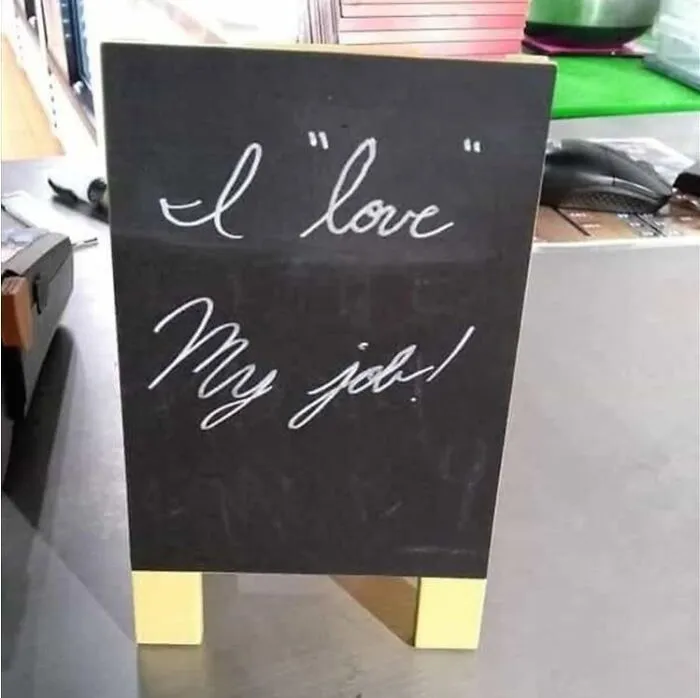
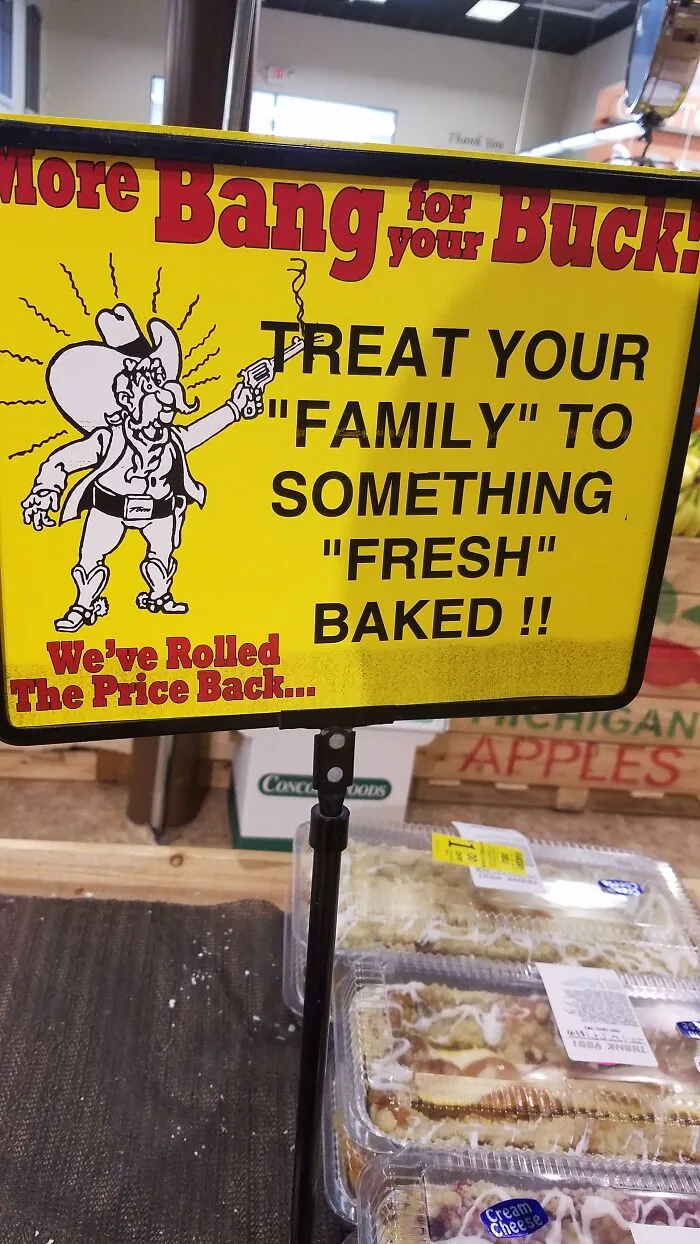
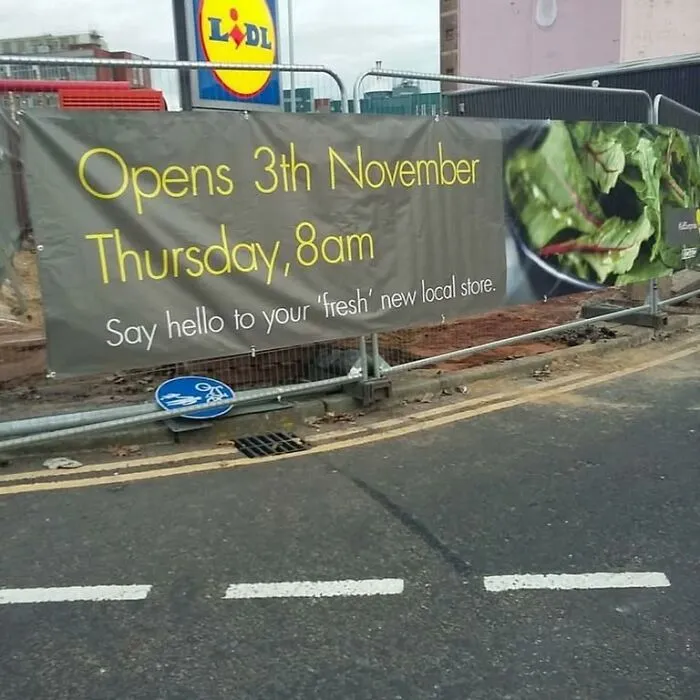
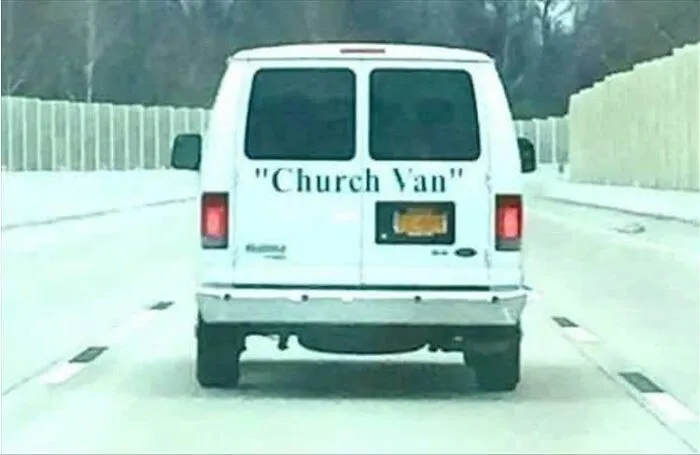
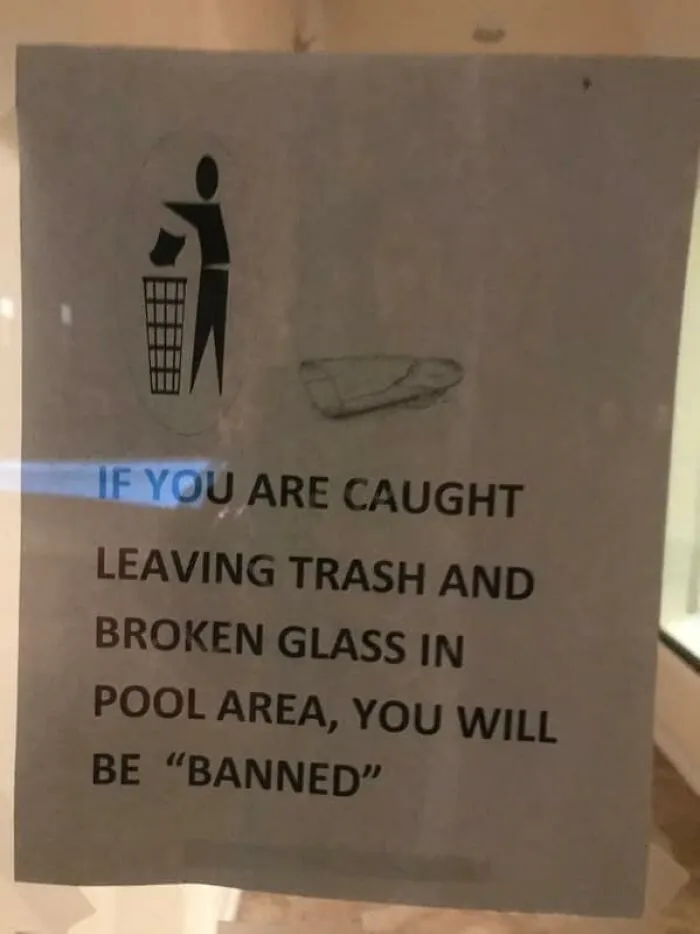
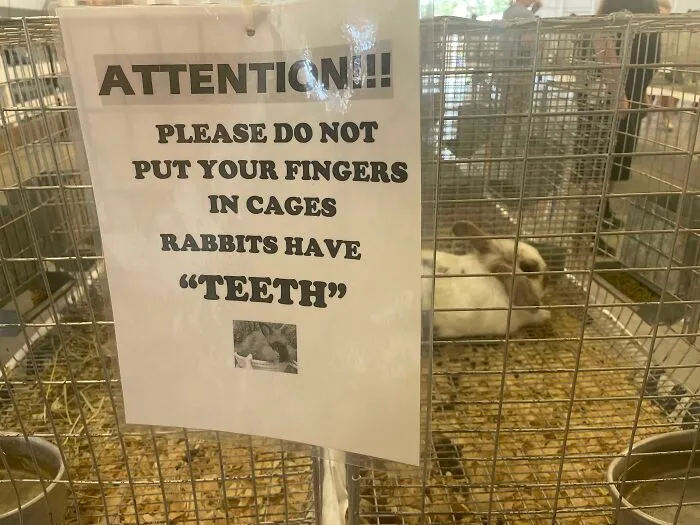
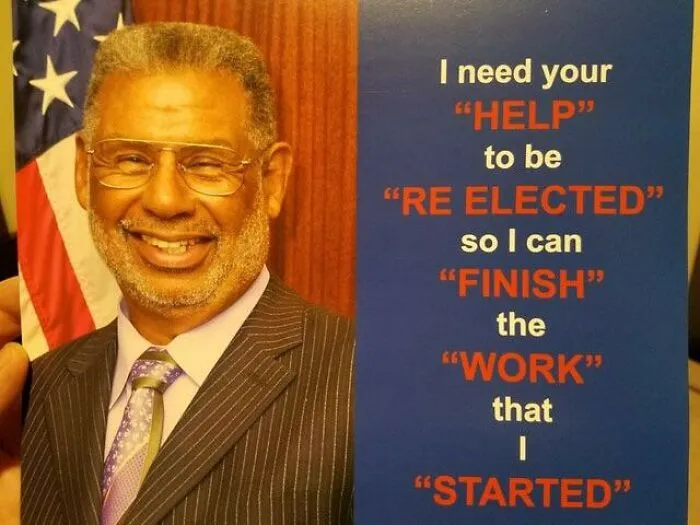
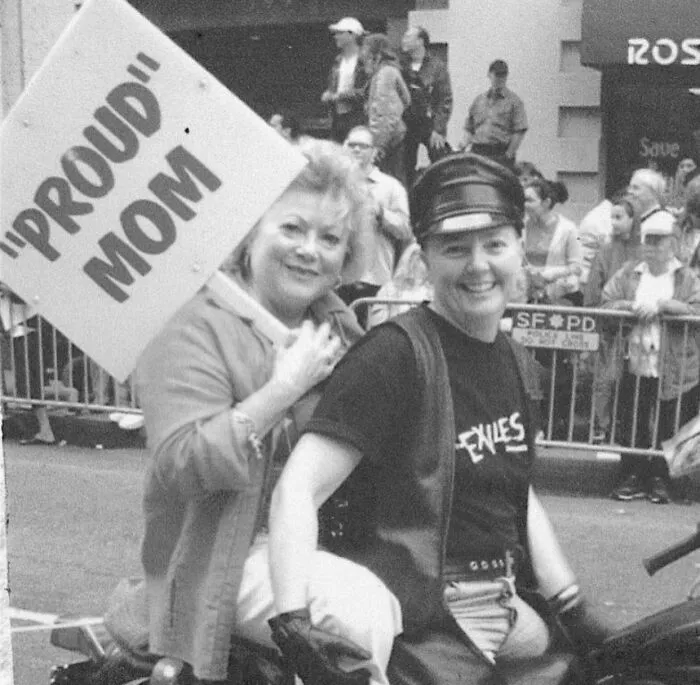
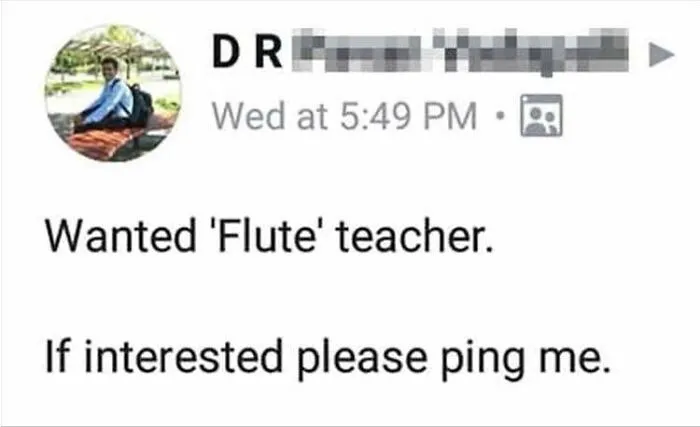
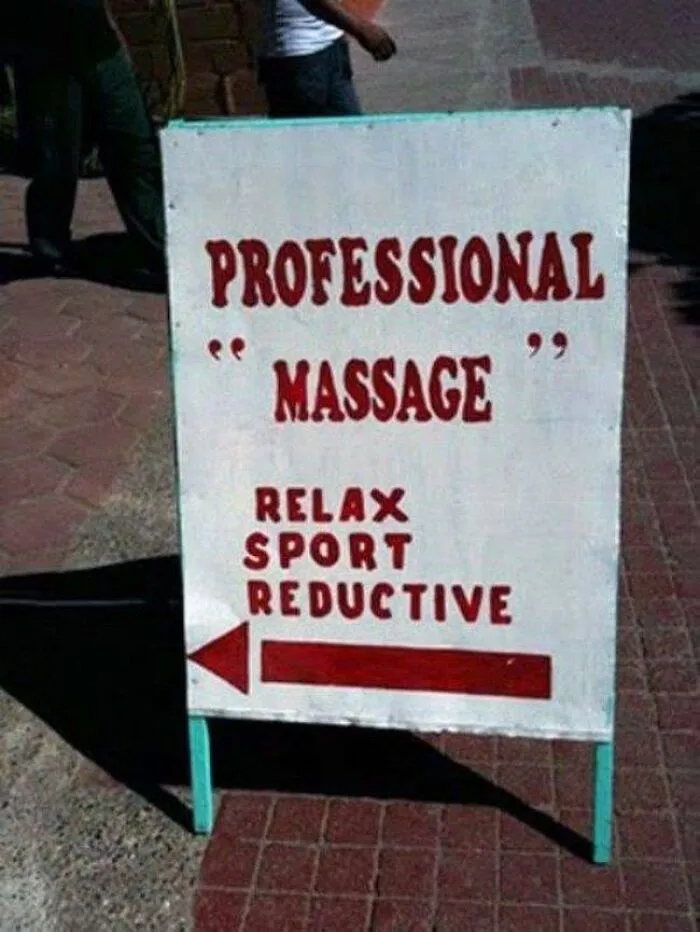
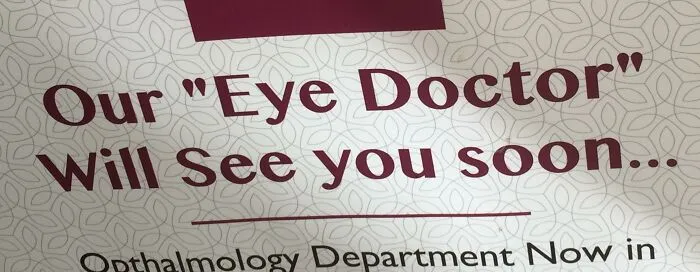
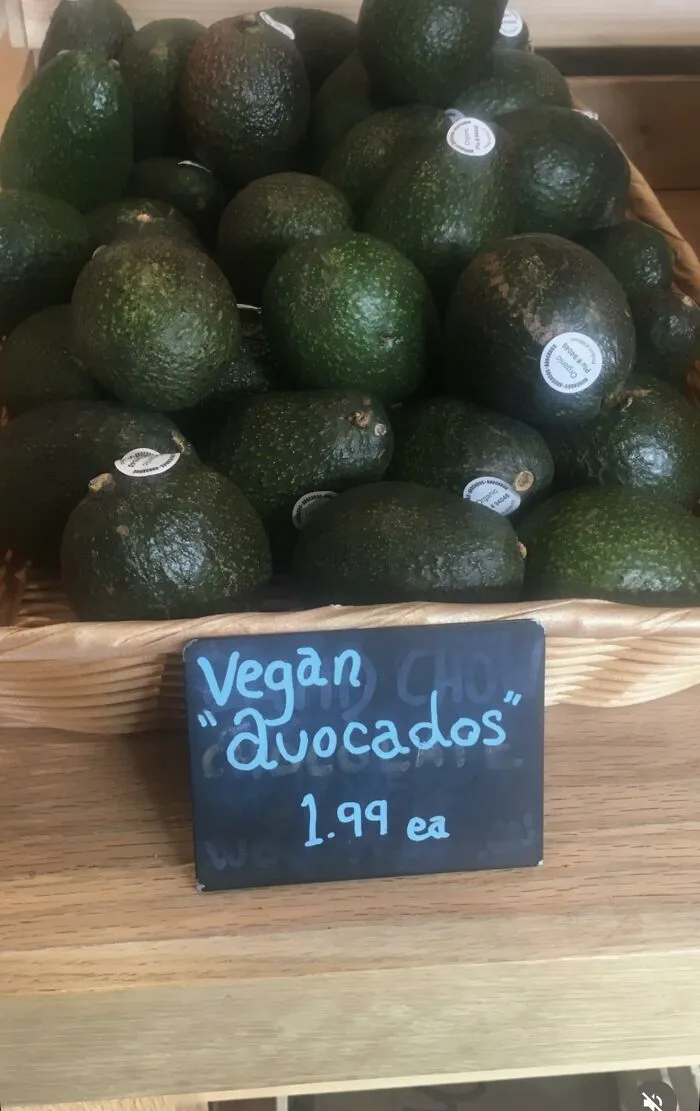
Casagrande outlines the “sanctioned” uses for quotation marks, explaining that “Regular quotation marks have several jobs.” They can indicate direct speech, draw attention to a word being discussed as a word, or signal irony. That last use is what makes some of these examples so unintentionally funny: quotation marks can make a perfectly ordinary description sound questionable, as though the writer is casting doubt on the very word they’ve chosen.
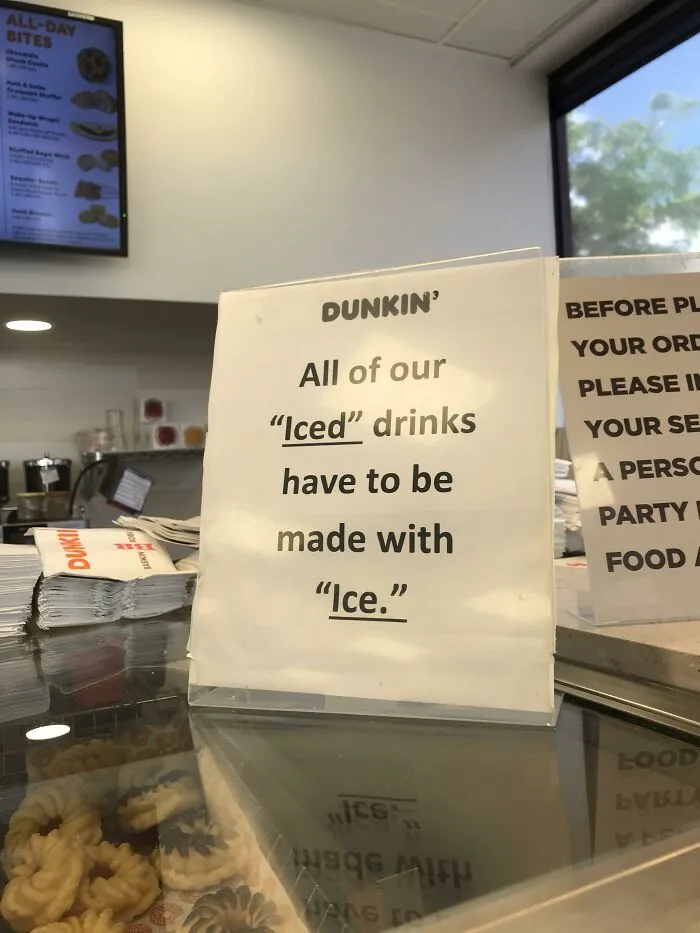
#23 Ah, Yes. “Ice” For My “Iced” Drink. Definitely Not Anything Else…
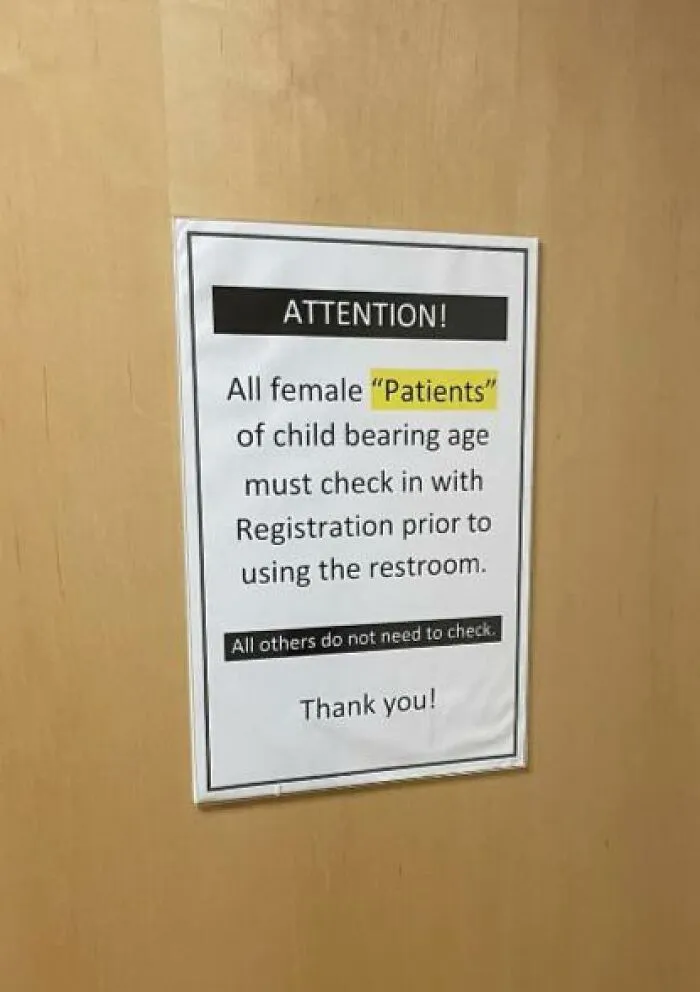
Take a word that usually inspires confidence, for instance. Put it in quotation marks, and suddenly that confidence can evaporate. The marks might suggest the writer is being ironic, is using the word loosely, or is casting doubt on the claim altogether. Of course, the person who put them there may have intended none of these things. But as readers, we don’t have access to that intention; we can only interpret what’s in front of us—and sometimes, a pair of tiny punctuation marks can cast an unexpectedly large (and hilarious) shadow of doubt.
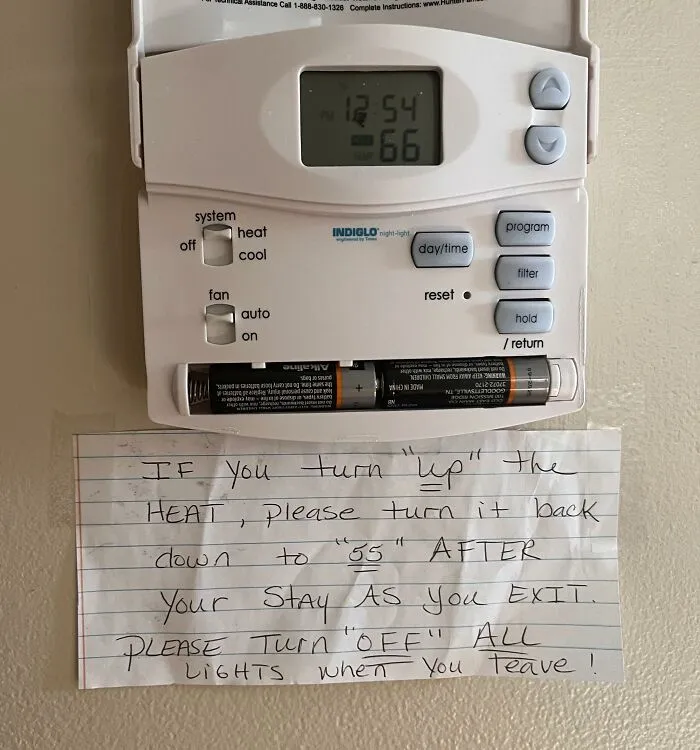
#25 There Were Little “Notes” Like This All Over The “Airbnb” My “Friend” Stayed At Lmao

#37 Probably Offering Food, But Whether It Qualifies As Cuisine Is Up For Debate