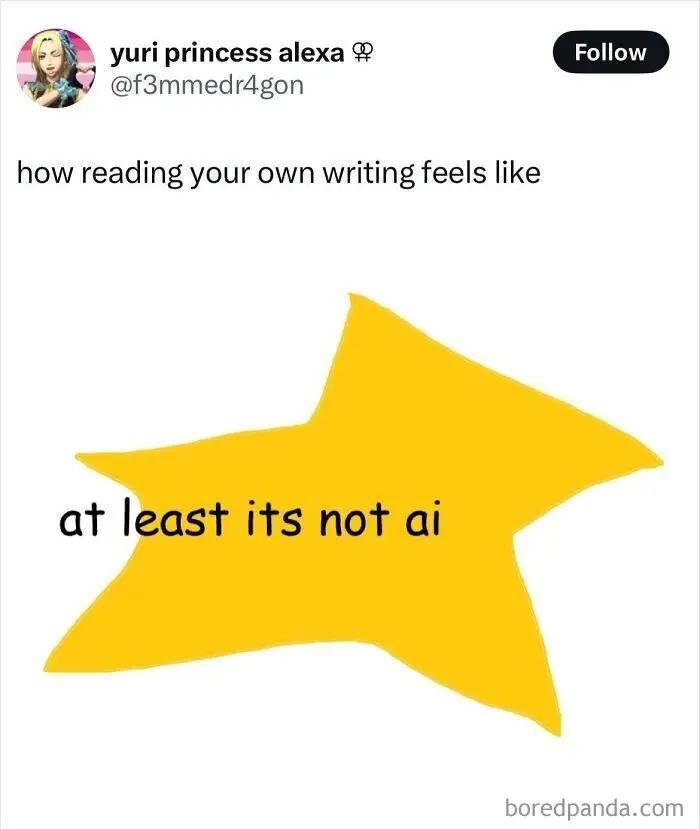





Memes are meant to be shared and reshared freely. Going viral is part of their core DNA.
And even though many people associate memes (just) with internet humor, they can be any idea, behavior, or piece of culture that spreads through society. They are inherently social!
The relationship between human beings, memes, and modern technology can reveal a lot about your psychology and how you process complex ideas and social information.



As per Theodora Blanchfield, Associate Marriage and Family Therapist, memes act as a shared language. This can help connect you to different social groups through shared references and popular insights.
Furthermore, memes can help you build social capital. In a nutshell, they allow you to create small moments of connection and relatability with other people.
You might not have the time to regularly meet some friends of yours anymore (thanks, adult responsibilities!), but you can find the energy to send them a meme (or ten).



Independent researcher Ian MacRae, who specializes in the psychology of work, personality, digital communication, and emerging technologies, argues that your brain is biologically wired for memes.
“Memes help us to understand the pathway between cultural information and the parts of the brain that have evolved to process them. They tap into our neurological systems for imitation, prediction, empathy, and emotional response and show how individuals process and respond to cultural information,” he writes in a post on Psychology Today.



McRae notes that memes activate the parts of our minds that are responsible for:
- Imitation
- Empathy
- Emotional response
McRae emphasizes that memes become more relatable and shareable the more they lean into emotional expression.



“Memes don’t just spread for fun; they tap into parts of the brain evolved to help us learn from others, develop skills, and adapt to our social environment,” he writes.
He points out that the focus here is on the “basic units of cultural information that shape our understanding of the world and the people in it.”

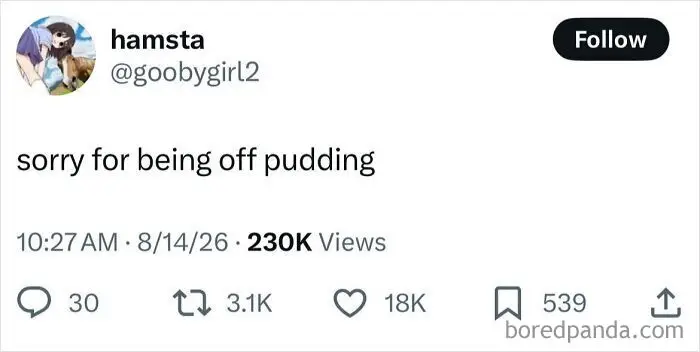

According to the researcher, some memes are funny, others have a dash of truth in them, while others still serve as propaganda. They allow people to safely express their emotions, beliefs, and cultural tensions.
How you react to memes (just like jokes) tells us a lot about your cognitive and emotional processes.
For instance, successful and popular memes trigger strong emotions like humor, outrage, joy, etc.