





It’s funny how much we can have in common with someone living on the other side of the world. We might speak different languages and grow up with completely different traditions, yet somehow end up enjoying the same things.
And sometimes, those similarities show up in places you’d never expect, including what we eat for dinner.


Take dumplings, for example. Almost every corner of the world seems to have its own version of doughy goodness. There’s jiaozi in China, pierogi in Poland, and manti in Turkey.
According to Smithsonian Magazine, dumplings have been around for at least a thousand years, and people were making versions that look remarkably similar to today’s dishes back in China’s Tang Dynasty. Clearly, the love for dough goes way back.


Our similarities go far beyond food. Apparently, people everywhere love a little gossip, too. A 2026 review published in the Annual Review of Anthropology describes gossip as something found throughout human societies.
It can help people build relationships and understand the unwritten rules of their communities. So, that friend who always has the latest tea might actually be keeping up a very old tradition.


Music is another thing that brings people together in surprisingly similar ways. In 2019, Harvard researchers examined music from societies around the world and found that certain kinds of songs shared recognizable features across cultures.
Lullabies, love songs, and healing songs, for example, tended to share similar musical qualities across cultures, regardless of where they came from.

And speaking of things we share, laughter might be one of the most interesting. A study involving 966 people from 24 societies found that listeners could often tell whether two people were friends or strangers just by hearing them laugh together.
They didn’t need to understand the language or know anything about the people involved. That’s pretty impressive when you think about it.



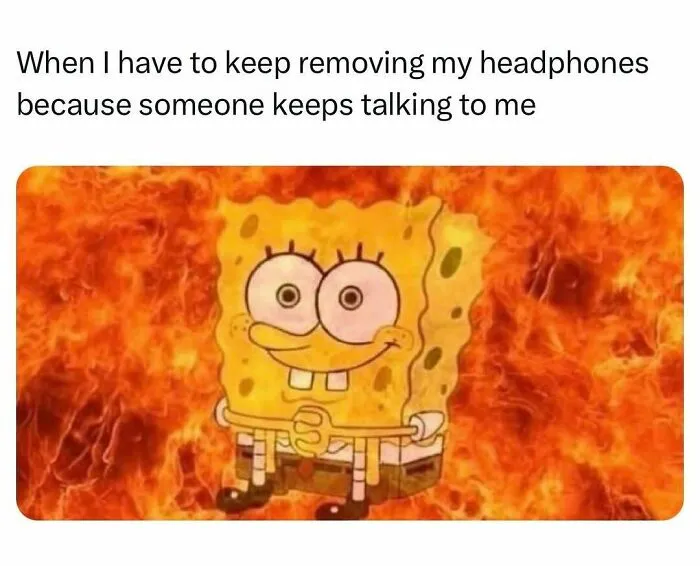
These days, the internet gives us another way to bond over our shared experiences. Memes have become their own little language, allowing people to express surprisingly specific feelings through a funny picture and a few words.
And researchers have started looking into why some of them feel so personal. A 2026 study involving 225 Polish participants found that memes about procrastination were considered particularly relatable, while those about depression received the highest humor ratings.