





"When people get offended, they act like if you gave rednecks a billion dollars, they wouldn't be rednecks." Those were the words of comedian Jeff Foxworthy, when someone tried to insult him by calling him a 'redneck.' Foxworthy says he refused to take it as jab, and instead, turned the word 'redneck' into a badge of honor.
"I said they would still be rednecks. They would just have bigger boats, bigger trucks. I mean, more things to shoot at. They're happy with who they are," the comedian revealed.
Foxworthy has termed the redneck way of life as “a glorious absence of sophistication,” and in 1989, his first book on the topic was published. Titled, You Might Be a Redneck If . . . , was wildly popular and he ended up writing several more.

"He has contributed to the culture of his time by bringing an oft-misunderstood American demographic—the redneck—into the mainstream spotlight," reads the Georgia Encyclopedia.
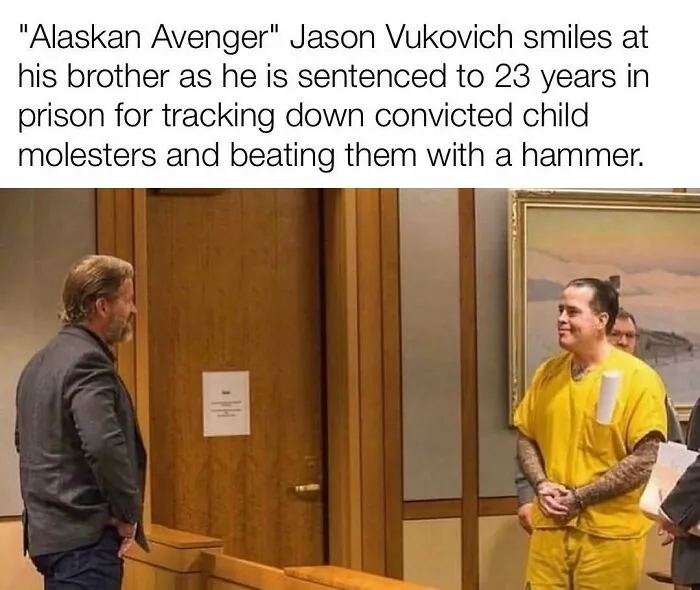
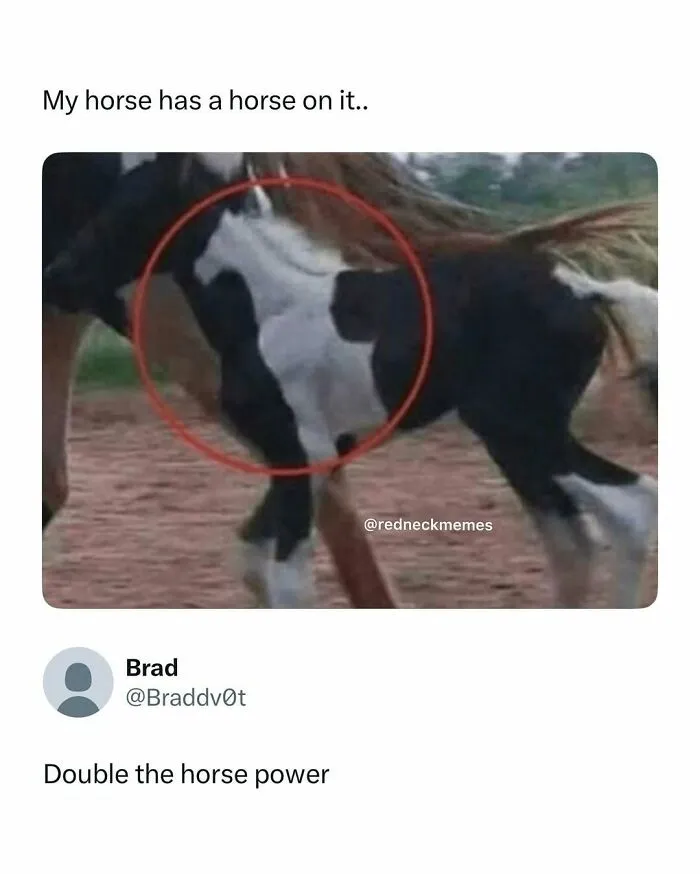
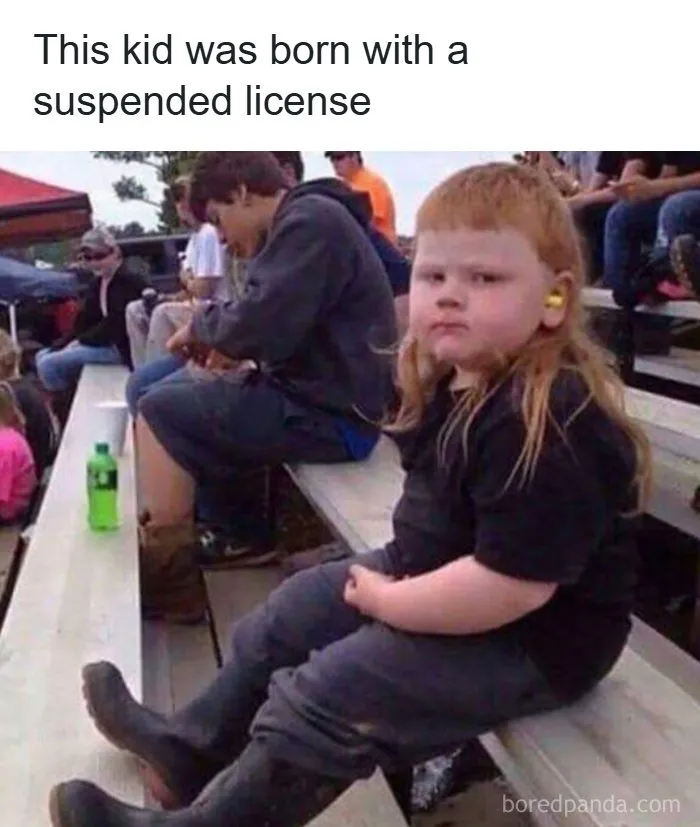
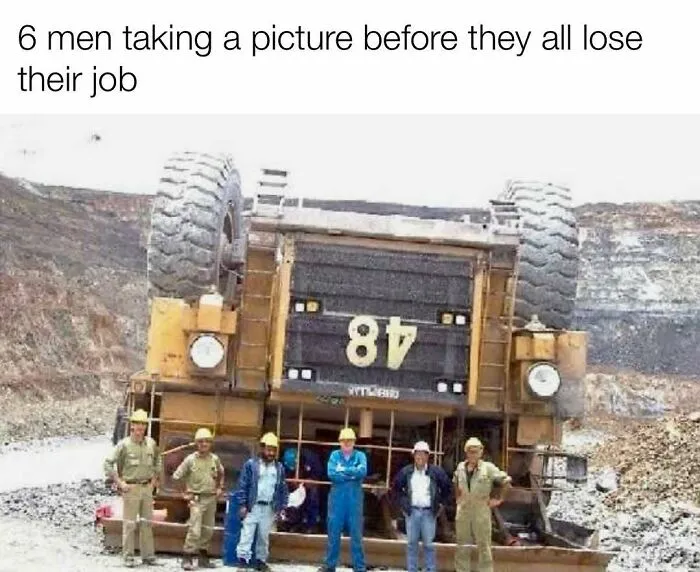
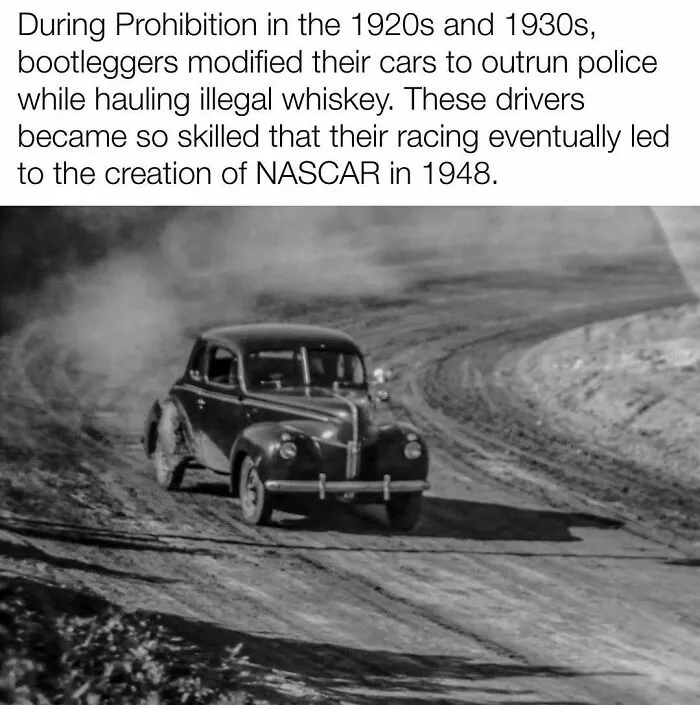
Redneck comedy has today become a subgenre of American stand-up comedy. It focuses on rural, working-class Southern culture, self-deprecating humor, and folksy everyday life observations. From one-liners, to memes, and even entire comedy tours, people are cashing in on the redneck brand.


But not everyone is laughing.
"Rural poor and working-class white southerners have endured a broad range of slurs throughout US history, many derived from geographic regions, dietary habits, physical appearance, or types of clothing," writes Patrick Huber in a piece for Southern Cultures magazine.
He adds that, for approximately the last one hundred years, "the pejorative term redneck has chiefly slurred a rural, poor white man of the American South and particularly one who holds conservative, racist, or reactionary views."


However, Huber says that many so-called rednecks have fought back against the discrimination.
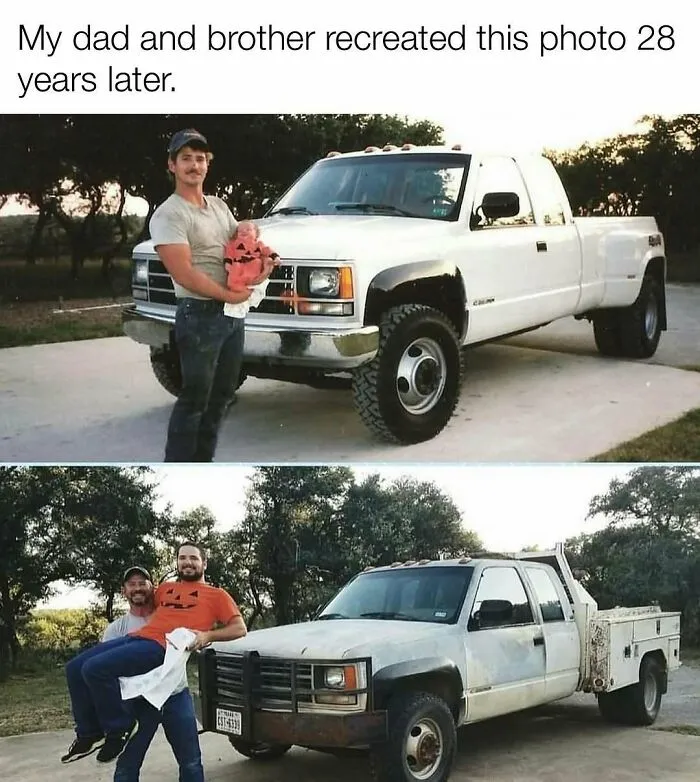
"Rather they have time and again rehabilitated the derogatory stereotypes ascribed to them by using language to fashion an identity as honest, hard-working common folks," he explains, adding that the definitions and connotations of redneck in the American language have changed over the years.



Huber says the term redneck originated as a class slur in the late-nineteenth-century South. But in the late twentieth century, white blue-collar workers (especially those from the South) gave it a more complimentary meaning.
"The redefinition and use of the term by these self-styled rednecks speak powerfully to their racial and class consciousness as an economically exploited and yet racially privileged group," he notes.