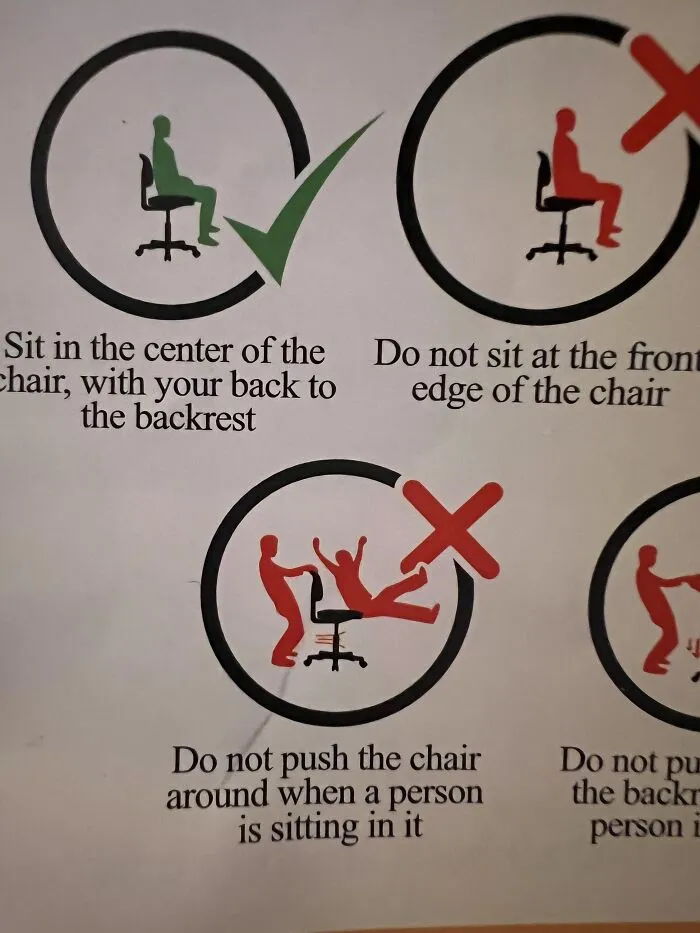




Have you ever met someone who doesn’t seem to know much about anything yet projects an insane level of confidence? According to Verywell Mind, the Dunning-Kruger effect can explain this. That’s when someone with limited knowledge overestimates their abilities and doesn’t seem to recognize their own incompetence.
People with this kind of cognitive bias believe they are much smarter and more capable than they are and lack the self-awareness to recognize gaps in their knowledge. People like this often confidently talk about topics they are very misinformed about and refuse to check additional sources.



Nobody wants to make dumb decisions, but some people are so confident in their foolishness that they don’t even seem to realize they’re doing something stupid. This happens because of something known as “dual burden,” where an individual lacks skill and also can't recognize their limitations.
Those folks might also feel that other people are dumber than they are and refuse to pay attention to anything anyone else is saying. That’s why their misinformation sometimes reaches great heights: they don’t want to add to their knowledge base, and they don’t feel like they even have to.



Making dumb decisions isn’t just reserved for a certain section of the population; it can happen to all of us. One way this happens is when we use heuristics, mental shortcuts that help us make decisions quickly. This can push us to act on impulse rather than think through our behavior in a situation.
Another thing a lot of folks do is look for patterns even where they don’t exist, which can make us act in ways that might not be appropriate in the moment. That’s also why some people develop biases instantly without really thinking through the decision.



There are many ways we can work through stupid decisions and make better choices, and one is by reading more. According to Business Insider, in studies with identical twins, the sibling who had learned to read earlier often scored higher on tests of cognitive abilities.
That’s because it helps to rewire neural pathways and strengthen matter tracts relating to the brain’s language and visual centers. It also helps people expand their knowledge base and boost critical thinking. In the long run, reading also builds mental resilience and lowers the risk of cognitive decline.



A simple way to build a strong knowledge base is to stay curious about new things, people, and situations. By asking more questions, you can learn a lot about the world and drop false assumptions you might have. There is also a curiosity quotient (CQ) that isn’t as widely studied as EQ and IQ, but it’s just as important.
Beyond always wanting to know and learn, another factor that can tie into a person’s level of intelligence is their messiness. Many studies have found that creative folks tend to have more cluttered rooms than those who aren’t as good at coming up with unique ideas. This could be because folks who think a lot aren’t focused on organizing the world around them, and instead enjoy interacting with it.



Some people might worry they’re not as smart as others because of their laziness or lack of motivation, but research has found the opposite is often true. In fact, less active people often spend more time thinking and don’t get bored just being with themselves.
They might not put in as much effort as folks who strive for greatness, but that can work out better because they’ll find unique, creative ways to reach their goals instead. Sometimes these shortcuts can save them a lot of effort while still helping them achieve what they want.