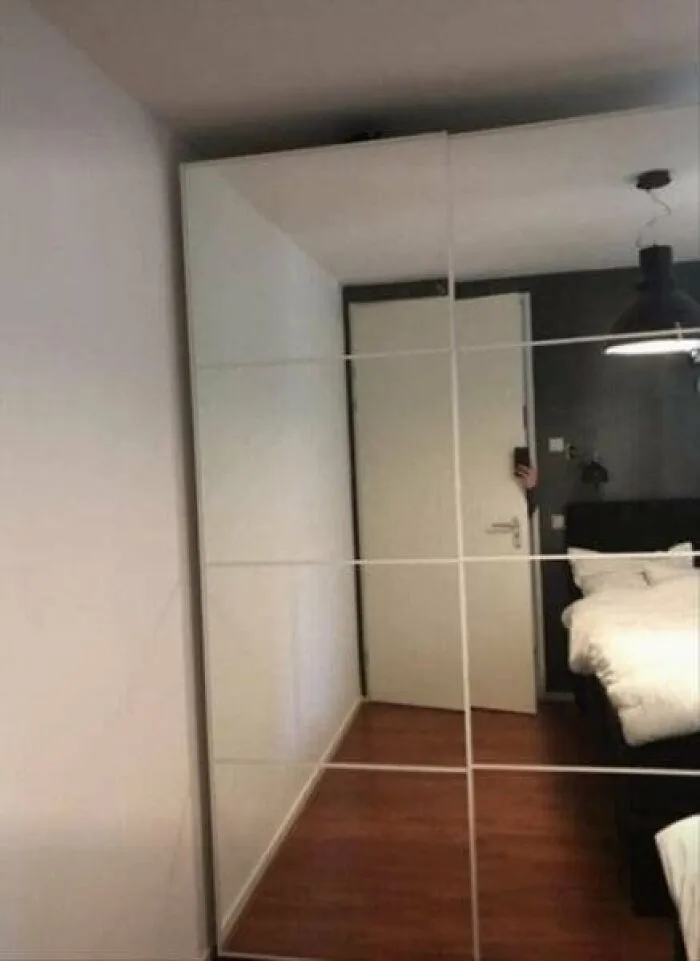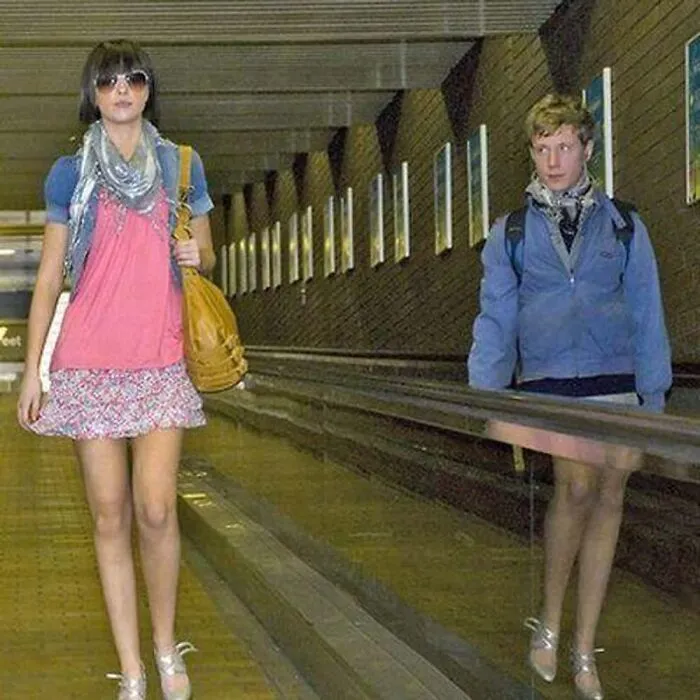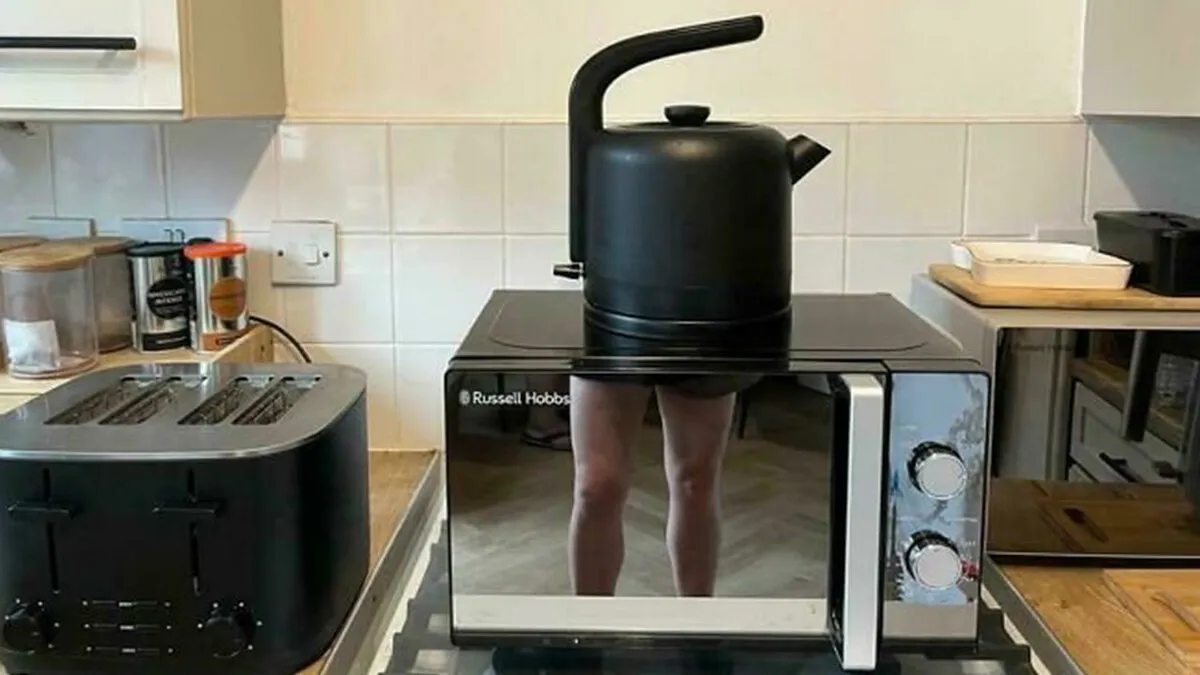



#1
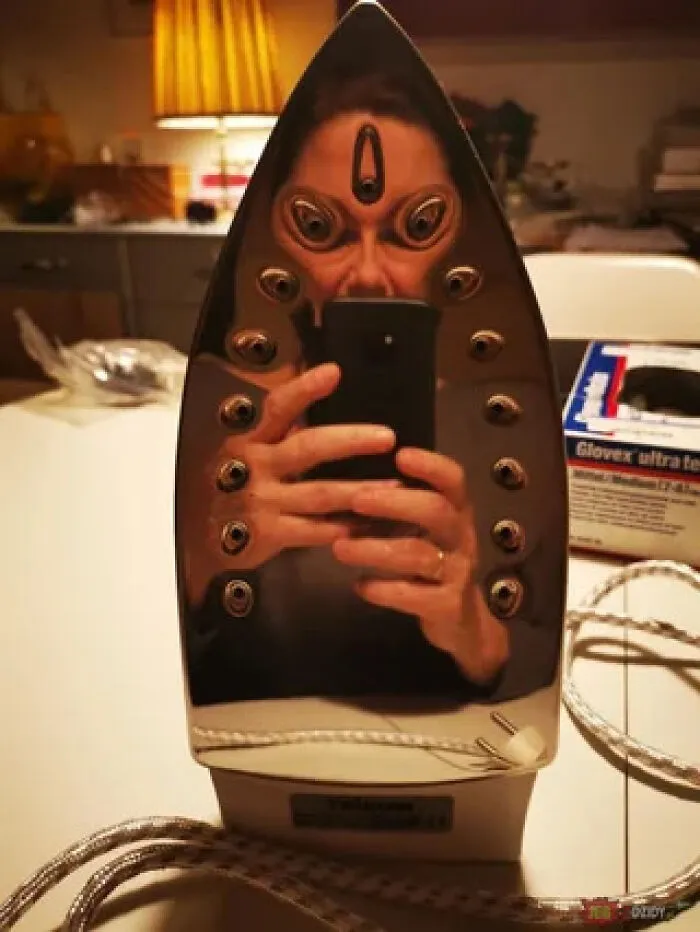
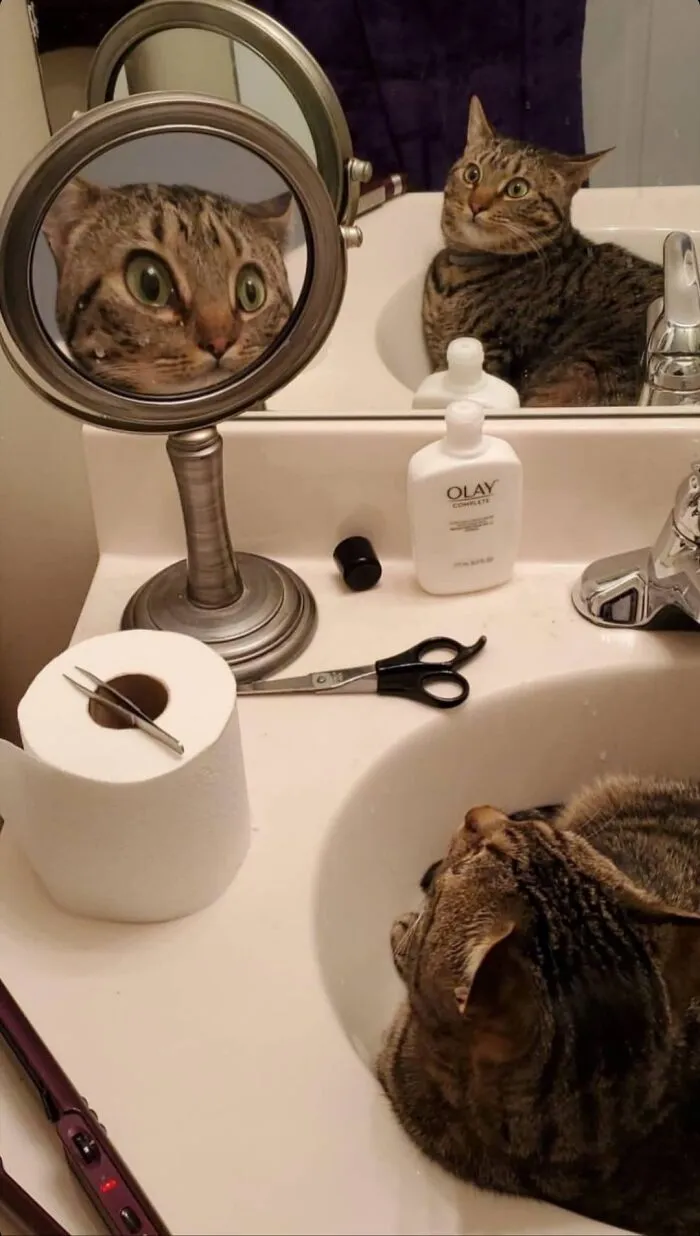
This might seem like a silly question, Pandas, but what color is a mirror? Does it have no color, or is it all the colors of the objects it reflects? If you know anything about physics, you probably know that color comes from reflected light. An object is blue because it absorbs all other wavelengths in the spectrum and reflects blue light.
Black objects reflect no light, and white objects reflect all colors. A perfect mirror, then, should be white — it should reflect all colors. However, mirrors are not perfect, and they are actually green. They reflect a little bit of green light because they have an underlayer of silica glass, which reflects green wavelengths more than other colors. Try to see that the next time you're in front of a mirror!
#5

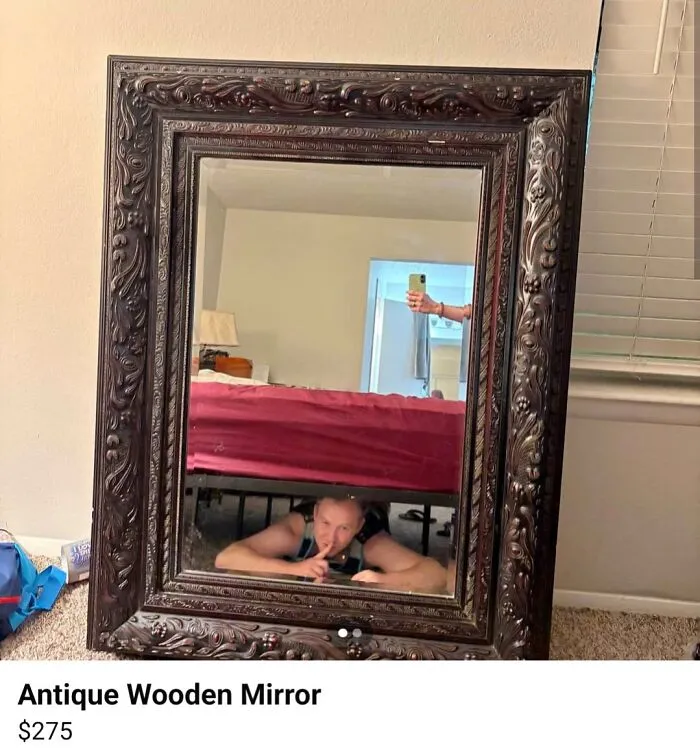
What most of us would never want to see in a mirror is something that scares us. Yet, that's pretty easy to achieve — all we have to do is stare at ourselves in a mirror in a dim light. At least that's how vision scientist Giovanni B. Caputo of the University of Urbino in Italy conducted his experiment.
He had 50 subjects look at their reflections for 10 minutes, and later asked them what they saw. The participants reported seeing strange things: some said their faces started to distort after a few minutes of staring; others claimed they saw the faces of their living or deceased parents, and animals like lions, pigs, or dogs. Some even witnessed some horror-movie staples, like an old woman, a child, or a monstrous entity.
#7

This phenomenon works like other optical illusions — our eyes sometimes just deceive us. You might be familiar with Troxler fading (or the Troxler effect): when we fix our gaze for a long time, our peripheral vision slowly fades. These types of optical illusions abound online (you can see one here), and it's one way to explain Caputo's experiment.
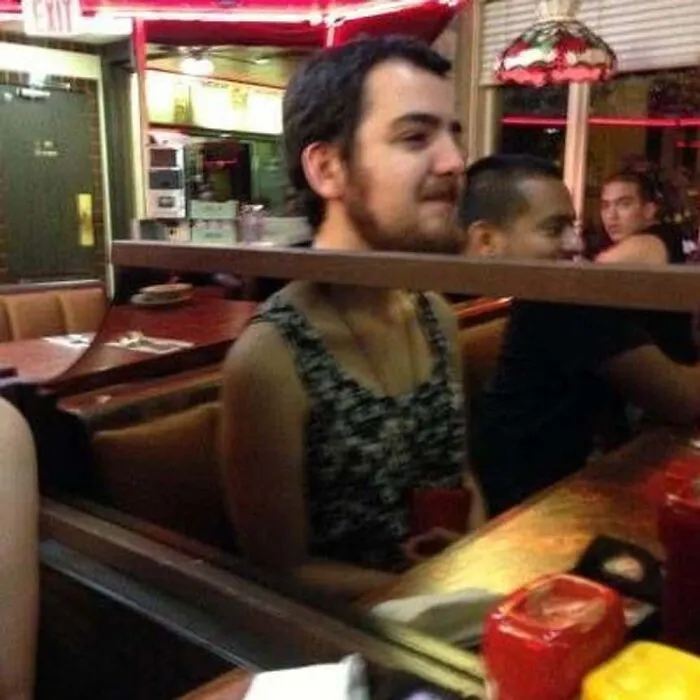
#10 It's Embarrassing Until You Realise They're The Reflection Of The Chairs In The Room

#11
Here's the science behind it: there's this thing called neural adaptation, which means that when we're staring at the same thing and there's nothing new stimulating our vision, our neurons stop "refreshing" the information — they simply decrease or stop their response. If there's even a microscopic change in the environment that we're seeing, they come back online. That's why, if we move our gaze at all, or something in our field of vision moves or disappears, the illusion breaks.

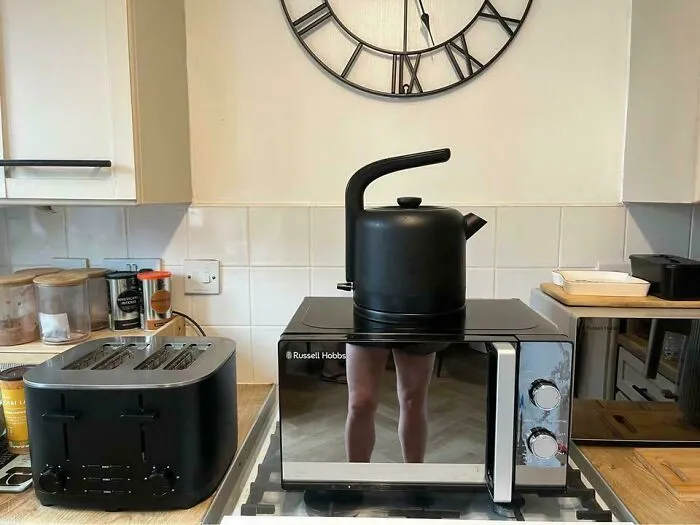
#15

Do you know what type of monster you wouldn't see in a mirror, even if you stared at it for a long, long time? A vampire! At least if you were in front of an old-timey mirror. A popular theory among fans of the supernatural is that vampires would appear in modern mirrors because most of them no longer contain silver.
#16
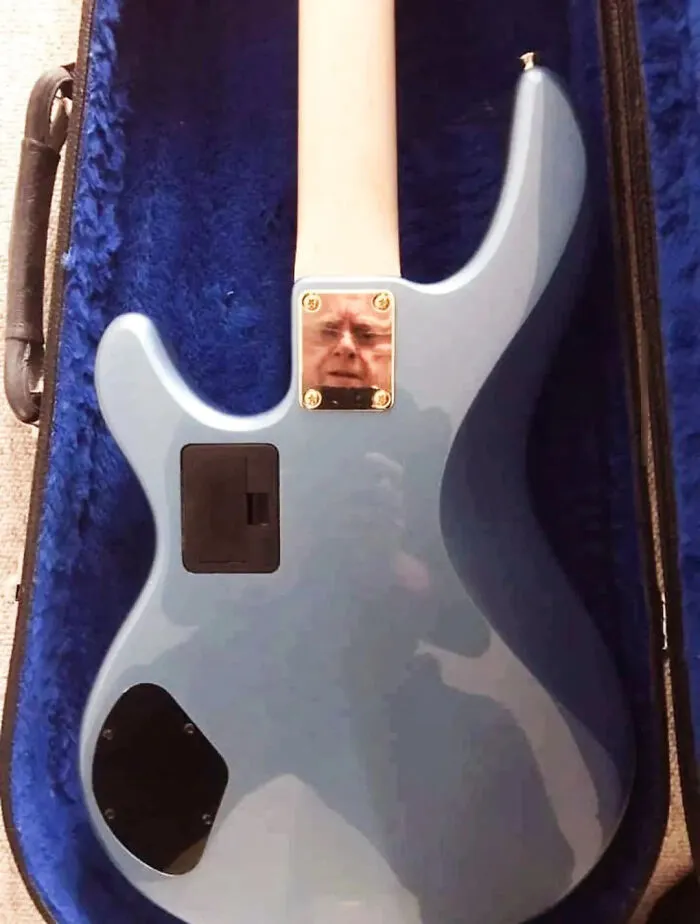
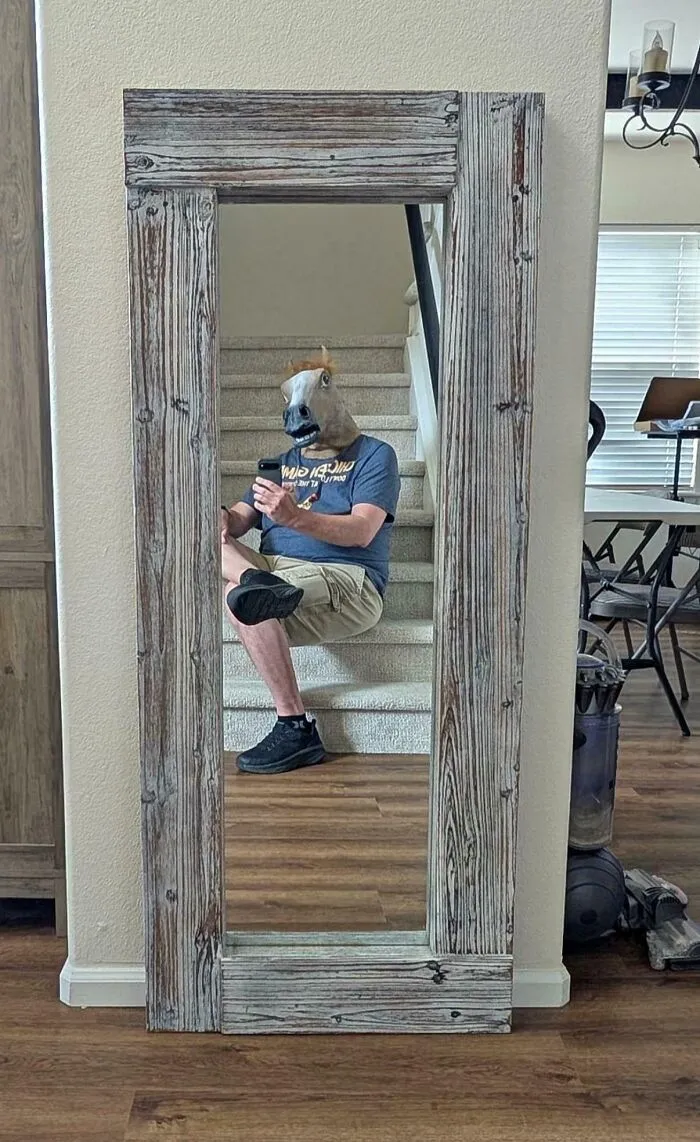
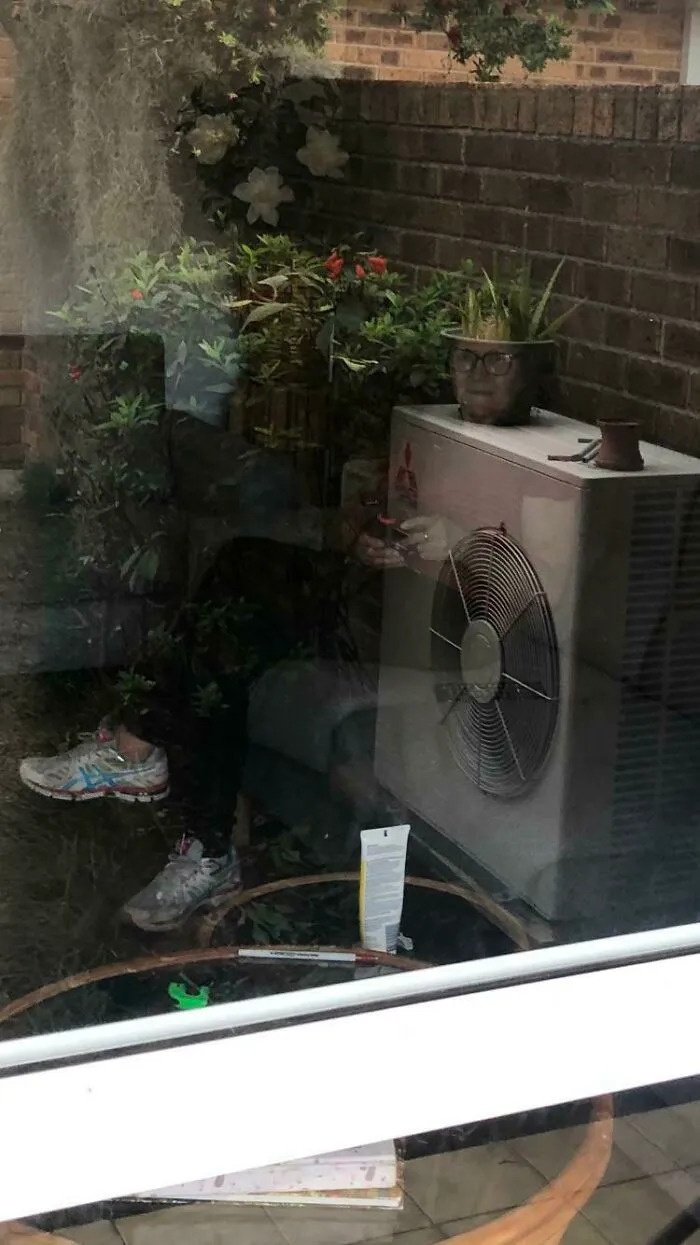
In myths, silver is usually a repellent to werewolves, vampires, and other supernatural creatures, and because fine mirrors used to have a fine layer of metallic silver on the back of the glass, "evil" creatures were not reflected in it. Similarly, that's why vampires wouldn't show up in photographs, too — silver was a common chemical used in developing film.
#19