

This post may include affiliate links.
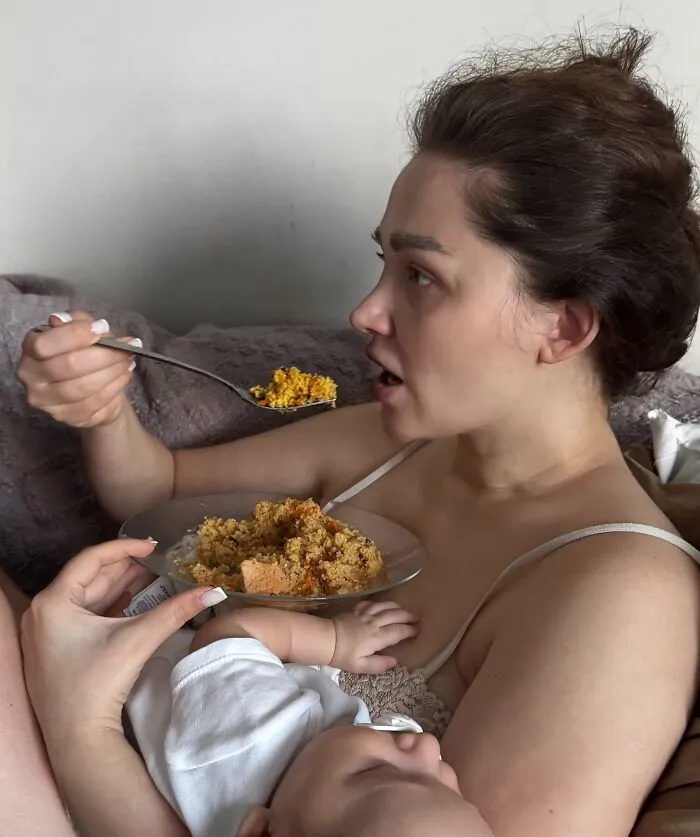

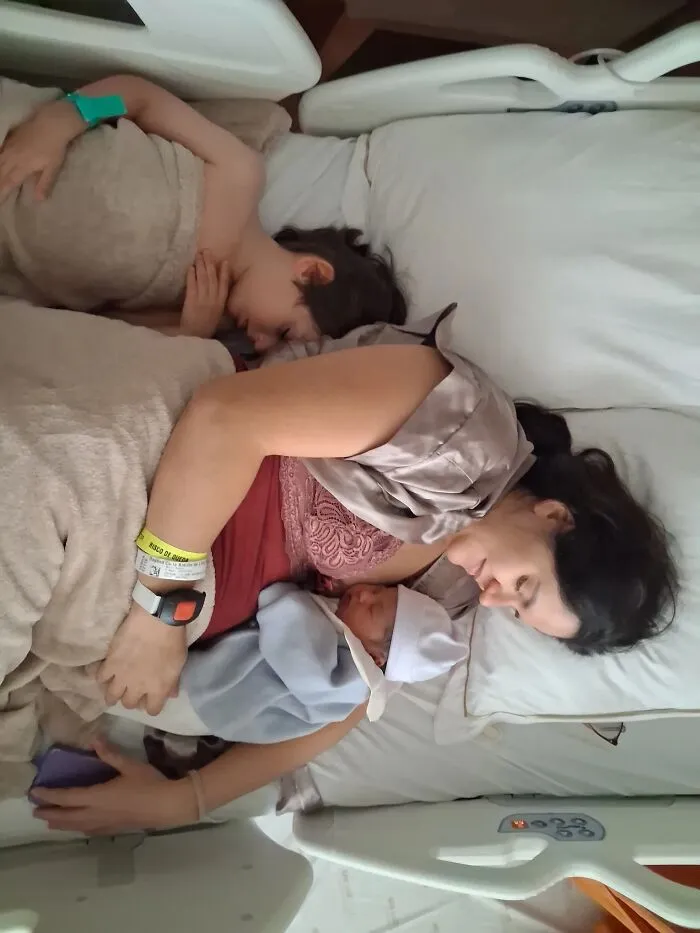
Of course, motherhood isn’t actually easy—and most moms, in the US at least, agree. A 2022 Pew Research Center survey on “Parenting in America Today” found that 66% of mothers said parenting was harder than they expected, versus 58% of fathers—including 30% of moms who called it a lot harder, compared to just 20% of dads.
Moms were also more likely to say they found parenting tiring (47% vs. 34%) and stressful (33% vs. 24%) most or all of the time. And yet, 83% of moms still said being a parent was enjoyable most or all of the time. Hard, tiring, and stressful, for sure—but still enjoyable.
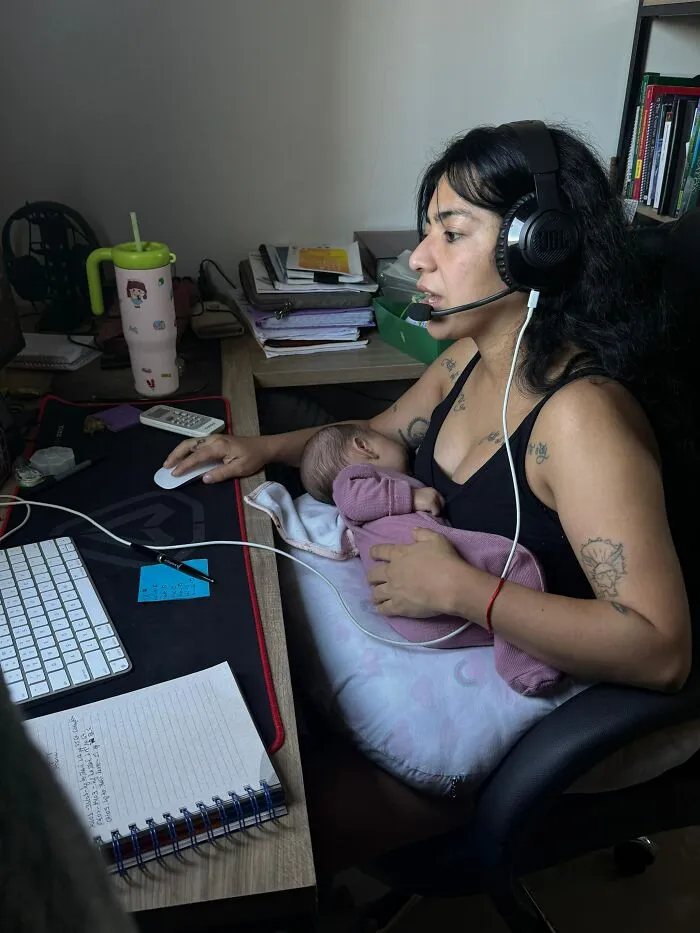
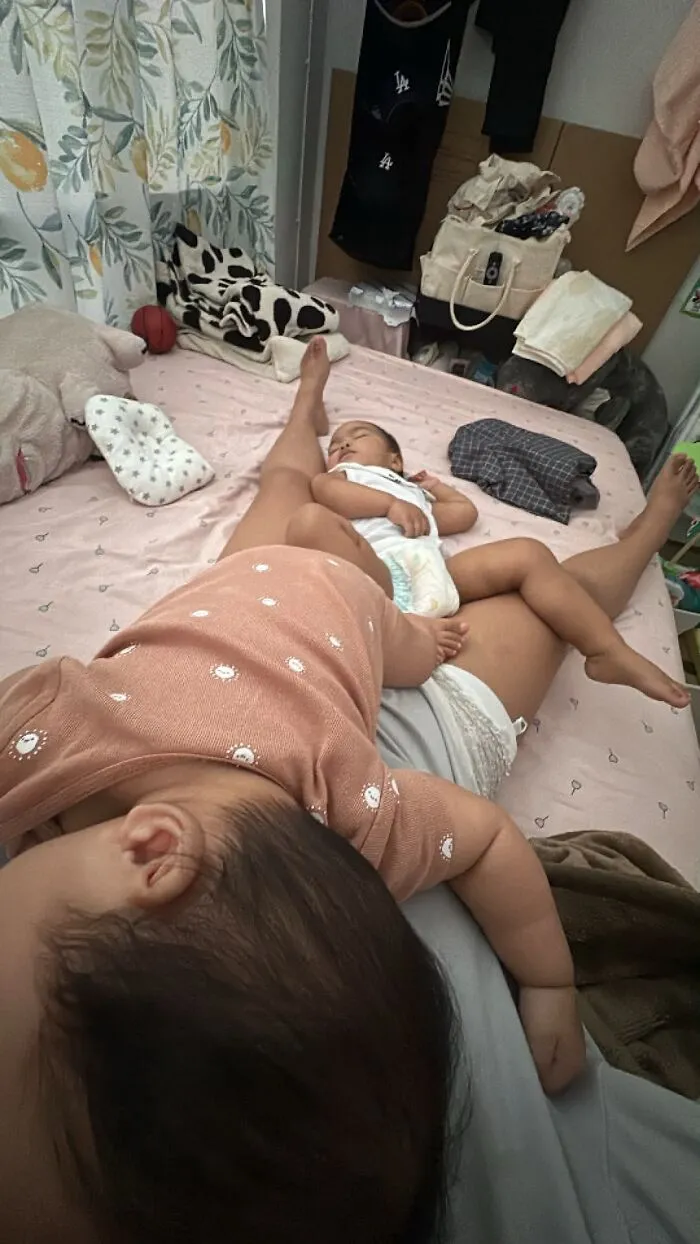
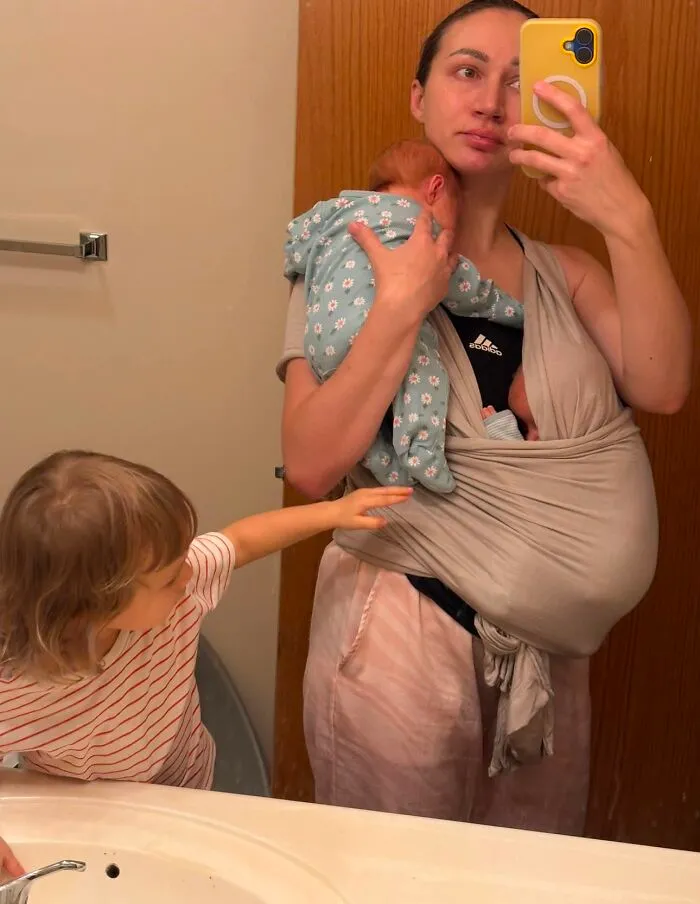
Look at how much mothers actually take on, and the numbers are hardly surprising. Data from the 2021 American Time Use Survey cited by Pew showed that mothers of kids under 6 spent 7.5 hours a day on childcare—versus 5.3 for fathers. Over two extra hours, every single day.
But the difference isn’t just about time, either. Pew reported that among partnered mothers in the US, 78% said they did more to manage their kids’ schedules, 58% did more emotional heavy lifting, and 65% (among those with school-age kids) did more homework duty.

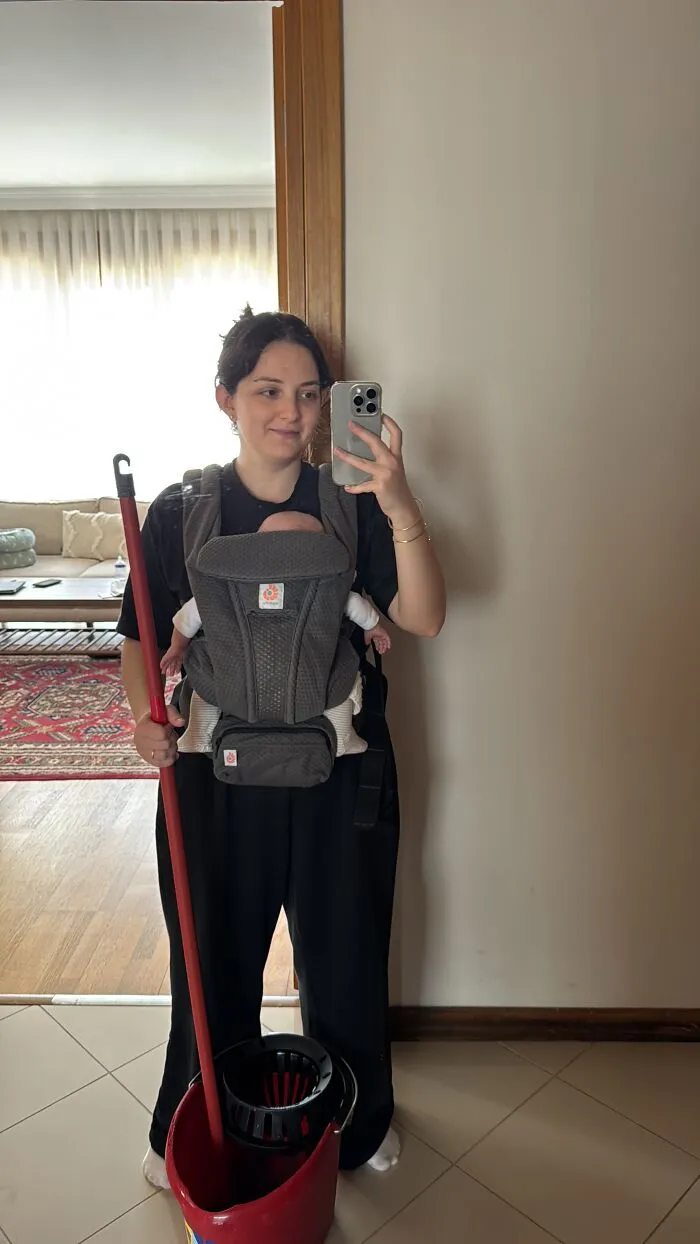
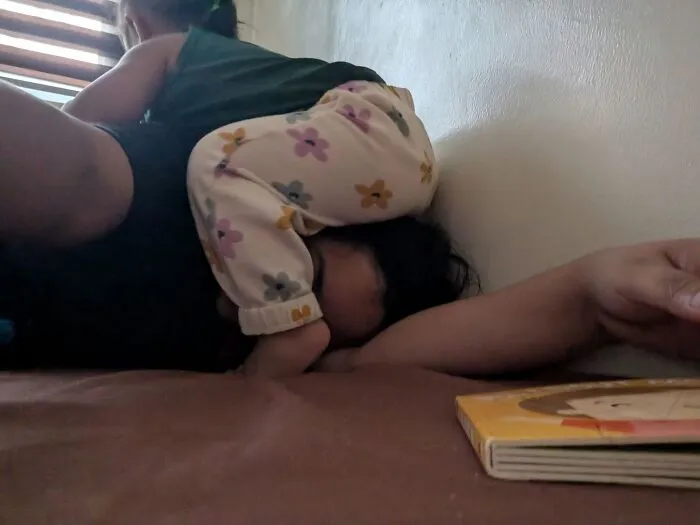
And then there’s the judgment. We’ve all heard of mom-shaming; it’s a well-worn phrase. Dad-shaming? Not so much. Pew found that mothers are more likely than fathers to feel judged by the people around them: their own parents, their partner’s parents, other parents, friends, even strangers online. The gap is starkest with other parents in their community (41% vs. 27%) and online groups (31% vs. 16%).
In other words, the juggling act isn’t just about hours. It’s about how many visible and invisible jobs moms are doing at once—and how many people are watching them do it.
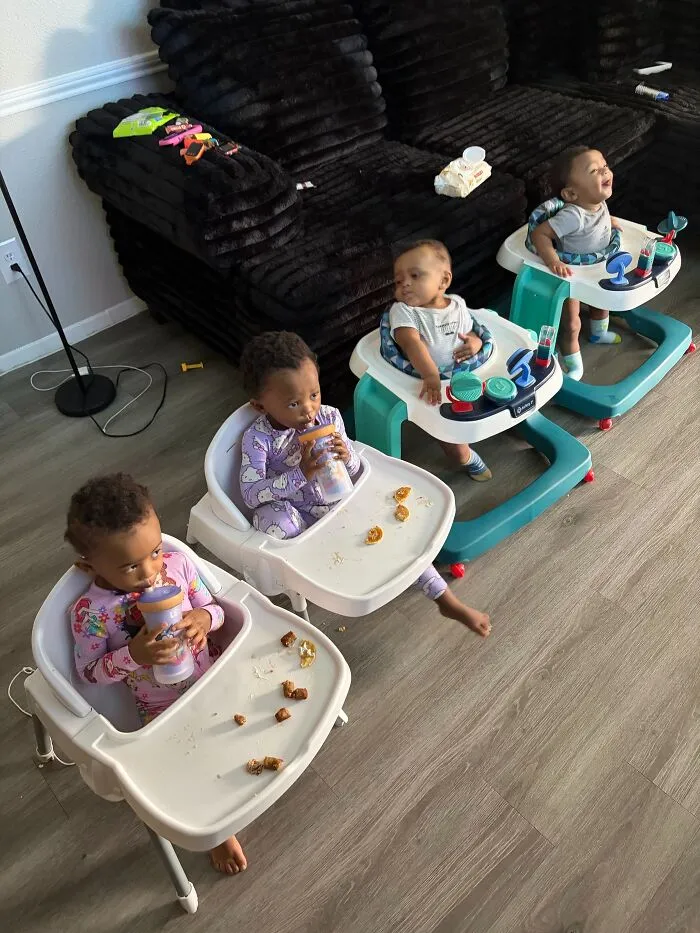
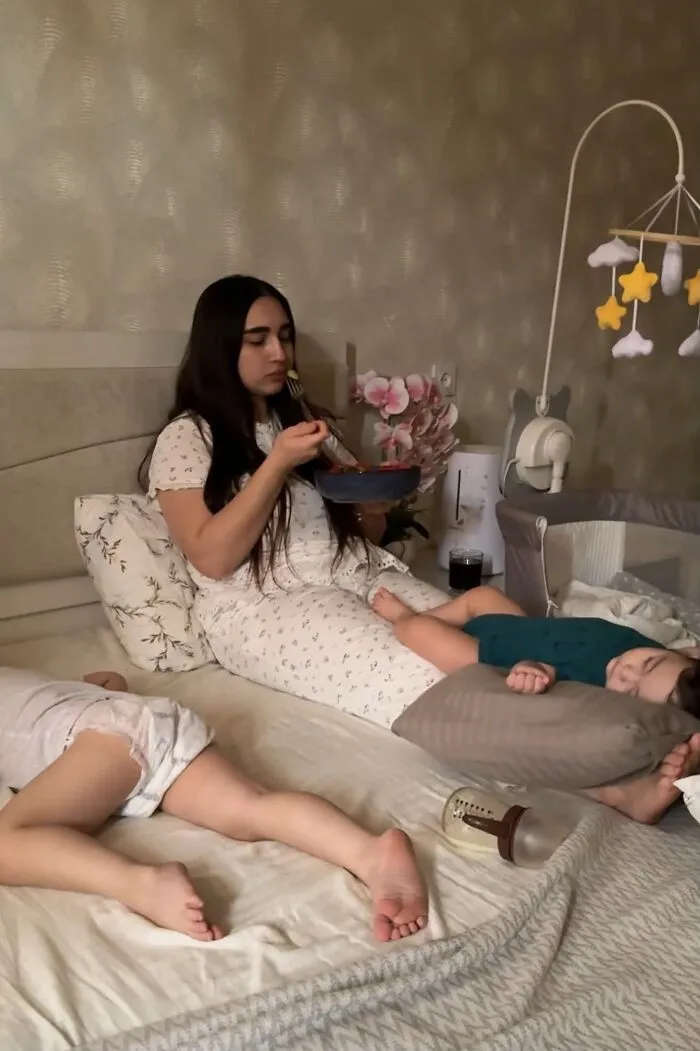

So what is it about motherhood that still makes 83% of moms say, despite all these demands, that being a parent is enjoyable most or all of the time? Of course, there’s the most obvious reason: the tiny human, or humans, who made you a mom in the first place.
There are the good times, the firsts, and all those little moments you wouldn’t trade for the world. Even the tantrums, potty disasters, and public meltdowns tend to become funny stories once everyone’s had a chance to cool off. But there may be something quieter going on, too.
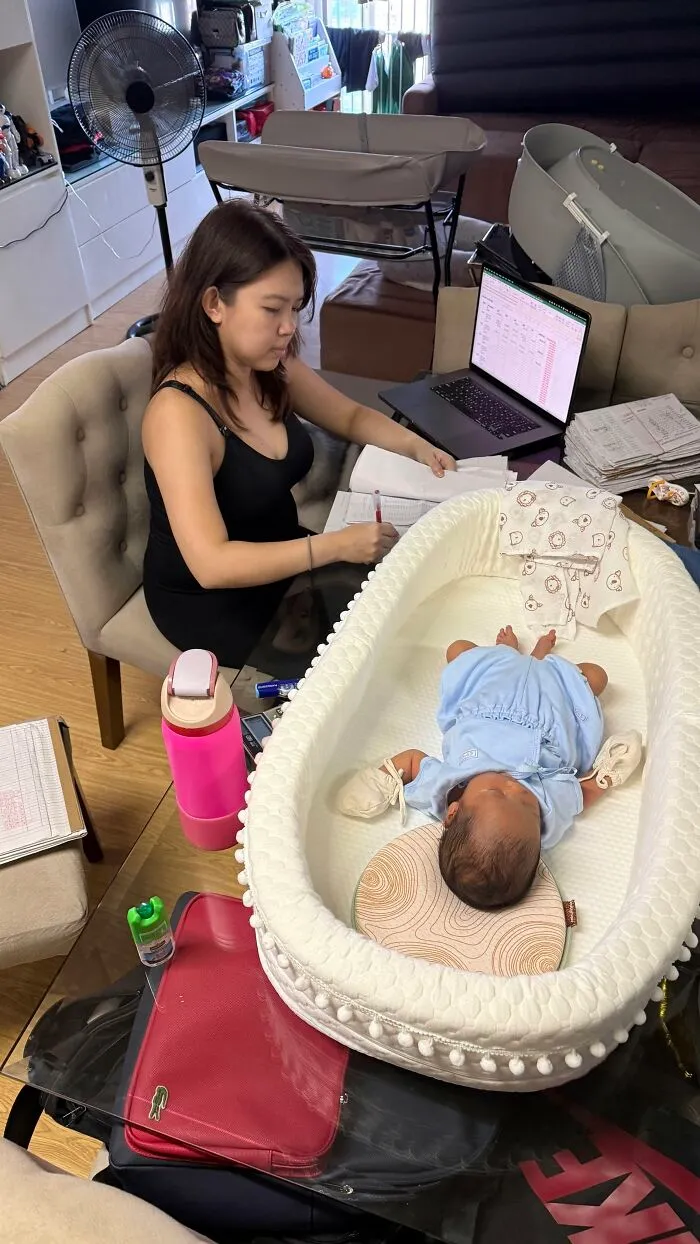
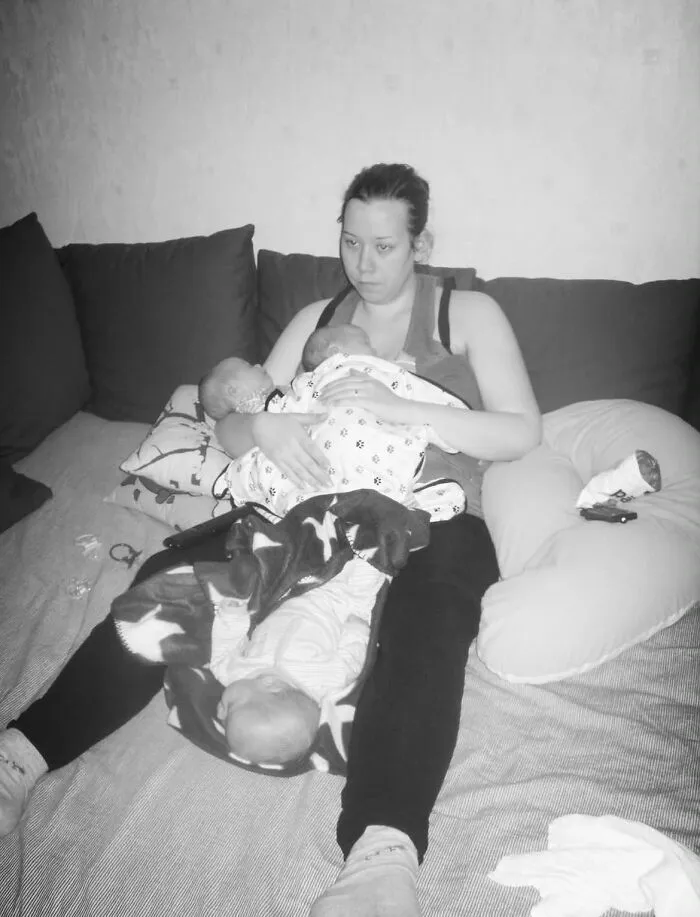
The same “Parenting in America Today” survey found that 88% of mothers consider being a parent one of the most important aspects of who they are, with 35% saying it is the single most important. Research into motherhood suggests that this sense of identity can bring about personal growth, too.
Liz Hall, PhD, a psychology professor at Biola University and co-author of Relational Spirituality: A Psychological-Theological Paradigm for Transformation, was one of the researchers behind a 2015 paper that described how “motherhood expands the self.” She later discussed the research in an interview with the American Psychological Association.
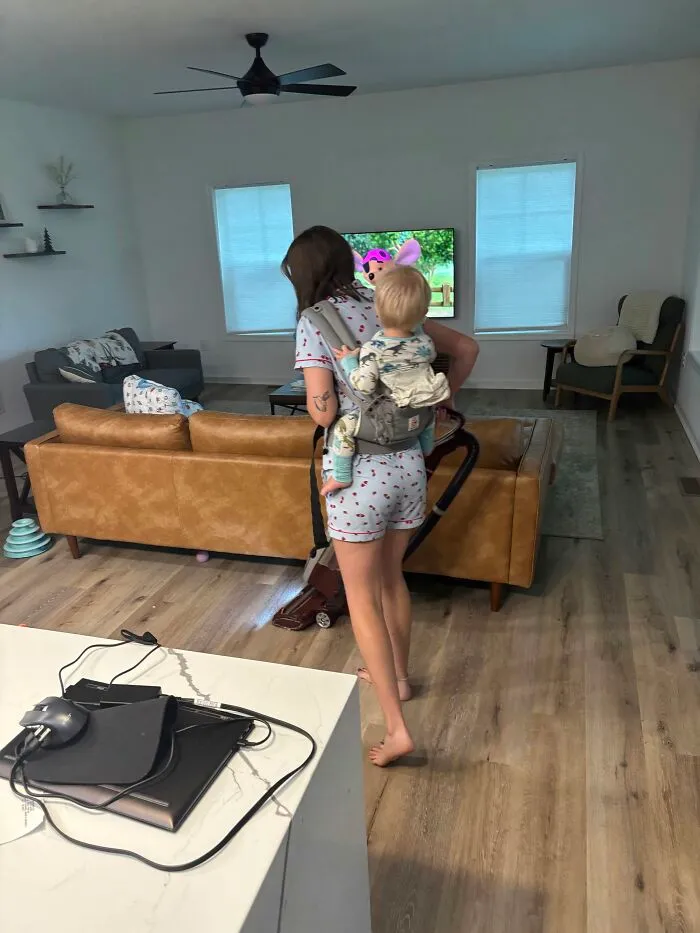


In the interview, Hall explained how becoming a mother can give women a new role that becomes part of how they understand themselves. Caring for an infant, she explains, can cause parents to “loosen their identity boundaries” as they become attuned to a child with needs and a personality of their own. “They’re taken out of their own perspective of the world and forced to see things differently.” She says this can foster greater empathy and compassion—not only toward their child, but more broadly, too.
Hall and her colleagues also connected this expanded sense of identity with greater resilience. As she explained, “If mothers feel being a parent is part of their sense of self rather than just a role they play, they may experience less of that feeling of being pulled in different directions all the time.”